

B3055 on 2007-2009 Hummer H2: Causes for No Start & Security Light
This code means your Hummer's security system doesn't recognize the key, causing a no-start or start-and-stall condition. The most common causes are a faulty ignition key or a worn-out ignition lock cylinder assembly, which includes the reader coil. Trying a spare key is the first step. This is a very common issue on GM trucks of this era.
- B3055 on a Hummer H2 means the security system has disabled the vehicle due to a key recognition failure.
- The most likely culprits are a bad key or a faulty ignition lock cylinder; always try a spare key first.
- This is a common issue on GM vehicles of this era, and a TSB exists acknowledging the problem.
- Repair may require a 30-minute security relearn procedure, which can be done without special tools.
- Do not mistake this security issue for a bad starter or battery, as the symptoms can be similar.
What's Unique About the 2007-2009 Hummer H2
The Hummer H2 uses a GM Passkey III+ (PK3+) vehicle immobilizer system. This system is known for issues related to the ignition switch, the key's transponder chip, and the exciter coil that reads the key. A Technical Service Bulletin (TSB) for the H2, #PIC5650M, directly acknowledges that code B3055 can cause an intermittent no-crank or start-and-stall condition, confirming this is a recognized issue on the platform. The 2008-2009 models feature a GMT900-style interior and updated 6.2L engine, but the underlying chassis and security system principles remain similar to the earlier GMT800-based models.
Diagnostic Flowchart
Tap your situation to follow the diagnostic path that matches what you're seeing on this vehicle.
Symptoms You May Notice
- Engine does not crank (no-crank, no-start).
- Engine starts but shuts off immediately (start-and-stall).
- Security light is illuminated or flashing on the instrument cluster.
- Key is difficult to turn or gets stuck in the ignition (points to mechanical wear of the lock cylinder).
- Replacing the starter motor when the security system is simply preventing the crank signal from being sent.
- Replacing the battery when the no-start is caused by the immobilizer, not a lack of power.
- Replacing the ignition switch (the electronic component) when the fault is in the mechanical lock cylinder or the exciter coil 🎬 See this walkthrough on replacing the ignition switch and cylinder. that reads the key.
Most Likely Causes
- Faulty Ignition Key Transponder 🔴 High Probability → Shop Ignition Switch The PK3+ transponder chip embedded in the key head can be damaged from drops, water, or simply fail with age, preventing it from communicating with the vehicle.
How to confirm: The easiest test is to try a spare key. If the spare key works reliably, the original key is faulty. A locksmith or dealer can also test the key's transponder signal. A scan tool may show the key's status as 'Not Present'.
Typical fix: A new key must be purchased, cut to match the ignition, and then programmed to the vehicle using a specific 30-minute relearn procedure.
Est. part cost: $50-$150 - Worn or Faulty Ignition Lock Cylinder / Exciter Coil 🔴 High Probability → Shop Ignition Switch The exciter coil is an antenna ring around the ignition lock cylinder that energizes the key's transponder. This component and its wiring are common failure points in GM vehicles of this era, leading to an intermittent inability to read the key. Mechanical wear on the lock cylinder itself from a heavy keychain can also contribute.
How to confirm: If multiple known-good keys fail to start the vehicle, and wiggling the key in the ignition sometimes allows it to start, the lock cylinder assembly is the likely culprit. A diagnostic check involves testing for continuity on the exciter coil circuit and using a scan tool to see if the 'Transponder Key' status changes.
Typical fix: Replace the ignition lock cylinder housing which contains the exciter coil. The OEM part is often sold as an assembly. This is often followed by a security relearn procedure.
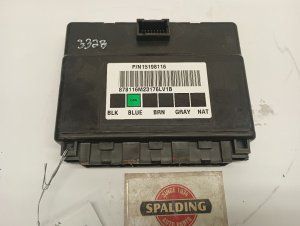
Est. part cost: $100-$250 - Faulty Body Control Module (BCM) ⚪ Low Probability → Shop Body Control Module The BCM is the computer that manages the security system. While generally robust, it can fail electronically or suffer from internal corrosion due to water intrusion, a known issue in some GM trucks.
How to confirm: This is typically diagnosed by exclusion. If the key, ignition cylinder, and wiring are all confirmed to be good, the BCM is the next suspect. A professional scan tool is needed to check for communication and internal BCM faults. 🎬 Watch: Diagnosing a BCM with no communication and no crank.
Typical fix: Replace the Body Control Module. A new BCM must be programmed to the vehicle with dealer-level software, though some vendors sell pre-programmed units where you send in your original for data cloning.
Est. part cost: $300-$600 - Wiring or Connector Issue ⚪ Low Probability Corrosion at connectors or damage to the wiring between the ignition lock cylinder and the BCM can interrupt the key signal. The small wires leading to the exciter coil can break from repeated stress from a tilt steering wheel.
How to confirm: Visually inspect the wiring harness under the steering column and at the BCM. 🎬 Watch: How to track down common Hummer H2 electrical issues. Check for continuity and voltage on the exciter coil circuit using a multimeter and wiring diagram.
Typical fix: Repair the damaged section of wire or clean/replace the corroded connector.
Rare But Worth Checking
- Radio Frequency (RF) Interference: Having other transponder keys (from other vehicles), toll passes, or certain electronic devices (like aftermarket LED lights or USB chargers) on the same keychain or in the vehicle can interfere with the 125 kHz signal between the key and the vehicle's exciter coil. Try starting the vehicle with only the Hummer key present, with no other electronics nearby. GM TSB PIC5650M specifically calls this out as a primary diagnostic step.
- Low Battery Voltage: → Shop Vehicle Battery While not a direct cause of B3055, very low system voltage can cause various electronic modules, including the BCM, to behave erratically and set false codes. Ensure the battery is fully charged and tests good before proceeding with complex diagnostics.
Diagnosis Steps
- Attempt to start the vehicle with a known-good spare key. If it starts, the primary key is the issue.
- Observe the security light on the dashboard. Note if it is solid, flashing, or goes out when the key is turned to 'ON'. A solid or flashing light indicates a fault.
- Remove any other keys, fobs, toll passes, or RF-emitting devices from the keychain and from inside the vehicle, then try again.
- Check the vehicle's battery voltage to ensure it is above 12.4 volts. Charge or replace if necessary.
- Scan the Body Control Module (BCM) for B3055 and any other related codes like B3060 or B3935.
- Inspect the wiring and connector at the base of the ignition lock cylinder for any visible damage, looseness, or broken wires. Wiggle the key in the ignition; if this allows the vehicle to start intermittently, suspect the lock cylinder or its wiring.
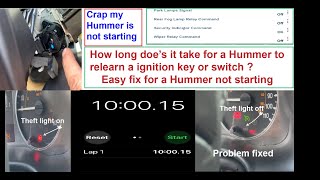
- If a new key or ignition component is installed, perform the 30-minute security relearn procedure. This involves three 10-minute cycles of turning the key to 'ON' until the security light goes out.
- If the problem persists, use an advanced scan tool to monitor the 'Transponder Data State' or 'Transponder Key' parameter from the BCM to confirm if it is 'Present' or 'Not Present' when the key is in the ignition.
Parts You'll Likely Need
- Transponder Ignition Key
(OEM #GM P/N: B111-PT (Blank))— The chip inside the original key is a very common failure point, causing the B3055 code. It's the easiest and cheapest part to replace first.
Trusted brands: ACDelco, Strattec
OEM price range: $70-$120
Aftermarket price range: $40-$80 - Ignition Lock Cylinder Housing
(OEM #ACDelco D14A8A or GM 15799769 / 19179973 (verify by VIN))— This component contains the exciter coil that reads the key. A break in the coil or its wiring is the second most common cause of this fault. It is often sold as a complete assembly with the lock cylinder.
Trusted brands: ACDelco, Dorman, BWD
OEM price range: $150-$250
Aftermarket price range: $80-$150 - Body Control Module (BCM)
(OEM #e.g., 22860591, 15191785 (Must match original part number or be a compatible replacement))— A less common but possible failure. If the key and ignition cylinder assembly are confirmed good, the BCM is the next logical step.
Trusted brands: ACDelco (GM Genuine), Dorman (Remanufactured)
OEM price range: $300-$500
Aftermarket price range: $170-$350
Related Codes That Often Appear With This One
- B3060 — This code, 'Unprogrammed Transponder ID Code Received,' often appears with B3055 and indicates the BCM is receiving a signal, but from a key that is not programmed to the vehicle.
- B3935 — Another security system code, 'Transponder Key Problem', that can be logged during a Passkey fault event, often alongside B3055 and B3060 per TSB PIC5650.
Technical Service Bulletins (TSBs) & Recalls
- PIC5650M (and its revisions A, B, C, K, etc.): Addresses intermittent no crank/no start/stall with security light on, listing B3055 as a related DTC. The main diagnostic tip is to check for RFI from other keys, fobs, toll passes, and aftermarket electronics like LED lights or USB chargers before replacing parts.
- PIE0232: An engineering information bulletin asking technicians to gather data on low-mileage 2013 trucks with B3055, indicating GM was actively investigating the root cause of these Passkey system failures.
Platform-Specific Known Issues
- GM Technical Service Bulletin PIC5650M directly addresses an intermittent no-crank, no-start, or start-stall concern with the security light on, specifically citing DTC B3055 as a potential code. It heavily emphasizes checking for Radio Frequency Interference (RFI) from aftermarket devices.
- A user on HummerForums.com described a classic ignition lock cylinder failure where tapping the key was required to start the vehicle, which eventually failed completely. This points to the mechanical/electrical failure of the exciter coil assembly.
Mechanic-Grade Diagnostic Values
- Scan Tool BCM/TDM Live Data: 'Transponder Key' Parameter — expected: 'Present' when a valid key is in the ignition and turned to ON.. Failure: Parameter reads 'Not Present' or does not change when a key is inserted.
Hidden / Shadow Codes Worth Checking
- B3055 00: The '00' suffix indicates 'No Sub Type Information'. For this DTC, the base code provides the complete failure description, and no additional symptom bytes are typically used. (see via A professional scan tool like the GM Tech2 may display the code with this suffix.)
Scan Tool Commands That Help
- GM Tech2: Data Display > BCM (or TDM) > Immobilizer Data — This is the primary diagnostic step to see if the module is recognizing the key's transponder. Use this to check the 'Transponder Key' status with all available keys.
- GM Tech2 or equivalent professional scanner: Special Functions > BCM > Setup SDM Primary Key in BCM — This function is often required after replacing the Body Control Module (BCM) to sync it with the vehicle's airbag system (Sensing and Diagnostic Module) and prevent an airbag warning light.
- GM Tech2 or equivalent professional scanner: Special Functions > BCM > Add/Replace Keys — Used to program new or additional keys to the vehicle's immobilizer system after the initial 30-minute relearn procedure or as a standalone programming function.
Wiring & Ground Locations
- BCM Location (2007) — Under the instrument cluster, positioned above the steering column. Access requires removal of the knee bolster panel and potentially the instrument cluster itself.. This is the central module for the Passkey III+ system. Physical access is needed to test wiring or replace the module.
- BCM Location (2008-2009) — On the lower left side of the dashboard, to the left of the steering column.. The location changed with the GMT900 platform update. Knowing the correct location is critical for diagnosis on these model years.
- Theft Deterrent Module (TDM) (2008-2009) — Located on the right side of the steering column, near the ignition key cylinder.. This is the component that contains the exciter coil (antenna) that reads the key transponder. It is the first point of failure for reading the key signal.
- Ground G203 — At the lower right side of the dashboard, near the passenger-side kick panel.. A poor ground at this location can cause erratic behavior in multiple electronic modules controlled by the BCM.
- Splice Pack SP205 (GMT800 platform) — A communication junction block located in the wiring harness under the driver's side dash, near the steering column.. This splice pack connects the Class 2 data lines for multiple modules. A fault here or in a connected module can bring down the entire network, preventing the BCM from validating the key and causing a no-start that can be misdiagnosed as a primary BCM or key failure.
Real Owner Repair Stories
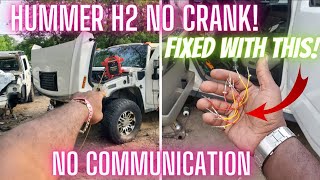
- YouTube channel 'diagnostics/repairs' (Hummer H2 (year not specified, but GMT800 platform)) — No-crank, no-start. Security light would go off, but the gear position indicator (PRNDL) would not light up. Previous attempts to fix by replacing the BCM and performing key relearns had failed.
❌ Tried (didn't work) Replacing the Body Control Module (BCM), Performing the 30-minute key relearn procedure
✅ What actually fixed it The technician found a total loss of communication on the Class 2 data bus. Using a breakout box at Splice Pack 205, they isolated the Engine Control Module (ECM/PCM) as the component pulling the network down. Upon inspection, the ECM connector was found to be contaminated with engine oil, causing a short. Cleaning the oil from the ECM connector restored communication and resolved the no-crank condition.
OEM Part Supersession History
10382479, 15093910, 15819552, and others→22860591— Standard GM part consolidation and updates.
Heads up: Part number 22860591 is used across many GM vehicles but is NOT plug-and-play. It MUST be programmed to the vehicle's VIN and specific options using dealer-level software. Failure to program will result in a no-start condition and other system malfunctions.
Model Year Variations Within This Range
- 2007: This model is based on the GMT800 platform. The BCM is located under the instrument cluster above the steering column, and it communicates primarily via the Class 2 Serial Data bus.
- 2008-2009: These models are based on the GMT900 platform. The BCM is located on the lower left side of the dash. These vehicles use the high-speed GMLAN serial data bus for module communication, which has different diagnostic procedures than the older Class 2 system.
Helpful Videos

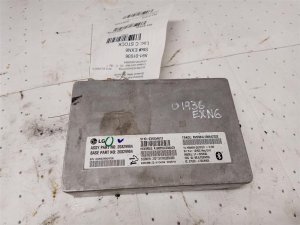
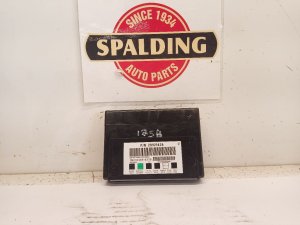
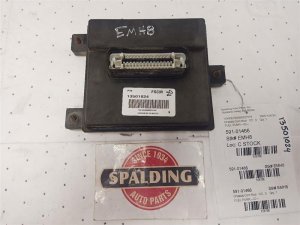
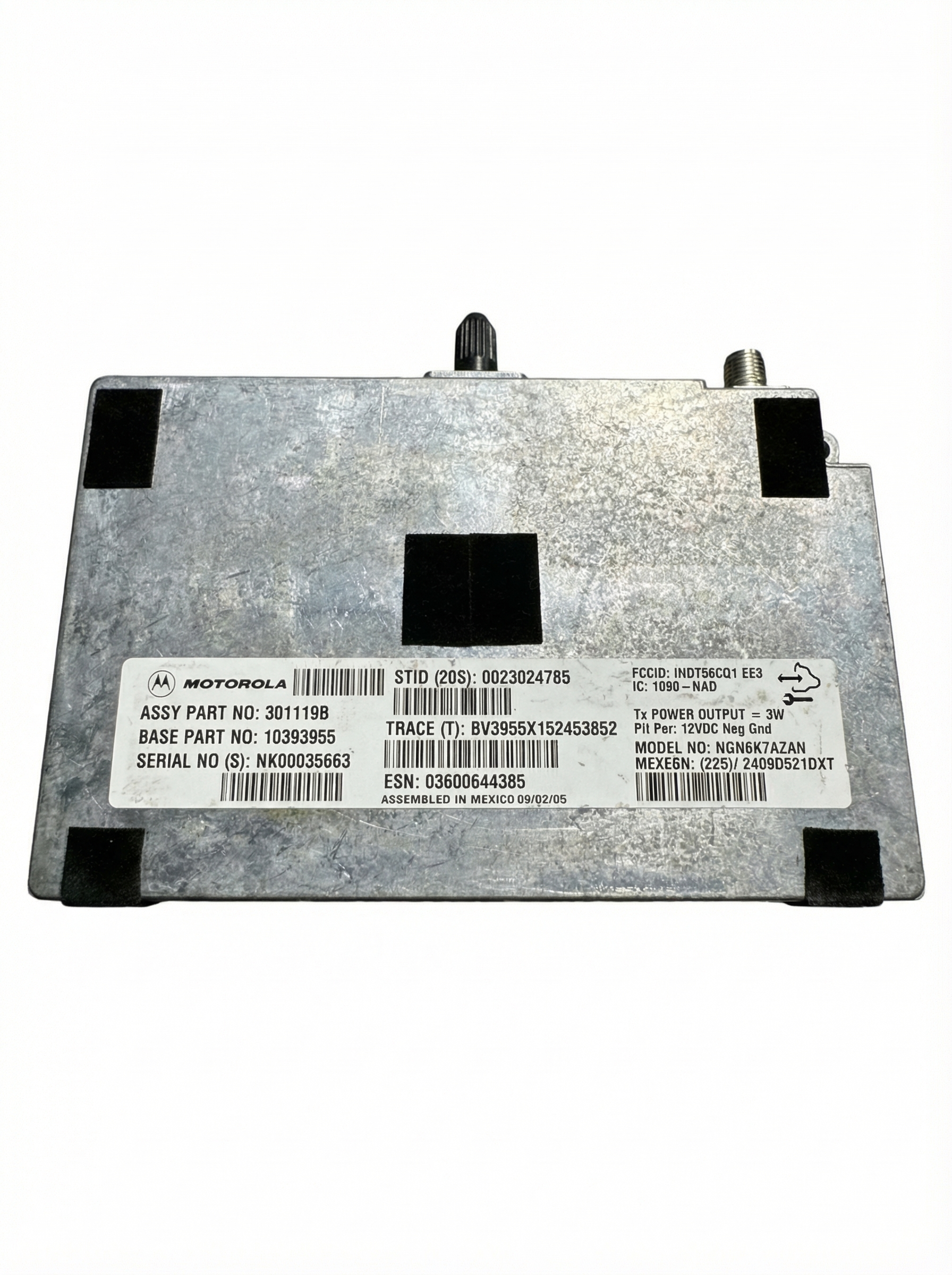
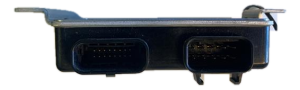
We Have This Part in Stock

The information in this article is provided for general reference and educational purposes only. Vehicle specifications, procedures, and part compatibility can vary by production date, trim level, and region. Always consult your vehicle's factory service manual and verify part numbers before purchasing or performing repairs. Safety-critical components such as airbags, seat belts, and braking systems should be installed by a qualified professional.
- Hummer H2:
- 🧭 Diagnostic Flowchart
- 🎬 Helpful Videos
- 🛍️ Shop This Part
- What's Unique About the 2007-2009 Hummer H2
- Symptoms You May Notice
- Most Likely Causes
- Rare But Worth Checking
- Diagnosis Steps
- Parts You'll Likely Need
- Related Codes That Often Appear With This One
- Technical Service Bulletins (TSBs) & Recalls
- Platform-Specific Known Issues
- Mechanic-Grade Diagnostic Values
- Hidden / Shadow Codes Worth Checking
- Scan Tool Commands That Help
- Wiring & Ground Locations
- Real Owner Repair Stories
- OEM Part Supersession History
- Model Year Variations Within This Range
- 🎟️ Get 5% Off