

B3055 on 2007-2011 Pontiac Solstice: Security Light and No-Start Causes
Code B3055 on a Pontiac Solstice means the car's anti-theft system can't read the key, causing a no-start and security light. The most common fixes are to remove other RFID devices from your keychain, use a spare key, or replace a faulty ignition key. A faulty Body Control Module (BCM), often due to water damage, is also a known issue.
- B3055 means your Solstice won't start because of a security system issue, most likely related to reading the ignition key.
- Before spending any money, try your spare key and make sure there are no other keys or RFID fobs on your keychain.
- If the simple fixes don't work, the problem is likely the ignition lock cylinder or the Body Control Module (BCM), which require professional diagnosis and programming.
- Do not replace the starter or battery for a no-start condition until you have ruled out this security code.
What's Unique About the 2007-2011 Pontiac SOLSTICE
The Pontiac Solstice and its platform mate, the Saturn Sky, use GM's Passkey III (PK3) immobilizer system, which is sensitive to interference. A GM Technical Service Bulletin (TSB) highlights that this code is frequently caused by other Radio Frequency Identification (RFID) devices on the keychain, such as other car keys, key fobs, or building access cards, interfering with the key's signal. Additionally, the BCM on the Solstice is located in the passenger footwell, and there are numerous owner reports of water intrusion in this area from clogged convertible top drains or faulty seals, leading to BCM corrosion and failure that specifically triggers code B3055.
Diagnostic Flowchart
Tap your situation to follow the diagnostic path that matches what you're seeing on this vehicle.
Symptoms You May Notice
- Engine will not crank or start
- Engine starts briefly and then stalls
- Security indicator light is illuminated or flashing on the instrument cluster.
- "Theft" or a similar message displayed on the driver information center
- Key may feel loose or not engage properly in the ignition cylinder
- Replacing the starter motor without checking for security codes first.
- Replacing the battery when the no-start is caused by the immobilizer, not a lack of power.
- Replacing the BCM without first checking for water intrusion and fixing the source of the leak.
Most Likely Causes
- Radio Frequency Interference (RFI) from other devices 🔴 High Probability The Passkey system's 125 kHz signal can be easily disrupted. GM TSBs PIC5650M and PIC5650B specifically warn against this as a primary cause for intermittent no-starts with a B3055 code, advising it be checked before any parts are replaced.
How to confirm: Remove all other keys, fobs, and access cards from the keychain so only the Solstice key is present. 🎬 Watch: A simple check for common ignition key interference issues. Try to start the vehicle. If the issue is intermittent, this may need to be tested multiple times.
Typical fix: Keep the Solstice key isolated from other RFID-emitting devices. Do not place multiple PK3 keys on the same ring.
Est. part cost: $0 - Defective or Damaged Ignition Key 🟡 Medium Probability → Shop Ignition Switch The transponder chip embedded in the key head can fail over time or if the key is dropped or damaged. The key itself is a simple transponder without a battery.
How to confirm: Attempt to start the vehicle with a known-good spare key. If the spare key works consistently, the original key is faulty.
Typical fix: Replace the faulty key. A new key must be cut and programmed to the vehicle using a security relearn procedure.
Est. part cost: $50-$150 - Faulty Ignition Lock Cylinder / Transponder Reader 🟡 Medium Probability → Shop Ignition Switch On the Solstice, the exciter coil that energizes and reads the key's transponder is integral to the Theft Deterrent Module (TDM), which is mounted around the ignition lock cylinder. This entire module can fail, or its wiring can become damaged, leading to an inability to read any key.
How to confirm: A technician can use a scan tool to monitor the BCM/TDM data stream for the key signal. If the 'Transponder Key' parameter reads 'Not Present' with a known-good key, and RFI is ruled out, the TDM/reader assembly is suspect. Unlike older systems, a simple resistance check is not the standard procedure for this integrated module.
Typical fix: Replace the Theft Deterrent Module (which includes the ignition lock cylinder housing and reader) and perform the security relearn procedure.
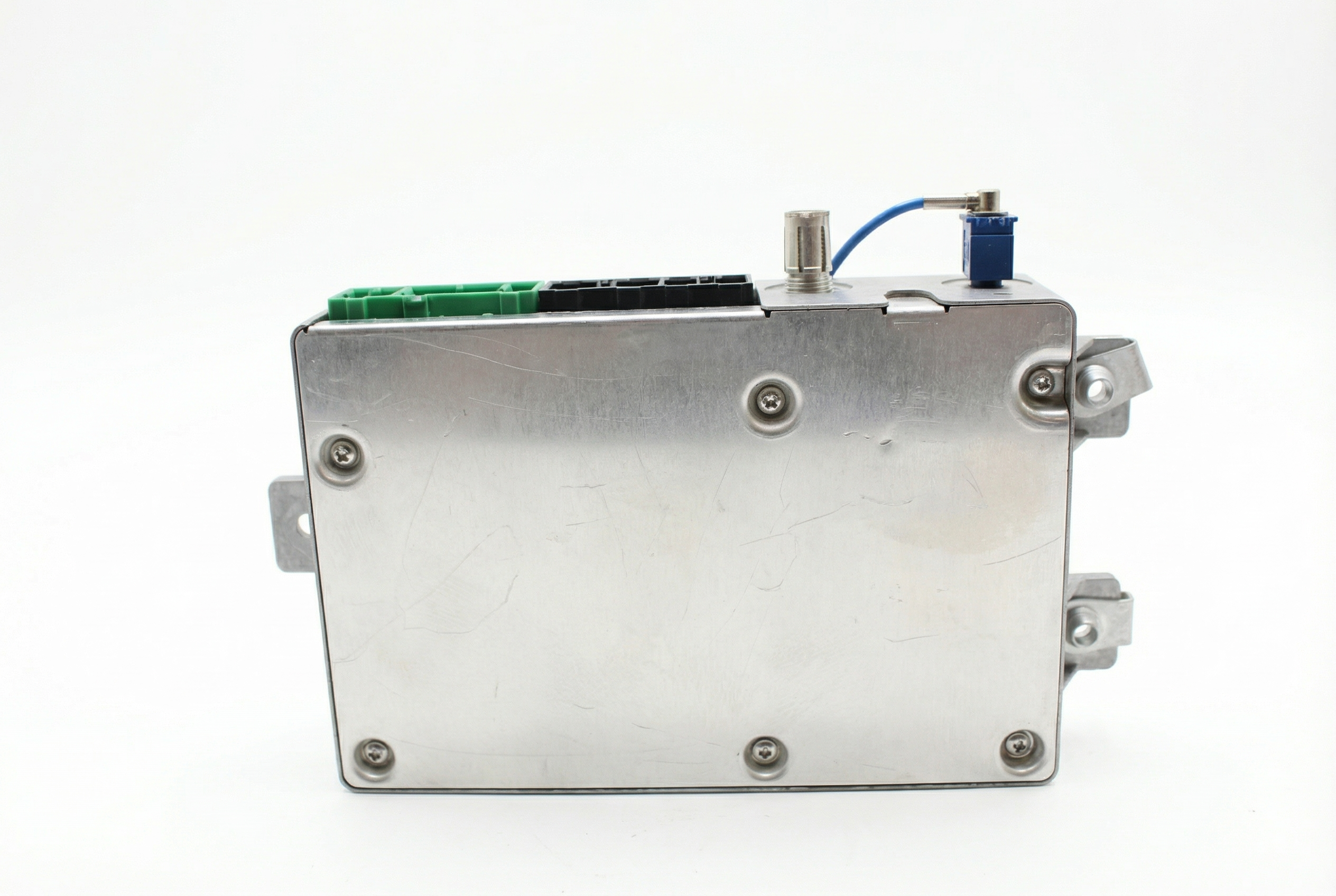
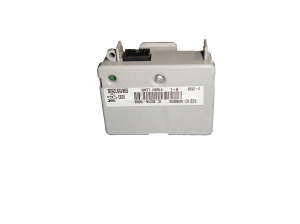
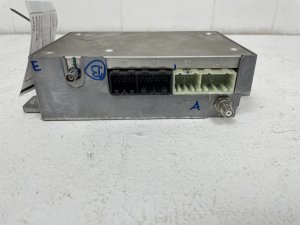
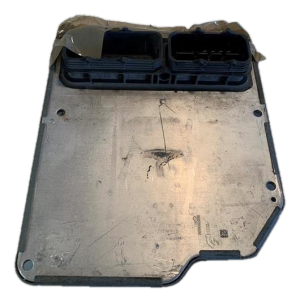
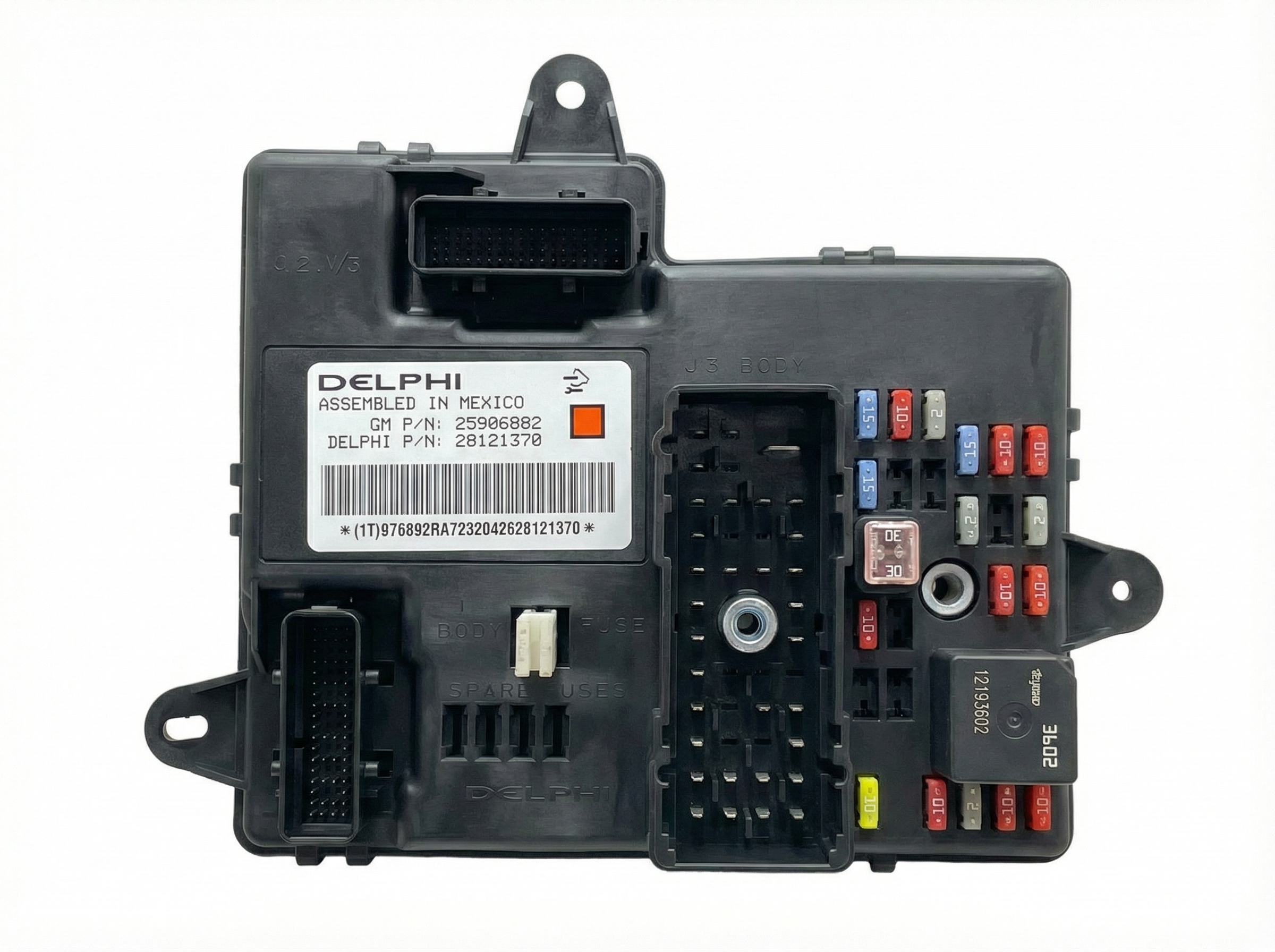
Est. part cost: $100-$250 - Faulty Body Control Module (BCM) ⚪ Low Probability → Shop Body Control Module The BCM is located in the passenger footwell and is highly susceptible to damage from water leaks from clogged A-pillar drains or convertible top seals, a well-documented issue for the Solstice/Sky platform.
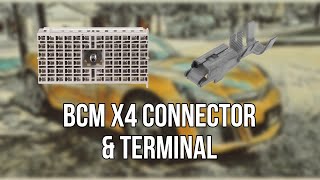
How to confirm: After ruling out the key, RFI, and TDM, the BCM is the next logical suspect. A technician will check for power, ground, and communication at the BCM. Visual inspection for blue or green corrosion on the BCM connectors 🎬 Watch: How to replace damaged BCM connectors and terminals. is a strong indicator of water damage.
Typical fix: Replace the Body Control Module. The new BCM must be programmed to the vehicle's VIN and have the keys relearned using a GM Tech II or equivalent scan tool.
Est. part cost: $150-$400
Rare But Worth Checking
- Improperly Seated Flip Key: A GM TSB (PIT5030E) notes that if the flip-style key is not fully extended and locked in the straight position, it can cause an intermittent no-crank and may set a B3055 in history. The angle of the key head can prevent a good read.
- Low Battery Voltage: → Shop Vehicle Battery Very low system voltage during cranking can sometimes cause communication modules like the BCM to act erratically and set false codes. Ensure the battery is fully charged before diagnosing.
- Wiring Harness Issues: Damage to the wiring between the Theft Deterrent Module and the BCM can cause an open or short, preventing the key signal from being read. This can be diagnosed by testing for continuity and shorts to ground/voltage.
Diagnosis Steps
- Verify the symptom: Check for the illuminated security light on the dashboard when the no-start occurs.
- Scan the Body Control Module (BCM) for codes. A basic OBD-II reader may not see 'B' codes; a more advanced scanner is needed.
- Isolate the key. Remove all other keys, fobs, and RFID cards from the keychain. Attempt to start with only the Solstice key. This is the first step recommended by GM TSBs.
- Try the spare key. If available, attempt to start the vehicle with a known-good spare key. If it works, the primary key is faulty.
- If you have a flip-key, ensure it is fully extended and locked straight before inserting it into the ignition.
- Check the vehicle's battery voltage to ensure it is above 12.4V. Charge or replace if necessary.
- Visually inspect the BCM. Pull back the carpet in the passenger footwell and inspect the BCM and its connectors for any signs of water intrusion, such as white/green corrosion or dampness.
- Perform the 30-Minute Security Relearn Procedure. This can sometimes resolve communication glitches. Turn the key to 'ON' for 10 minutes (until the security light goes out), then 'OFF' for 5 seconds. Repeat this cycle three times. The car should start on the next attempt.
- If the issue persists, professional diagnosis is needed to test the Theft Deterrent Module (TDM) and the BCM itself with specialized tools.
Parts You'll Likely Need
- Ignition Key with Transponder
(OEM #GM 15246215 / Strattec 692931 (PK3))— The chip inside the key is a common failure point. If a spare key works, the original key is the problem.
Trusted brands: ACDelco, Strattec
OEM price range: $70-$120
Aftermarket price range: $40-$80 - Theft Deterrent Module (TDM)
(OEM #GM 15778671)— This module, mounted to the ignition cylinder, contains the exciter coil that reads the key. If it fails, it cannot read any key. It is replaced as a single unit.
Trusted brands: ACDelco (GM Genuine)
OEM price range: $100-$200
Aftermarket price range: $70-$150 - Body Control Module (BCM)
(OEM #GM 25878384 (Verify by VIN))— The BCM is the brain of the security system. It's the cause if it fails internally or suffers water damage, a known issue on this platform.
Trusted brands: ACDelco (GM Genuine)
OEM price range: $250-$400
Aftermarket price range: $150-$300 (Remanufactured)
Related Codes That Often Appear With This One
- B3060 — This code, 'Unlearned Key Detected', often appears with B3055 when the BCM sees a key signal but doesn't recognize it. This is mentioned in TSB PIC5650M.
- B3935 — This code relates to a transponder circuit fault and is often logged alongside B3055 as part of the same anti-theft system failure, as noted in TSB PIC5650M.
Technical Service Bulletins (TSBs) & Recalls
- PIC5650M: Addresses intermittent no crank, no start, or start stall with security light on and DTCs B3055, B3060, B3935, etc.
- PIC5650B: Supersedes previous versions, providing an extensive list of vehicles affected by RFI causing security system issues.
- PIT5030E: Details the intermittent no-crank issue caused by a partially folded flip-key.
Platform-Specific Known Issues
- A known issue documented in TSB #PIC5650M involves an intermittent no-crank or no-start with the security light on, where DTC B3055 may be found.
- TSB #PIC5650B (a later version) re-emphasizes that Radio Frequency Interference (RFI) from other devices on the key ring is a primary cause of this issue that should be investigated before replacing any parts.
- TSB #PIT5030E notes that an intermittent no-crank can be caused by the flip-key not being fully extended, which can log a history code for B3055.
- Water Leak leading to BCM failure: A prevalent issue on Solstice/Sky forums is water leaking into the passenger footwell, directly onto the BCM, causing corrosion and failure. This is often traced to clogged drains for the convertible top or failing A-pillar seals.
Hidden / Shadow Codes Worth Checking
- B3055 00: The '00' is a symptom byte for 'No Sub Type Information'. This indicates the main DTC provides the complete failure description and no further detail is available from the code itself. (see via A GM-specific scan tool like a Tech 2 or a high-end professional scanner capable of reading manufacturer-specific codes and symptom bytes.)
Scan Tool Commands That Help
- Tech 2 / GDS2: Immobilizer Data Display — Use this function to view live data from the theft deterrent system. Monitor the 'TDM Transponder Key' or 'Key Part Number' parameter. It should change from 'Not Present' to 'Present' (or display a part number) when a valid key is turned in the ignition. If it remains 'Not Present' with a known-good key, it points to a faulty TDM/exciter coil.
- Tech 2 / GDS2: Service Programming System (SPS) -> Program ECU — This function is required after replacing the BCM or TDM. It initiates the 10-minute or 30-minute security relearn procedure to synchronize the new module with the vehicle's keys and other control units.
Wiring & Ground Locations
- BCM (Body Control Module) — In the passenger footwell, integrated into the fuse/relay box under the glove compartment.. The BCM is a central component of the theft deterrent system. Its location makes it highly vulnerable to water damage from leaks, a common cause of B3055.
- TDM (Theft Deterrent Module) — Mounted on the right side of the steering column, surrounding the ignition lock cylinder. The exciter coil is integral to this module.. The TDM contains the exciter coil that powers and reads the key's transponder chip. A failure of this module or its wiring directly causes code B3055.
- BCM Grounds (G201, G203, G305) — G201 and G203 are in the passenger compartment. G305 is located under the center console. A poor ground at any of these points can cause erratic BCM behavior and false security codes.. A faulty ground can prevent the BCM from operating correctly, leading to communication errors within the theft deterrent system and triggering B3055.
- BCM Connectors C1, C2, C3, C4 — Connected to the BCM in the passenger footwell. C1/C2 are 72-pin gray, C3 is a 41-pin red, and C4 is a 68-pin light gray.. Corrosion from water intrusion on these connectors is a primary failure point. Technicians must inspect these pins for damage before condemning the BCM.
Real Owner Repair Stories
- YouTube channel 'Bent Oaks Garage' (2006 Pontiac Solstice) — No crank, no start. Security light illuminated on the dash. Clicking sound from relays in the passenger footwell, but engine would not turn over.
❌ Tried (didn't work) The owner first suspected the BCM due to the car being stored in a field. He cleaned the BCM connectors, but this did not resolve the issue.
✅ What actually fixed it The owner replaced the Body Control Module (BCM) with a used unit. After installing the replacement BCM, he performed the 3x10 minute key relearn procedure. The vehicle then started and ran, resolving the B3055-related no-start condition.
OEM Part Supersession History
15145831→Unknown— BCM for 2006 models.
Heads up: BCM part numbers appear to be year-specific. Always verify the correct part number using the vehicle's VIN.25848692→Unknown— BCM for 2007 models.
Heads up: BCM part numbers appear to be year-specific. Always verify the correct part number using the vehicle's VIN.20866984→Unknown— A common replacement BCM part number listed for the Solstice platform.
Heads up: BCM part numbers appear to be year-specific. Always verify the correct part number using the vehicle's VIN.
Model Year Variations Within This Range
- 2006-2010: The Body Control Module (BCM) has different part numbers across different model years, such as 15145831 for 2006 and 25848692 for 2007. This makes it critical to order a replacement BCM using the vehicle's VIN to ensure compatibility.
- 2006 vs 2007-2008: The required immobilizer bypass module for aftermarket remote start systems differs slightly. While 2006 models specify a DB-ALL module, 2007-2008 can use either a DB-ALL or an XK09, suggesting a subtle change in the BCM or theft deterrent system wiring/logic.
Helpful Videos


We Have This Part in Stock

The information in this article is provided for general reference and educational purposes only. Vehicle specifications, procedures, and part compatibility can vary by production date, trim level, and region. Always consult your vehicle's factory service manual and verify part numbers before purchasing or performing repairs. Safety-critical components such as airbags, seat belts, and braking systems should be installed by a qualified professional.
- Pontiac SOLSTICE:
- 🧭 Diagnostic Flowchart
- 🎬 Helpful Videos
- 🛍️ Shop This Part
- What's Unique About the 2007-2011 Pontiac SOLSTICE
- Symptoms You May Notice
- Most Likely Causes
- Rare But Worth Checking
- Diagnosis Steps
- Parts You'll Likely Need
- Related Codes That Often Appear With This One
- Technical Service Bulletins (TSBs) & Recalls
- Platform-Specific Known Issues
- Hidden / Shadow Codes Worth Checking
- Scan Tool Commands That Help
- Wiring & Ground Locations
- Real Owner Repair Stories
- OEM Part Supersession History
- Model Year Variations Within This Range
- 🎟️ Get 5% Off