

B3060 on 2016-2019 Buick Cascada: Causes and Fixes for Security System Fault
This code means your Cascada's anti-theft system doesn't recognize the key, causing a no-start or start-and-stall condition. The most likely causes are a weak key fob battery, a faulty key, or radio frequency interference. A full diagnosis may require a professional scan tool.
- B3060 means your car's security system has locked you out, usually due to a key authentication failure.
- Before calling a mechanic, try the simple fixes: use your spare key, replace the key fob battery, and remove other electronics from your keychain.
- This code will cause a no-start or start-and-stall condition, making the vehicle undrivable.
- If simple fixes don't work, a professional diagnosis is needed, as new keys or modules require special programming tools.
What's Unique About the 2016-2019 Buick CASCADA
The Buick Cascada is a rebadged Opel/Vauxhall Cascada, built on the GM Delta II platform. While its origins are European, it shares its immobilizer system logic with many other North American GM vehicles like the Chevrolet Cruze, Verano, and LaCrosse. A GM Technical Service Bulletin (TSB) confirms that the Cascada, along with numerous other Buick, Cadillac, and Chevrolet models, can experience intermittent no-start conditions related to the security system. This suggests a commonality in component design or software across the GM lineup from this era, rather than an issue unique to the Cascada itself.
🎬 Watch: How to perform a GM security lockout reset procedure.Diagnostic Flowchart
Tap your situation to follow the diagnostic path that matches what you're seeing on this vehicle.
Symptoms You May Notice
- Engine will not crank or start.
- Engine starts and immediately stalls.
- Security indicator light is illuminated or flashing on the dashboard.
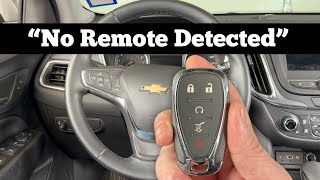
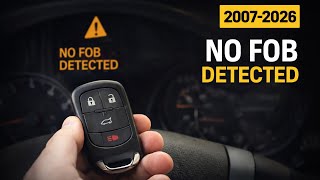
- "No Fob Detected" or similar message on the driver information center.
- Key is not recognized by the vehicle.
- Replacing the starter motor when the engine doesn't crank. The no-crank condition is often a result of the security system disabling the starter relay, not a faulty starter itself.
- Replacing the vehicle's main battery without diagnosing the security system. While a weak main battery can cause various electrical issues, and should be checked, it won't typically set the B3060 code directly unless the voltage drop corrupts module communication.
Most Likely Causes
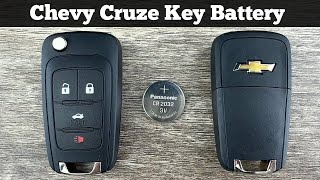
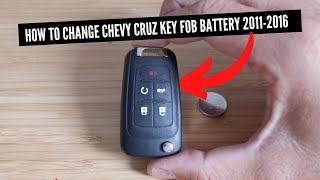
- Weak or Dead Key Fob Battery 🔴 High Probability → Shop Vehicle Battery Key fobs are powered by small batteries (typically a CR2032) that have a finite lifespan. This is a common issue across all vehicles with keyless entry and push-button start and is often the first and easiest thing to check.
How to confirm: Try using the spare key fob. If the car starts, the battery in the primary fob is the likely culprit. You can also try placing the non-working fob in the designated transmitter pocket (usually in the center console or glove box) to see if the car will start. This pocket allows the car's internal antenna to communicate with the fob even with a very weak battery.
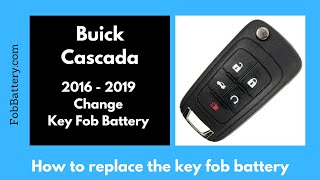
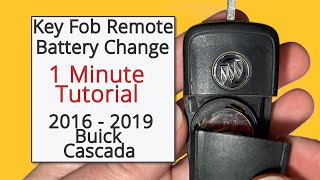
Typical fix: Replace the CR2032 battery inside the key fob.
Est. part cost: $2-$10 - Radio Frequency (RF) Interference 🟡 Medium Probability As noted in GM TSB PIC5650M, RFID devices like security badges, aftermarket phone chargers, or even some LED lighting can interfere with the 125 kHz signal used by the immobilizer system. This can prevent the car from reading the key correctly. The owner's manual for many GM vehicles warns against this possibility.
How to confirm: Remove all other keys, fobs, and electronic devices from the keychain and from the area near the ignition or start button. If the car starts consistently with the other items removed, RF interference was the cause.
Typical fix: Keep other RFID-emitting devices separate from the car key. Do not use aftermarket chargers or accessories known to cause RFI.
Est. part cost: $0 - Faulty Transponder Key or Fob 🟡 Medium Probability → Shop Door Lock Key The internal transponder chip or circuitry within the key can be damaged from being dropped or from water exposure. This prevents it from sending the correct authentication code. Sometimes the key can simply lose its synchronization with the vehicle.
How to confirm: If the spare key works perfectly and replacing the battery in the primary key does not solve the issue, the key itself is likely faulty. A locksmith or dealer can test the key's signal output.
Typical fix: The key must be replaced and programmed to the vehicle by a dealership or a qualified automotive locksmith with the proper tools.
Est. part cost: $150-$400 - Faulty Keyless Entry Control Module or Wiring ⚪ Low Probability → Shop Keyless Entry Module The TSB PIC5650M provided mentions B3060 along with a host of other security and communication codes, pointing towards a potential module or wiring issue as a root cause for intermittent problems. On related Opel/Vauxhall platforms, wiring harness issues between the ECU and fuse box have been known to cause similar no-start conditions. A poor ground connection to the BCM can also cause this fault.
How to confirm: This requires professional diagnosis with a scan tool capable of communicating with the Body Control Module (BCM) and Theft Deterrent Module (TDM). A technician will check for communication errors and inspect the wiring harness for damage, corrosion, or breaks, paying special attention to ground points like G103.
Typical fix: Repairing the wiring or replacing the faulty module. The new module will require programming to the vehicle.
Est. part cost: $200-$600
Rare But Worth Checking
- Faulty Body Control Module (BCM): → Shop Body Control Module The BCM is the central computer for many body and security functions. While less common, an internal BCM failure due to cracked solder joints or component failure can cause a wide range of electrical issues, including setting a B3060 code. This is typically a last resort after all other possibilities have been exhausted.
- Faulty Immobilizer Antenna Ring: → Shop Antenna The antenna ring, located around the ignition switch or start button area, is what energizes and reads the transponder chip in the key. A failure in this component or its wiring can prevent the key signal from ever reaching the TDM, leading to a B3060.
Diagnosis Steps
- Check for a security light on the dashboard. A solid or flashing light confirms an active anti-theft issue.
- Attempt to start the vehicle with a known-good spare key. If it starts, the problem is with the first key.
- Replace the battery (CR2032) in the non-working key fob.
- Place the non-working key fob in the vehicle's transmitter pocket (check owner's manual for location, usually in the center console) and attempt to start. This is designed to work even with a weak fob battery.
- Remove all other electronic devices, keys, and fobs from the keychain and the vehicle's interior to eliminate potential Radio Frequency (RF) interference.
- The traditional GM 30-minute relearn procedure (cycling the key for 10-minute intervals) is generally for older, mechanical key systems and is unlikely to work on the Cascada's push-button start system. Key programming requires a compatible scan tool.
- If the issue persists, use a professional-grade scan tool (like GM GDS2) to read codes from the Body Control Module (BCM) and Theft Deterrent Module (TDM).
- Using the scan tool, monitor the TDM data parameter 'Valid Key' to see if it recognizes a 'Valid Key' when the fob is present.
- Inspect the wiring and connectors at the BCM and any immobilizer-related antennas for damage or corrosion. Check ground G103, located on the cowl above the brake booster, for a clean and tight connection.
- If a key or module is found to be faulty, it must be replaced and programmed to the vehicle using specialized equipment.
Parts You'll Likely Need
- Key Fob Battery
(OEM #CR2032)— This is the most common and cheapest fix for a key that is not being detected.
Trusted brands: Energizer, Duracell, Panasonic
OEM price range: $5-$10
Aftermarket price range: $2-$8 - Transponder Key Fob
(OEM #13504204, 13504202, P4O 9MK74946931 (verify by VIN))— If the key's internal electronics have failed, the entire key fob must be replaced and programmed. Several part numbers and FCC IDs exist, so matching to the original or verifying with a VIN is crucial.
Trusted brands: ACDelco (OEM), KeylessOption, Remotes And Keys
OEM price range: $130-$300
Aftermarket price range: $30-$150 - Keyless Entry Control Module
(OEM #85540054 (supercedes 23473339))— In rarer cases of intermittent faults across the security system, as suggested by TSBs, the control module itself may be the cause. This module is sometimes referred to as the K26 Keyless Entry Control Module in GM diagrams.
Trusted brands: ACDelco (OEM)
OEM price range: $170-$250
Aftermarket price range: N/A
Related Codes That Often Appear With This One
- B3055 — This code means 'Key Not Present' and often appears with B3060 when the system fails to detect or authenticate the key. It is frequently cited alongside B3060 in GM service bulletins.
- B3935 — This code indicates a 'Transponder Key Authentication Error' and is closely related to B3060, pointing to a failure in the security handshake process between the key and the car. It is also mentioned in TSB PIC5650M.
Technical Service Bulletins (TSBs) & Recalls
- PIC5650M: Addresses an intermittent no crank, no start, or start stall concern with the security light coming on, potentially caused by a fault in the keyless entry control system or RF interference from aftermarket devices.
Platform-Specific Known Issues
- Per TSB PIC5650M, the 2016-2019 Buick Cascada is included in a range of GM vehicles that can exhibit intermittent no-crank/no-start or start/stall conditions with security codes B3055, B3060, and B3935 present.
- While not specific to B3060, some Cascada owners have reported various electrical gremlins, including infotainment system freezes, which points to the general sensitivity of the vehicle's electronics.
Mechanic-Grade Diagnostic Values
- Ignition Coil Primary Winding Resistance (General Reference) — expected: 0.2 - 3.0 Ohms. Failure: Reading of 0 (short) or OL/infinity (open).
- Ignition Coil Secondary Winding Resistance (General Reference) — expected: 5,000 - 15,000 Ohms (5-15 kOhms). Failure: A reading significantly outside this range, or OL/infinity.
Scan Tool Commands That Help
- GM GDS2: View 'Valid Key' Parameter — Use this live data parameter within the Theft Deterrent Module (TDM) or BCM data list to see if the module is recognizing the key transponder as valid or invalid in real-time.
- GM GDS2: Add or Replace Key Fobs — This function, found under 'Remote Control Door Lock Receiver' -> 'Configure/Reset Functions', is used to program additional keys when at least one working key is available.
- GM GDS2 with SPS (Service Programming System): Immobilizer Learn / Program Keys (All Keys Lost) — This online function is required when no working keys are available. It initiates a security procedure, often involving a 10-minute wait, to allow the programming of a new key and erase all previous keys.
Wiring & Ground Locations
- G103 — Located at the left rear of the engine compartment on the cowl, generally above the brake booster.. This is a shared ground point for the Body Control Module (BCM), Radio, and Remote Door Lock Receiver. A poor or corroded connection at this ground can cause intermittent communication issues and faults like B3060.
- K26 Keyless Entry Control Module / BCM — Generally located inside the vehicle, behind the center part of the dashboard, often accessible after removing the radio and/or climate control trim panels.. This is the primary control module for the immobilizer system. Knowing its location is critical for checking connectors, wiring, and for replacement if it is found to be faulty.
When the Usual Fixes Don't Work
- While the widely-known GM 30-minute key relearn procedure is mentioned in some generic programming guides for the 2016 Cascada, this method is typically for older systems with a mechanical ignition switch. For the push-button start Cascada, especially in an 'all keys lost' situation, the correct and required procedure involves using a professional scan tool like the GM GDS2 with a connection to the online Service Programming System (SPS). Attempting the 30-minute manual relearn is unlikely to succeed and will waste time.
OEM Part Supersession History
23473339→85540054— Standard part number update by the manufacturer.
Heads up: The new part number 85540054 is the correct direct replacement for 23473339.
Helpful Videos
We Have This Part in Stock


The information in this article is provided for general reference and educational purposes only. Vehicle specifications, procedures, and part compatibility can vary by production date, trim level, and region. Always consult your vehicle's factory service manual and verify part numbers before purchasing or performing repairs. Safety-critical components such as airbags, seat belts, and braking systems should be installed by a qualified professional.
- Buick CASCADA:
- 🧭 Diagnostic Flowchart
- 🎬 Helpful Videos
- 🛍️ Shop This Part
- What's Unique About the 2016-2019 Buick CASCADA
- Symptoms You May Notice
- Most Likely Causes
- Rare But Worth Checking
- Diagnosis Steps
- Parts You'll Likely Need
- Related Codes That Often Appear With This One
- Technical Service Bulletins (TSBs) & Recalls
- Platform-Specific Known Issues
- Mechanic-Grade Diagnostic Values
- Scan Tool Commands That Help
- Wiring & Ground Locations
- When the Usual Fixes Don't Work
- OEM Part Supersession History
- 🎟️ Get 5% Off