

B3060 on 2024-2025 Buick Enclave: Security System Fault, No-Start Causes and Fixes
Code B3060 on a 2024-2025 Buick Enclave means the vehicle's security system doesn't recognize the key, causing a no-start or start-and-stall condition. The issue is often a software glitch or, most commonly, Radio Frequency Interference (RFI) from aftermarket electronics like phone chargers or LED lights. This is not a DIY fix and requires a dealer visit for diagnosis and potential reprogramming.
- B3060 on your 2024-2025 Enclave means the security system has disabled the engine, resulting in a no-start or stall.
- Before calling for service, try this simple test: remove ALL other keys, fobs, chargers, and electronics from the car and try starting it with just the Enclave key.
- This problem is covered by a manufacturer TSB (PIC5650M) that points to radio interference as a frequent cause.
- This is not a DIY repair. Diagnosis and repair require specialized tools to communicate with and program the vehicle's security modules.
- Do not assume the starter or battery is bad; the security light is the critical clue that the issue is electronic.
What's Unique About the 2024-2025 Buick ENCLAVE
For the 2024-2025 Enclave and its C1XX platform mates (like the Chevy Traverse and GMC Acadia), this code is frequently linked to intermittent electronic issues rather than a simple broken part. A key GM Technical Service Bulletin (TSB), PIC5650M, points to intermittent no-start conditions caused by software glitches or, more frequently, Radio Frequency Interference (RFI) from a wide array of aftermarket devices. This interference can 'jam' the 125 kHz signal the security system relies on. This makes diagnosis tricky, as the problem may not be repeatable at the dealership because the owner may have unknowingly removed the source of interference (like a phone charger) before the service appointment.
Diagnostic Flowchart
Tap your situation to follow the diagnostic path that matches what you're seeing on this vehicle.
Generation note: The 2024 model is the final year of the second generation Enclave, while the 2025 model marks the start of the third generation. While both use a similar transponder-based security system on the C1XX platform, the underlying electronic modules, software, and diagnostic procedures may differ slightly. However, TSB PIC5650M applies broadly to modern GM vehicles, including these generations.
Symptoms You May Notice
- Intermittent no-crank or no-start condition.
- Engine starts and immediately stalls.
- Security indicator light is illuminated or flashing on the dashboard.
- "Service Theft Deterrent System" message on the driver information center.
- "No Fob Detected" message may appear on the driver information center.
- Replacing the starter motor. A no-crank symptom can be mistaken for a bad starter, but the presence of a security light is the key indicator that the problem is with the anti-theft system.
- Replacing the 12V battery without proper testing. While a weak battery can be a cause, it's important to confirm it has failed a load test before replacing it, as the root cause may be a software or interference issue that will persist.
Most Likely Causes
- Radio Frequency Interference (RFI) 🔴 High Probability As highlighted in GM TSB PIC5650M, modern GM security systems are highly sensitive to external radio signals. The bulletin provides a long list of common sources that can 'jam' the key's signal.
How to confirm: Remove all other keys, fobs, and aftermarket electronic devices from the keychain and out of the vehicle. Pay special attention to the items listed in TSB PIC5650M: aftermarket LED lights (especially interior ones), USB phone chargers, toll passes, building access cards, and even decorative trim rings around the ignition. Try starting the car with only the Enclave key fob present. If the vehicle starts consistently, RFI was the cause.
Typical fix: Isolate and permanently remove the source of the interference. Advise the customer not to keep interfering devices near the ignition or key fob.
Est. part cost: $0 - Key Fob Has Lost Programming / Communication Glitch 🟡 Medium Probability → Shop Keyless Entry Transmitter Intermittent software anomalies can cause the vehicle to temporarily lose its connection with a valid key. This can be triggered by low vehicle battery voltage during a start attempt or simply a random communication error between modules.
How to confirm: Try the vehicle's second key fob. If the second fob works reliably, the primary fob is likely faulty, has a dead battery (try replacing the CR2032 battery), or has lost its programming. If both fobs fail intermittently, the issue is more likely with the vehicle itself (RFI or a module fault).
Typical fix: A dealership or qualified locksmith must reprogram the key(s) to the vehicle using specialized equipment. In some cases, a full vehicle software update may be required. While older GM vehicles had a DIY '30-minute relearn' procedure, this is not recommended or likely to work on a 2024-2025 model.
Est. part cost: $0 - $150 for reprogramming - Low Vehicle Battery Voltage ⚪ Low Probability → Shop Vehicle Battery Modern vehicles require stable voltage for all modules to communicate correctly during startup. A weak battery can cause communication to drop between the BCM and the key, triggering a security fault.
How to confirm: Test the 12V battery with a multimeter and a load tester. Voltage should be above 12.4V at rest. A load test will confirm its ability to deliver cranking amps.
Typical fix: Recharge or replace the 12V battery. After replacement, clear all codes and test the system. The dealer should perform this under warranty if the battery is found to be faulty.
Est. part cost: $150 - $350
Rare But Worth Checking
- Faulty Body Control Module (BCM): → Shop Body Control Module While less common than software or interference issues, the BCM is the brain of the security system. An internal failure can prevent it from recognizing any keys. This is usually a last resort after all other causes are ruled out and requires replacement and programming by the dealer.
- Faulty Keyless Entry Control Module / Antenna: → Shop Keyless Entry Module The antenna that reads the transponder chip in the key can fail, though this is uncommon. On keyless start vehicles, this may be part of the start/stop button assembly or a separate module. On older platform mates, this function was integrated into the ignition lock cylinder, which was a common failure point.
Diagnosis Steps
- Verify the customer's complaint. Confirm the no-start/start-stall condition and check if the security light is on.
- Question the driver about any aftermarket electronics in the vehicle (phone chargers, LED lights, dash cams) or new cards/fobs on their keychain, per TSB PIC5650M.
- Remove all potential sources of RFI. Try to start the vehicle with only the original key fob present, separated from all other items.
- If the vehicle has a push-button start, attempt to start it by placing the fob in the designated transmitter pocket inside the center console or cupholder.
- Attempt to start the vehicle with a known-good spare key fob.
- Scan all vehicle modules for DTCs using a professional scan tool. Document all codes in the BCM, TDM, and ECM.
- Check and record the vehicle's battery voltage. Perform a load test on the battery to ensure it is healthy.
- Follow the diagnostic procedure outlined in GM TSB #PIC5650M, which prioritizes diagnosing RFI before replacing parts.
- If no RFI is found and the battery is good, the dealer will attempt to reprogram the existing keys to the vehicle.
- If reprogramming fails, further diagnosis of the BCM, immobilizer antenna, and related wiring is required.
Parts You'll Likely Need
- Key Fob Reprogramming — This is a labor-only fix that resolves software glitches or re-links a valid key to the vehicle's security module. It's often the first step if RFI is not the cause.
OEM price range: $100-$200
Aftermarket price range: $75-$150 - Body Control Module (BCM)
(OEM #ACDelco 13543440 (for 2022-2024 models, may be superseded by 84922494; 2025 part number may vary))— In rare cases, the BCM itself fails and must be replaced. This is a costly repair as the new module must be programmed to the vehicle's VIN and security system by a GM dealer.
Trusted brands: ACDelco (GM Genuine Parts)
OEM price range: $400-$600
Aftermarket price range: $250-$450
Related Codes That Often Appear With This One
- B3055 — This code means 'No Transponder Modulation,' indicating the system received no signal from the key at all. It often appears with B3060 and points directly to a key, antenna, or severe interference issue.
- B3935 — This code for 'Transponder Authentication Failed' can also be set alongside B3060, indicating a failure in the security handshake between the key and the vehicle.
- C0750, C0755, C0760, C0765, C0775 — These are Tire Pressure Monitor (TPM) sensor codes. They are listed in TSB PIC5650M because the TPM system also uses radio frequency (315/433 MHz) and can be affected by the same RFI that disrupts the immobilizer system.
Technical Service Bulletins (TSBs) & Recalls
- PIC5650M: Addresses intermittent no crank, no start, or start/stall with security light on. It lists B3060 and several other codes, pointing to Radio Frequency Interference (RFI) as a primary diagnostic path before parts replacement.
Platform-Specific Known Issues
- GM TSB #PIC5650M: Radio Frequency Interference: This bulletin is the most critical document for this issue. It directly addresses an intermittent no crank, no start, or start/stall concern with the security light on, specifically citing DTC B3060. The bulletin strongly advises technicians to investigate for sources of Radio Frequency Interference (RFI) before replacing any modules. It lists specific culprits like aftermarket LED lights, USB chargers, toll passes, and other keys/fobs.
- Owner Experience: The 'Phantom' Problem: Owners often report this issue is highly intermittent and may not occur when the vehicle is at the dealership. This is because the source of RFI (like a phone charger or a fob on the keychain) may have been unknowingly removed by the owner before the service appointment, making the problem temporarily disappear.
Mechanic-Grade Diagnostic Values
- Key Transponder Signal Frequency — expected: 125 kHz. Failure: The system is not based on a simple resistance measurement like older Passlock systems. Diagnosis involves checking for the presence of this radio frequency signal and, more importantly, for other signals that could be causing interference. A spectrum analyzer or the specific GM diagnostic tool (EL-52545) can detect interfering frequencies.
Hidden / Shadow Codes Worth Checking
- B3060 00: The '00' is a GM-specific symptom byte for 'No Sub Type Information'. It signifies that the primary code B3060 ('Unprogrammed Transponder Identification Code Received') contains the full description of the fault, and no more specific details are available from the code itself. Its presence confirms the BCM registered an unrecognized key ID. (see via A professional GM-specific scan tool, such as the GM GDS2 (Global Diagnostic System 2), will display the DTC along with its two-digit symptom byte.)
Scan Tool Commands That Help
- GM GDS2: Immobilizer Learn / Vehicle Theft Deterrent Learn — This function is required to program new keys or re-synchronize existing keys to the BCM/TDM. It's a necessary step after replacing a key, the BCM, or if a key has lost its programming due to a software glitch. The process is guided and takes approximately 10-13 minutes to complete.
- GM GDS2: Data Display > TDM/BCM — To diagnose the fault, a technician can monitor live data parameters such as 'TDM Valid Key' or 'Number of Programmed Keys'. This helps determine if the module is receiving any signal from the key at all, or if it's receiving a signal it simply doesn't recognize.
- GM GDS2 / SPS2: BCM Programming and Setup — This is used only after physically replacing the Body Control Module. The new module must first be flashed with the correct vehicle-specific software using the Service Programming System (SPS2), and then the 'Immobilizer Learn' and other setup functions must be run in GDS2 to configure the new module to the vehicle.
Wiring & Ground Locations
- Body Control Module (BCM) — On the C1XX platform (which includes the Enclave), the BCM is typically located in the center console area, accessible after removing the passenger side trim panel in the footwell.. The BCM is the control center for the immobilizer system. A loose connector or corrosion at the BCM itself can cause intermittent communication failures with the key, triggering a B3060 code.
- G103 — This is a common primary ground point for the BCM. It is typically located in the engine compartment on the driver's side cowl, near or above the brake booster.. A loose or corroded G103 ground can cause a floating or unstable ground reference for the BCM. This can lead to a wide range of intermittent electronic issues, including the BCM failing to correctly authenticate the key, which directly causes code B3060. Checking this ground is a critical step when diagnosing intermittent electronic faults.
When the Usual Fixes Don't Work
- In some cases where intermittent 'No Key Detected' messages and B3060 codes could not be resolved by checking for RFI or testing keys, owners and technicians on similar GM platforms have found success by performing a full vehicle 'hard reset'. This involves disconnecting the negative battery terminal for at least 15-30 minutes. This forces all vehicle modules to completely power down and reboot, which can clear temporary software glitches or communication lock-ups between modules that may not be resolved by simply clearing codes with a scan tool.
Model Year Variations Within This Range
- 2024 vs. 2025: The 2024 model is the last of the second generation, while the 2025 model is the first of the third generation. While both are on the C1XX platform and use a similar RF-based immobilizer system, the specific part numbers for the Body Control Module (BCM) and other electronic modules will differ. Software versions are also unique to each generation. However, the fundamental diagnostic approach for B3060 remains the same and is governed by TSB PIC5650M, which prioritizes checking for Radio Frequency Interference (RFI) before replacing parts on either model year.
Helpful Videos
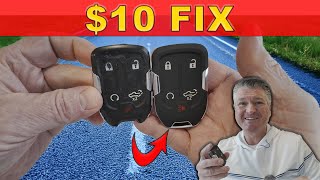
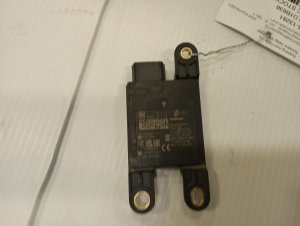
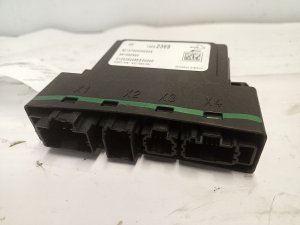
We Have This Part in Stock
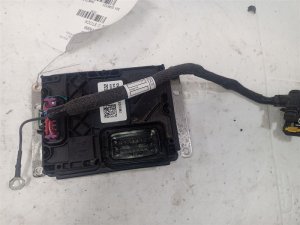
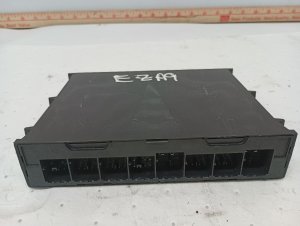
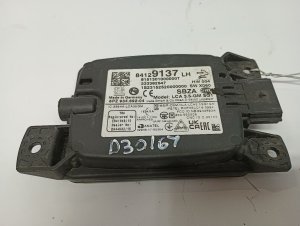

The information in this article is provided for general reference and educational purposes only. Vehicle specifications, procedures, and part compatibility can vary by production date, trim level, and region. Always consult your vehicle's factory service manual and verify part numbers before purchasing or performing repairs. Safety-critical components such as airbags, seat belts, and braking systems should be installed by a qualified professional.
- Buick ENCLAVE:
- 🧭 Diagnostic Flowchart
- 🎬 Helpful Videos
- 🛍️ Shop This Part
- What's Unique About the 2024-2025 Buick ENCLAVE
- Symptoms You May Notice
- Most Likely Causes
- Rare But Worth Checking
- Diagnosis Steps
- Parts You'll Likely Need
- Related Codes That Often Appear With This One
- Technical Service Bulletins (TSBs) & Recalls
- Platform-Specific Known Issues
- Mechanic-Grade Diagnostic Values
- Hidden / Shadow Codes Worth Checking
- Scan Tool Commands That Help
- Wiring & Ground Locations
- When the Usual Fixes Don't Work
- Model Year Variations Within This Range
- 🎟️ Get 5% Off