

B3060 on 2011-2018 Buick Regal: Causes and Fixes for No-Start & Security Light
Code B3060 on a Buick Regal means the car's security system doesn't recognize the key, causing a no-start and a security light. The most common fix is to remove any RFID-blocking items from your keychain. If that fails, you may need a new key or an immobilizer antenna, costing $150-$400.
- B3060 means your car's anti-theft system has been activated and is preventing the engine from starting.
- Before spending any money, try starting the car with the ignition key completely isolated from any other keys, fobs, or access cards.
- Using a known-good spare key is the fastest way to determine if your primary key is faulty.
- Replacing parts like the BCM or keys requires special programming tools; this is not a simple swap.
- A 30-minute security relearn procedure is a free step that can sometimes resolve the issue after a battery change or glitch.
What's Unique About the 2011-2018 Buick REGAL
For this generation of Buick Regal and other GM vehicles of the era, intermittent security issues are a well-documented problem. A GM Technical Service Bulletin (TSB) highlights that Radio Frequency Interference (RFI) is a surprisingly common cause for this code. Everyday items on a keychain, like toll passes, office access cards, or even other car keys, can disrupt the signal between the ignition key and the car's immobilizer antenna, leading to a B3060 code even when no parts have actually failed. Later versions of the TSB also warn that aftermarket electronics like LED interior lights and certain USB phone chargers can also generate enough RFI to cause this fault.
Diagnostic Flowchart
Tap your situation to follow the diagnostic path that matches what you're seeing on this vehicle.
Generation note: This range covers the end of the fifth generation (2011-2017) and the beginning of the sixth generation (2018). While the underlying cause is the same, some electronic modules and part numbers, like the Body Control Module (BCM) and immobilizer antenna, differ between these two generations. For example, the immobilizer antenna for a 2018 Regal may be part number 13580789, while earlier models use 13523275.
Symptoms You May Notice
- Engine will not crank or turn over
- Engine starts briefly and then immediately stalls
- Solid or flashing security warning light on the instrument cluster
- Message on the Driver Information Center (DIC) like "Service Theft Deterrent System"
- Replacing the starter motor. A no-crank condition caused by the security system is often mistaken for a bad starter, but the B3060 code confirms it's an anti-theft issue.
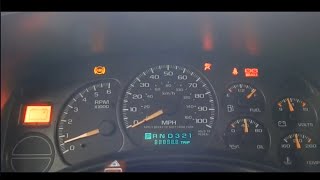
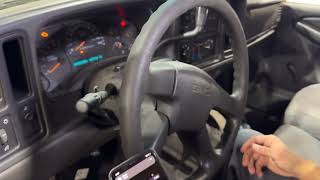
- Replacing the battery without checking the security system. While a low battery can cause various electrical issues, it will not typically set a B3060 code on its own. However, a fully charged battery is required 🎬 Watch: How to perform the security reset procedure to perform the security relearn procedure correctly.
Most Likely Causes
- Radio Frequency Interference (RFI) from other items on keychain or in-cabin electronics 🔴 High Probability As documented in multiple revisions of GM TSB PIC5650, the immobilizer system operates at a frequency (125 kHz) that is easily disrupted by other RFID-emitting devices. This includes not only other keys and access cards but also aftermarket LED lighting, USB chargers, and even decorative trim rings around the ignition.
How to confirm: Remove all other keys, fobs, and access cards from the Buick key ring. Unplug any aftermarket chargers or accessories. Try to start the vehicle with the key isolated from these other items. If it starts, RFI was the cause.
Typical fix: Keep the vehicle key on a separate ring or ensure no RFID-enabled cards or fobs are near the ignition when starting the car. Remove any low-quality aftermarket electronics that may be causing interference.
Est. part cost: $0 - Defective or Unprogrammed Ignition Key 🟡 Medium Probability → Shop Ignition Switch The transponder chip embedded in the key can be damaged from being dropped or can fail over time. Aftermarket keys that are improperly cloned or keys that have lost their programming due to electrical issues can also cause this issue.
How to confirm: Try starting the vehicle with a known-good spare key. If the spare key works consistently, the original key is faulty. A locksmith or dealer can also test the transponder chip in the key itself.
Typical fix: Replace the faulty key and have the new key professionally cut and programmed to the vehicle. In some cases, a security relearn procedure may be sufficient.
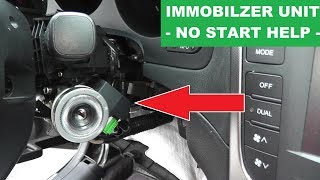
Est. part cost: $70-$250 - Faulty Immobilizer Antenna / Transceiver 🟡 Medium Probability → Shop Antenna This component, a ring around the ignition lock cylinder, is responsible for energizing and reading the key's transponder. It can fail electronically or develop a poor connection over time, preventing it from reading an otherwise good key.
How to confirm: A mechanic can use a scan tool to monitor data from the Theft Deterrent Module. If no key data is being received at all, and the keys are known to be good, the antenna is the likely suspect. The wiring to the antenna should also be inspected for damage. A simple continuity test across the antenna coil terminals 🎬 See how to test and replace the immobilizer antenna can also identify an open circuit.
Typical fix: Replace the immobilizer transceiver antenna. This part may require a security relearn procedure after installation. Part number 13523275 is a common replacement for 2011-2017 models.
Est. part cost: $40-$90 - Failing Body Control Module (BCM) ⚪ Low Probability → Shop Body Control Module The BCM is the central computer for the security system. While robust, internal electronic failure can corrupt the stored key data or prevent communication. This is a known issue on many GM vehicles from this era.
How to confirm: This is typically diagnosed by a professional after all other possibilities (keys, antenna, wiring) have been ruled out. The BCM may have other related fault codes, particularly U-codes indicating communication loss.
Typical fix: Replace the Body Control Module. The new module MUST be programmed with the vehicle's specific information and key data. This can be done by a dealer, or by sending the original BCM to a service that clones the data to a replacement unit.
Est. part cost: $250-$750
Diagnosis Steps
- Check for TSBs: Be aware of TSB PIC5650M and its later revisions regarding RFI from keychains and aftermarket electronics.
- Isolate the Key: Remove all other fobs, cards, and metal objects from the keychain. Unplug any USB chargers or other aftermarket accessories. Attempt to start the vehicle with only the Buick key present.
- Try the Spare Key: Attempt to start the vehicle with a second, known-good key. If it starts, the primary key is the issue.
- Perform a Key Relearn Procedure: A standard GM 30-minute relearn procedure can sometimes resolve communication glitches. Ensure the battery is fully charged. Turn the key to 'ON' (engine off), wait approximately 10-11 minutes until the security light stops flashing and turns off. Turn the key off for 10-30 seconds. Repeat this cycle two more times for a total of three cycles (about 30 minutes). After the third cycle, turn the key off and then try to start the engine.
- Scan Tool Diagnostics: Use a professional scan tool to view live data from the Theft Deterrent Module (TDM) or BCM to see if it is recognizing a key at all. The parameter should read 'Yes' for a valid key.
- Inspect Immobilizer Antenna: Visually inspect the wiring and connector for the immobilizer antenna ring around the ignition cylinder for any damage or looseness.
- Test the BCM: If all other components test good, the BCM is the final suspect. This step should be performed by a qualified technician who can check for power, ground, and communication signals at the BCM.
Parts You'll Likely Need
- Immobilizer Transceiver Antenna
(OEM #13523275)— This part reads the key's transponder chip. It's a common failure point that prevents the security system from identifying a valid key. This part number is for the 2011-2017 models and also fits a wide range of other GM vehicles like the Chevy Cruze, Malibu, and Verano.
Trusted brands: ACDelco, GM Genuine Parts
OEM price range: $50-$90
Aftermarket price range: $40-$70 - Ignition Key / Key Fob — The transponder chip inside the key can fail, or the key can lose its programming, directly causing the B3060 code.
Trusted brands: ACDelco, GM Genuine Parts
OEM price range: $150-$250
Aftermarket price range: $70-$150 - Body Control Module (BCM)
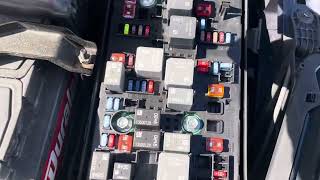
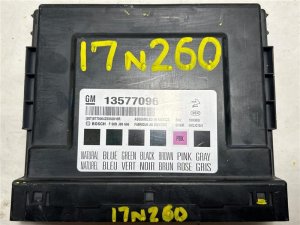
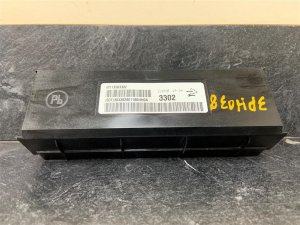
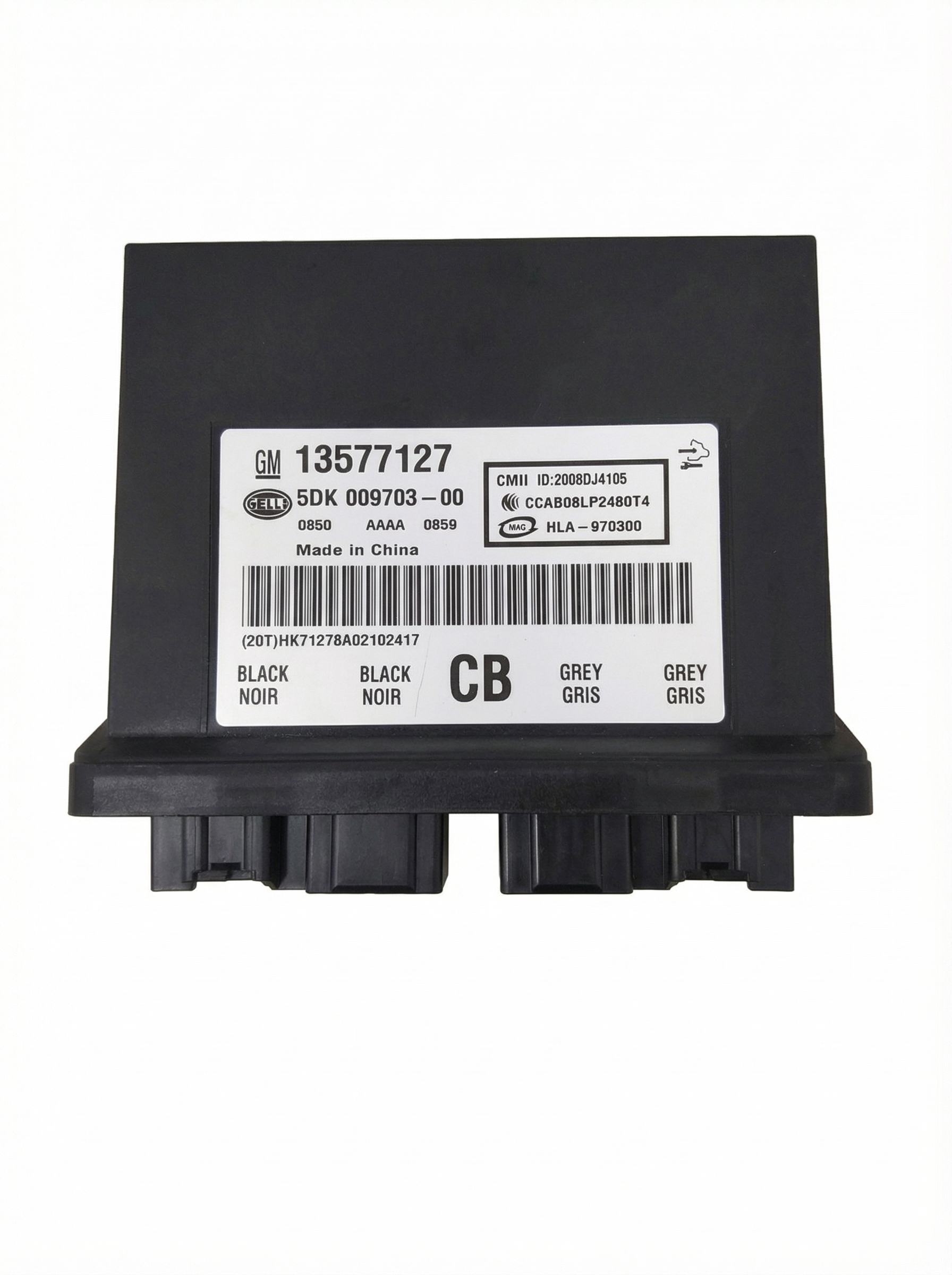
(OEM #13586856)— As the brain of the security system, a faulty BCM can cause this code if it can no longer recognize valid keys. Replacement requires professional programming. 🎬 Watch: BCM replacement and 30-minute relearn walkthrough This part number is for 2011 models and fits other GM vehicles like the LaCrosse and Equinox; later years use different numbers.
Trusted brands: ACDelco, GM Genuine Parts
OEM price range: $400-$750
Aftermarket price range: $250-$500
Related Codes That Often Appear With This One
- B3055 — This code, 'No Transponder Modulation or No Transponder,' indicates the BCM did not receive any signal from the key, often appearing alongside B3060 due to RFI or a bad antenna.
- B3935 — This code relates to 'Transponder Authentication Failed' and is part of the same family of security codes that can be triggered by key or communication errors, and is often cited in the same TSBs as B3060.
Technical Service Bulletins (TSBs) & Recalls
- PIC5650M: Mentions an intermittent no crank/no start with security light on, listing B3060 as a possible DTC. Points to RFI as a potential cause from keychain items and aftermarket electronics like LED lights and USB chargers.
- PIE0232: A GM engineering request for information on low-mileage vehicles with a no-crank/no-start, security light on, and DTCs B3055, B3060, or B3935, confirming this is a known issue being investigated at the factory level.
- PIC5650B/C: Earlier versions of the RFI TSB that list a wide array of GM vehicles, including the Regal, that are susceptible to this issue from keychain devices.
Platform-Specific Known Issues
- The "Disappearing Problem" at the Dealership: A very common owner complaint related to B3060 is that the no-start issue is intermittent and often disappears when the vehicle is brought in for service. As TSB PIC5650 points out, this is frequently because the owner removes the problematic RFID device (like an office key card) from the key ring when handing the keys to the service advisor. The technician is then unable to duplicate the concern because the source of the RFI is gone. This leads to a 'no-fault-found' diagnosis.
Mechanic-Grade Diagnostic Values
- Battery Voltage during Relearn Procedure — expected: > 12.0 Volts. Failure: A voltage below 12V may cause the 30-minute relearn procedure to fail.
- Immobilizer Antenna Coil Continuity — expected: A specific Ohm value is not typically published, but there should be continuity (not an open circuit).. Failure: An 'OL' (Over Limit) or infinite resistance reading on a multimeter indicates a broken coil inside the antenna.
Hidden / Shadow Codes Worth Checking
- B3060 00: The '00' is a symptom byte indicating 'No Sub Type Information'. This means the primary code description 'Unprogrammed Transponder Identification Code Received' is the complete fault description available. (see via A professional scan tool like the GM GDS2 will display the code with its two-digit symptom byte.)
Scan Tool Commands That Help
- GM GDS2: Immobilizer Learn / Add or Replace Key Fobs — This function is used after replacing a key, the BCM, or the immobilizer module. It guides the technician through programming new keys to the vehicle's memory.
- GM GDS2: TDM Data Display > Valid Key — When diagnosing a no-start, a technician can monitor the 'Valid Key' parameter. It should switch to 'Yes' when a known-good, programmed key is turned to the ON position. If it remains 'No', it points to a problem with the key, antenna, or wiring.
- GM GDS2: Module Diagnostics > Body Control Module > Control Functions — This allows a technician to perform bidirectional controls to test various BCM outputs (like lights, windows, etc.). While not directly for B3060, widespread failure of these functions can help confirm the BCM itself is faulty, rather than just the immobilizer circuit.
Wiring & Ground Locations
- BCM Location — Under the driver's side of the dashboard.. This is the central module for the anti-theft system. Technicians need to access its connectors to test power, ground, and communication lines when diagnosing persistent B3060 codes.
- BCM Connector X2 — One of the main multi-pin connectors on the Body Control Module.. Pin 2 on the white 26-pin connector (X2) is a primary Battery Positive Voltage feed (Circuit 2740, RD/WH wire) for the BCM on 2011-2012 models. Loss of power on this pin can cause various BCM issues, including security faults.
- G203 (Example Ground) — While specific ground locations for the 2011-2018 Regal require a dedicated wiring diagram, a common GM ground point for dash components is behind the driver or passenger kick panel (e.g., G200, G203).. A poor ground connection for the BCM can cause intermittent and difficult-to-diagnose electrical issues, including the B3060 security code. Verifying the BCM ground is clean and tight is a critical diagnostic step.
OEM Part Supersession History
13502301, 13504286→13523275— Part consolidation and design updates by the manufacturer.
Heads up: Part 13523275 is the correct immobilizer module/antenna for most 2011-2017 Buick Regals. It replaces the earlier part numbers.13501737, 13579004, 13580198, etc.→13586856— This BCM part number has a long list of preceding numbers it replaces due to hardware and software revisions.
Heads up: 13586856 is a common BCM for 2011-2012 models. Later model years may use a different BCM. It is critical to match the part number from the original module or verify with a dealer, as a mismatched BCM will not function.
Model Year Variations Within This Range
- 2011-2012: The BCM is located under the driver's side of the dash for these model years.
- 2011-2013: Vehicles in this range are supported by the GM GDS2 scan tool software, which replaced the older Tech2/Tech2Win system for diagnostics and programming.
Helpful Videos
We Have This Part in Stock

The information in this article is provided for general reference and educational purposes only. Vehicle specifications, procedures, and part compatibility can vary by production date, trim level, and region. Always consult your vehicle's factory service manual and verify part numbers before purchasing or performing repairs. Safety-critical components such as airbags, seat belts, and braking systems should be installed by a qualified professional.
- Buick REGAL:
- 🧭 Diagnostic Flowchart
- 🎬 Helpful Videos
- 🛍️ Shop This Part
- What's Unique About the 2011-2018 Buick REGAL
- Symptoms You May Notice
- Most Likely Causes
- Diagnosis Steps
- Parts You'll Likely Need
- Related Codes That Often Appear With This One
- Technical Service Bulletins (TSBs) & Recalls
- Platform-Specific Known Issues
- Mechanic-Grade Diagnostic Values
- Hidden / Shadow Codes Worth Checking
- Scan Tool Commands That Help
- Wiring & Ground Locations
- OEM Part Supersession History
- Model Year Variations Within This Range
- 🎟️ Get 5% Off