

B3060 on 2019 Buick Regal: Causes for Security Fault and No-Start
Code B3060 on a 2019 Buick Regal means the anti-theft system doesn't recognize the key, causing a no-start condition. The most common fix is performing a key relearn procedure or trying a spare key; it can also be caused by RF interference or a faulty key.
- B3060 means your Regal's anti-theft system is preventing it from starting because it doesn't recognize the key.
- Before paying for repairs, always try your spare key, replace the key fob battery, and remove other electronic fobs and chargers from your keychain to rule out RF interference.
- A common DIY fix is the 30-minute key relearn procedure, especially if the vehicle battery was recently disconnected or replaced.
- If simple fixes don't work, the issue could be a faulty key or, more rarely, the BCM, requiring professional service with GM-specific tools.
What's Unique About the 2019-2019 Buick REGAL
For the sixth-generation Buick Regal (2018-2020), which is based on the Opel Insignia and built in Germany, this code is often tied to intermittent electrical issues rather than a hard part failure. GM has issued Technical Service Bulletin #PIC5650M which covers the 2019 Regal for an intermittent no-crank or start-stall condition that sets code B3060, among others. This TSB specifically highlights the system's sensitivity to Radio Frequency Interference (RFI) from aftermarket electronics or even other fobs on the same keychain. The Pass-Key III+ (PK3+) security system used in this platform is known to be sensitive to voltage drops, which can also trigger this code.
Diagnostic Flowchart
Tap your situation to follow the diagnostic path that matches what you're seeing on this vehicle.
Symptoms You May Notice
- Engine will not crank or start
- Engine starts and immediately stalls
- Security indicator light is illuminated or flashing on the instrument cluster.
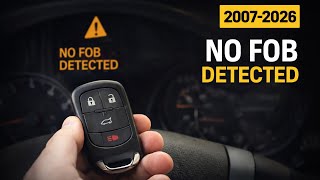
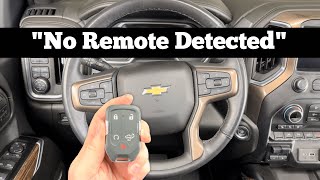
- Message on the driver information center (DIC) indicating a theft system problem, such as 'No Remote Detected'.
- Remote key fob functions (lock/unlock) may work intermittently or not at all
- Replacing the starter motor when the engine doesn't crank. The B3060 code confirms the issue is with the security system, not the starter itself.
- Replacing the fuel pump when the car starts and stalls. The start/stall symptom is a direct result of the immobilizer cutting fuel, not a faulty pump.
- Immediately replacing the BCM. This is a costly last resort and the issue is more commonly related to the key, interference, or the need for a relearn procedure.
Most Likely Causes
- Radio Frequency (RF) Interference 🔴 High Probability The immobilizer system operates at 125 kHz and can be disrupted by other electronic devices. TSB PIC5650M specifically calls this out, warning that aftermarket phone chargers, LED lights, building access cards, or other key fobs on the same keychain can cause interference.
How to confirm: Remove all other keys, fobs, and electronic devices from the keychain. Unplug any aftermarket accessories like USB chargers. Try starting the vehicle with only the single Buick key present. If it starts, RF interference was the cause.
Typical fix: Keep other keys and electronic fobs separate from the vehicle key when starting the car.
Est. part cost: $0 - Key Has Lost Programming 🟡 Medium Probability Voltage drops from a weak or recently replaced vehicle battery can cause the BCM to lose memory of the programmed keys. This is a known sensitivity on many GM platforms.
How to confirm: Try the spare key. If the spare key works, the first key is faulty or has lost its programming. If neither key works, especially after a battery replacement, a relearn procedure is needed.
Typical fix: Perform the GM 30-minute key relearn procedure. This involves cycling the ignition and leaving it 🎬 See how to perform the GM 30-minute key relearn procedure. in the 'ON' position for 10-minute intervals three times. If this fails, a locksmith or dealer must reprogram the keys using a scan tool.
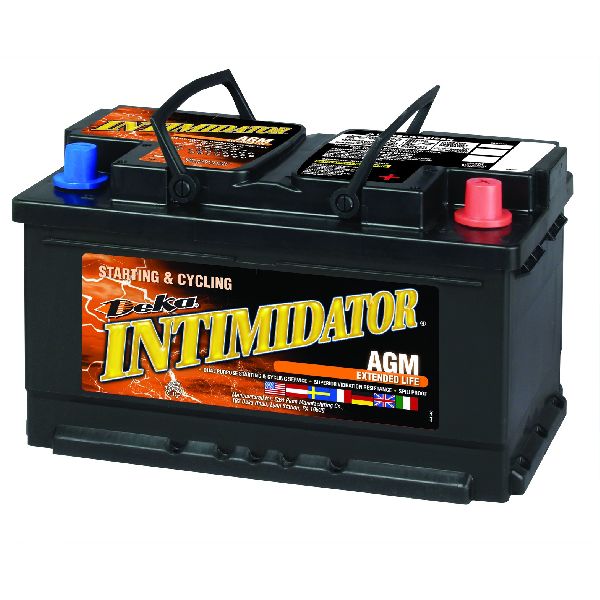
Est. part cost: $0-$150 - Faulty Key or Dead Key Fob Battery 🟡 Medium Probability → Shop Vehicle Battery
How to confirm: Try the spare key. If the spare key works reliably, the primary key is the issue. For push-to-start models, a dead fob battery can sometimes be overcome by placing the fob in a specific transmitter pocket (often in the center console or cupholder) to start the car.
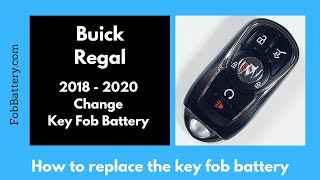
Typical fix: Replace the battery inside the key fob (typically a CR2032 coin cell 🎬 Watch: Step-by-step Buick Regal key fob battery replacement guide.). If the transponder chip itself has failed, the key must be replaced and programmed to the vehicle.
Est. part cost: $5-$400 - Weak or Failing Vehicle Battery ⚪ Low Probability → Shop Vehicle Battery
How to confirm: Test the 12V vehicle battery with a multimeter or battery tester. A reading below 12.4 volts with the engine off suggests a weak battery. Other symptoms include dimming headlights or slow engine cranking.
Typical fix: Recharge or replace the 12V vehicle battery. Note that after replacement, a key relearn procedure may be necessary.
Est. part cost: $150-$300
Rare But Worth Checking
- Faulty Ignition Lock Cylinder / Immobilizer Antenna: → Shop Ignition Switch The exciter coil (antenna) that energizes the key's transponder chip is part of the ignition lock cylinder assembly. A failure in this component or its wiring can prevent the key from being read, setting B3060 or the related B3055 code.
- Faulty Body Control Module (BCM): → Shop Body Control Module In rare cases, the BCM itself, which houses the Theft Deterrent Module (TDM), can fail. This is an expensive repair that requires dealer-level programming and is usually considered only after all other possibilities have been exhausted.
Diagnosis Steps
- Verify the security light is on or flashing when the no-start condition occurs.
- Isolate the key: Remove all other keys, fobs, access cards, and aftermarket electronics (like phone chargers) from the keychain and cabin. Attempt to start the vehicle.
- Try starting the vehicle with a known-good spare key. If it starts, the issue is with the primary key (battery or internal fault).
- If you have a push-button start, try replacing the battery in the key fob (usually a CR2032). If the battery is dead, try placing the fob in the vehicle's transmitter pocket (check owner's manual for location) to start the car.
- Check the vehicle's main 12V battery. Ensure it is fully charged and has a stable voltage (above 12.4V). A weak battery can cause communication glitches and prevent relearn procedures from completing.
- Attempt the 30-minute key relearn procedure. Turn the key to ON for 10 minutes until the security light goes out, turn OFF for 5-10 seconds, and repeat this sequence a total of three times.
- If the problem persists, the vehicle will need professional diagnosis with a scan tool (like a GM GDS2) that can read BCM data to inspect the immobilizer system, check for a 'Valid Key' parameter, and test the wiring, immobilizer antenna (exciter coil), and the BCM itself.
Parts You'll Likely Need
- Key Fob Battery
(OEM #CR2032)— A dead or weak battery in the key fob is a simple and common cause for communication failure.
Trusted brands: Energizer, Duracell, Panasonic
OEM price range: $5-$15
Aftermarket price range: $2-$10 - Replacement Key Fob (Smart Key)
(OEM #13532391 / 13506667 (Verify by VIN))— If the internal transponder chip in the key has failed, the entire key fob must be replaced and programmed.
Trusted brands: ACDelco (GM Genuine)
OEM price range: $150-$300
Aftermarket price range: $50-$150 - Body Control Module (BCM)
(OEM #13518368 (Verify by VIN))— In rare cases where the BCM's internal Theft Deterrent Module has failed, the entire BCM must be replaced. This is a last resort and requires professional programming.
Trusted brands: ACDelco (GM Genuine)
OEM price range: $400-$700
Aftermarket price range: $250-$500
Related Codes That Often Appear With This One
- B3055 — This code means 'No Transponder Modulation or No Transponder' and is often set with B3060 when there is a key communication issue, such as a faulty key or a bad immobilizer antenna.
- B3935 — This code for 'Transponder Authentication Error' indicates a failure in the security handshake between the key and the vehicle, and is also mentioned in TSB PIC5650M along with B3060.
Technical Service Bulletins (TSBs) & Recalls
- PIC5650M: Addresses an intermittent no crank, no start, or start stall concern with the security light coming on and DTCs B3055, B3060, B3935, and others possibly set. It emphasizes checking for RF interference as a primary diagnostic step.
Platform-Specific Known Issues
- Per TSB #PIC5650M, the 2019 Regal can experience an intermittent no-crank, no-start, or start-stall condition with the security light on, which may set code B3060. The bulletin strongly advises checking for Radio Frequency Interference before replacing any components.
- The 2018-2020 Regal, being an Opel-designed vehicle, may exhibit unique electrical sensitivities compared to other domestic GM products, though it shares the core GM anti-theft logic.
Mechanic-Grade Diagnostic Values
- Scan Tool 'TDM Valid Key' Parameter — expected: 'Yes'. Failure: Reads 'No' when a key is in the ignition and turned to ON, indicating the key is unprogrammed, faulty, or not being read.
- Immobilizer Antenna (Exciter Coil) Resistance — expected: Continuity should be present between the connector pins. A specific Ohm value is not typically published for diagnosis.. Failure: An open circuit (infinite resistance) reading on a multimeter indicates a failed coil.
- BCM Ground Circuit Resistance — expected: Less than 0.5 Ohms between the BCM ground pin and a clean chassis ground.. Failure: Higher resistance indicates a poor ground connection, which can cause erratic module behavior.
- Immobilizer System Operating Frequency — expected: 125 kHz. Failure: This value is for reference; the failure is disruption from other devices (phone chargers, toll passes, LED lights) operating near this frequency, as noted in TSB PIC5650M.
Hidden / Shadow Codes Worth Checking
- B3060 00: The '00' is a standard GM symptom byte for 'No Sub Type Information'. It signifies that the base DTC (B3060) contains the complete description of the fault and no further detail is available from the code itself. (see via GM GDS2 or other professional scan tools capable of reading manufacturer-specific symptom bytes.)
Scan Tool Commands That Help
- GM GDS2: Immobilizer Data Display — Navigate to Module Diagnostics > BCM (or TDM) > Data Display. Use this to monitor live data parameters like 'TDM Valid Key' to see in real-time if the module recognizes the key as valid.
- GM GDS2 / SPS: Immobilizer Learn / Add or Replace Key Fobs — This function is required after replacing the BCM or adding new keys. It guides the technician through the process of programming the transponder codes into the vehicle's memory. This requires a subscription to GM's Service Programming System (SPS).
- GM GDS2 / SPS: BCM Programming and Setup — When replacing the Body Control Module, the new module must be programmed with the vehicle's VIN and specific configuration using SPS. After programming, setup functions within GDS2, like the VTD (Vehicle Theft Deterrent) relearn, must be performed.
Wiring & Ground Locations
- Body Control Module (BCM) — On similar GM platforms like the Buick Envision and Chevy Traverse, the BCM is located in the center console, accessible from the passenger footwell by removing the side console trim panel.. The BCM houses the Theft Deterrent Module (TDM) logic. All key signals, antenna wiring, and communication with the ECM run through this module. A bad connection or faulty module is a potential cause.
- BCM Ground Connection — While the specific ground point for the Regal (e.g., G218, G304) requires a factory manual, a critical step is to check the BCM's ground wire pin at its connector for low resistance to the chassis. A poor ground causes unpredictable electronic behavior.. Insufficient ground can cause voltage drops and data corruption within the BCM, leading it to lose key memory or fail to communicate properly, triggering a B3060.
- Immobilizer Antenna (Exciter Coil) — This is a ring-shaped antenna located around the ignition lock cylinder (for keyed ignition) or integrated into the center console/push-start button assembly (for keyless start).. This antenna powers the key's transponder and receives its signal. A break in its wiring or an internal failure will cause a B3055 and/or B3060 because the key's code is never received by the BCM.
"I Checked Everything" — The Actual Cause
- Per GM TSB PIC5650M, a common scenario is an intermittent no-start with B3060 where all components (key, BCM, antenna) test good. The actual cause is often transient Radio Frequency Interference (RFI) from aftermarket devices like USB chargers, LED lights, or even non-vehicle RFID cards on the keychain. The problem disappears when the source of interference is removed, leading to a 'no fault found' diagnosis if the technician is not aware of this issue.
Helpful Videos
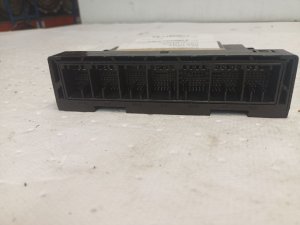
Used OEM Parts in Stock
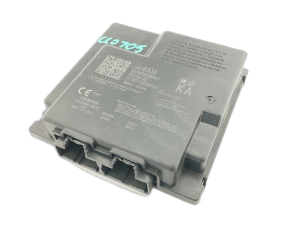
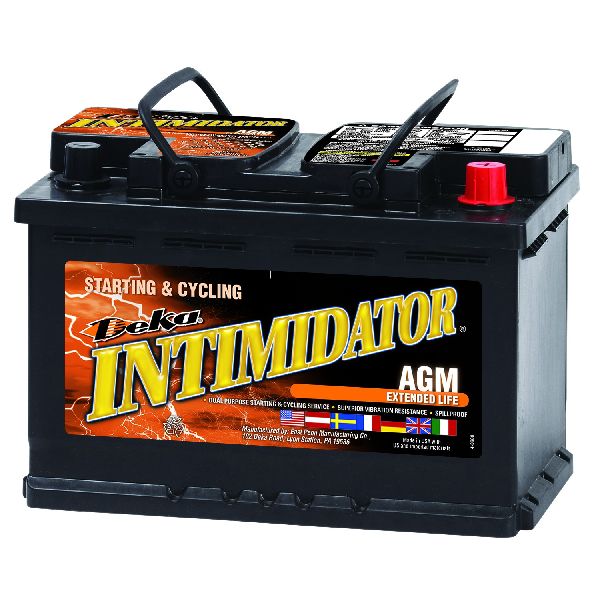
New Aftermarket Parts Available


The information in this article is provided for general reference and educational purposes only. Vehicle specifications, procedures, and part compatibility can vary by production date, trim level, and region. Always consult your vehicle's factory service manual and verify part numbers before purchasing or performing repairs. Safety-critical components such as airbags, seat belts, and braking systems should be installed by a qualified professional.
- Buick REGAL:
- 🧭 Diagnostic Flowchart
- 🎬 Helpful Videos
- 🛍️ Shop This Part
- What's Unique About the 2019-2019 Buick REGAL
- Symptoms You May Notice
- Most Likely Causes
- Rare But Worth Checking
- Diagnosis Steps
- Parts You'll Likely Need
- Related Codes That Often Appear With This One
- Technical Service Bulletins (TSBs) & Recalls
- Platform-Specific Known Issues
- Mechanic-Grade Diagnostic Values
- Hidden / Shadow Codes Worth Checking
- Scan Tool Commands That Help
- Wiring & Ground Locations
- "I Checked Everything" — The Actual Cause
- 🎟️ Get 5% Off