

B3060 on 2007 Buick Rendezvous: Security Light, No-Start Causes and Fixes
On a 2007 Buick Rendezvous, code B3060 almost always indicates a problem with the Pass-Key III (PK3) anti-theft system, causing a no-start. The most common fixes are trying a spare key, performing a 30-minute key relearn procedure, or replacing a faulty ignition lock cylinder. A new key costs ~$50 plus programming, while a lock cylinder is ~$150 for the part.
- B3060 means your Buick's anti-theft system doesn't recognize the key and has disabled the engine.
- Before spending money, try your spare key and perform the 30-minute key relearn procedure; these steps fix the issue a significant amount of the time.
- Remove all other electronic fobs or cards from your keychain to rule out signal interference.
- If simple fixes don't work, the most likely failed part is the ignition lock cylinder which contains the key reader.
- Any replacement key or security module will require professional programming to work with your vehicle.
What's Unique About the 2007-2007 Buick RENDEZVOUS
The 2007 Rendezvous uses GM's Pass-Key III (PK3) immobilizer system. This system is known for issues related to the ignition lock cylinder, where the small wires for the key reader coil (exciter coil) can break from the repeated stress of turning the key. While the code's meaning is common across GM, the Rendezvous and its platform mates (like the Pontiac Aztek and Chevrolet Venture) are particularly prone to this specific mechanical failure point within the steering column, often making the lock cylinder itself the primary suspect over the key or computer modules.
Diagnostic Flowchart
Tap your situation to follow the diagnostic path that matches what you're seeing on this vehicle.
Symptoms You May Notice
- Engine will not crank or start
- Engine starts briefly then immediately stalls
- Security light is illuminated or flashing on the dashboard
- A 'Start disabled due to theft' message may appear on the Driver Information Center (DIC)
- Replacing the battery or starter motor. While these can cause a no-start, they will not typically set a B3060 code or illuminate the security light.
- Replacing the fuel pump. The security system may cut fuel, but the root cause is not the pump itself. The B3060 code points specifically to the anti-theft system.
Most Likely Causes
- Faulty or Damaged Ignition Key 🔴 High Probability → Shop Ignition Switch The transponder chip embedded in the key head can be damaged from being dropped or can fail electronically over time. The key itself can also become worn, causing poor contact.
How to confirm: The easiest way to confirm is to try starting the vehicle with a spare key. If the spare key works, the original key is faulty. A key tester can also confirm if the transponder chip is dead.
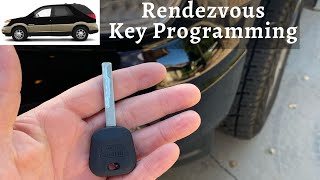
Typical fix: Replace the faulty key. A new key must be cut and then programmed to the vehicle using a specific procedure or a scan tool. 🎬 Watch: How to program a new transponder key yourself.
Est. part cost: $40-$80 - Key Has Lost Programming / Communication Glitch 🟡 Medium Probability Temporary glitches in the Body Control Module (BCM) can cause it to lose synchronization with an otherwise valid key, especially after a battery replacement or jump-start.
How to confirm: Attempt the 30-minute key relearn procedure. If the procedure works and the car starts, this was the cause.
Typical fix: Perform the 30-minute key relearn procedure: 1) Turn the key to ON (not start) and wait for the security light to go out (approx. 10 mins). 2) Turn the key OFF for 5-10 seconds. 3) Repeat steps 1 & 2 two more times for a total of 3 cycles / 30 minutes. On the fourth attempt, the car should start. 🎬 See a demonstration of the 30-minute security relearn procedure. A battery charger is recommended during this process.
Est. part cost: $0 - Faulty Ignition Lock Cylinder / Reader Coil 🟡 Medium Probability → Shop Ignition Switch The exciter coil (antenna) that reads the key's transponder is part of the ignition lock cylinder. The thin wires leading to this coil are a known weak point and can break from the rotational stress of turning the key over many years.
How to confirm: If neither the spare key nor the relearn procedure works, the lock cylinder is the next logical suspect. A technician can test for continuity and signal from the coil's wires at the base of the steering column. A common failure is difficulty inserting or turning the key.
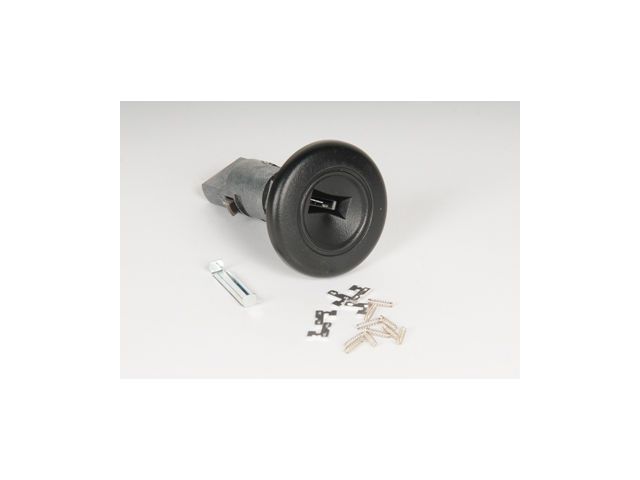
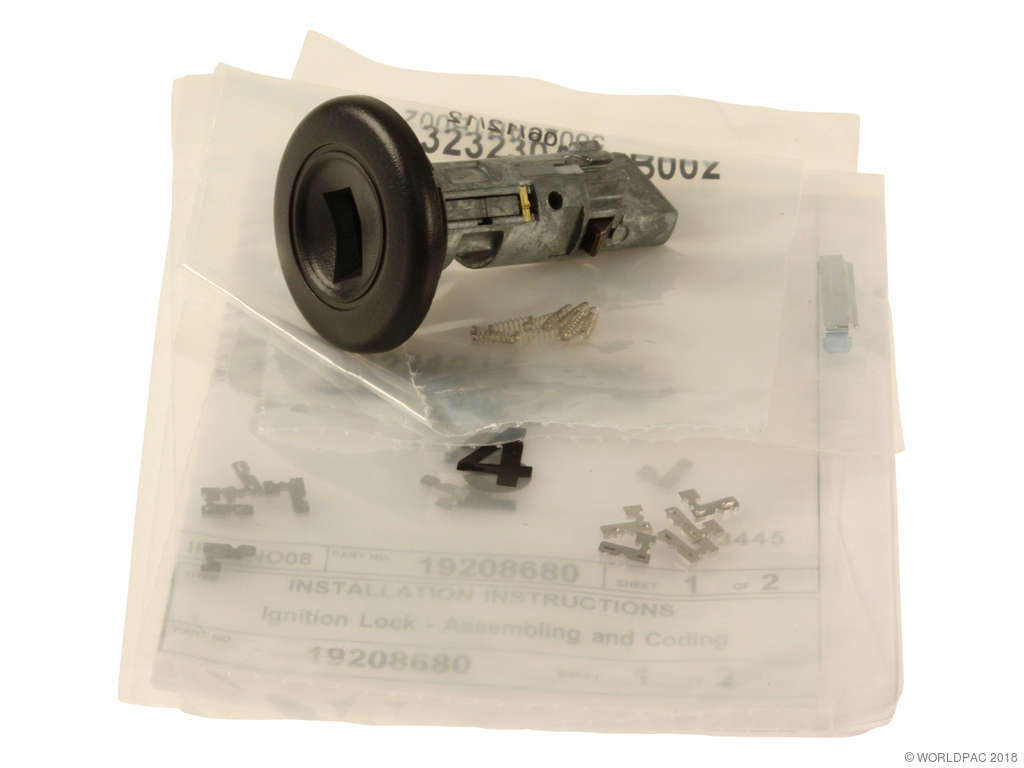
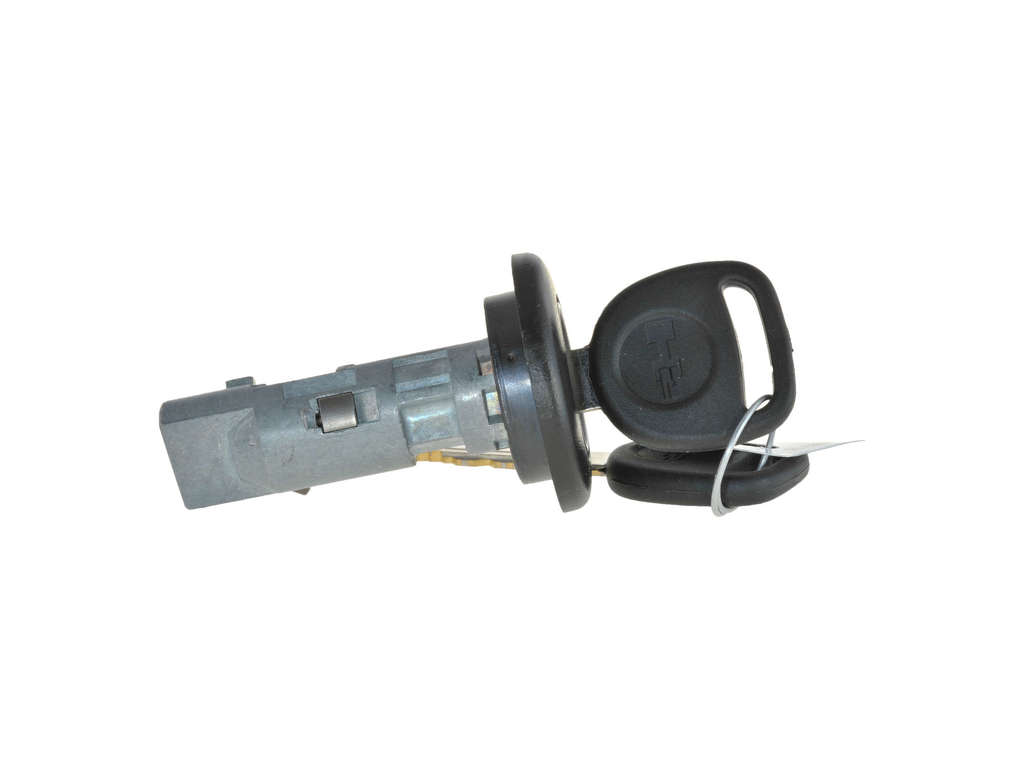
Typical fix: Replace the ignition lock cylinder. This part often comes with a new reader coil assembly. The new cylinder can be coded to use the original key, avoiding a relearn procedure. Common part numbers include ACDelco D1432D and Dorman 924-719. 🎬 Watch this step-by-step guide on replacing the ignition lock cylinder.
Est. part cost: $100-$200 - Radio Frequency Interference (RFI) ⚪ Low Probability The Pass-Key system operates at a low frequency (125 kHz) and can be easily jammed by other electronic devices, such as other key fobs, workplace ID cards, or even some phone chargers.
How to confirm: Remove all other keys, fobs, and RFID cards (like office access cards) from the keychain. Try to start the car with only the single ignition key. If it starts, RFI was the issue. This is specifically mentioned in GM TSB PIC5650.
Typical fix: Keep other RFID-enabled devices separate from the ignition key when starting the vehicle.
Est. part cost: $0
Rare But Worth Checking
- Faulty Body Control Module (BCM): → Shop Body Control Module While rare, the BCM itself can fail. This is usually the last part to suspect after all other causes (key, relearn, lock cylinder, wiring) have been ruled out. Replacement requires professional programming to match the vehicle.
- Wiring or Connector Issue: A poor connection at the BCM or a damaged wire between the ignition lock cylinder and the BCM can cause an intermittent B3060. This can be caused by corrosion on connector pins or a chafed wire inside the steering column.
Diagnosis Steps
- Check for Radio Frequency Interference (RFI): Remove all other keys, fobs, and cards from your keychain and try to start the vehicle with only the ignition key.
- Try the Spare Key: Attempt to start the vehicle with a known good spare key. If it starts, the primary key is the issue.
- Inspect the Security Light: Turn the key to the 'ON' position. Observe if the security light is on solid or flashing. This confirms the anti-theft system is active.
- Attempt the 30-Minute Relearn Procedure: Follow the 3x10 minute key cycling procedure to try and resynchronize the key and BCM. Ensure a battery charger is connected if possible.
- Inspect Wiring: If comfortable, visually inspect the wiring harness at the base of the steering column for any obvious damage or loose connectors.
- Professional Diagnosis: If the above steps fail, the vehicle should be taken to a qualified technician. They will use a scan tool to read live data from the BCM/TDM and test the continuity of the ignition lock cylinder's reader coil to pinpoint the faulty component.
Parts You'll Likely Need
- Ignition Key with Transponder
(OEM #GM P/N: 10335233 (PK3))— The chip inside the original key may have failed. This is a common starting point for the repair.
Trusted brands: ACDelco, Strattec
OEM price range: $50-$80
Aftermarket price range: $25-$50 - Ignition Lock Cylinder
(OEM #ACDelco D1432D (Switch) or Dorman 924-719 (Cylinder w/ Passlock))— This component houses the reader coil (antenna) that communicates with the key. The internal wiring is a common failure point that causes this code.
Trusted brands: ACDelco, Dorman, Standard Motor Products
OEM price range: $150-$250
Aftermarket price range: $75-$150
Related Codes That Often Appear With This One
- B3055 — This code means 'No Transponder Modulation,' indicating the system received no signal from the key at all. It often appears with B3060 and points strongly to a failed key or a broken reader coil in the ignition cylinder.
- B3935 — This code means 'Transponder Authentication Failed.' It can be set alongside B3060 when the key's signal is received but rejected as invalid.
Technical Service Bulletins (TSBs) & Recalls
- PIC5650M: Addresses an intermittent no crank, no start, or start/stall concern with the security light on, specifically mentioning codes B3055, B3060, and B3935 among others. Later versions of this bulletin (e.g., PIC5650K) heavily emphasize checking for Radio Frequency Interference (RFI) from aftermarket devices as a primary cause before replacing parts.
Platform-Specific Known Issues
- Common GM U-Platform Issue: The B3060 code and its related no-start symptom is a very common problem across the GM U-body platform vehicles, which all share similar Pass-Key III anti-theft hardware. Owners on forums for the Pontiac Aztek, Chevrolet Venture, and Oldsmobile Silhouette report the exact same failure patterns and repair procedures.
- Owner Experience: Security Light On, No Start: A user on Car Talk Community with a 2000 Chevy Venture (a platform mate) described the security light coming on intermittently, followed by a no-start condition that required a jump, indicating a potential link between battery voltage and the security system's stability.
- Repair Video for Lock Cylinder: A YouTube video by 'Standard Brand' demonstrates the process of replacing the ignition lock cylinder on a mid-2000s Buick. It highlights the PK3 system, the module on the steering column, and explains that if you reuse the original key by re-coding the new cylinder, no relearn procedure is necessary.
Hidden / Shadow Codes Worth Checking
- B3060 00: No Sub Type Information. This is the most common variant and simply means the BCM received a signal from a key transponder that is not programmed to the vehicle. (see via GM GDS2 or other professional scan tools capable of reading manufacturer-specific symptom bytes.)
- B3060 5A: Incorrect Transponder Identification Code Received. This variant is more specific, confirming the BCM received a complete code from the key, but the code does not match any of the authorized keys stored in memory. This helps differentiate from a no-signal error (B3055). (see via GM GDS2 (Global Diagnostic System 2) or Tech2 software.)
Scan Tool Commands That Help
- GM Tech2 / GDS2: Immobilizer Data Display — Use this function to monitor the 'Valid Key' or similar parameter in the BCM/TDM live data. When testing keys, this should switch to 'Yes' for a known-good, programmed key, and 'No' for an unprogrammed or faulty key. This provides definitive confirmation of whether the module is recognizing the key's signal.
- GM Tech2 / GDS2: Program Key(s) — This is a service function used after replacing a key or the BCM. It initiates the key learning process electronically, which is much faster (typically under 10 minutes) than the manual 30-minute procedure and provides on-screen confirmation of success or failure.
Wiring & Ground Locations
- Body Control Module (BCM) — Located in the center console, above the fuse block.. The BCM houses the Theft Deterrent Module (TDM) logic for the Pass-Key III system. All signals from the key's transponder are processed here. A bad connection at the BCM is a possible cause of the code.
- Theft Deterrent Control Module — On the 2007 Rendezvous, this is integrated into the BCM, but its input comes from the reader/exciter coil located in the steering column at the ignition switch.. The wiring from the reader coil to the BCM is a critical failure point. These wires are typically two small white wires in an orange or black sheath running down the steering column.
- G201 — A ground point located on the left side of the dash, on the underside of the cross-car beam.. Poor grounds can cause intermittent and difficult-to-diagnose electrical issues in modules like the BCM. A GM service bulletin warns that removing a BCM ground while the battery is connected can damage the module.
- Splice Pack SP205 — Located on the left side of the dash behind an access panel.. This splice pack connects various Class 2 Serial Data lines. A fault within this pack could disrupt communication between the BCM, PCM, and Instrument Panel Cluster (IPC), potentially causing security system errors.
Real Owner Repair Stories
- YouTube user 'Mohamed eleissawi' (2006 Buick Rendezvous) — Security light on, car will not start. Customer was told they needed a new Body Control Module (BCM).
❌ Tried (didn't work) The owner was preparing to replace the BCM, which would have been an expensive and incorrect repair.
✅ What actually fixed it The technician used a key tester and found the original PK3 key's transponder chip was dead (not transmitting any data). A new key was cut and programmed, which resolved the no-start condition completely. - Chevy HHR Network Forum (2007 Chevrolet HHR (Uses similar PassKey III system)) — Security light stays on constantly, car will not start. The 30-minute relearn procedure fails (the security light never turns off after 10 minutes).
❌ Tried (didn't work) 30-minute manual key relearn procedure., Disconnecting the battery to reset the computer.
✅ What actually fixed it The issue was caused by damaged wiring to the ignition switch and a destroyed transponder pickup coil from an attempted theft. After repairing the wires with butt connectors and replacing the pickup coil, the manual relearn still failed. The forum moderator noted that using splice connectors could have added resistance to the circuit, causing the failure. The ultimate solution requires a Tech2 scan tool to properly program the new module/key information, as the manual relearn is insufficient when components are replaced.
OEM Part Supersession History
GM 12458191→GM 25832354— Part number consolidation and potential minor design updates for the ignition lock cylinder assembly.
Heads up: Aftermarket parts like Dorman 924-719 are designed to be a direct replacement for these OEM numbers.
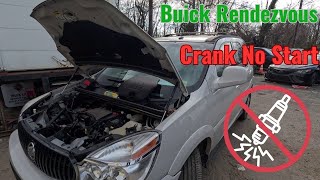
Helpful Videos
We Have This Part in Stock


The information in this article is provided for general reference and educational purposes only. Vehicle specifications, procedures, and part compatibility can vary by production date, trim level, and region. Always consult your vehicle's factory service manual and verify part numbers before purchasing or performing repairs. Safety-critical components such as airbags, seat belts, and braking systems should be installed by a qualified professional.
- Buick RENDEZVOUS:
- 🧭 Diagnostic Flowchart
- 🎬 Helpful Videos
- 🛍️ Shop This Part
- What's Unique About the 2007-2007 Buick RENDEZVOUS
- Symptoms You May Notice
- Most Likely Causes
- Rare But Worth Checking
- Diagnosis Steps
- Parts You'll Likely Need
- Related Codes That Often Appear With This One
- Technical Service Bulletins (TSBs) & Recalls
- Platform-Specific Known Issues
- Hidden / Shadow Codes Worth Checking
- Scan Tool Commands That Help
- Wiring & Ground Locations
- Real Owner Repair Stories
- OEM Part Supersession History
- 🎟️ Get 5% Off