

B3060 on 2013-2018 Cadillac ATS: Uncoded Key, No-Start Causes and Fixes
Code B3060 on a Cadillac ATS means the car's security system doesn't recognize the key, causing a no-start or stall. The most common fixes are removing other electronic fobs and devices from your keychain, trying a spare key, or having a dealer reprogram the key. A DIY 30-minute relearn procedure is also possible if all keys are lost.
- B3060 means your Cadillac ATS doesn't recognize your key, which prevents the engine from starting.
- Before spending any money, try starting the car with the key fob isolated from any other keys or electronic cards to rule out radio frequency interference.
- If interference isn't the issue, try your spare key. If the spare works, your primary key is likely faulty and needs replacement.
- Fixing this code almost always involves key programming, which typically requires a visit to a dealer or a well-equipped automotive locksmith.
What's Unique About the 2013-2018 Cadillac ATS
The Cadillac ATS uses a sophisticated Passive Entry Passive Start (PEPS) system. This code is often triggered not by a faulty part, but by radio frequency (RF) interference from other devices, which can be on the same keychain or elsewhere in the vehicle. GM issued a technical service bulletin (PIC5650 series) highlighting this specific issue, noting the immobilizer system is sensitive to external RF signals from aftermarket phone chargers, LED lights, and building access cards, not just other key fobs. This can lead to an intermittent no-start that is difficult for technicians to replicate.
Diagnostic Flowchart
Tap your situation to follow the diagnostic path that matches what you're seeing on this vehicle.
Symptoms You May Notice
- Engine will not crank or start
- Engine starts and then immediately stalls
- Security indicator light is illuminated or flashing on the instrument cluster
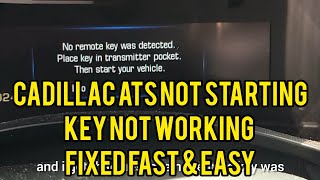
- "No Fob Detected" or similar message on the Driver Information Center (DIC)
- Gear shifter may be locked up.
- Multiple, seemingly unrelated warning lights appearing on the dashboard simultaneously.
- Replacing the starter motor when the engine doesn't crank.
- Replacing the battery without checking the security system status or terminal connections.
- Replacing the Engine Control Module (ECM) when the issue is with the immobilizer system.
Most Likely Causes
- Radio Frequency (RF) Interference 🔴 High Probability As noted in GM TSB PIC5650M, the immobilizer system is highly sensitive to other electronic devices. This includes not only other key fobs but also aftermarket phone chargers, dash cams, LED lighting, and building RFID cards.
How to confirm: Remove all other key fobs, access cards, and electronic devices from the keychain. Unplug any aftermarket accessories from the vehicle's power outlets. Try to start the vehicle with the isolated key. If it starts, interference was the cause.
Typical fix: Keep the vehicle key separate from other RF-emitting devices and remove non-essential aftermarket electronics.
Est. part cost: $0 - Unprogrammed or New Key 🟡 Medium Probability
How to confirm: This code will appear immediately if you attempt to start the car with a newly cut key that has not been electronically programmed to the vehicle.
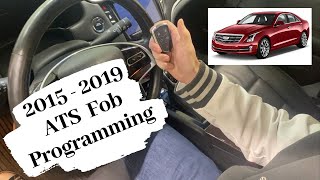
Typical fix: The key must be programmed. This can be done by a locksmith/dealer, or via a DIY 'All Keys Lost' procedure if you have a cut key blade. The DIY method takes approximately 30 minutes and involves a sequence of turning the key in the door lock and pressing the start button. 🎬 See this step-by-step guide for programming a new smart key.
Est. part cost: $0 (if relearn is DIY), $50-$150 (for locksmith/dealer programming) - Weak or Defective Key Fob 🟡 Medium Probability → Shop Keyless Entry Transmitter
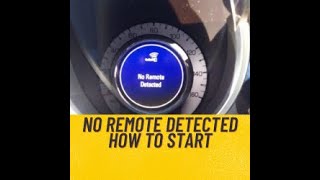
How to confirm: First, replace the CR2032 battery in the key fob. If that fails, try starting the car using the backup method described in the owner's manual (placing the fob in the transmitter pocket, usually inside the center console). 🎬 Watch: How to start your Cadillac when no remote is detected. If the car starts this way, the fob's transmitter is weak or faulty. Try the spare key; if it works normally, the primary key is defective.
Typical fix: Replace the faulty key fob and program the new one to the vehicle.
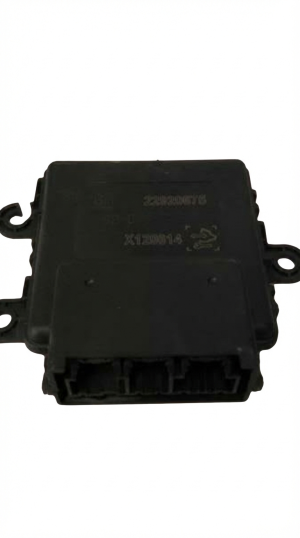
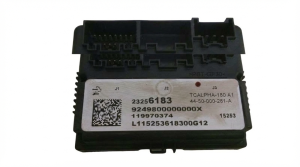
Est. part cost: $100-$350 - Faulty Theft Deterrent Module (TDM) or Body Control Module (BCM) ⚪ Low Probability → Shop Anti-Theft Control Module
How to confirm: If all keys fail to start the vehicle, even after attempting a relearn procedure and ruling out RF interference, the TDM/BCM itself may be faulty. This requires advanced diagnostics with a GM-specific scan tool to check for communication errors. Some owners report flickering dash lights and multiple system warnings as precursors to BCM failure.
Typical fix: Replace the faulty module and program the new one. Some third-party services offer 'cloning' of your original BCM data to a replacement unit, avoiding expensive dealer programming.
Est. part cost: $250-$600
Rare But Worth Checking
- Wiring Harness Issue: A damaged or corroded wire between the immobilizer antenna (around the ignition or start button) and the TDM/BCM can cause intermittent signal loss, triggering B3060. This is rare but should be checked if all modules and keys seem to be functional. This can sometimes occur after an accident or previous repair work near the fuse box or battery.
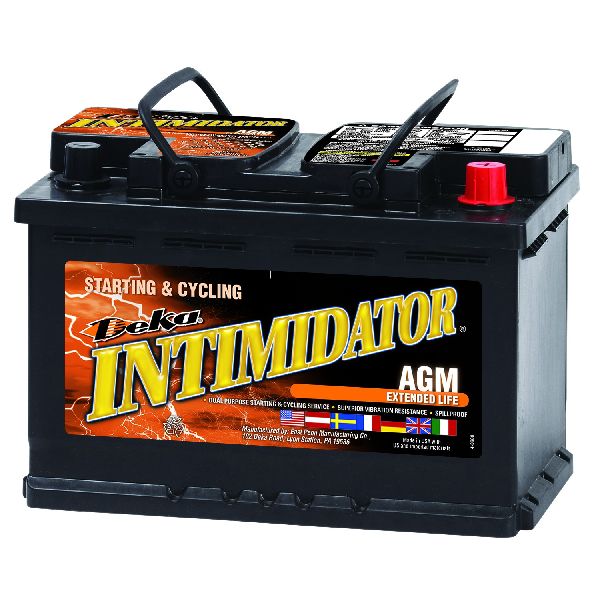
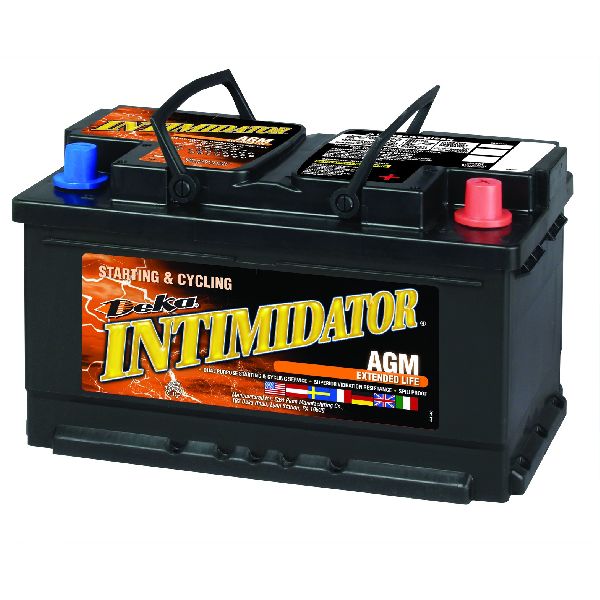
- Loose or Corroded Battery Terminals: → Shop Vehicle Battery A poor main power connection at the battery can cause widespread electronic issues, including no-crank conditions and communication faults between modules that can be misdiagnosed as an immobilizer problem.
Diagnosis Steps
- Check the dashboard for an illuminated security light. This confirms an immobilizer issue.
- Remove all other keys, fobs, and electronic cards from your keychain. Unplug any aftermarket chargers or devices. Try starting the vehicle again.
- If the no-start condition persists, try using a spare key. If the spare key works, the first key is faulty.
- If you have a push-to-start model, try placing the key fob in the designated transmitter pocket (check owner's manual for location, usually in the center console) and attempt to start. This bypasses a weak fob battery.
- Scan the vehicle for other trouble codes, paying close attention to any codes in the BCM or TDM, such as B3055 or B3935.
- If a new key is being used or all keys are unrecognized, attempt the 'All Keys Lost' relearn procedure: 1. Get the physical key blade cut to match your vehicle. 2. Insert the key into the driver's door lock cylinder. 3. Turn the key to the unlock position 5 times within 10 seconds. The Driver Information Center (DIC) should display 'REMOTE LEARN PENDING, PLEASE WAIT'. 4. Wait for 10 minutes. The DIC will then display 'PRESS ENGINE START BUTTON TO LEARN'. Press the START/STOP button. 5. The DIC will again show 'REMOTE LEARN PENDING'. Wait another 10 minutes. 6. Repeat the 'wait 10 minutes and press start' step one more time (for a total of 3 cycles and 30 minutes). 7. The DIC should now show 'READY FOR REMOTE #1'. Place the new fob in the transmitter pocket and press the START/STOP button. 8. When learned, remove the fob and press the unlock button. To exit programming, press and hold the START/STOP button for 12 seconds.
- If all else fails, the vehicle should be taken to a qualified technician to diagnose the Theft Deterrent Module/BCM and associated wiring.
Parts You'll Likely Need
- Key Fob Battery
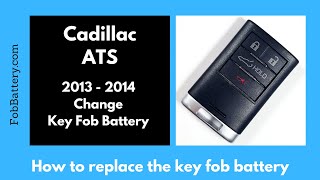
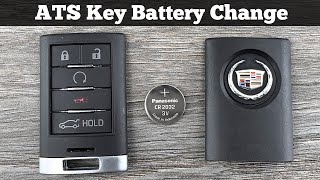
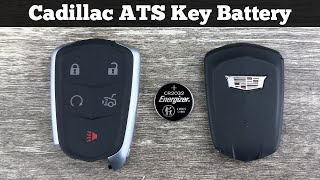
(OEM #CR2032)— A weak battery in the key fob is a common cause for intermittent detection issues, though it usually sets other codes, it's the cheapest and easiest first step. 🎬 Watch: How to replace the battery in your 2015-2019 key fob.
Trusted brands: Energizer, Duracell, Panasonic
OEM price range: $5-$10
Aftermarket price range: $2-$8 - Keyless Entry Transmitter (Key Fob)
(OEM #Varies by options. Common PNs: 22856929 (4-button), 22856930 (5-button w/ remote start). FCC IDs: HYQ2AB, HYQ2EB.)— If the internal transponder chip in the key fails, the key itself must be replaced and programmed.
Trusted brands: ACDelco, Standard Motor Products, Strattec
OEM price range: $150-$300
Aftermarket price range: $70-$150 - Body Control Module (BCM)
(OEM #Varies by year/options. Ex: 13587700 (2013-14), 13589093 (2013), 13594764 (2015-16).)— In rare cases where all keys fail and RF interference is ruled out, the module that reads the keys may have failed and will require replacement and programming.
Trusted brands: ACDelco
OEM price range: $250-$400
Aftermarket price range: $150-$300 - Immobilizer Control Module
(OEM #13500158 (2014-2018).)— This module works with the BCM to authenticate the key. If it fails, it can cause this code and requires programming upon replacement.
Trusted brands: ACDelco
OEM price range: $75-$150
Aftermarket price range: $50-$100
Related Codes That Often Appear With This One
- B3055 — This code means 'No Transponder Modulation or No Transponder'. It often appears with B3060 because the system either can't detect a key at all (B3055) or detects one it doesn't recognize (B3060). Both are closely related immobilizer faults often caused by RF interference.
- B3935 — This code relates to 'Transponder Authentication Failed'. It indicates the 'handshake' process between the key and the car failed. This can happen for the same reasons as B3060, such as RF interference or a faulty key.
Technical Service Bulletins (TSBs) & Recalls
- PIC5650M: Addresses intermittent no crank, no start, or start stall concerns with security light on, potentially with DTCs B3055, B3060, B3935. It strongly emphasizes diagnosing Radio Frequency Interference (RFI) from aftermarket accessories before replacing any modules or keys. [14, 20, ⭐ MANUFACTURER TSB — highest authority]
Platform-Specific Known Issues
- Per TSB #PIC5650M, an intermittent no-crank or start-stall with the security light on may be caused by RF interference from aftermarket devices like phone chargers or LED lights, and technicians are advised not to replace parts unless the concern can be duplicated after removing potential interference sources. [14, ⭐ MANUFACTURER TSB #PIC5650M]
Scan Tool Commands That Help
- GDS2 (GM Global Diagnostic System 2): Module Diagnostics -> Remote Control Door Lock Receiver -> Configure/Reset Functions -> Add/Replace Key Fobs — This is the dealer-level procedure for programming new or additional key fobs to the vehicle. It is required after replacing a key fob or if the vehicle has lost the programming for existing keys.
- GDS2 (GM Global Diagnostic System 2): Theft Deterrent Module -> Programming/Setup — Used when replacing the Immobilizer Control Module (K26) or the Body Control Module (BCM). This function learns the new module to the vehicle and existing keys. Requires an online connection to GM's Techline Connect (SPS2) for security access.
- GDS2 (GM Global Diagnostic System 2): Data Bus Diagnostic Tool — This function is used to diagnose communication issues on the GMLAN network. If the BCM cannot communicate with the Immobilizer Module or ECM, this tool can help identify which modules are offline or if there is a network-wide fault, which could be a root cause for a B3060 code.
Wiring & Ground Locations
- Body Control Module (BCM) — Located behind the glove box.. The BCM is the central hub for the theft deterrent system. It communicates with the immobilizer module and the key. A bad connection, water intrusion, or faulty ground at the BCM can cause B3060.
- Immobilizer Control Module (K26) — Inside the floor console compartment.. This module, working with the BCM, is directly responsible for authenticating the transponder key. Wiring issues between this module and the BCM or antenna can trigger this fault.
- G302 — Right kick panel area.. This is a major ground point for several interior modules, including the Body Control Module. A loose or corroded G302 can cause a wide range of electrical issues, including communication faults that lead to immobilizer codes.
- G201 / G202 — Left kick panel area.. These are additional grounds for instrument panel and driver-side components. While less directly tied to the BCM, poor grounding here can introduce electrical noise and intermittent problems.
- Engine Block Ground — A heavy gauge cable runs from the engine block (often near the starter or transmission) to the frame. A specific ground cable is also located behind the passenger side engine mount bracket.. While not directly part of the immobilizer circuit, a bad engine block ground can cause a no-crank condition with numerous, misleading electrical faults. The starter requires a solid ground path to the battery, and if it's compromised, the resulting voltage drop can cause modules like the BCM to behave erratically and set false codes.
- BCM Connector X1 — The main connector at the Body Control Module behind the glove box.. This connector contains the primary power, ground, and communication lines for the BCM. Technicians may need to test for voltage and continuity at specific pins on this connector to diagnose a faulty BCM or wiring harness issue.
Real Owner Repair Stories
- Reddit user in r/Cadillac (Cadillac STS (similar GM immobilizer logic)) — No crank, no start immediately after installing a brand new battery. All interior lights and accessories worked, but the starter would not engage.
❌ Tried (didn't work) Assuming it was a security/Pass-Key issue after the battery swap., Checking battery connections for corrosion.
✅ What actually fixed it The issue was a blown starter relay fuse. Replacing the fuse allowed the car to start immediately. This highlights that a no-crank condition after a battery change may not be the immobilizer, but a simple fuse that blew during the power interruption or connection.
Model Year Variations Within This Range
- 2013-2018: The Pass-Key III+ system used in the ATS is a transponder-based system and should not be confused with older GM VATS or Passlock systems that used a resistor pellet in the key. On the ATS, there is no resistance value to measure on the key itself; authentication is a digital process between the transponder chip in the fob and the car's immobilizer modules.
Helpful Videos
Used OEM Parts in Stock
New Aftermarket Parts Available


The information in this article is provided for general reference and educational purposes only. Vehicle specifications, procedures, and part compatibility can vary by production date, trim level, and region. Always consult your vehicle's factory service manual and verify part numbers before purchasing or performing repairs. Safety-critical components such as airbags, seat belts, and braking systems should be installed by a qualified professional.
- Cadillac ATS:
- 🧭 Diagnostic Flowchart
- 🎬 Helpful Videos
- 🛍️ Shop This Part
- What's Unique About the 2013-2018 Cadillac ATS
- Symptoms You May Notice
- Most Likely Causes
- Rare But Worth Checking
- Diagnosis Steps
- Parts You'll Likely Need
- Related Codes That Often Appear With This One
- Technical Service Bulletins (TSBs) & Recalls
- Platform-Specific Known Issues
- Scan Tool Commands That Help
- Wiring & Ground Locations
- Real Owner Repair Stories
- Model Year Variations Within This Range
- 🎟️ Get 5% Off