

B3060 on 2015-2019 Cadillac ATS-V: Unprogrammed Key, No-Start Causes and Fixes
Code B3060 on a Cadillac ATS-V means the car's anti-theft system doesn't recognize the key, causing a no-start or stall. The most likely causes are radio frequency interference or a weak key fob battery. Try your spare key or place the fob in the center console pocket before attempting repairs.
- B3060 means your ATS-V's security system has disabled the engine because it doesn't recognize the key.
- Before calling for a tow, remove all other electronics from your keychain and try again to rule out radio frequency interference.
- Try starting the car by placing the key fob in the special transmitter pocket inside the center console.
- If those steps fail, try your spare key. If the spare works, the original key's battery is likely dead or the key itself is faulty.
- A permanent fix for a faulty key or module requires professional programming, so a trip to the dealer or a qualified locksmith is often necessary.
What's Unique About the 2015-2019 Cadillac ATS-V
The Cadillac ATS-V, built on GM's Alpha platform, features a sophisticated but sensitive keyless entry and start system. A key issue, highlighted in GM Technical Service Bulletin #PIC5650M, is the system's high susceptibility to Radio Frequency Interference (RFI). This means common items like other vehicle fobs, building access cards, or even aftermarket phone chargers can intermittently block the key's signal, triggering a B3060 code and a frustrating no-start situation that can be difficult to replicate.
Diagnostic Flowchart
Tap your situation to follow the diagnostic path that matches what you're seeing on this vehicle.
Symptoms You May Notice
- Engine will not crank or start (no-start)
- Engine starts and immediately stalls
- Security indicator light is illuminated or flashing on the dashboard
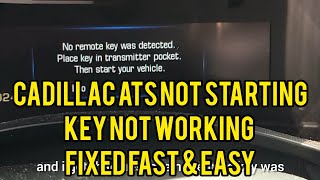
- "No Remote Detected" message on the driver information center
- Replacing the starter motor. The starter is disabled by the security system; it is not the cause of the no-crank condition.
- Replacing the main vehicle battery without confirming it's bad. While a weak battery can be a cause, it's often misdiagnosed when the root cause is simple RFI or a bad key fob.
Most Likely Causes
- Radio Frequency Interference (RFI) 🔴 High Probability As noted in TSB #PIC5650M, the security system on this platform is sensitive to external radio signals from other fobs, RFID cards, or aftermarket electronics.
How to confirm: Remove all other keys, fobs, and electronic devices from the keychain and away from the vehicle's interior. Attempt to start the car with only the ATS-V key fob present.
Typical fix: Isolate the key fob from interfering items. No parts are required.
Est. part cost: $0 - Weak or Dead Key Fob Battery 🟡 Medium Probability → Shop Vehicle Battery The keyless system relies on a strong signal from the fob. A weak battery can cause the signal to be misread or not received at all.
How to confirm: Try the spare key fob. If it works, the battery in the primary fob is the likely culprit. Alternatively, place the non-working fob in the transmitter pocket in the center console; if the car starts, the battery is weak.
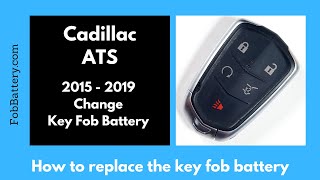
Typical fix: Replace the CR2032 battery inside the key fob. 🎬 See this quick walkthrough for replacing your key fob battery
Est. part cost: $2-$10 - Faulty or Unprogrammed Key Fob 🟡 Medium Probability → Shop Keyless Entry Transmitter Key fobs can fail internally from being dropped or from age, or they can lose their programming, especially after a vehicle battery disconnect.
How to confirm: If a new battery doesn't solve the issue and the spare key works perfectly, the original key fob is likely faulty. A dealer or locksmith can test the fob's signal.
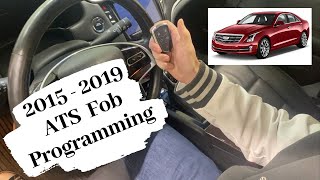
Typical fix: The faulty key fob must be replaced and programmed to the vehicle by a dealer or qualified automotive locksmith. 🎬 Watch: How to program a new Cadillac smart key remote
Est. part cost: $150-$400 - Weak Vehicle Battery ⚪ Low Probability → Shop Vehicle Battery Low system voltage can cause unpredictable behavior in various electronic modules, including the Body Control Module, leading to security system glitches.
How to confirm: Test the vehicle's main 12V battery with a multimeter or battery tester. A healthy battery should read approximately 12.6V at rest and above 13.5V when the engine is running.
Typical fix: Replace the vehicle's battery and perform a key relearn procedure if necessary.
Est. part cost: $150-$300
Rare But Worth Checking
- Faulty Keyless Entry Control Module (KEM) or Remote Control Door Lock Receiver (RCDLR): → Shop Keyless Entry Receiver This module is responsible for receiving and interpreting the key fob's signal. While not a common failure, it can cause these symptoms and may be suspected if no key will work and interference has been ruled out.
- Faulty Body Control Module (BCM): → Shop Body Control Module The BCM is the central computer for many body and security functions. A failure here is rare but can cause a wide range of issues, including setting a B3060 code.
Diagnosis Steps
- Check for a 'No Remote Detected' message on the dash.
- Remove all other keys, fobs, credit cards, and aftermarket electronics (like phone chargers) from the keychain and vehicle interior.
- Attempt to start the vehicle with the isolated key fob.
- If it fails, try starting with your spare key fob. If the spare works, the issue is with the primary fob.
- If the spare key also fails, try placing the key fob into the dedicated transmitter pocket, usually located inside the center console storage area 🎬 Watch: How to start your Cadillac with a dead fob, and attempt to start the engine.
- If the car starts using the pocket, replace the CR2032 battery in the key fob.
- If the issue persists, have the main vehicle 12V battery tested to ensure it is providing adequate voltage.
- If all else fails, the vehicle will require professional diagnosis with a GM-specific scan tool to check the BCM/KEM for faults and potentially reprogram or replace a key fob or module.
Parts You'll Likely Need
- Key Fob Battery — This is the most common and cheapest fix when the key fob signal is weak.
Trusted brands: Energizer, Duracell, Panasonic
OEM price range: $5-$10
Aftermarket price range: $2-$5 - Keyless Entry Remote Fob — If the key fob itself has failed internally, it will need to be replaced and programmed.
Trusted brands: ACDelco, Standard Motor Products
OEM price range: $200-$400
Aftermarket price range: $70-$150
Related Codes That Often Appear With This One
- B3055 — This code means 'Key Not Present' or 'No Transponder Modulation'. It often appears with B3060 because the system either can't detect a key at all (B3055) or detects one it doesn't recognize (B3060).
- B3935 — This code means 'Transponder Authentication Failed'. It indicates the security 'handshake' between the key and car failed, which is a closely related step in the same process that triggers B3060.
- C0750, C0755, C0760, C0765 — These are Tire Pressure Monitor Sensor (TPMS) codes. TSB #PIC5650M notes they can appear with B3060, likely because the TPMS and keyless systems share a common receiver (RCDLR) and are both susceptible to Radio Frequency Interference.
Technical Service Bulletins (TSBs) & Recalls
- PIC5650M: Addresses an intermittent no crank, no start, or start/stall concern with the security light on, listing B3060 as a possible code and advising technicians to check for RFI before replacing parts.
Platform-Specific Known Issues
- The vehicle is equipped with a transmitter pocket in the center console designed to start the car if the key fob battery is dead or if there is strong RFI. Using this is a key diagnostic step.
- The platform is known to be sensitive to RFI, as documented in TSB #PIC5650M, making interference a primary suspect for intermittent no-start conditions.
Mechanic-Grade Diagnostic Values
- BCM Power Supply to Immobilizer Sensor/Antenna — expected: > 10.0 Volts. Failure: Voltage below 10.0V can cause intermittent sensor operation and trigger security codes.
Hidden / Shadow Codes Worth Checking
- B3060 5A: Incorrect Transponder Identification Code Received. This specific byte confirms the BCM is receiving a valid signal from a key, but the key's ID does not match any authorized keys stored in memory. It helps differentiate from a no-signal condition (B3055). (see via GM GDS2 (Global Diagnostic System 2) or equivalent professional scan tool.)
- B3060 00: No Sub Type Information. This is a generic symptom byte indicating the main DTC description contains all available information. (see via GM GDS2 (Global Diagnostic System 2) or equivalent professional scan tool.)
- B3060 02 / 04: Indicates a circuit fault, such as 'Short to Ground' (02) or 'Open Circuit' (04). These point towards a wiring issue between the BCM and the keyless entry antennas rather than a key programming problem. (see via GM GDS2 (Global Diagnostic System 2) or equivalent professional scan tool.)
Scan Tool Commands That Help
- GM GDS2: Immobilizer Learn / Key Programming — This function is required after replacing a key fob, the Body Control Module (BCM), or the Remote Control Door Lock Receiver (RCDLR). It guides the technician through the process of adding new keys to the vehicle's memory and erasing old ones.
- None (Manual Procedure): 30-Minute All Keys Lost Relearn Procedure — Use this procedure when no working keys are available. It involves turning the physical key in the driver's door lock 5 times, then following a sequence of 10-minute waiting periods and pressing the start button. This erases all old keys and programs new ones.
Wiring & Ground Locations
- Body Control Module (BCM) — Located inside the passenger cabin, typically behind the driver-side lower dashboard panel, near the steering column.. The BCM is the central module that stores the authorized key IDs and makes the final decision to enable or disable the vehicle. A bad ground or internal fault in the BCM can trigger B3060. A GM service bulletin warns to always disconnect the negative battery cable before servicing BCM grounds to prevent module damage.
- Remote Control Door Lock Receiver (RCDLR) — The RCDLR module is separate from the BCM. Its antenna system consists of the module itself, a coax cable, an antenna amplifier, and an antenna embedded in the right rear glass, per TSB 16-NA-061.. The RCDLR is responsible for receiving the signal from the key fob. A disconnected coax cable or a faulty amplifier can lead to 'No Fob Detected' messages and set TPMS codes simultaneously, as both systems share this receiver.
- Keyless Entry Antennas — Multiple antennas are located throughout the vehicle (e.g., in doors, center console, trunk) to detect the key's location for passive entry and starting. Part numbers include 13580788 and 13580789.. These antennas transmit the low-frequency signal that energizes the key fob's transponder. A fault in a specific antenna could prevent the key from being detected in one area of the car.
Real Owner Repair Stories
- Reddit user on r/Cadillac (2010 Cadillac CTS-V (similar GM keyless system)) — Car would not acknowledge the key fob for keyless entry or starting, requiring use of the physical key and placing the fob in the center console slot. The issue occurred with three different fobs.
❌ Tried (didn't work) Switching to a different key fob., Replacing key fob batteries.
✅ What actually fixed it The owner discovered that a wirelessly charging Apple Pencil on an iPad inside the car was causing severe radio frequency interference. Moving the key away from the charging pencil immediately resolved the problem, allowing the car to detect the fob normally. - Repair Database Case Study (Cadillac STS (similar GM immobilizer logic)) — No crank, no start condition immediately after a new battery was installed. All lights and accessories worked.
❌ Tried (didn't work) Assuming it was a security/Pass-Key issue triggered by the battery swap., Checking battery connections.
✅ What actually fixed it The issue was a blown starter relay fuse, likely caused by an arc during the battery installation. Replacing the simple fuse resolved the no-crank condition, which was incorrectly assumed to be a complex security fault.
OEM Part Supersession History
13592452→13545326— Part update/revision for Keyless Entry Antenna.13592451→13546098— Part update/revision for Keyless Entry Antenna.13580811, 13510254→13598507, 13598530— Rolling part number updates for the 5-Button Smart Key Fob (FCC ID: HYQ2AB).
Heads up: All part numbers under FCC ID HYQ2AB are generally cross-compatible for the 2015-2019 model years, but must match the button configuration (e.g., remote start).
Model Year Variations Within This Range
- 2015-2019: The key fob for the 2015-2019 ATS/ATS-V uses FCC ID HYQ2AB. This is NOT compatible with the fob used on 2013-2014 models, which uses FCC ID NBG009768T. Using the wrong FCC ID will result in a programming failure and a B3060 code.
Helpful Videos
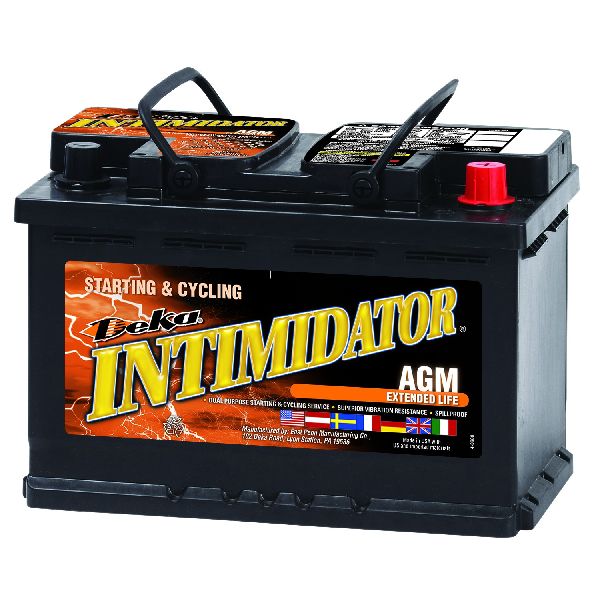
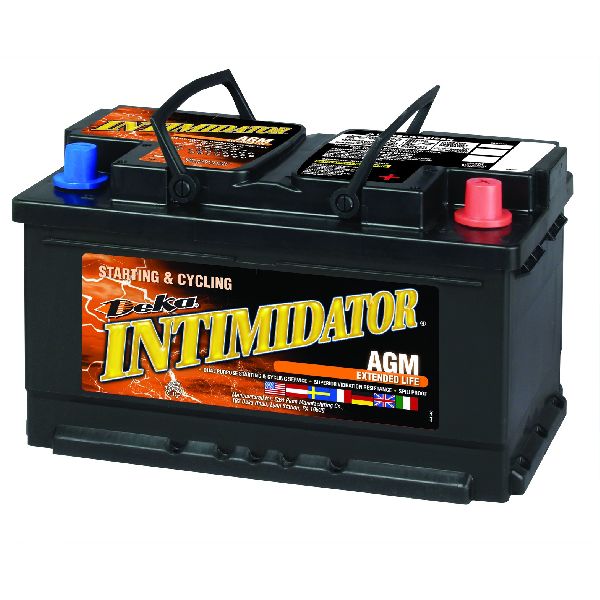
We Have This Part in Stock



The information in this article is provided for general reference and educational purposes only. Vehicle specifications, procedures, and part compatibility can vary by production date, trim level, and region. Always consult your vehicle's factory service manual and verify part numbers before purchasing or performing repairs. Safety-critical components such as airbags, seat belts, and braking systems should be installed by a qualified professional.
- Cadillac ATS-V:
- 🧭 Diagnostic Flowchart
- 🎬 Helpful Videos
- 🛍️ Shop This Part
- What's Unique About the 2015-2019 Cadillac ATS-V
- Symptoms You May Notice
- Most Likely Causes
- Rare But Worth Checking
- Diagnosis Steps
- Parts You'll Likely Need
- Related Codes That Often Appear With This One
- Technical Service Bulletins (TSBs) & Recalls
- Platform-Specific Known Issues
- Mechanic-Grade Diagnostic Values
- Hidden / Shadow Codes Worth Checking
- Scan Tool Commands That Help
- Wiring & Ground Locations
- Real Owner Repair Stories
- OEM Part Supersession History
- Model Year Variations Within This Range
- 🎟️ Get 5% Off