

B3060 on 2017-2018 Cadillac CT6 PLUG-IN HYBRID: No-Start Causes and Fixes
Code B3060 on a 2017-2018 Cadillac CT6 Plug-In Hybrid means the vehicle's anti-theft system doesn't recognize the key fob, causing a no-start or start-and-stall condition with the security light on. The most common causes are a weak key fob battery, radio frequency interference from other electronics, or a faulty Body Control Module (BCM). Using the designated key fob pocket in the center console is a key diagnostic step.
- B3060 means your Cadillac's anti-theft system has locked the car, causing a no-start and illuminating the security light.
- Before attempting any repairs, try using a spare key and remove all other electronic devices from your keychain to rule out simple causes like a dead key battery or radio interference.
- A 30-minute 'key relearn' procedure can sometimes resolve the issue without replacing parts, but it is not always successful.
- If simple fixes fail, the problem is likely a faulty Body Control Module (BCM) or a bad key fob, both of which require professional programming to replace.
- Do not waste money on a new starter or fuel pump; this is an electronic security issue.
What's Unique About the 2017-2018 Cadillac CT6 PLUG-IN HYBRID
The Cadillac CT6, built on the GM Omega platform, utilizes a complex keyless access system that is highly integrated with the Body Control Module (BCM). Unlike older GM vehicles with a mechanical ignition cylinder, the CT6 is more susceptible to issues with key fob programming, radio frequency interference (RFI), and BCM software glitches. The NHTSA TSB PIC5650M specifically links intermittent no-crank/no-start conditions on this platform to security codes like B3060, highlighting a known sensitivity. The hybrid nature of the PLUG-IN model adds another layer of electronic complexity, though this specific code is primarily related to the standard GM theft deterrent logic.
Diagnostic Flowchart
Tap your situation to follow the diagnostic path that matches what you're seeing on this vehicle.
Symptoms You May Notice
- Engine will not crank or start
- Engine starts and immediately stalls
- Security indicator light is illuminated 🎬 See how to diagnose a CT6 that won't crank or start. or flashing on the dashboard
- "Service Theft Deterrent System" message on the Driver Information Center (DIC)
- "No Remote Detected" or "No Fob Detected" message on DIC, even with the key inside the car 🎬 Watch this walkthrough if your car says no remote detected.
- Replacing the starter motor
- Replacing the 12V battery without checking its state of charge and health first
- Replacing the fuel pump
- Assuming the key fob is bad without first trying the transponder pocket or checking for RFI
Most Likely Causes
- Radio Frequency Interference (RFI) 🔴 High Probability GM TSB PIC5650M explicitly states that aftermarket devices like USB chargers, LED lights, other key fobs, or even building access cards on the keychain can 'jam' the 125 kHz signal used by the key fob transponder, causing intermittent no-starts.
How to confirm: Remove all other keys, fobs, and electronic devices from the keychain and from the vehicle's interior. Move phones away from the center console. Attempt to start the vehicle again. If the problem is resolved, RFI is the cause.
Typical fix: Isolate the Cadillac key fob from other devices. Remove any low-quality aftermarket chargers or LED lights from the vehicle.
Est. part cost: $0 - Weak or Dead Key Fob Battery 🟡 Medium Probability → Shop Vehicle Battery A weak battery (CR2032) may not provide a strong enough signal for the vehicle's security system to authenticate, especially in a keyless system that relies on constant, low-power communication.
How to confirm: Try starting the vehicle with a spare key fob. If the spare works, the battery is the likely culprit. Alternatively, place the problematic key fob in the vehicle's designated transponder pocket, which is located in the rear face of the center console storage area. This pocket allows the system to read a very weak fob. If the car starts, the fob battery is weak.
Typical fix: Replace the CR2032 coin cell battery in the key fob. 🎬 Watch: A quick DIY guide to replacing your fob battery.
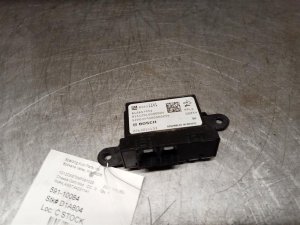
Est. part cost: $2-$10 - Faulty or Corrupted Body Control Module (BCM) 🟡 Medium Probability → Shop Body Control Module The BCM manages the theft deterrent system. Software glitches, internal hardware failure, or even low vehicle voltage can cause it to lose communication, forget learned keys, or fail to recognize valid keys.
How to confirm: This requires a professional scan tool to check for communication with the BCM and look for internal fault codes or communication errors with other modules. A technician may attempt to reprogram the existing BCM first as a diagnostic step.
Typical fix: In some cases, reprogramming/reflashing the BCM with the latest GM software can resolve the issue. If the module has failed internally, it must be replaced and programmed to the vehicle's VIN.
Est. part cost: $70-$250 - Faulty Key Fob ⚪ Low Probability → Shop Keyless Entry Transmitter The internal transponder chip or antenna coil in the key fob can be damaged from being dropped, from water exposure, or simply fail over time.
How to confirm: If a new battery doesn't fix the key, the spare key works perfectly, and placing the bad key in the transponder pocket also fails, the key fob itself has likely failed.
Typical fix: Replace the key fob and have it professionally programmed to the vehicle by a dealer or automotive locksmith.
Est. part cost: $150-$400
Rare But Worth Checking
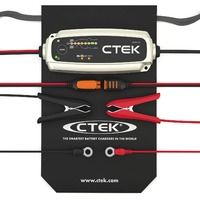
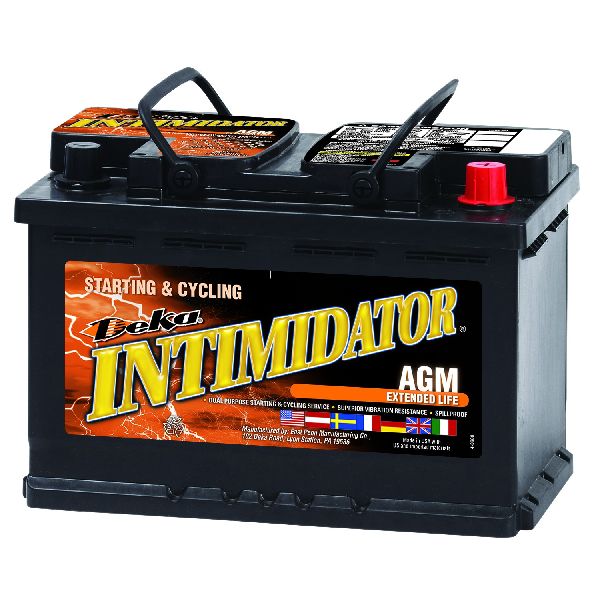
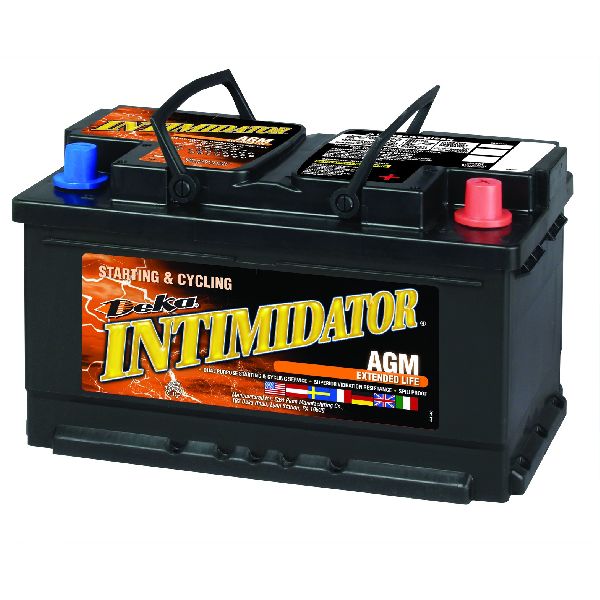
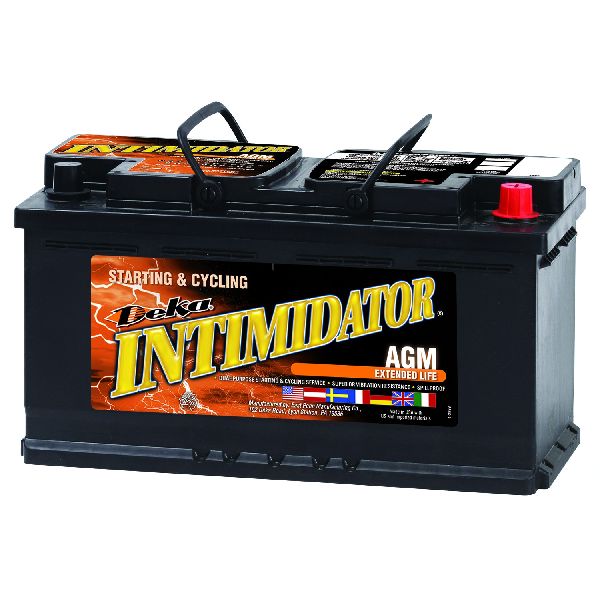
- Low 12V Vehicle Battery: → Shop Vehicle Battery A low main vehicle battery can cause a multitude of seemingly unrelated electronic issues, including causing modules like the BCM to malfunction and set security codes. The TDM requires a stable voltage to operate correctly. Always ensure the 12V battery is fully charged before diagnosing complex electronic faults.
- Poor BCM/TDM Ground Connection: A loose or corroded ground connection for the Body Control Module or Theft Deterrent Module can cause intermittent communication issues, leading to a B3060 code. These grounds are typically located behind the dash or on the A-pillar. This is less common but can happen, causing symptoms that mimic a failed module.
Diagnosis Steps
- Verify B3060 is present using a scan tool capable of reading Body (B) codes.
- Question the driver about any recent events, such as battery replacement, new devices added to their keychain, or aftermarket accessories installed (e.g., phone chargers, LED lights).
- Attempt to start the vehicle with a known-good spare key fob. If it starts, the issue is with the primary key fob or its battery.
- If using the primary key, remove all other fobs, keys, and electronic devices from the keychain and try starting again to rule out RFI.
- Try placing the key fob in the designated transmitter pocket and attempt to start. For the CT6, this is located on the rear-facing wall inside the center console storage area. If the car starts, this strongly indicates a weak key fob battery.
- Check the vehicle's main 12V battery to ensure it is fully charged and providing stable voltage (above 12.0V).
- If the vehicle still won't start, attempt a security relearn procedure. For a CT6 with all keys lost, this is a 30-minute procedure involving turning the key in the door lock and using the start button in 10-minute intervals. This is complex and best left to professionals if you are not comfortable.
- If the relearn fails, a professional diagnosis with a GM-compatible scan tool (GDS2) is needed to check for communication with the BCM, view security data, and test the keyless entry antennas.
Parts You'll Likely Need
- Key Fob Battery
(OEM #CR2032)— This is the simplest and most common fix when a key fob stops being recognized.
Trusted brands: Energizer, Duracell, Panasonic
OEM price range: $5-$10
Aftermarket price range: $2-$5 - Body Control Module (BCM)
(OEM #2771891)— The BCM controls the immobilizer system. If it fails or its software becomes corrupt, it will not recognize valid keys and will set a B3060 code.
Trusted brands: ACDelco (GM Genuine)
OEM price range: $200-$350
Aftermarket price range: $70-$200 - Keyless Entry Transmitter (Key Fob)
(OEM #13510255, 13598538, 13544042 (Verify by VIN, FCC ID: HYQ2EB))— If the internal transponder chip is damaged, the key fob itself must be replaced and programmed. Multiple part numbers exist, so VIN verification is critical.
Trusted brands: ACDelco (GM Genuine)
OEM price range: $250-$400
Aftermarket price range: $80-$150
Related Codes That Often Appear With This One
- B3055 — This code means 'No Transponder Modulation or No Transponder Detected,' indicating the system received no signal at all, which is a closely related fault often caused by a dead fob battery or severe RFI.
- B3935 — This code for 'Transponder Authentication Error' points to a failure in the security handshake and is often cited alongside B3060 in GM service bulletins as part of the same fault condition.
Technical Service Bulletins (TSBs) & Recalls
- PIC5650M: Addresses intermittent no crank, no start, or start stall concerns with the security light coming on, and lists B3060 as a potential DTC. It specifically calls out Radio Frequency Interference (RFI) from aftermarket electronics (LED
Platform-Specific Known Issues
- A Technical Service Bulletin (TSB #PIC5650M) was issued for intermittent no-crank, no-start, or start-stall concerns with the security light on, which may set DTC B3060. This highlights a known sensitivity in the security system for this platform. [⭐ MANUFACTURER TSB — highest authority]
- The specific location of the emergency start transponder pocket in the CT6 is on the rear-facing wall inside the center console storage area, a detail many owners miss.
Mechanic-Grade Diagnostic Values
- Keyless Entry Antenna Coil DC Resistance — expected: ~6 Ω. Failure: An open circuit (infinite resistance) or a reading significantly different from the expected value indicates a faulty antenna.
- Keyless Entry Antenna Low Reference Circuit to Ground — expected: Less than 2 Ω. Failure: A reading of 2 Ω or greater indicates an open or high resistance in the ground reference circuit for the antenna.
- Keyless Entry Antenna Signal Circuit to Ground — expected: Infinite resistance (OL). Failure: Less than infinite resistance indicates a short to ground in the antenna's signal circuit.
Hidden / Shadow Codes Worth Checking
- B3060 00: The symptom byte '00' indicates 'No Sub Type Information'. This means the main DTC description ('Unprogrammed Transponder Identification Code Received') contains all available fault information, and no more specific subtype was identified by the module. (see via A professional scan tool like the GM GDS2 (Global Diagnostic System 2) is required to view the DTC with its symptom byte.)
Scan Tool Commands That Help
- GDS2 (GM Global Diagnostic System 2): Immobilizer Learn / Vehicle Key Relearn — This function is required after replacing the Body Control Module (BCM), replacing a key fob, or if key data has become corrupted. It guides the technician through the process of programming one or more keys to the vehicle's immobilizer system.
- GDS2 (GM Global Diagnostic System 2): Module Diagnostics > Remote Control Door Lock Receiver > Add or Replace Key Fobs — This is the specific path within the GDS2 software to access the function for programming additional or replacement key fobs to the vehicle.
Wiring & Ground Locations
- G218 — Under the driver's side of the instrument panel (dash).. TSB #PIT5405C identifies a poor connection at this specific ground as a cause for a range of electrical issues, including no-starts. Trapped insulation under the ground nut can cause intermittent BCM malfunction, mimicking a failed module and potentially setting security codes like B3060.
- K9 Body Control Module (BCM) — Located within the instrument panel/dashboard area.. This module controls the theft deterrent system. Specific pins are used for critical functions, such as Pin 21 (Security Indicator Control) and Pins 24/25 (High Speed GMLAN Serial Data), which are essential for diagnosis.
- Keyless Entry Antennas — Multiple locations, including behind the rocker panel molding, in the center of the dash, and in the trunk area.. These antennas transmit the 125 kHz signal to energize the key fob transponder. A failure or wiring issue with any of these antennas can prevent the key from being detected, leading to a B3060 code.
OEM Part Supersession History
13598538→13544042— Standard part revision and replacement by the manufacturer.
Heads up: The new part number (13544042) should be used when ordering a replacement for the original (13598538).
Helpful Videos
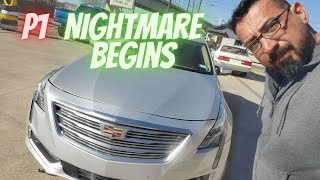

Used OEM Parts in Stock
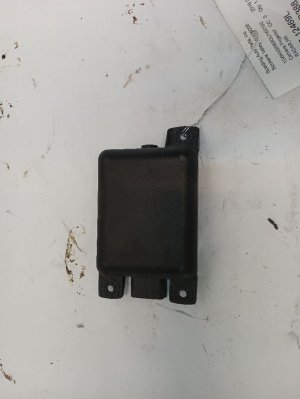
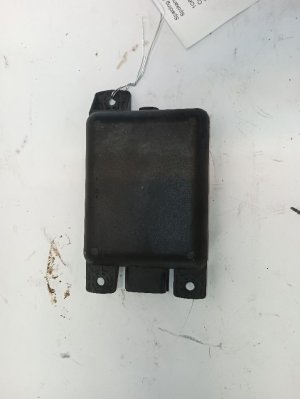
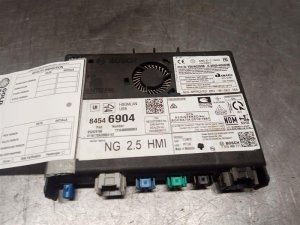
New Aftermarket Parts Available


The information in this article is provided for general reference and educational purposes only. Vehicle specifications, procedures, and part compatibility can vary by production date, trim level, and region. Always consult your vehicle's factory service manual and verify part numbers before purchasing or performing repairs. Safety-critical components such as airbags, seat belts, and braking systems should be installed by a qualified professional.
- Cadillac CT6 PLUG-IN HYBRID:
- 🧭 Diagnostic Flowchart
- 🎬 Helpful Videos
- 🛍️ Shop This Part
- What's Unique About the 2017-2018 Cadillac CT6 PLUG-IN HYBRID
- Symptoms You May Notice
- Most Likely Causes
- Rare But Worth Checking
- Diagnosis Steps
- Parts You'll Likely Need
- Related Codes That Often Appear With This One
- Technical Service Bulletins (TSBs) & Recalls
- Platform-Specific Known Issues
- Mechanic-Grade Diagnostic Values
- Hidden / Shadow Codes Worth Checking
- Scan Tool Commands That Help
- Wiring & Ground Locations
- OEM Part Supersession History
- 🎟️ Get 5% Off