

B3060 on 2012-2016 Cadillac CTS-V: Unprogrammed Key, No-Start Causes and Fixes
Code B3060 on a 2012-2016 CTS-V means the anti-theft system doesn't recognize the key, causing a no-start. For 2012-2015 models, this is often a faulty ignition lock cylinder. For 2016 models, start by replacing the key fob battery. Professional key programming is required for most fixes.
- B3060 means your CTS-V's anti-theft system has disabled the engine because it doesn't recognize the key.
- Before calling for a tow, try your spare key and remove ALL other electronic devices from your keychain to rule out simple interference.
- For a 2016 model, the first step is to replace the CR2032 battery in the key fob; the second is to try starting it with the fob in the center console pocket.
- For a 2012-2015 model, if the key isn't the issue, the ignition lock cylinder is a likely culprit.
- Any fix involving a new key, fob, or security component will require professional programming.
What's Unique About the 2012-2016 Cadillac CTS-V
The 2012-2016 year range covers two different CTS-V generations with distinct ignition and security systems. The 2012-2015 (Gen 2, on the Sigma II platform) uses a traditional bladed key and an ignition cylinder, where the cylinder's reader coil is a common failure point. The 2016 (Gen 3, on the Alpha platform) uses a push-to-start system where the key fob battery and radio frequency interference are more common initial culprits. GM has a well-documented service bulletin (PIC5650, with multiple revisions like PIC5650K and PIC5650M) for both systems that points to intermittent no-start issues caused by Radio Frequency Interference (RFI) from aftermarket accessories like phone chargers, LED lights, and even building access cards on the keychain.
Diagnostic Flowchart
Tap your situation to follow the diagnostic path that matches what you're seeing on this vehicle.
Generation note: This range covers two generations: the Second Generation (2012-2015) which uses a bladed key, and the Third Generation (2016) which uses a keyless push-to-start system. Causes and parts differ significantly between them.
Symptoms You May Notice
- Engine will not crank or makes no attempt to start
- Engine starts briefly and then immediately shuts off (start and stall)
- Security light is illuminated or flashing on the instrument cluster
- "No Remote Detected" message on the Driver Information Center (for 2016 models)
- "Service Theft Deterrent System" message on the DIC
- Remote Keyless Entry (RKE) functions may not work or have very poor range
- Replacing the starter motor. The no-crank symptom is a result of the security system electronically disabling the starter, not a mechanical failure of the starter itself.
- Replacing the vehicle's main battery without proper testing. While a low battery can be a cause, this code specifically points to a security recognition failure, and a relearn procedure may be needed even after battery replacement.
Most Likely Causes
- Radio Frequency Interference (RFI) 🔴 High Probability GM TSB PIC5650M and its successors specifically highlight the sensitivity of the security system to RFI. Common sources include aftermarket phone chargers, LED lights, dash cams, other key fobs, and even building access cards on the same keychain.
How to confirm: Remove all other keys, fobs, and electronic devices from the keychain and from inside the vehicle. Unplug any aftermarket chargers or accessories. If the car starts, RFI was the issue. This is the first diagnostic step recommended by GM.
Typical fix: Isolate the vehicle's key from other electronic items. Remove the source of interference. Advise the customer to keep the vehicle key on a separate ring.
Est. part cost: $0 - Weak or Dead Key Fob Battery (2016 models) 🔴 High Probability → Shop Vehicle Battery Key fobs for push-to-start systems rely on a small battery (typically a CR2032) to transmit their signal. This is the most common and simple point of failure, often preceded by a "Replace Battery in Remote Key" message on the DIC.
How to confirm: Try the spare key fob. If it works, the battery in the primary fob is the likely culprit. A "No Remote Detected" message is also a strong indicator. The car can usually be started by placing the fob in the designated transmitter pocket as a bypass test.
Typical fix: Replace the CR2032 battery inside the key fob. If the battery is dead, the car can often be started by placing the fob in the designated transmitter pocket in the center console storage area, often under a rubber mat.
Est. part cost: $5-$10 - Faulty Ignition Lock Cylinder / Exciter Coil (2012-2015 models) 🟡 Medium Probability → Shop Ignition Switch The exciter coil that energizes and reads the key's transponder chip is integrated with the ignition lock cylinder. This component can wear out or fail, preventing the key from being read correctly. This is a common failure on GM vehicles of this era using the Pass-Key III+ system.
How to confirm: If RFI and the key itself are ruled out, this is the next most likely component. Diagnosis requires a scan tool to check for a signal from the Theft Deterrent Module. If no key is read (even a known good one), the cylinder/coil is suspect.
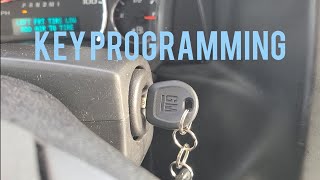
Typical fix: Replace the ignition lock cylinder and perform a key relearn procedure. An "All Keys Lost" 30-minute relearn procedure may be possible without a scan tool on some models. 🎬 Watch: How to perform the 30-minute key relearn procedure.
Est. part cost: $100-$150 - Faulty or Unprogrammed Key/Fob 🟡 Medium Probability → Shop Keyless Entry Transmitter The transponder chip in the key (2012-2015) or the fob itself (2016) can fail internally from being dropped or from age. This is also the immediate cause if trying to use a new, unprogrammed key.
How to confirm: Try the spare key. If the spare key works reliably, the original key is faulty.
Typical fix: The faulty key/fob must be replaced and programmed to the vehicle by a dealer or locksmith using a tool like the GM GDS2.
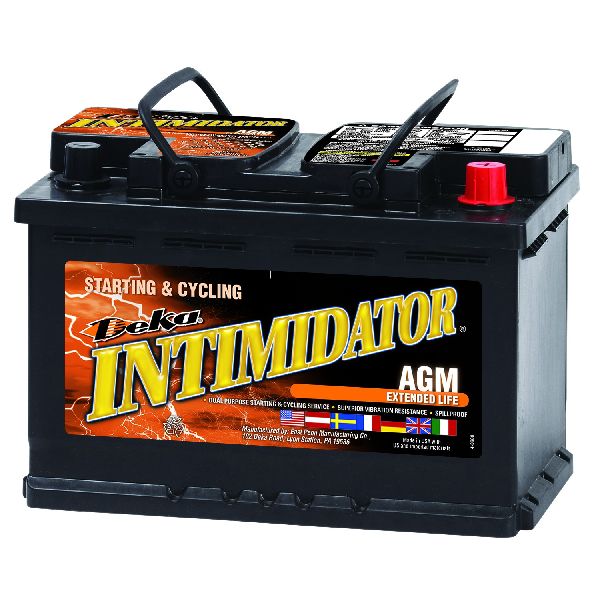
Est. part cost: $150-$400 - Weak Vehicle 12V Battery ⚪ Low Probability → Shop Vehicle Battery Low system voltage can cause communication errors between modules, leading the BCM or TDM to set false security codes. Some owners report that attempting to start with a low battery can trigger the immobilizer, which then stays active even after a jump start until a relearn is performed.
How to confirm: Test the main vehicle battery with a multimeter or load tester. A resting voltage below 12.4V suggests it is weak or discharged. The immobilizer system itself requires over 9V to function correctly.
Typical fix: Charge or replace the vehicle's 12V battery. A security relearn procedure may be necessary afterward.
Est. part cost: $150-$300
Rare But Worth Checking
- Faulty Body Control Module (BCM) or Theft Deterrent Module (TDM): → Shop Anti-Theft Control Module This is a last-resort diagnosis. The control module itself can fail, but this is uncommon and should only be considered after all other causes (key, antenna, wiring, RFI) have been eliminated. A forum user with a similar platform (2018 XT5) reported a BCM replacement fixed their B3060 issue.
- Damaged Wiring or Ground Connection: The wiring between the immobilizer antenna, BCM, and ground points can become damaged or corroded, especially around the steering column or kick panels, causing intermittent signal loss. Key ground points like G200 (left kick panel) and G202 (near BCM) are critical for BCM operation.
Diagnosis Steps
- Verify the complaint and check for a security light on the dash.
- Question the driver about any aftermarket electronics (phone chargers, dash cams, LED lights) and check the keychain for other fobs or access cards. Remove them to rule out RFI as per TSB PIC5650.
- Attempt to start the vehicle with a known-good spare key/fob. If it starts, the primary key/fob is faulty.
- For 2016 models, replace the CR2032 battery in the non-working fob. If it still fails, try starting the car by placing the fob in the transmitter pocket in the center console storage area.
- Test the main 12V vehicle battery. Ensure voltage is above 12.4V at rest and holds a load.
- For 2012-2015 models, if all keys fail, consider attempting the 30-minute key relearn procedure. This involves cycling the key to 'ON' for 10 minutes, three consecutive times.
- If the issue persists, the vehicle will require a professional scan tool (GM GDS2) to read data from the Body Control Module (BCM) / Theft Deterrent Module (TDM).
- Using the scan tool, check the TDM/BCM for key status parameters to see if it recognizes a key is present.
- Based on scan tool data, diagnose the circuit for the ignition lock cylinder exciter coil (2012-2015) or the keyless entry antennas (2016).
- If a component (key, fob, lock cylinder, BCM) is found to be faulty, replace it and perform the necessary security programming/relearn procedure.
Parts You'll Likely Need
- Key Fob Battery (2016 models)
(OEM #CR2032)— This is the most common and inexpensive fix for a "No Remote Detected" issue on push-to-start models.
Trusted brands: Energizer, Duracell, Panasonic
OEM price range: $5-$10
Aftermarket price range: $2-$8
Related Codes That Often Appear With This One
- B3055 — This code means "No Transponder Modulation," indicating the system received no signal from the key at all. It often appears with B3060 as they both relate to key recognition failure and are cited together in GM TSBs.
- B3935 — This code means "Transponder Authentication Error." It can set alongside B3060 if the system receives a signal but cannot validate it, pointing to the same set of security system issues.
- C0750, C0755, C0760, C0765, C0775 — These are Tire Pressure Monitor (TPM) sensor codes. They are listed in TSB PIC5650M because the same module (RCDLR - Remote Control Door Lock Receiver) often handles both keyless entry and TPM signals, and RFI can disrupt both functions simultaneously.
Technical Service Bulletins (TSBs) & Recalls
- PIC5650M / PIC5650K: This is a major GM diagnostic aid for intermittent no-start/stall conditions with security codes B3055, B3060, B3935, and related TPM codes. It strongly emphasizes diagnosing Radio Frequency Interference (RFI) from aftermarket devices (chargers, LEDs, toll passes) before replacing any parts. It notes that on keyless start vehicles, placing the fob in the transmitter pocket will usually bypass the interference and allow the car to start.
Platform-Specific Known Issues
- The vehicle is subject to Technical Service Bulletin PIC5650M, which warns of intermittent no-start conditions with code B3060 due to Radio Frequency Interference (RFI) from aftermarket electronics.
Mechanic-Grade Diagnostic Values
- Immobilizer Exciter Coil Resistance (2012-2015 models) — expected: 5-20 Ohms. Failure: A reading of infinite resistance (open circuit) or near-zero resistance (short circuit) indicates a failed coil. While GM does not publish an official spec, this range is used in the field to verify basic coil integrity.
- Scan Tool 'TDM Transponder Key' Parameter — expected: Present. Failure: Reads 'Not Present' when a key is in the ignition and turned to ON. This indicates the BCM is not receiving a signal from the key, pointing to a faulty key or exciter coil.
- Immobilizer System Operating Frequency — expected: 125 kHz. Failure: This is the standard operating frequency. Interference from other devices in the 120-135 kHz range can jam the signal from the key's transponder.
Hidden / Shadow Codes Worth Checking
- B3060 00: The '00' is a standard GM symptom byte for 'No Sub Type Information'. It confirms that the primary code description, 'Unprogrammed Transponder Identification Code Received', contains the full fault information and no more specific subtype was identified by the module. (see via A professional scan tool like the GM GDS2 (Global Diagnostic System 2) is required to view symptom bytes.)
Scan Tool Commands That Help
- GM GDS2: Immobilizer Learn — This function is used to program new keys or re-program all existing keys to the vehicle's Theft Deterrent Module (TDM) or BCM. It is required after replacing a key, the ignition lock cylinder, or the BCM itself.
- GM GDS2: Add or Replace Key Fobs — Found under the 'Remote Control Door Lock Receiver' (RCDLR) module diagnostics, this function is used to add new key fobs to the vehicle's memory for RKE functions.
- GM GDS2: Immobilizer Data List > Transponder Key Parameter — This live data parameter is the primary diagnostic step to confirm if the BCM is successfully reading any key. If it reads 'Not Present' for all known-good keys, the issue is likely the reader coil, wiring, or the BCM itself.
Wiring & Ground Locations
- BCM (Body Control Module) — Located under the driver's side dashboard, directly above the accelerator pedal.. The BCM integrates the Theft Deterrent Module (TDM) logic. It receives and validates the key's transponder signal. All wiring for the immobilizer system centralizes here.
- G200 — Located behind the left (driver's side) kick panel.. This is a primary instrument panel and BCM ground point. A loose or corroded connection here can cause intermittent BCM power loss, leading to false security codes and no-start conditions.
- G201 — Located behind the right (passenger's side) kick panel.. An important instrument panel ground that supports various modules communicating with the BCM.
- G110 — Located on the front of the vehicle near the radiator support.. On CTS-V models, some aftermarket Cold Air Intake (CAI) kits use this ground point for bracket mounting. This can create a poor ground connection, leading to multiple intermittent electrical issues, including setting DTCs for lost communication with various modules and causing no-start conditions.
Real Owner Repair Stories
- Go-Parts research on a similar GM platform (2014 GMC Savana) (2014 GMC Savana) — Persistent no-start condition with security light illuminated and code B3060 stored.
❌ Tried (didn't work) Replacement of the ignition lock cylinder., Performing the 30-minute relearn procedure multiple times.
✅ What actually fixed it The Body Control Module (BCM) had an internal failure. Replacing the BCM and having it professionally programmed to the vehicle's VIN finally resolved the no-start condition and cleared the B3060 code permanently. - Chevrolet Forum user (GM vehicle with Passlock system (similar exciter coil principle)) — No-start, security light on, Passlock system active.
❌ Tried (didn't work) Standard 30-minute relearn procedure (security light never stopped blinking)., Disconnecting the battery.
✅ What actually fixed it The user disassembled the ignition lock cylinder and found two breaks in the extremely thin exciter coil wire. He carefully soldered the breaks in the wire, re-wrapped the coil, and reinstalled it. The vehicle then started and ran normally, and the coil showed a proper resistance reading after the repair.
When the Usual Fixes Don't Work
- While the most common fixes for B3060 involve the key or the ignition lock cylinder, there are documented cases on similar GM platforms where these repairs do not solve the problem. In one instance, after replacing the lock cylinder and attempting multiple relearn procedures without success, the root cause was ultimately found to be an internal failure of the Body Control Module (BCM). This indicates that if standard diagnostic paths are exhausted, the BCM should be considered a potential point of failure, even though it is a less common and more expensive repair.
OEM Part Supersession History
Multiple (e.g., 20864767, 25826124, 25847588)→84922494— Standard part evolution and consolidation for the Body Control Module (BCM).
Heads up: A replacement BCM must be programmed to the vehicle's VIN. Additionally, an SDM (airbag module) relearn and key relearn procedure are required after installation.Unknown→20869121 (AC Delco)— Standard replacement part for the Ignition Lock Cylinder (2012-2015 models).
Heads up: This part requires a security relearn procedure (either 30-minute manual or via scan tool) after installation to sync with the vehicle's BCM.
Model Year Variations Within This Range
- 2012-2015: Uses the Pass-Key III+ system with a transponder chip in a bladed key and an exciter coil in the ignition lock cylinder. Diagnosis often focuses on the key, the lock cylinder coil, and its wiring.
- 2016: Uses a keyless push-to-start system. The entire key fob acts as the transponder. Diagnosis often starts with the fob battery, the backup transmitter pocket in the console, and checking for RFI.
Helpful Videos
We Have This Part in Stock


The information in this article is provided for general reference and educational purposes only. Vehicle specifications, procedures, and part compatibility can vary by production date, trim level, and region. Always consult your vehicle's factory service manual and verify part numbers before purchasing or performing repairs. Safety-critical components such as airbags, seat belts, and braking systems should be installed by a qualified professional.
- Cadillac CTS-V:
- 🧭 Diagnostic Flowchart
- 🎬 Helpful Videos
- 🛍️ Shop This Part
- What's Unique About the 2012-2016 Cadillac CTS-V
- Symptoms You May Notice
- Most Likely Causes
- Rare But Worth Checking
- Diagnosis Steps
- Parts You'll Likely Need
- Related Codes That Often Appear With This One
- Technical Service Bulletins (TSBs) & Recalls
- Platform-Specific Known Issues
- Mechanic-Grade Diagnostic Values
- Hidden / Shadow Codes Worth Checking
- Scan Tool Commands That Help
- Wiring & Ground Locations
- Real Owner Repair Stories
- When the Usual Fixes Don't Work
- OEM Part Supersession History
- Model Year Variations Within This Range
- 🎟️ Get 5% Off