

B3060 on 2014-2016 Cadillac ELR: Unprogrammed Key and No-Start Fixes
Code B3060 on a 2014-2016 Cadillac ELR means the vehicle's security system does not recognize the key, causing a no-start or start-and-stall condition. The issue is often caused by radio frequency interference or a faulty key fob, but may require professional diagnostics. The identical issue is common on its platform-mate, the 2011-2015 Chevrolet Volt.
- B3060 on your ELR is a security code that disables the vehicle, causing a no-start.
- Before seeking professional help, always try the simplest fixes: replace the key fob battery (CR2032) and remove other electronic devices from your keychain to eliminate RF interference.
- If the battery is weak, you can still start the car by placing the fob in the special transmitter pocket located under the rubber mat inside the center console storage area.
- This exact problem is also common on the 2011-2015 Chevrolet Volt, the ELR's platform-mate.
- If simple fixes don't work, the issue likely requires a professional with specialized tools to diagnose the security system and program new components.
What's Unique About the 2014-2016 Cadillac ELR
The Cadillac ELR, a unique range-extended electric vehicle based on the Chevrolet Volt platform, utilizes a sophisticated keyless entry and immobilizer system. This system is known to be sensitive to radio frequency (RF) interference, an issue documented by GM across many of its vehicles from this era in TSB #PIC5650M. This bulletin specifically mentions that intermittent no-start conditions with code B3060 can be caused by other electronic devices on the owner's keychain—or even aftermarket chargers plugged into the car—interfering with the key's signal.
Diagnostic Flowchart
Tap your situation to follow the diagnostic path that matches what you're seeing on this vehicle.
Symptoms You May Notice
- Intermittent no-crank, no-start condition.
- Engine starts and immediately stalls.
- Security indicator light is illuminated or flashing on the instrument cluster.
- "No Fob Detected" or "No Remote Detected" message on the driver information center (DIC).
- Keyless entry functions (door unlock/lock) may work, but the vehicle still won't start.
- Replacing the 12V battery without checking for security system codes first.
- Replacing the starter motor when the no-start is caused by the immobilizer disabling the crank signal.
- Assuming the key fob is bad when the issue is simply RF interference from another device.
Most Likely Causes
- Radio Frequency (RF) Interference 🔴 High Probability As noted in GM TSB PIC5650M, devices like other vehicle key fobs, building access cards, toll passes, or even aftermarket phone chargers on the same keychain can interfere with the 125 kHz signal used by the immobilizer system. The system is most susceptible to devices operating in the 120 to 135 kHz range.
How to confirm: Remove all other electronic devices from the keychain with the ELR fob. If the vehicle starts consistently with the isolated fob, interference was the likely cause. Also, remove any non-OEM chargers from the vehicle's power outlets.
Typical fix: Keep the vehicle's key fob separate from other electronic fobs or access cards. Do not use low-quality aftermarket chargers.
Est. part cost: $0 - Weak or Dead Key Fob Battery 🟡 Medium Probability → Shop Vehicle Battery
How to confirm: Try the spare key fob. If the spare key works reliably, the battery in the primary key is likely the issue. You can also try placing the non-working fob in the designated transmitter pocket inside the center console, which can often start the car even with a weak fob battery.
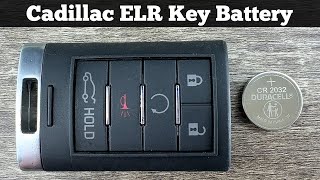
Typical fix: Replace the CR2032 coin battery inside the key fob. 🎬 Watch: Step-by-step guide to replacing your ELR key fob battery.
Est. part cost: $5-$10 - Faulty Key Fob 🟡 Medium Probability → Shop Keyless Entry Transmitter
How to confirm: If a new battery doesn't solve the issue and the spare key works, the internal electronics or transponder chip of the key fob may have failed. This can happen from being dropped or from water damage. A dealership or locksmith can test the fob's signal output.
Typical fix: Replace the key fob and have it professionally programmed to the vehicle.
Est. part cost: $150-$400 - Theft Deterrent Module (TDM) or Wiring Issue ⚪ Low Probability → Shop Anti-Theft Control Module
How to confirm: This requires professional diagnosis with a scan tool to check for communication errors between the TDM, the immobilizer antenna (exciter coils), and the Body Control Module (BCM). The TDM is located in the center console area.
Typical fix: Repairing the wiring or replacing the faulty module, followed by reprogramming with dealer-level tools.
Est. part cost: $200-$700
Rare But Worth Checking
- Faulty Body Control Module (BCM): → Shop Body Control Module The BCM is the central computer for the security system. While a rare failure, it can cause this code if it's unable to correctly process the signal from the Theft Deterrent Module. Code U0140 (Lost Communication with BCM) may be present as well.
Diagnosis Steps
- Check the instrument cluster for a security light or a 'No Fob Detected' message.
- Replace the battery in the key fob (CR2032).
- Remove all other keys, fobs, and access cards from the keychain and try starting the vehicle again to rule out RF interference.
- Attempt to start the vehicle using the spare key fob.
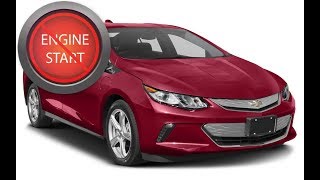
- If the vehicle still won't start, place the key fob in the transmitter pocket. For the ELR, this is located inside the center console storage area, under the rubber mat. Place the fob in the indentation, buttons facing up, and press the start button. This is the official procedure 🎬 See how to start your car with a dead fob battery. for starting with a low fob battery.
- If the problem persists, use a professional-grade scan tool to read codes from the Theft Deterrent Module (TDM) and Body Control Module (BCM).
- Follow the diagnostic procedures outlined in GM service literature or TSB #PIC5650M for codes B3060, B3055, and B3935.
Parts You'll Likely Need
- Key Fob Battery
(OEM #CR2032)— This is the most common and simplest fix when the key signal is weak.
Trusted brands: Energizer, Duracell, Panasonic
OEM price range: $5-$10
Aftermarket price range: $2-$8 - Keyless Entry Remote Fob
(OEM #22875120)— If the internal transponder fails, the entire fob must be replaced and programmed.
Trusted brands: ACDelco (OEM)
OEM price range: $150-$250
Aftermarket price range: $70-$150 - Theft Deterrent Control Module (TDM)
(OEM #13587223 (Verify with VIN, shared with Chevy Volt))— This module reads the key's signal. If it fails, it cannot verify the key, preventing the car from starting. Replacement requires programming.
Trusted brands: ACDelco (OEM)
OEM price range: $200-$400
Aftermarket price range: $150-$300
Related Codes That Often Appear With This One
- B3055 — Relates to a problem with the key transponder itself. Often set alongside B3060 when there's a key recognition issue.
- B3935 — Indicates a transponder frequency mismatch, also related to the immobilizer system and often cited in the same TSBs as B3060.
Technical Service Bulletins (TSBs) & Recalls
- PIC5650M: Addresses an intermittent no crank, no start, or start stall concern with the security light on, potentially involving codes B3055, B3060, and B3935. It highlights RF interference from other fobs, access cards, and aftermarket electronic devices as a primary diagnostic consideration before replacing any parts.
Platform-Specific Known Issues
- Susceptibility to RF Interference: The platform is highly susceptible to Radio Frequency Interference, as documented in TSB PIC5650M, which can trigger code B3060 and a no-start condition without any parts being faulty. Owners on forums frequently report solving intermittent no-start issues simply by removing other fobs or building access cards from their keychain.
- Real-World Repair Story: On the gm-volt.com forums, a user with a platform-mate vehicle described an intermittent 'No Remote Detected' issue. After replacing the fob battery with no success, they discovered the problem only occurred when their work ID badge was in the car. Removing the badge permanently solved the no-start problem, confirming the RF interference diagnosis from TSB PIC5650M.
Mechanic-Grade Diagnostic Values
- Immobilizer Exciter Coil Function Test — expected: An LED on a simple coil tester tool should flash when the key is inserted and turned.. Failure: If the LED on the tester does not flash, it indicates a potential problem with the exciter coil in the ignition switch or the signal from the TDM.
- Scan Tool TDM 'Valid Key' Parameter — expected: The parameter should read 'Yes' when a known good, programmed key is used.. Failure: If the parameter reads 'No' with a key that should be programmed, it points to a faulty key transponder or a problem within the TDM itself.
Scan Tool Commands That Help
- GDS2 (GM Global Diagnostic System 2): Immobilizer Learn — This function is required after replacing the Theft Deterrent Module (TDM), Body Control Module (BCM), or Engine Control Module (ECM). It involves a security-access procedure through GM's online TIS2Web service and typically takes around 10-12 minutes to complete.
- GDS2 (GM Global Diagnostic System 2): Add or Replace Key Fobs — Used to program new or additional keys to the vehicle. The function is found under the 'Remote Control Door Lock Receiver' module configuration. This is necessary when a key is replaced due to internal failure.
- Manual Relearn Procedure (No Scan Tool): 30-Minute Security Relearn — This procedure can sometimes be used to resynchronize existing keys if they lose communication, but it is primarily for older Passlock systems and may not apply to the ELR's push-button start system. The official method for the ELR involves a scan tool. However, the general GM procedure involves turning the key to 'ON' for 10 minutes until the security light goes out, then turning it 'OFF' for 5 seconds, and repeating this sequence three times for a total of 30 minutes.
Wiring & Ground Locations
- Main Engine/Transmission Ground — A large, heavy-gauge ground strap typically connects the engine block or transmission case to the vehicle's frame rail, often near the firewall.. A poor main ground can cause unstable voltage and unpredictable behavior in various electronic modules, including the BCM and TDM, potentially leading to communication errors that mimic a security issue.
- Battery to Frame/Chassis Ground — The main negative battery cable connects directly to the vehicle's frame or a dedicated grounding point in the rear compartment where the 12V battery is located.. Corrosion or a loose connection at this primary ground point can cause system-wide low voltage issues, which can prevent the TDM from operating correctly. The condition for running the DTC B3060 check is battery voltage greater than 9.5 volts.
- Instrument Panel / BCM Grounds — Multiple smaller ground wires for the instrument panel harness and Body Control Module are typically attached to the metal dash frame or A-pillar structure.. The BCM and TDM rely on a clean ground reference. A localized poor ground in the dash area can directly impact the theft deterrent system's ability to communicate and function correctly.
Real Owner Repair Stories
- Reddit user on r/volt (Chevrolet Volt (platform mate)) — Intermittent 'No remote detected' message.
❌ Tried (didn't work) Replacing the key fob battery.
✅ What actually fixed it Disconnecting the 12V battery for one hour to allow all modules to fully discharge and reset. After reconnecting the battery, the issue was resolved.
Helpful Videos
We Have This Part in Stock

The information in this article is provided for general reference and educational purposes only. Vehicle specifications, procedures, and part compatibility can vary by production date, trim level, and region. Always consult your vehicle's factory service manual and verify part numbers before purchasing or performing repairs. Safety-critical components such as airbags, seat belts, and braking systems should be installed by a qualified professional.
- Cadillac ELR:
- 🧭 Diagnostic Flowchart
- 🎬 Helpful Videos
- 🛍️ Shop This Part
- What's Unique About the 2014-2016 Cadillac ELR
- Symptoms You May Notice
- Most Likely Causes
- Rare But Worth Checking
- Diagnosis Steps
- Parts You'll Likely Need
- Related Codes That Often Appear With This One
- Technical Service Bulletins (TSBs) & Recalls
- Platform-Specific Known Issues
- Mechanic-Grade Diagnostic Values
- Scan Tool Commands That Help
- Wiring & Ground Locations
- Real Owner Repair Stories
- 🎟️ Get 5% Off