

B3060 on 2007-2014 Cadillac Escalade ESV: Anti-Theft Fault, Causes, and Fixes
Code B3060 on a 2007-2014 Escalade ESV means the anti-theft system has detected an unprogrammed key. This typically results in a no-start or start-and-stall condition. The most common fix is replacing the ignition lock cylinder and performing a key relearn procedure, with parts costing between $70 and $150.
- B3060 means your Escalade's anti-theft system doesn't recognize the key, which will prevent the engine from starting.
- Before buying parts, try using a spare key and remove all other RFID fobs from your keyring to rule out simple issues.
- The most common mechanical failure is a worn-out ignition lock cylinder, which is a moderately difficult DIY repair.
- The 30-minute key relearn procedure is a necessary step after replacing parts and can sometimes resolve the issue on its own temporarily.
- Due to the need for potential programming, professional service is recommended if you are not comfortable with electrical diagnostics.
What's Unique About the 2007-2014 Cadillac ESCALADE ESV
The third-generation (GMT900) Escalade uses GM's Pass-Key III+ (PK3+) immobilizer system. This system is known for being sensitive to wear and tear in the ignition switch and lock cylinder components. Over time, the electrical contacts that read the transponder key can degrade, leading to intermittent signal loss. This can trigger a B3060 code even with a valid key, often causing the frustrating no-start or start-and-stall symptoms described in GM's technical service bulletins. The issue is so prevalent on the GMT900 platform that GM has issued multiple TSBs (like PIC5650M) addressing the intermittent nature of the fault, which often makes it hard for technicians to duplicate.
Diagnostic Flowchart
Tap your situation to follow the diagnostic path that matches what you're seeing on this vehicle.
Symptoms You May Notice
- Engine does not crank or start.
- Engine starts and then immediately stalls.
- Security light is illuminated or flashing on the dashboard.
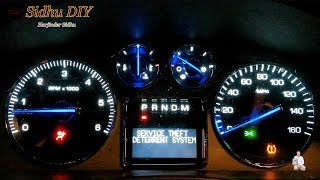
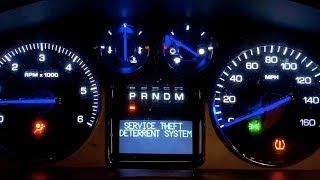
- "Service Theft Deterrent System" message on the driver information center. 🎬 See how to reset the Service Theft Deterrent System message.
- Replacing the starter motor without checking for security codes first.
- Replacing the battery without addressing the underlying immobilizer fault that may have been triggered by the low voltage.
- Assuming the key is bad when the ignition lock cylinder's reader has failed.
Most Likely Causes
- Faulty Ignition Lock Cylinder/Switch 🔴 High Probability → Shop Ignition Switch The contacts within the ignition switch assembly that read the key's transponder chip are a known wear item on this platform, leading to intermittent or failed communication. The entire assembly, including the lock cylinder where the key is inserted and the electronic switch it connects to, is a common failure point.
How to confirm: With a capable scan tool, monitor the immobilizer data while wiggling the key in the ignition. If the key data becomes erratic or disappears, the lock cylinder/switch assembly is faulty. A physical inspection may also reveal looseness or damage.
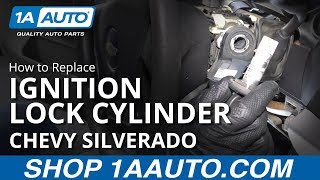
Typical fix: Replace the ignition lock cylinder and perform the 30-minute key relearn procedure. 🎬 Watch this step-by-step guide on replacing the ignition lock cylinder. The ignition switch is often replaced at the same time as a preventative measure.
Est. part cost: $70-$150 - Defective or Unprogrammed Ignition Key 🟡 Medium Probability → Shop Ignition Switch The transponder chip inside the key can fail, or the key can lose its programming, especially after a battery failure or replacement. Using a non-programmed copy will also trigger this code. Keys that are worn out can also fail to make proper contact inside the lock cylinder.
How to confirm: Try starting the vehicle with a spare key. If the spare key works correctly, the original key is the problem. If all keys are lost, a new key must be cut and programmed.
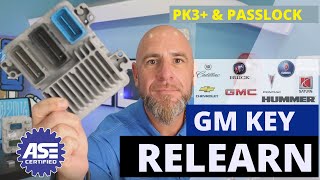
Typical fix: Program a new key to the vehicle using a specialized tool or the onboard relearn procedure. 🎬 Watch: How to program a new key for PK3+ systems.
Est. part cost: $50-$120 - Radio Frequency (RFID) Interference ⚪ Low Probability As noted in TSB PIC5650B, PIC5650C, and PIC5650K, strong RFID devices on the same keyring (like building access cards, gas station payment fobs, or even other car keys) can interfere with the 125 kHz signal between the key and the vehicle's immobilizer antenna. Aftermarket electronics like LED lights or phone chargers can also cause RFI.
How to confirm: Remove all other fobs and cards from the keyring, leaving only the vehicle key. Attempt to start the vehicle again. Turn off any aftermarket accessories plugged into the vehicle.
Typical fix: Keep RFID-emitting devices on a separate keyring from the vehicle key. Remove low-quality aftermarket electronics.
Est. part cost: $0 - Failing Body Control Module (BCM) ⚪ Low Probability → Shop Body Control Module While not specific to this code, BCMs on the GMT900 platform can fail, causing a wide range of bizarre electrical issues. A BCM failure can prevent communication with the theft deterrent system, leading to a no-start and various codes, including B3060. GM issued a service bulletin (07-08-47-004D) warning technicians that the BCM can be damaged if its ground path is removed while battery power is still connected.
How to confirm: This is a diagnosis of exclusion. If the key, ignition switch, and wiring have all been confirmed to be good, the BCM itself may be the source of the fault. This requires advanced diagnostics, often looking for communication codes (U-codes) and checking for other BCM-related symptoms like erratic lights, wipers, or parasitic battery drain.
Typical fix: Replace and program the Body Control Module, which requires a dealer or specialized shop with GM programming tools.
Est. part cost: $250-$450
Rare But Worth Checking
- Low Battery Voltage: → Shop Vehicle Battery A weak or dying battery can cause communication errors between various modules, including the BCM and immobilizer system, leading to a false B3060 code. Always ensure the battery is fully charged and healthy before diagnosing other components.
- Damaged Wiring or Connectors: The wiring between the ignition lock cylinder and the BCM can become damaged or loose, especially around the tilt-steering column. A visual inspection of the harness is warranted if other causes are ruled out. A user on a forum noted that tampering with the ignition could lead to loose connections or misaligned pins.
Diagnosis Steps
- Verify the battery is fully charged and passes a load test. Low voltage can cause numerous electronic issues.
- Scan the Body Control Module (BCM) for DTC B3060 and any other related codes (e.g., B3055, B3935).
- Attempt to start the vehicle with a known-good spare key, if available. This is the quickest way to rule out a faulty key.
- Remove any other RFID fobs or cards from the keyring and try again.
- Perform the GM 30-minute key relearn procedure. This involves turning the key to 'ON' for 10 minutes (until the security light goes out), turning it off for 20-30 seconds, and repeating this cycle three times. A video by ProgramAutoKeys on YouTube provides a clear visual guide for this process.
- If the relearn procedure fails or the problem returns quickly, inspect the wiring and connector at the ignition lock cylinder for damage or looseness.
- If wiring is intact, the most likely cause is a faulty ignition lock cylinder/switch assembly. This is the most common repair for this code.
- If all other components are verified to be good, the Body Control Module (BCM) may require professional diagnosis and potential replacement.
Parts You'll Likely Need
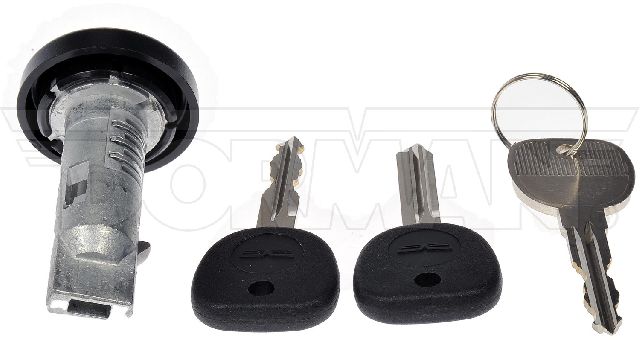
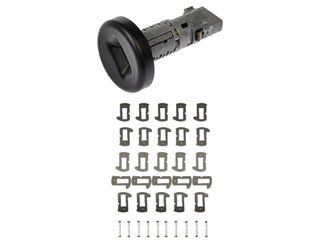
- Ignition Lock Cylinder
(OEM #D1497G)— This component contains the sensor (exciter coil) that reads the key's transponder chip and is the most common failure point for code B3060 on this vehicle. It requires programming upon installation.
Trusted brands: ACDelco, GM Genuine Parts
OEM price range: $100-$150
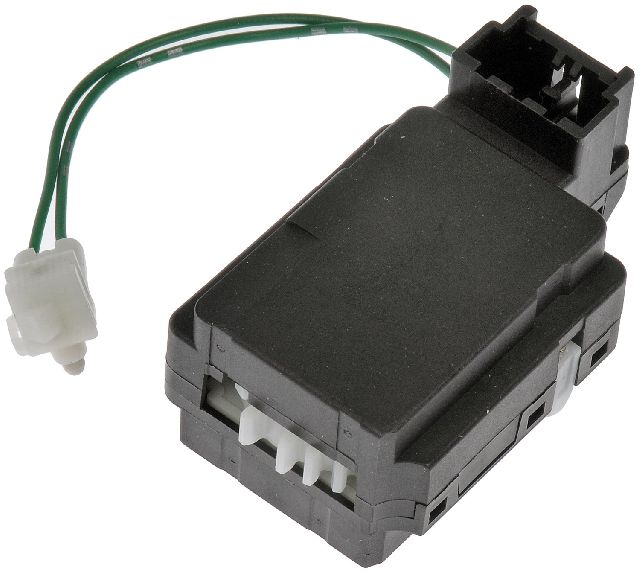
Aftermarket price range: $70-$110 - Ignition Switch
(OEM #D1433G)— This is the electrical switch portion connected to the lock cylinder. While less common to fail than the cylinder itself, it can also cause starting issues and is often replaced at the same time due to accessibility.
Trusted brands: ACDelco, Standard Motor Products
OEM price range: $70-$90
Aftermarket price range: $40-$60
Related Codes That Often Appear With This One
- B3055 — Often appears with B3060 as it relates to a 'No Transponder Key' or a problem with the key itself, which is part of the same diagnostic sequence. TSB PIC5650M explicitly lists B3055 and B3060 together.
- B3935 — This code relates to a transponder circuit fault, pointing directly to the hardware (ignition switch, wiring) involved in reading the key. It is frequently cited alongside B3060 in GM service bulletins.
Technical Service Bulletins (TSBs) & Recalls
- PIC5650M: Addresses intermittent no crank/no start or start/stall with the security light on, listing B3060 as a primary diagnostic code for the fault.
- PIC5650B/C/K: These bulletins specifically call out Radio Frequency Interference (RFI) from aftermarket devices and even other keys on the keyring as a cause for this exact set of symptoms and codes.
- PIE0232: An engineering information bulletin from 2012 where GM was actively investigating the root cause of B3060, B3055, and B3935 on 2013 models.
- 07-08-47-004D: Informs technicians that the BCM can be damaged if its ground is disconnected while the battery is still connected, a potential cause for BCM failure.
Platform-Specific Known Issues
- The provided NHTSA Technical Service Bulletin (PIC5650M) directly links B3060 to intermittent no-crank, no-start, or start-and-stall conditions accompanied by the security light, confirming this is a recognized issue by the manufacturer.
- A thread on the Tahoe Yukon Forum titled 'Cranks, turns over, runs, then dies' discusses similar symptoms, highlighting the shared nature of this problem across the GMT900 platform.
Scan Tool Commands That Help
- GDS2 / Tech2: TDM Valid Key — When diagnosing a potential key failure, a technician can use a scan tool to monitor the 'TDM Valid Key' parameter. While turning the ignition on with each available key, the parameter should read 'Yes'. If it does not, that specific key is faulty.
- GDS2: Add/Replace Key Fobs — After replacing a key or the BCM, a technician must use the 'Add/Replace Key Fobs' function within the 'Remote Control Door Lock Receiver' module settings to program the new components to the vehicle.
- GDS2: Immobilizer Learn — This function is required when replacing the Theft Deterrent Module (TDM) or Body Control Module (BCM). It teaches the vehicle's modules the new transponder key values. This is a dealer-level function accessed through the Service Programming System (SPS).
Wiring & Ground Locations
- G201 — In the upper left corner of the instrument panel, near the A-pillar on the driver's side.. This is a primary instrument panel ground. A poor connection here can cause communication issues for multiple modules, including the Body Control Module (BCM), which plays a central role in the anti-theft system.
- G301 — Under the left side of the passenger seat.. This ground serves components in the passenger compartment. In a related case involving a low-speed data line fault (which can cause similar no-start conditions), a corroded connector under the passenger seat was the root cause due to water intrusion from vehicle detailing. Checking grounds and connectors in this area is a valuable step for hard-to-diagnose electrical issues.
- BCM Ground Path — The ground path for the Body Control Module (BCM) runs through various connectors and splice packs in the instrument panel.. GM issued a specific bulletin (07-08-47-004D) warning that the BCM can be permanently damaged if its ground path is removed while the main battery is still connected. This makes checking for a bad BCM ground a critical, but delicate, diagnostic step. Always disconnect the negative battery cable first.
Real Owner Repair Stories
- YouTube channel 'Hands On Auto Training' (2012 Chevrolet Silverado (shares GMT900 platform and similar wiring)) — Intermittent no-crank, 'Service Theft Deterrent System' message on the dash.
❌ Tried (didn't work) Initial diagnosis pointed towards a common theft system failure.
✅ What actually fixed it The technician found that the low-speed data line (Pin 1 on DLC) was shorted to power. Following the wiring diagram, he traced the fault to a corroded connector under the passenger seat for the Passenger Presence Module. Water from carpet cleaning had entered the connector, causing the short and preventing communication, which mimicked a theft system fault. Cleaning the connector and securing it resolved the no-start condition.
OEM Part Supersession History
25844480→25971916— This is a common supersession for the Body Control Module (BCM) used in this vehicle range.
Heads up: While physically compatible, the replacement BCM must be programmed to the vehicle's VIN. Failure to program will result in a no-start condition and other electrical faults.
Model Year Variations Within This Range
- 2007-2014: The system used is the Pass-Key III+, which is an evolution of earlier Pass-Key systems. It uses a 32/84 bit rolling code cryptosystem, making it more secure than the fixed-code systems on older GM vehicles. This means simply matching a resistor value (a common bypass for older VATS/Passlock systems) will not work.
Helpful Videos
We Have This Part in Stock


The information in this article is provided for general reference and educational purposes only. Vehicle specifications, procedures, and part compatibility can vary by production date, trim level, and region. Always consult your vehicle's factory service manual and verify part numbers before purchasing or performing repairs. Safety-critical components such as airbags, seat belts, and braking systems should be installed by a qualified professional.
- Cadillac ESCALADE ESV:
- 🧭 Diagnostic Flowchart
- 🎬 Helpful Videos
- 🛍️ Shop This Part
- What's Unique About the 2007-2014 Cadillac ESCALADE ESV
- Symptoms You May Notice
- Most Likely Causes
- Rare But Worth Checking
- Diagnosis Steps
- Parts You'll Likely Need
- Related Codes That Often Appear With This One
- Technical Service Bulletins (TSBs) & Recalls
- Platform-Specific Known Issues
- Scan Tool Commands That Help
- Wiring & Ground Locations
- Real Owner Repair Stories
- OEM Part Supersession History
- Model Year Variations Within This Range
- 🎟️ Get 5% Off