

B3060 on 2015-2022 Cadillac Escalade ESV: No Start, Security Light Causes & Fixes
Code B3060 on a 2015-2022 Escalade ESV means the vehicle's security system doesn't recognize the key. This results in a no-start or start-and-stall condition. The most common causes are radio frequency interference near the key, a faulty key fob, or the need for a simple security relearn procedure.
- B3060 means your Escalade's security system has blocked the engine from starting because it doesn't recognize the key.
- Before spending any money, try starting the vehicle with the key fob isolated from any other keys, cards, or electronic devices.
- The next steps are to try the spare key and replace the key fob battery.
- A security relearn procedure can often solve the problem after a battery change or interference issue and can be performed without tools.
- If simple fixes don't work, professional diagnosis is needed to check the Body Control Module (BCM) and related wiring.
What's Unique About the 2015-2022 Cadillac ESCALADE ESV
For this generation of Escalade, which uses a sophisticated keyless access system, the B3060 code is often triggered by external factors rather than a hard part failure. A GM Technical Service Bulletin (TSB) #PIC5650M highlights that radio frequency (RFID) devices like toll passes, other vehicle key fobs, or even building access cards on the same keychain can interfere with the key's signal, causing this intermittent no-start condition. Before suspecting expensive modules, it's critical to rule out this external interference. The systems use 125 kHz, 315 MHz, and 433 MHz frequencies, which are susceptible to jamming from various aftermarket electronics.
Diagnostic Flowchart
Tap your situation to follow the diagnostic path that matches what you're seeing on this vehicle.
Generation note: This range covers the end of the fourth generation (2015-2020, K2XX platform) and the start of the fifth generation (2021-2022, T1XX platform). While the underlying cause is the same (security system communication failure), the electronic modules and specific locations of components differ. For instance, the transmitter pocket for a dead fob is in the center console storage area for 2015-2020 models, but in the front cupholder for 2021+ models. The 2021+ models also use GM's new Global B electrical architecture, which impacts the BCM and diagnostic procedures.
Symptoms You May Notice
- Engine will not crank or start.
- Engine starts briefly and then immediately stalls.
- Security indicator light is illuminated or flashing on the dashboard.
- "No Remote/Fob Detected" or "No Key Found" message on the driver information center (DIC).
- Passive keyless entry may not work, but the vehicle might start if the fob is placed in the designated transmitter pocket. 🎬 Watch: How to start your Escalade with a dead fob
- Replacing the starter motor. A starter will not engage if the theft deterrent system has disabled it. The lack of cranking is a symptom, not the root cause.
- Replacing the vehicle battery. While a low battery can cause many electrical issues, if the security light is on and the code is B3060, the problem is with key recognition, not just battery voltage. However, a failing battery can sometimes cause the security system to lose sync, requiring a relearn procedure after replacement.
Most Likely Causes
- Radio Frequency (RF) Interference 🔴 High Probability As noted in multiple versions of GM TSB #PIC5650, the vehicle's immobilizer and keyless entry systems operate at frequencies that are highly susceptible to interference from other RFID devices. Common culprits include other vehicle key fobs, building access cards, toll passes, and even some aftermarket phone chargers or LED lights.
How to confirm: Remove all other keys, fobs, and RFID cards from the keychain. Try starting the vehicle with the Escalade key fob by itself. If the vehicle starts, interference was the cause. Also, remove any aftermarket chargers or devices plugged into the vehicle's power outlets.
Typical fix: Keep the vehicle key fob separate from other RFID-emitting devices. Advise the customer about the potential for interference as described in the owner's manual.
Est. part cost: $0 - Faulty or Weak Key Fob 🟡 Medium Probability → Shop Keyless Entry Transmitter Key fobs can be damaged by being dropped, and internal batteries wear out over time, leading to a weak or no signal. The battery for 2015-2020 fobs is a CR2032, while the 2021+ fobs use a CR2450. 🎬 See this quick walkthrough for replacing your key fob battery
How to confirm: First, replace the battery in the key fob. If that fails, try using the vehicle's second key fob. If the second fob works reliably, the first one is faulty. You can also try starting the vehicle by placing the suspect fob in the transmitter pocket (center console for 2015-2020, cupholder for 2021+) which is designed to work with a dead battery.
Typical fix: Replace the key fob battery. If the fob itself is faulty, it will need to be replaced and programmed to the vehicle.
Est. part cost: $5-$15 for a battery, $150-$400 for a new OEM key fob plus programming. - Security System Relearn Needed 🟡 Medium Probability This can sometimes occur after a dead or disconnected vehicle battery, or after attempting to start with a weak key fob battery, causing the system to lose synchronization. It can also be required after a BCM replacement.
How to confirm: This is more of a repair step than a confirmation. If the keys are known to be good and there is no interference, performing the relearn procedure is the next logical step.
Typical fix: Perform the GM key relearn procedure. For a lost key scenario on a 2015-2020 model, this involves a 30-minute procedure of 10-minute intervals using the push-start button. 🎬 Watch: How to program a new smart key remote For adding a key on a 2021+ model with two recognized keys, it can be done via the DIC menu. A full immobilizer relearn requires a scan tool like GDS2 and access to GM's Service Programming System (SPS).
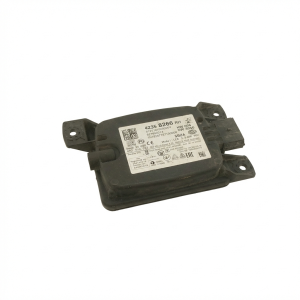
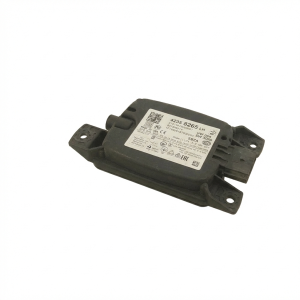
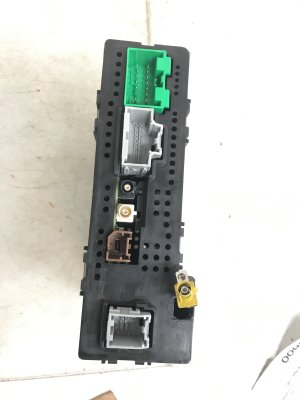
Est. part cost: $0 - Faulty Body Control Module (BCM) ⚪ Low Probability → Shop Body Control Module The BCM is the central computer for many body and security functions. Though robust, it can fail electronically due to issues like cracked solder joints or internal component failure, causing a wide range of issues, including immobilizer faults. A poor ground connection at G218 can also cause erratic BCM behavior.
How to confirm: This requires a professional scan tool to check for communication with the BCM and look for internal fault codes. A technician may also check power, ground, and data lines to the module. Specifically, check the integrity of ground G218 on 2015-2016 models. In some cases, physical inspection of the BCM circuit board may reveal burnt components or bad solder joints.
Typical fix: The BCM must be replaced and then programmed to the vehicle using dealer-level software (SPS/SPS2). This is not a simple swap and requires specialized tools.
Est. part cost: $300-$600 for the part, plus labor and programming.
Rare But Worth Checking
- Faulty Keyless Entry Antenna / Exciter Ring: → Shop Antenna The antenna that energizes and reads the key transponder can fail. This is less common than key or BCM issues but can prevent the key's signal from being received. The system uses multiple antennas for the passive entry system.
- Wiring Harness Damage: Damage to the wiring between the BCM, keyless entry module, or ignition switch can cause a loss of communication and trigger this code. This can be caused by corrosion, chafing, or previous improper repairs.
Diagnosis Steps
- Check the dashboard for an illuminated security light when the no-start condition occurs.
- Question the driver about any aftermarket devices (phone chargers, LED lights, etc.) and inspect the vehicle, removing any found.
- Remove all other keys, fobs, and RFID cards from the keychain and attempt to start the vehicle with only the Escalade key present.
- If the vehicle is push-to-start, place the fob in the designated transmitter pocket and try again. For 2015-2020 models, this is a vertical slot inside the center console storage area. For 2021-2022 models, this is the front cupholder.
- Try the vehicle's spare key fob. If it works, the primary fob is likely the issue.
- Replace the battery in the non-working key fob. (CR2032 for 2015-2020, CR2450 for 2021-2022).
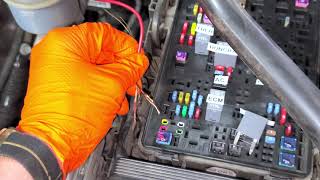
- Inspect the underhood fuse box for a faulty 'Run/Crank' relay by swapping it with an identical relay from a non-essential system (like rear defogger).
- If the issue persists with both keys, attempt the GM Security Relearn Procedure. This is a 30-minute process for adding a new key when all are lost on 2015-2020 models.
- If the relearn procedure fails, the vehicle should be diagnosed with a professional scan tool capable of reading GM body codes to check communication with the Theft Deterrent Module (TDM) and Body Control Module (BCM).
Parts You'll Likely Need
- Key Fob Battery
(OEM #CR2032 (2015-2020) / CR2450 (2021-2022))— The most common and cheapest fix for a weak signal from the key fob.
Trusted brands: Energizer, Duracell, Panasonic
OEM price range: $5-$15
Aftermarket price range: $2-$10 - Keyless Entry Remote (Key Fob)
(OEM #ACDelco 13580812 (FCC ID: HYQ2AB) for 2015-2020 models)— If the internal transponder fails, the entire fob must be replaced and programmed.
Trusted brands: ACDelco (OEM), Car Keys Express
OEM price range: $150-$400
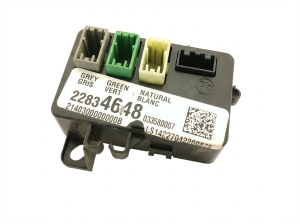
Aftermarket price range: $50-$150 - Body Control Module (BCM) — In less common cases, the BCM itself fails and is unable to recognize valid keys. It is the central hub for the security system and requires programming upon replacement.
Trusted brands: ACDelco (OEM)
OEM price range: $300-$600
Aftermarket price range: $200-$450
Related Codes That Often Appear With This One
- B3055 — Often set with B3060, relates to a problem with the key transponder. The TSB #PIC5650M lists them together as part of the same no-start symptom.
- B3935 — Transponder Authentication Failed. This is another code indicating the security handshake between the key and the vehicle failed, often seen with B3060 and mentioned in TSB #PIC5650M.
Technical Service Bulletins (TSBs) & Recalls
- PIC5650M: Addresses intermittent no crank/no start with security light on, citing DTCs B3055, B3060, and B3935. It strongly points to RF interference as a primary cause to investigate before replacing parts. It lists numerous sources of interference including other keys, toll passes, and aftermarket electronics like LED lights and phone chargers.
- PIE0232: An earlier engineering information bulletin for 2013 models that mentions B3060, B3055, and B3935 related to no-crank conditions, showing this has been a long-standing issue for GM trucks and SUVs.
Platform-Specific Known Issues
- Transmitter Pocket Location Change: The location to place a key fob with a dead battery to start the vehicle differs by generation. For the 4th gen (2015-2020), it's a dedicated slot inside the center console storage bin. For the 5th gen (2021-2022), the designated spot is the front cupholder.
- Key Relearn Procedure Nuances: The procedure to program new keys can vary. For a 2015-2020 model where all keys are lost, a 30-minute procedure initiated by turning the physical key in the door lock is required. For a 2021+ model where at least two keys are present, a new key can be added simply through the Driver Information Center (DIC) menu.
Mechanic-Grade Diagnostic Values
- Vehicle Battery Voltage (Key Off) — expected: ~12.6 Volts. Failure: Below 12.2V may indicate a discharged battery that can cause erratic module behavior.
- Vehicle Battery Voltage (Engine Running) — expected: 13.7 - 14.7 Volts. Failure: Readings outside this range suggest a problem with the alternator or voltage regulator, which can disrupt module power and communication.
Scan Tool Commands That Help
- GM GDS2: Immobilizer Learn — Used after replacing the BCM or when all keys are lost. This function performs a 10-minute security wait and reprograms the immobilizer system. It requires an online connection to GM's Service Programming System (SPS/SPS2).
- GM GDS2: Add/Replace Key Fobs — Found under 'Remote Control Door Lock Receiver' or 'Body Control Module' diagnostics. This function is used to program additional keys when at least one working key is present. It's a guided process to put the system in learn mode.
- GM GDS2: Module Diagnostics > Data Display — To monitor live data from the BCM and other modules. While specific immobilizer status PIDs are limited, a technician can check for communication status, key ID numbers received, and other related data points to diagnose the fault.
Wiring & Ground Locations
- G218 — Behind the driver's side left kick panel, near the floor.. GM Service Bulletin PIT5405B identifies a poor connection at BCM ground G218 as a potential cause for no-start and other electrical concerns on 2015-2016 models. An intermittent ground here can disrupt BCM operation and its ability to validate the key, triggering a B3060.
- Body Control Module (BCM) — For 2015-2020 (K2XX) models, the BCM is located behind the driver-side lower dashboard/knee bolster, often integrated with the interior fuse block assembly.. This is the central module that manages the theft deterrent system. Physical access is required for inspection of connectors, testing power/ground wires, and replacement.
Real Owner Repair Stories
- YouTube channel 'Mike_Stanceco' (2017 Cadillac Escalade ESV, 107,000 miles) — Intermittent 'click-no-start' condition with a good battery.
❌ Tried (didn't work) Considered replacing the battery and starter but tried a simpler fix first.
✅ What actually fixed it The owner performed a 'Big 3 Upgrade' by adding supplemental, heavy-gauge ground wires from the battery to the chassis and engine block, and upgrading the power wire to the starter. This suggests the original factory grounds were insufficient or had high resistance, causing the no-start. - YouTube channel 'Dans VW channel' (2007 Cadillac Escalade) — No crank, no start, no click from the starter. Battery and starter were known to be good.
❌ Tried (didn't work) Searching online forums which suggested starter or battery replacement.
✅ What actually fixed it The issue was a failed 'Run/Crank' relay in the underhood fuse box. The owner swapped it with an identical relay from the rear defogger circuit, and the vehicle started immediately. The final fix was to replace the old relay.
Model Year Variations Within This Range
- 2021-2022: These models are built on the newer T1XX platform which uses GM's Vehicle Intelligence Platform, also known as Global B electrical architecture. This is a fundamental change from the K2XX platform (2015-2020). The BCM is different, and all module programming and diagnostics require newer software (e.g., Techline Connect, SPS2) instead of the older Tis2Web/SPS system. While the B3060 code's meaning is the same, the diagnostic and repair procedures are specific to this modern architecture.
Helpful Videos

We Have This Part in Stock

The information in this article is provided for general reference and educational purposes only. Vehicle specifications, procedures, and part compatibility can vary by production date, trim level, and region. Always consult your vehicle's factory service manual and verify part numbers before purchasing or performing repairs. Safety-critical components such as airbags, seat belts, and braking systems should be installed by a qualified professional.
- Cadillac ESCALADE ESV:
- 🧭 Diagnostic Flowchart
- 🎬 Helpful Videos
- 🛍️ Shop This Part
- What's Unique About the 2015-2022 Cadillac ESCALADE ESV
- Symptoms You May Notice
- Most Likely Causes
- Rare But Worth Checking
- Diagnosis Steps
- Parts You'll Likely Need
- Related Codes That Often Appear With This One
- Technical Service Bulletins (TSBs) & Recalls
- Platform-Specific Known Issues
- Mechanic-Grade Diagnostic Values
- Scan Tool Commands That Help
- Wiring & Ground Locations
- Real Owner Repair Stories
- Model Year Variations Within This Range
- 🎟️ Get 5% Off