

B3060 on 2017-2024 Cadillac XT5: Unprogrammed Key Code and No-Start Fixes
Code B3060 on a Cadillac XT5 means the vehicle's security system detected a key that isn't programmed to the car, causing a no-start condition. The most common causes are a faulty key fob battery, a new/unprogrammed key, or radio frequency interference from other devices on your keychain. Trying the spare key fob is the first step. If the fob battery is dead, place it in the transmitter pocket in the center console cupholder to start the car.
- B3060 means your car doesn't recognize your key, triggering the anti-theft system and preventing it from starting.
- Before calling a tow truck, try your spare key and remove all other electronic items from your keychain to rule out simple interference.
- The easiest and most common fixes are replacing the small battery inside your key fob or placing the fob in the designated transmitter pocket inside the car.
- If simple fixes don't work, the car will need professional service for key reprogramming or further diagnosis of the security system.
What's Unique About the 2017-2024 Cadillac XT5
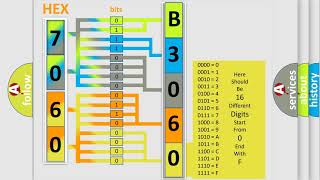
The Cadillac XT5, like many modern GM vehicles built on the C1XX platform, uses a sophisticated passive keyless entry and start system. This system is notoriously sensitive to radio frequency (RF) interference, which can mimic the symptoms of a failed component. GM has issued multiple versions of a Technical Service Bulletin (PIC5650) that specifically address intermittent no-start conditions with code B3060. 🎬 Watch: A quick explanation of the B3060 trouble code. The TSB explicitly calls out RFI from devices like aftermarket LED lighting, USB phone chargers, toll passes, and even other vehicle key fobs on the same keychain as a primary cause. This sensitivity means that diagnosis must start by eliminating these external interference sources before replacing expensive parts.
Diagnostic Flowchart
Tap your situation to follow the diagnostic path that matches what you're seeing on this vehicle.
Symptoms You May Notice
- Engine will not crank or start.
- Engine starts and immediately stalls.
- Security indicator light is illuminated or flashing on the dashboard.
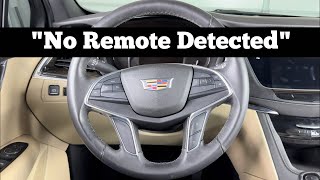
- "No Remote Detected" or "No Remote Key Was Detected Place Key In Transmitter Pocket Then Start Your Vehicle" message on the driver information center.
- Passive entry (touching door handle to unlock) stops working.
- Remote Keyless Entry (RKE) buttons work intermittently or not at all.
- Replacing the starter motor. A no-crank condition caused by the security system is often mistaken for a bad starter, but the starter is simply being prevented from engaging electronically.
- Replacing the 12V vehicle battery without proper testing. While a weak battery can be a cause, people often replace it without confirming it's the root problem, only for the no-start issue to persist. A comprehensive load test is required.
Most Likely Causes
- Radio Frequency Interference (RFI) 🔴 High Probability The vehicle's keyless entry and immobilizer systems operate on frequencies (125 kHz, 315 MHz, 433 MHz) that can be 'jammed' by other electronic devices. GM TSB PIC5650M specifically lists aftermarket LED lights, USB chargers, power banks, toll passes, and other key fobs as common culprits.
How to confirm: Remove all other keys, fobs, access cards, and electronic devices (especially aftermarket USB chargers) from the keychain and from inside the vehicle. Try starting the vehicle with only the XT5 key fob present. If it starts, RFI was the cause.
Typical fix: Keep other RFID or electronic devices separate from the vehicle's key fob. Remove any low-quality aftermarket electronics from the vehicle.
Est. part cost: $0 - Weak or Dead Key Fob Battery 🟡 Medium Probability → Shop Vehicle Battery A weak battery can produce a signal that is too faint or corrupted for the Theft Deterrent Module to read correctly, leading to an authentication failure.
How to confirm: Try the spare key fob. If the spare key works, the battery in the primary key is the issue. Alternatively, place the non-working fob in the designated transmitter pocket, which is located in the bottom of the center console cup holder, and try to start the engine. If the vehicle starts, the fob battery is confirmed to be weak.
Typical fix: Replace the CR2032 battery in the key fob.
Est. part cost: $5-$10 - Unprogrammed or Faulty Key Fob 🟡 Medium Probability → Shop Keyless Entry Transmitter This occurs if a new, aftermarket, or incorrect key is used. The internal transponder chip may also fail in the original key, rendering it unrecognizable to the vehicle.
How to confirm: Attempt to start the vehicle with a known-good spare key. If the spare works and the primary key does not (even with a new battery and after trying the transmitter pocket), the primary key is faulty or has lost its programming.
Typical fix: The faulty key must be replaced and/or all keys must be reprogrammed to the vehicle by a dealer or automotive locksmith.
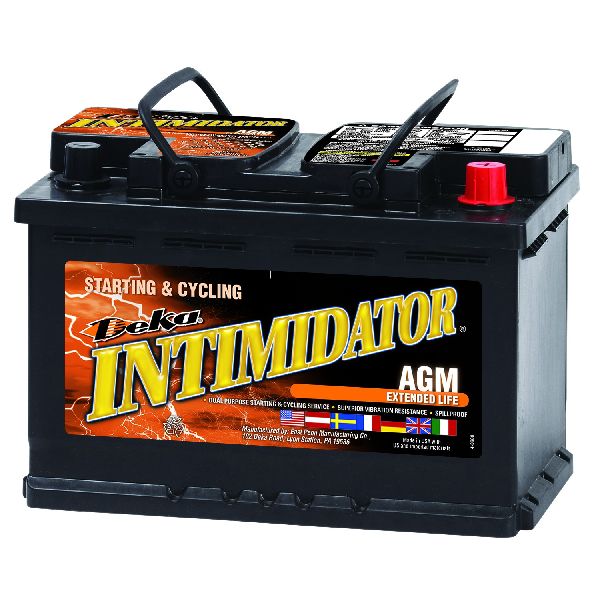
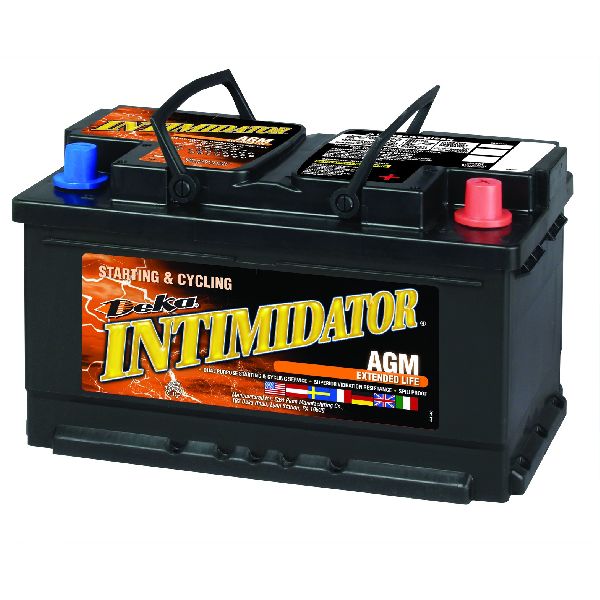
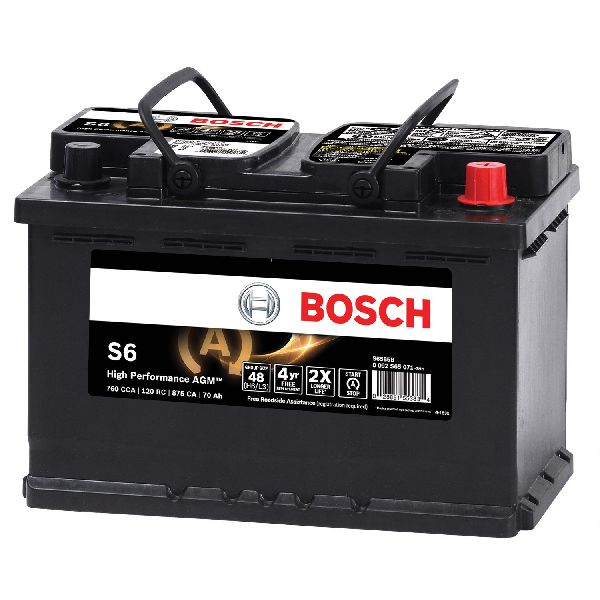
Est. part cost: $150-$400 - Weak 12V Vehicle Battery ⚪ Low Probability → Shop Vehicle Battery Modern vehicles like the XT5 are packed with electronics that are sensitive to voltage. A weak main AGM battery can cause low voltage conditions for various control modules, including the TDM and BCM, leading to communication errors and fault codes. Owners have reported other electrical gremlins like 'Service Stabilitrak' messages that were ultimately traced to a weak battery.
How to confirm: Test the main 12V AGM battery with a professional digital battery tester that can check for internal resistance and cold cranking amps. A simple voltage check is often not sufficient, as a battery can show 12V but fail under load. A dealer test may take up to an hour to confirm failure.
Typical fix: Replace the 12V AGM vehicle battery.
Est. part cost: $250-$450
Rare But Worth Checking
- Faulty Theft Deterrent Module (TDM) or Body Control Module (BCM): → Shop Anti-Theft Control Module While uncommon, the module responsible for reading the key can fail. This is typically a last resort after all other possibilities (keys, batteries, interference) have been exhausted. Replacement requires programming with dealer-level tools.
- Faulty Immobilizer Antenna/Exciter Coil: → Shop Antenna The coil that energizes the key transponder can fail, preventing communication. On push-to-start models, this antenna is located in the center console area near the transmitter pocket. This is a rare failure.
Diagnosis Steps
- Verify B3060 is the active code using an OBD-II scanner capable of reading Body (B) codes.
- Question the driver about any new devices on their keychain or in the car. Per TSB PIC5650M, remove all non-essential items from the key ring and unplug any aftermarket chargers or devices.
- Attempt to start the vehicle with the spare key fob. If it starts, the issue is with the primary fob.
- If the primary fob is suspect, replace its internal battery (typically a CR2032).
- If the key fob battery is new and it still doesn't work, place the fob in the vehicle's transmitter pocket. This pocket is located inside the center console storage area, often in the cupholder. Attempt to start the engine. If it starts, it confirms a communication issue (weak fob or RFI) rather than a programming failure.
- If the vehicle still won't start with either key in the transmitter pocket, perform a full diagnostic test on the main 12V vehicle battery using a digital load tester.
- If all keys fail and the vehicle battery is good, a key relearn procedure may be necessary. For an 'all keys lost' situation, a 30-minute DIY procedure may work: Turn the physical key in the driver's door lock 5 times in 10 seconds. The DIC should show 'REMOTE LEARN PENDING'. Wait 10 minutes, press the START button, and repeat this 10-minute wait cycle two more times. If this fails, a dealer scan tool is required.
- If the relearn procedure fails, professional diagnosis of the Theft Deterrent Module, BCM, and related wiring is required.
Parts You'll Likely Need
- Key Fob Battery
(OEM #CR2032)— This is the most common and cheapest fix. A weak battery prevents the key from properly communicating its ID to the car.
Trusted brands: Energizer, Duracell
OEM price range: $5-$10
Aftermarket price range: $2-$8 - Key Fob / Transmitter
(OEM #For 2017-2020: 13598516, 13510245 (FCC ID: HYQ2EB). For 2020-2024: 13544052 (FCC ID: HYQ2ES). Verify by VIN.)— If the key fob itself has failed internally or is lost, a new one is required. It must be programmed to the vehicle by a professional.
Trusted brands: ACDelco, GM Genuine Parts
OEM price range: $150-$300
Aftermarket price range: $50-$150 - AGM 12V Vehicle Battery — A weak main vehicle battery can cause low-voltage errors in multiple electronic modules, including the anti-theft system, leading to various codes including B3060.
Trusted brands: ACDelco
Related Codes That Often Appear With This One
- B3055 — Relates to a problem with the key transponder itself (e.g., no transponder modulation). Often appears with B3060 as part of the same security system fault.
- B3935 — Another transponder-related code, indicating an incorrect password from the key. It's part of the same family of security codes and is mentioned in TSB PIC5650.
- C0750, C0755, C0760, C0765, C0775 — These are Tire Pressure Monitor (TPM) sensor codes. They can appear alongside B3060 because the TPM system and the keyless entry system both use RF communication (315/433 MHz) and can be affected by the same sources of interference, as noted in TSB PIC5650M.
Technical Service Bulletins (TSBs) & Recalls
- PIC5650M: Addresses intermittent no crank, no start, or start/stall with security DTCs B3055, B3060, B3935, and related RFI-induced TPM codes. It advises technicians to investigate and remove all sources of aftermarket radio frequency interference before replacing any parts.
Platform-Specific Known Issues
- As per GM Technical Service Bulletin PIC5650M, the Cadillac XT5 is highly susceptible to intermittent no-start conditions with code B3060 due to radio frequency interference. Specific sources cited include aftermarket LED lights (especially interior ones), USB phone chargers, power banks, and other key fobs or access cards on the same keychain.
- The emergency start procedure for a dead key fob battery requires placing the fob in a specific transmitter pocket located in the center console cupholder. Many owners are unaware of this feature, which is a critical first step in diagnosis.
Mechanic-Grade Diagnostic Values
- Immobilizer Exciter Coil / Antenna Resistance — expected: 7 - 9 Ohms. Failure: A reading outside this range (open or shorted) indicates a faulty antenna coil.
- CAN Bus Voltage at BCM Connector — expected: Approximately 2.3V to 2.7V on the High-Speed LAN circuit pins.. Failure: Significant deviation or no voltage could indicate a wiring or module issue.
Hidden / Shadow Codes Worth Checking
- B3060 5A: Incorrect Transponder Identification Code Received. This specific symptom byte confirms the BCM is receiving a code from the key, but it does not match the authorized codes stored in memory. This helps distinguish it from a 'no signal' condition. (see via GM GDS2 Scan Tool, in the DTC display or immobilizer data list.)
Scan Tool Commands That Help
- GDS2: Module Diagnostics > Body Control Module > Configuration/Reset Functions > Add/Replace Key Fobs — This function is required to program new or additional key fobs to the vehicle after a key replacement.
- GDS2: Module Diagnostics > Body Control Module > Immobilizer Data — Use this to view live data such as 'Invalid Transponder Key Counter'. If this counter increases with each start attempt using a specific key, it confirms the BCM is rejecting that key's code.
- GDS2: Service Programming System (SPS) — Required to program a new Body Control Module (BCM) to the vehicle. This process downloads the correct software and VIN information to the new module, linking it to the vehicle's other systems.
Wiring & Ground Locations
- K9 Body Control Module (BCM) — On 2017-2019 models, it is typically located on the driver's side of the instrument panel, behind the trim. On 2020+ models, it may be on the passenger side. A service bulletin for 2023 models shows it accessible by pulling back the passenger's side front carpet.. The BCM integrates the immobilizer functions. All key signals, antenna inputs, and starter-disable commands originate from or pass through this module. Loose connectors at the BCM are a known issue.
- G304 — Interior ground point located on the floor, under the driver's seat/carpet area.. This is a major ground point for multiple interior electronic modules, including the BCM. A poor or corroded connection at G304 can cause intermittent and difficult-to-diagnose electronic issues, including immobilizer faults.
- Immobilizer Antenna (Center Console) — Located in the center console, forming the transmitter pocket used for starting the car with a weak fob battery.. This is the primary antenna for reading the key during a manual start attempt in the pocket. Damage to its wiring harness, often from items stored in the console or from previous repairs, can cause an open circuit and prevent key detection.
Real Owner Repair Stories
- Reddit user u/PM_ME_GOOD_MEMES_PLS (2018 Cadillac XT5) — One of two key fobs would not work. Attempted the 30-minute DIY key relearn procedure from the owner's manual.
❌ Tried (didn't work) The DIY relearn procedure successfully learned the first key but failed to recognize the second key when placed in the programming pocket., A brand new key fob ordered by the dealer also could not be programmed and was reportedly 'bricked' by the attempt.
✅ What actually fixed it The dealer diagnosed a faulty Body Control Module (BCM). The final resolution was replacing and programming a new BCM. - Cadillac Forums user report (2018 Cadillac XT5) — Intermittent no-start with code B3060. The issue occurred most frequently in a specific parking garage.
❌ Tried (didn't work) Replacing the key fob battery., Using the spare key fob., Testing the 12V vehicle battery.
✅ What actually fixed it The technician diagnosed severe Radio Frequency Interference (RFI) from the parking garage's new RFID gate access system. The fix was to keep the vehicle key fob separate from the RFID access card. - Independent shop diagnostic case (2019 Cadillac XT5) — Intermittent 'No Remote Detected' message and B3060, even with a new key fob battery. The vehicle would only start if the fob was in the transmitter pocket.
❌ Tried (didn't work) Replacing key fob battery., Clearing codes.
✅ What actually fixed it A physical inspection found a pinched wire in the harness leading to the center console immobilizer antenna (transmitter pocket). The wire was damaged from items being pushed into the console. Repairing the broken wire restored normal function.
OEM Part Supersession History
13598516→13510245— Standard part number update by GM.
Heads up: These parts are for pre-refresh (2017-2020) models with FCC ID HYQ2EB. They are not compatible with 2020+ models using the Global B architecture.13522879→13544052— Standard part number update by GM for the newer vehicle architecture.
Heads up: This part (FCC ID: HYQ2ES) is for post-refresh (mid-2020 and newer) models with the Global B / Vehicle Intelligence Platform. It is not backward compatible with older models.
Model Year Variations Within This Range
- 2017 - Early 2020: These models use GM's 'Global A' electrical architecture. The key fob has an FCC ID of HYQ2EB (PNs 13598516, 13510245). Diagnostic and programming procedures follow the established GDS2/SPS system.
- Late 2020 - 2024: These models transitioned to GM's new 'Global B' electrical architecture (Vehicle Intelligence Platform - VIP). This is a major change. The key fob has an FCC ID of HYQ2ES (PN 13544052). Modules, wiring, and some diagnostic procedures are different from earlier years. Using a pre-2020 fob on a 2020+ vehicle (or vice-versa) will not work and will set code B3060.
Helpful Videos

We Have This Part in Stock


The information in this article is provided for general reference and educational purposes only. Vehicle specifications, procedures, and part compatibility can vary by production date, trim level, and region. Always consult your vehicle's factory service manual and verify part numbers before purchasing or performing repairs. Safety-critical components such as airbags, seat belts, and braking systems should be installed by a qualified professional.
- Cadillac XT5:
- 🧭 Diagnostic Flowchart
- 🎬 Helpful Videos
- 🛍️ Shop This Part
- What's Unique About the 2017-2024 Cadillac XT5
- Symptoms You May Notice
- Most Likely Causes
- Rare But Worth Checking
- Diagnosis Steps
- Parts You'll Likely Need
- Related Codes That Often Appear With This One
- Technical Service Bulletins (TSBs) & Recalls
- Platform-Specific Known Issues
- Mechanic-Grade Diagnostic Values
- Hidden / Shadow Codes Worth Checking
- Scan Tool Commands That Help
- Wiring & Ground Locations
- Real Owner Repair Stories
- OEM Part Supersession History
- Model Year Variations Within This Range
- 🎟️ Get 5% Off