

B3060 on 2007-2014 Chevrolet Equinox: Security System Faults, Causes, and Fixes
Code B3060 on a 2007-2014 Equinox means the vehicle's security system doesn't recognize the key. This leads to a no-start condition with the security light on. The most common causes are a worn-out key, a faulty ignition switch, or radio frequency interference from other devices on your keychain. This issue is also common on its platform mates, the Pontiac Torrent and GMC Terrain.
- B3060 means your Equinox's anti-theft system has locked you out, usually due to a key communication error.
- Before attempting costly repairs, try starting the car with a different key and remove all other electronic fobs from your keychain to rule out simple causes.
- A DIY "key relearn procedure" (turning the key to ON for 10-minute intervals) can sometimes resolve the issue without a trip to the shop.
- If simple fixes don't work, the problem is likely a faulty ignition switch or, on older models, a failing Body Control Module (BCM).
- This repair almost always requires professional-level tools for key and module programming, making it a difficult DIY fix.
What's Unique About the 2007-2014 Chevrolet EQUINOX
The 2007-2014 Equinox spans two generations, both of which are susceptible to this security system fault. The first generation (2007-2009), which shares its platform with the Pontiac Torrent and Suzuki XL-7, often experiences 🎬 Watch: Troubleshooting a no-start condition on this specific platform. issues with the Body Control Module (BCM) which integrates theft-deterrent functions and is a known failure point. The second generation (2010-2014), a platform mate to the GMC Terrain, uses a flip-key design that can cause intermittent no-start conditions if the key isn't fully extended, which can be misdiagnosed as a B3060 fault. Furthermore, GM issued technical service bulletin PIC5650K, which explicitly lists the Equinox and Terrain, acknowledging that intermittent no-start conditions with code B3060 can be caused by radio frequency (RF) interference from devices like other car fobs, toll passes, or even aftermarket LED lights.
Diagnostic Flowchart
Tap your situation to follow the diagnostic path that matches what you're seeing on this vehicle.
Generation note: The specified years cover the first generation (2007-2009) and the start of the second generation (2010-2014) Equinox. While the B3060 code has the same meaning for both, the physical parts like the ignition switch, key design, and Body Control Module (BCM) differ. The 2010-2014 models use a flip-key that can cause starting issues if not fully extended. The BCM is a more common failure point on the 2007-2009 models and their Pontiac Torrent/Suzuki XL-7 platform mates.
Symptoms You May Notice
- Engine will not crank or start.
- Security light is on or flashing on the dashboard.
- Key may get stuck in the ignition.
- Engine starts and then immediately stalls.
- Message on dash like "Service Theft Deterrent System".
- Remote key fob functions (lock/unlock) may work, but the vehicle still won't start with the key.
- Replacing the battery without checking the security system. A no-start from a security lockout can be mistaken for a dead battery, but the security light is the key indicator.
- Replacing the starter motor. If the security system is active, it prevents the starter from engaging electronically. The starter itself is likely not the problem.
Most Likely Causes
- Using a New, Worn, or Damaged Key 🔴 High Probability The transponder chip in the key can fail over time, or a newly cut (but unprogrammed) key will not have its code learned by the vehicle's security system. This is a common failure across all GM vehicles using the Pass-Key III+ system.
How to confirm: Try starting the vehicle with a spare, known-good key. If the vehicle starts, the other key is faulty. A diagnostic scan tool can also show if the key's transponder value is being read correctly. One owner on a forum noted their car would not start with either of their two keys until one was physically moved far away from the vehicle, indicating a potential conflict or failure in one key fob.
Typical fix: The faulty key must be replaced and/or all keys must be reprogrammed to the vehicle using a specific key relearn procedure or a professional scan tool.
Est. part cost: $50-$150 for a new key and programming. - Radio Frequency (RF) Interference 🟡 Medium Probability As noted in GM Technical Service Bulletin PIC5650K, other electronic devices on the keychain can interfere with the 125 kHz signal between the key and the vehicle's immobilizer antenna. Specific sources of interference mentioned in the TSB include other vehicle keys, toll passes, building access cards, aftermarket LED lighting, and even certain cell phone chargers.
How to confirm: Remove all other fobs, electronic devices, and access cards from the Equinox key ring. Try starting the vehicle with the key completely isolated. If it starts consistently, interference was the issue.
Typical fix: Keep other electronic devices separate from the vehicle key when starting the car. No parts are required.
Est. part cost: $0 - Faulty Ignition Switch or Lock Cylinder 🟡 Medium Probability → Shop Ignition Switch The ignition lock cylinder assembly contains the exciter coils that power the key's transponder and read its signal. Internal wear and tear on the contacts or coil can lead to a poor connection, preventing the key from being recognized and triggering security codes.
How to confirm: A technician can test the circuits between the ignition switch and the Theft Deterrent Module/Body Control Module for continuity and proper signals. Wiggling the key in the ignition while it's in the 'ON' position might also cause the security light to flicker, indicating a bad connection.
Typical fix: Replacement of the ignition lock cylinder assembly. A key relearn procedure is required after replacement.
Est. part cost: $40-$120 for an aftermarket switch, $100-$200 for OEM.
Rare But Worth Checking
- Failing Body Control Module (BCM): → Shop Body Control Module On the 2007-2009 Equinox and its platform mates, the BCM integrates the theft deterrent functions. A failing BCM can cause a host of electrical issues, including setting security codes like B3060, erratic lights, parasitic battery drain, and false warnings. One owner on Reddit with a newer Equinox had a BCM fail due to a short in an unrelated wiring harness, showing that other electrical faults can damage the BCM.
- Incorrectly Folded Flip Key (2010-2014): As per TSB PIT5030E (referenced in PIC5650B), if the flip key is not fully extended and locked straight, it can cause a no-crank condition. This can position the transponder chip too far from the reader coil, mimicking a key or reader fault.
Diagnosis Steps
- Verify the complaint: Confirm the no-crank/no-start condition and check for an illuminated or flashing security light.
- Scan for DTCs: Use an OBD-II scanner capable of reading Body (B) codes to confirm B3060 and any related codes like B3055 or B3935.
- Test All Keys: Attempt to start the vehicle with every available key to rule out a single faulty key.
- Isolate the Key: Remove all other keys, fobs, RFID cards, and electronic devices from the keychain and re-test.
- Check Key Position (2010-2014 models): Ensure the flip key is fully extended and locked straight before inserting it into the ignition.
- Perform Security System Relearn (30-Minute Procedure): Insert the key and turn to 'ON' (do not start). The security light should be on. Wait for approximately 10-11 minutes until the security light turns OFF. Turn the ignition OFF for 30 seconds. Repeat this cycle two more times for a total of three 10-minute cycles. After the third cycle, turn the key off, then attempt to start the engine. The system should have relearned the key.
- Inspect Ignition Switch Wiring: If the relearn fails, inspect the wiring and connector at the ignition lock cylinder for damage or looseness.
- Test System Components: If the issue persists, a professional will need to use a scan tool to monitor data from the TDM/BCM and test the output from the ignition switch to determine if the switch, module, or wiring is at fault.
Parts You'll Likely Need
- Ignition Key — The transponder chip inside the key is a common point of failure, or a new key may simply need programming.
Trusted brands: ACDelco, Strattec
OEM price range: $70-$120
Aftermarket price range: $30-$60 - Ignition Lock Cylinder
(OEM #ACDelco D1493F (Note: This part fits many 2000s GM vehicles but does NOT fit the 2007-2014 Equinox. A correct part number for the Equinox is needed from a dealer based on VIN.))— The switch contains the reader for the key's transponder chip and can fail, preventing the signal from being received. This part requires programming/relearn after installation.
Trusted brands: ACDelco, Standard Motor Products
OEM price range: $100-$200
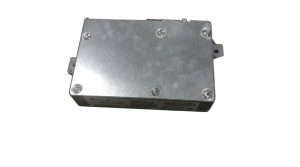
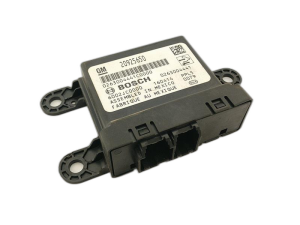
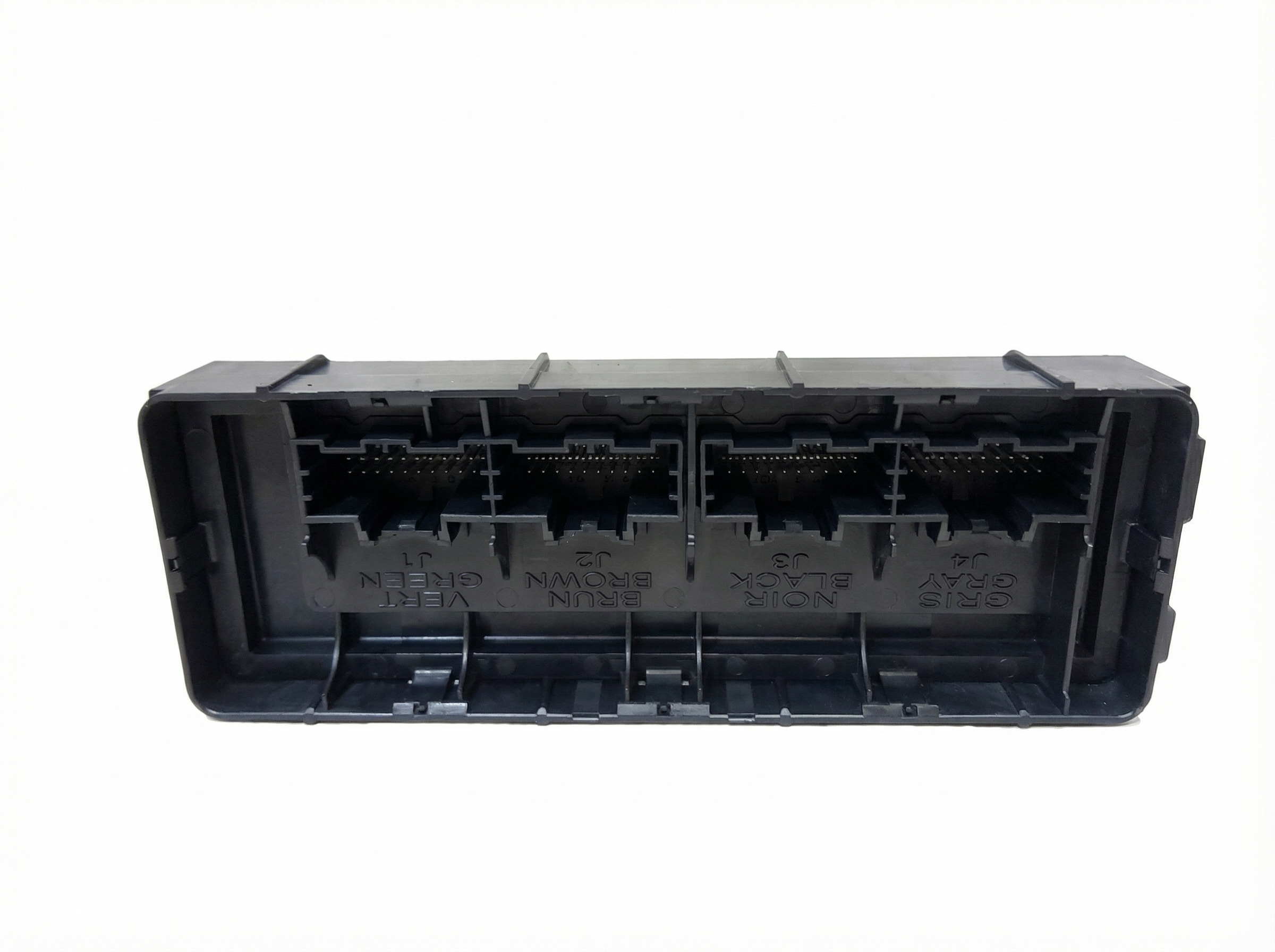
Aftermarket price range: $40-$120 - Body Control Module (BCM)
(OEM #20815898 (Fits some 2008-2009 models, verify with VIN))— On first-generation models (2007-2009), a faulty BCM can cause this security code along with other electrical problems. It is the central computer for these functions and a known failure point.
Related Codes That Often Appear With This One
- B3055 — This code means 'No Transponder Modulation or No Transponder Signal Detected'. It often appears with B3060 and points to a problem with the key itself or the signal reader (exciter coil) in the ignition switch.
- B3935 — This code relates to 'Transponder Authentication Error'. It's part of the same family of security codes and indicates a failure in the handshake process between the key and the car, often logged alongside B3055 and B3060.
Technical Service Bulletins (TSBs) & Recalls
- PIC5650M
- PIC5650K
- PIT5030E
Platform-Specific Known Issues
- TSB PIC5650M (and later versions like K): Documents an intermittent no-crank/no-start with security light on and DTCs B3055, B3060, or B3935. It strongly suggests RF interference as a primary cause to investigate before replacing parts.
- TSB PIT5030E: Points out that on 2010-2014 models with a flip key, not having the key fully extended can cause a no-crank condition, which may be confused with a transponder fault.
- BCM Failure on 2007-2009 Models: The BCM on first-generation Equinox and Pontiac Torrent models is a frequent source of electrical problems, including parasitic battery drain and anti-theft system faults.
Mechanic-Grade Diagnostic Values
- Ignition Voltage Circuit at BCM — expected: Greater than 9 V. Failure: A voltage reading less than 9V indicates a problem in the ignition circuit.
- Ignition Circuit End-to-End Resistance — expected: Less than 2 ohms. Failure: A reading of 2 ohms or greater indicates high resistance or an open in the circuit between the ignition switch and the BCM.
- BCM Low Reference (Ground) Circuit Resistance — expected: Less than 2 ohms. Failure: A reading of 2 ohms or greater points to a bad ground connection for the Body Control Module.
- Immobilizer-to-ECM Communication Wire Resistance — expected: Below 5 Ohms. Failure: Resistance higher than 5 Ohms indicates a problem in the communication line between the security module and the engine computer.
Hidden / Shadow Codes Worth Checking
- B3060 00: The '00' is a failure type or symptom byte. For this DTC, it means 'No Sub Type Information,' indicating that the base DTC text string provides the complete description of the failure. (see via A professional scan tool like the GM GDS2 will display the main DTC along with its two-digit symptom byte.)
Scan Tool Commands That Help
- GDS2 / Tech2: Immobilizer Data Display — Use this function to monitor the 'Valid Key' parameter. When testing keys, this should switch to 'Yes' for a known-good, programmed key, and 'No' for an unprogrammed or faulty key. This confirms if the TDM/BCM is able to read the key's transponder.
- GDS2 / Tech2: Add/Replace Keys — This service function is used to program new keys to the vehicle after replacing a key or a security-related module like the BCM or TDM. It is often required instead of or in addition to the 30-minute manual relearn.
- Professional Scan Tool: Setup SDM Primary Key in BCM — This function may be required after replacing the Body Control Module (BCM). If the airbag (SDM) warning light is illuminated after a BCM replacement, this procedure syncs the new BCM with the existing airbag module.
Wiring & Ground Locations
- BCM Ground (2007-2009) — The BCM is located in the center of the dash, behind the HVAC control module. A key ground point is G203, located at the lower center of the dash, on the instrument panel (I/P) fuse block.. A poor ground at G203 can cause the BCM, which controls the theft deterrent system on these years, to malfunction and set security codes. Per GM bulletin 07-08-47-004D, removing a BCM ground while the battery is connected can permanently damage the module.
- BCM Ground (2010-2014) — The BCM is located under the driver's side of the dashboard. Important grounds are G210 on the left side of the dash and G203 at the lower center of the dash.. Similar to the first generation, a compromised ground connection can lead to erratic BCM behavior, including failure to recognize a valid key and setting a B3060 code.
- Ignition Switch Connector — At the back of the ignition lock cylinder housing within the steering column.. This connector and its associated wiring are the direct link between the key's transponder reader (exciter coil) and the TDM/BCM. Wires can chafe or break from the rotation of the steering wheel, causing an intermittent or total loss of signal.
Real Owner Repair Stories
- ACDelco Technical Assistance Centre Tip (2008 Chevrolet Aveo (similar GM immobilizer system)) — Crank over, will not start, Immobilizer light on.
❌ Tried (didn't work) Replaced the immobilizer module., Reprogrammed the keys (this turned the security light off, but the no-start condition remained)., Tested resistance on the communication wire between the immobilizer and ECM (read below 5 Ohms, which was a good reading).
✅ What actually fixed it The Engine Control Module (ECM) was faulty and had to be replaced. - Car Forums at Edmunds.com user (2008 Pontiac Torrent (platform mate)) — Intermittent no crank, no start. Security light would come on.
❌ Tried (didn't work) Replacing the ignition cylinder housing (Passlock sensor). This seemed to help with the theft light but the no-crank issue returned., Removing a remote starter and replacing the ignition switch. This fixed an unrelated Retained Accessory Power (RAP) issue but not the no-start.
✅ What actually fixed it The user found that reseating a relay seemed to provide a temporary fix, but the problem had been ongoing for two years, suggesting an unresolved wiring or module issue that was sensitive to connection integrity. The final, permanent fix was not posted. - YouTube user (2008 Pontiac Torrent (platform mate)) — No crank, no start. Turning the key caused all dash lights to go out.
❌ Tried (didn't work) Replaced the ignition switch., Replaced the key release solenoid., Replaced the neutral safety switch.
✅ What actually fixed it The problem returned after a couple thousand miles. The user's next step was to replace the Engine Control Module (ECM), believing the original fixes did not solve the root cause. This highlights a scenario where multiple common parts are replaced without success.
"I Checked Everything" — The Actual Cause
- In one documented case on a similar GM vehicle, the immobilizer module was replaced and keys were reprogrammed, successfully turning off the security light. The wiring between the immobilizer and ECM was tested and found to have good continuity (under 5 ohms). Despite all security system components appearing to work correctly, the vehicle still would not start. The actual cause was a failed Engine Control Module (ECM) that was not correctly processing the 'fuel enable' password from the security system.
OEM Part Supersession History
10382479, 15819552, 15921352, and others→20815898— Part consolidation and updates to internal components and software over time.
Heads up: The BCM is VIN-specific. A replacement module, even with the correct part number, must be programmed with the vehicle's VIN and specific configuration to function. Many vendors now sell part number 20815898 pre-programmed to a buyer's VIN.
Model Year Variations Within This Range
- 2007-2009: Theft deterrent functions are integrated into the Body Control Module (BCM). These BCMs are a more frequent failure point for this issue. A critical service note (GM Bulletin 07-08-47-004D) warns that disconnecting BCM grounds with the battery connected can damage the module on these specific years.
- 2010-2014: These models use a separate Theft Deterrent Module (TDM) in many cases and feature a flip-key design. An improperly extended flip key can position the transponder too far from the reader coil, causing a no-start that mimics a B3060 fault, as noted in TSB PIT5030E.
Helpful Videos
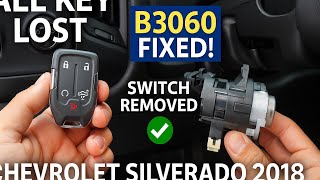


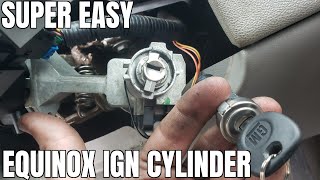
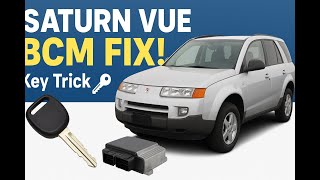

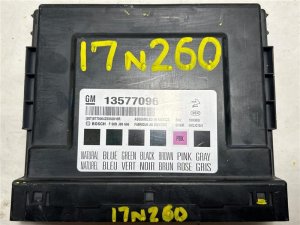
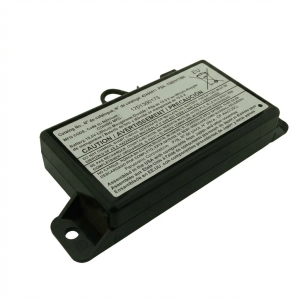
We Have This Part in Stock

The information in this article is provided for general reference and educational purposes only. Vehicle specifications, procedures, and part compatibility can vary by production date, trim level, and region. Always consult your vehicle's factory service manual and verify part numbers before purchasing or performing repairs. Safety-critical components such as airbags, seat belts, and braking systems should be installed by a qualified professional.
- Chevrolet EQUINOX:
- 🧭 Diagnostic Flowchart
- 🎬 Helpful Videos
- 🛍️ Shop This Part
- What's Unique About the 2007-2014 Chevrolet EQUINOX
- Symptoms You May Notice
- Most Likely Causes
- Rare But Worth Checking
- Diagnosis Steps
- Parts You'll Likely Need
- Related Codes That Often Appear With This One
- Technical Service Bulletins (TSBs) & Recalls
- Platform-Specific Known Issues
- Mechanic-Grade Diagnostic Values
- Hidden / Shadow Codes Worth Checking
- Scan Tool Commands That Help
- Wiring & Ground Locations
- Real Owner Repair Stories
- "I Checked Everything" — The Actual Cause
- OEM Part Supersession History
- Model Year Variations Within This Range
- 🎟️ Get 5% Off