

B3060 on 2007-2011 GMC Sierra Denali: Security System Fault, Causes, and Fixes
Code B3060 on a 2007-2011 GMC Sierra Denali means the truck's security system doesn't recognize the key. This results in a no-start or start-and-stall condition with the security light on. The most common fix is performing a key relearn procedure, but a faulty key or ignition lock cylinder may also be the cause.
- B3060 means your truck's security system has locked you out because it doesn't recognize your key.
- Before spending any money, try starting the truck with the key isolated from any other fobs or RFID cards.
- The next step is to attempt the 30-minute key relearn procedure, which often resolves the issue for free.
- If a relearn doesn't work, the most likely failed parts are the key itself or the ignition lock cylinder that reads it.
- This is a critical fault that will prevent the truck from starting, leaving you stranded.
What's Unique About the 2007-2011 Gmc SIERRA DENALI
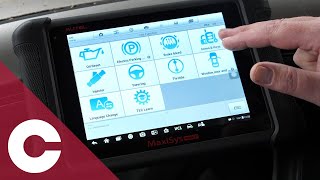
The GMT900 platform, which includes the 2007-2011 Sierra Denali, uses GM's Passkey III+ (PK3+) immobilizer system. This system is known for being sensitive to RF interference and voltage fluctuations. The issue is so common that GM has issued multiple versions of Technical Service Bulletin PIC5650, which directly addresses intermittent no-start conditions with the security light on, often caused 🎬 Watch: Troubleshooting a no-start with the service theft deterrent light. by aftermarket electronic devices like cell phone chargers, USB power banks, or even non-OEM LED lights.
Diagnostic Flowchart
Tap your situation to follow the diagnostic path that matches what you're seeing on this vehicle.
Symptoms You May Notice
- Engine will not crank or start.
- Engine starts briefly and then immediately stalls.
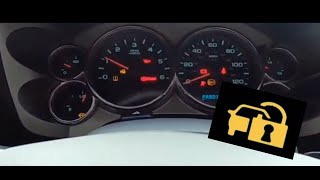
- The "Security" light is illuminated or flashing on the instrument cluster.
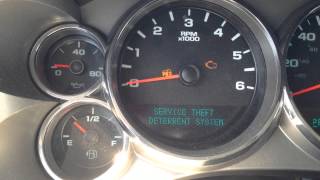
- A "Service Theft Deterrent System" message may appear on the Driver Information Center (DIC).
- Replacing the battery. While a low battery can cause various electrical issues, it won't specifically set a B3060 code. The no-start is often mistaken for a dead battery.
- Replacing the starter. The security system prevents the starter from engaging or shuts off fuel, so the starter itself is rarely the problem when this code is present.
- Replacing the fuel pump. The security system disables the fuel pump, which can mimic the symptoms of a failed pump. Always check for security-related DTCs first.
Most Likely Causes
- Unprogrammed or Faulty Key 🔴 High Probability Using a new, unprogrammed key, a poorly cloned key, or a key with a damaged internal transponder chip will trigger this code. The Passkey III+ system requires a specific programming procedure to learn new keys.
How to confirm: Try starting the vehicle with a different, known-good key. If it starts, the first key is the problem. A locksmith or dealer can test the transponder chip. A scan tool can also be used to check the 'TDM Valid Key' parameter, which should read 'Yes' for a good key.
Typical fix: Program the new key to the vehicle using a scan tool or the 30-minute key relearn procedure. If the key's transponder is bad, the key must be replaced.
Est. part cost: $50-$150 for a new key and programming. - Radio Frequency (RF) Interference 🟡 Medium Probability GM TSB PIC5650 (in its various revisions) explicitly states that aftermarket electronic devices can cause Radio Frequency Interference (RFI) that jams the 125 kHz signal between the key and the TDM. Common culprits include cell phone chargers, USB power banks, non-OEM LED lighting, and even other vehicle fobs or access cards on the same keychain.
How to confirm: Remove all other keys and electronic devices from the keychain. Unplug any aftermarket chargers or accessories from the power outlets. Try starting the vehicle with only the Sierra key. If it starts, RFI was the issue.
Typical fix: Keep other RFID-emitting devices and aftermarket electronics separate from the vehicle key and unplugged when starting the truck.
Est. part cost: $0 - Failed Ignition Lock Cylinder / Exciter Coil 🟡 Medium Probability → Shop Ignition Switch The exciter coil (also called the Passlock sensor or transponder antenna) is integrated into the ignition lock cylinder housing. This component energizes the key's transponder and can fail over time, preventing it from reading the key's signal correctly. Damage to the wiring leading to the cylinder can also cause this fault.
How to confirm: This is difficult to confirm without a scan tool that can read live data from the Theft Deterrent Module. A technician would check for a valid key signal. If no signal is received with a known-good key, and RFI is ruled out, the exciter coil/lock cylinder is suspect. Visually inspect the wiring harness connected to the cylinder for damage.
Typical fix: Replace the ignition lock cylinder housing. This repair requires a key relearn procedure to be performed afterward.
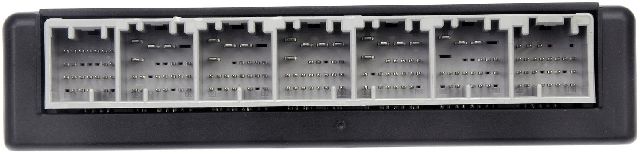
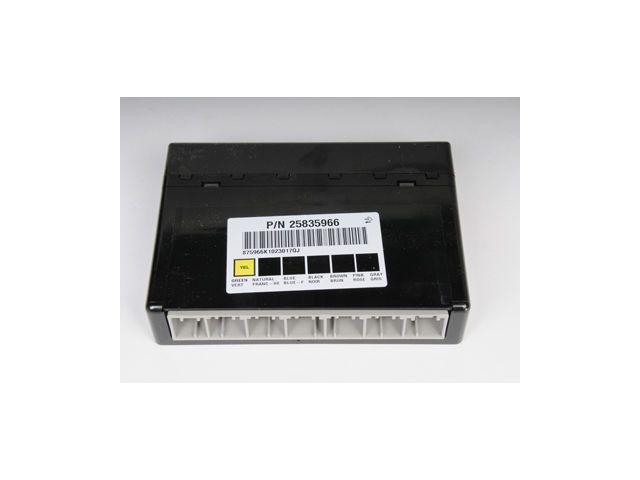
Est. part cost: $70-$200 for the part. - Failed Theft Deterrent Module (TDM) or Body Control Module (BCM) ⚪ Low Probability → Shop Anti-Theft Control Module While less common, the module that controls the security system can fail internally. On these trucks, the TDM function is integrated into the ignition lock cylinder housing, but it communicates through the Body Control Module (BCM).
How to confirm: This is a diagnosis of exclusion. If the key, exciter coil, and wiring have all been confirmed as good, the TDM/BCM is the likely culprit. A scan tool will show no communication or internal fault codes for the module.
Typical fix: Replace the TDM or BCM. The new module must be programmed to the vehicle with a dealer-level scan tool (like a Tech2) and access to GM's programming services.
Est. part cost: $250-$500 for a new or remanufactured module.
Rare But Worth Checking
- Wiring Harness Damage: The wires leading to the ignition lock cylinder can become damaged, loose, or develop high resistance from a poor connection, causing an intermittent signal loss. This is worth checking before replacing expensive modules, especially if work has been done under the dash previously.
- Low Battery Voltage: → Shop Vehicle Battery While a low battery won't directly set B3060, it can cause erratic behavior in various electronic modules, including the TDM/BCM. If the no-start condition appeared after a jump-start or with a known weak battery, resolving the battery issue and then performing a key relearn may be necessary. The system requires battery voltage to be above 9 volts to operate correctly.
Diagnosis Steps
- Check for TSBs: Review the latest version of GM TSB #PIC5650, which directly addresses this code and intermittent no-start issues caused by RFI.
- Scan for Codes: Use an OBD-II scanner capable of reading Body (B) codes to confirm B3060 is present. Note any other codes, especially B3055 or B3935.
- Isolate the Key: Remove all other keys, fobs, and RFID cards from the keychain. Unplug all aftermarket devices (phone chargers, dash cams, etc.). Try starting the vehicle with the ignition key alone.
- Try a Spare Key: If you have a second key for the vehicle, try starting it. If it works, the first key is faulty or has a dead transponder battery.
- Attempt Key Relearn Procedure: Perform the 30-minute relearn procedure. Turn the key to 'ON' (do not start) and wait about 10-11 minutes until the security light stops flashing and turns off. Turn the key 'OFF' for 10 seconds. Repeat this cycle two more times for a total of three cycles and ~30 minutes. After the third cycle, turn the key off, then try to start the engine.
- Inspect Ignition Cylinder Wiring: Remove the steering column shrouds and visually inspect the small wiring harness going to the ignition lock cylinder for any signs of damage, loose connections, or chafing.
- Professional Diagnosis: If the above steps fail, the vehicle should be taken to a qualified technician. They can use a scan tool to monitor the 'TDM Valid Key' parameter and other data to determine if the key, the exciter coil (in the ignition cylinder), or the TDM/BCM itself is at fault.
Parts You'll Likely Need
- Transponder Key
(OEM #GM P/N: B111-PT, Strattec 5903089)— The transponder chip inside the key can fail, or a new key may not be programmed, causing the security system to reject it.
Trusted brands: ACDelco, Strattec
OEM price range: $60-$120
Aftermarket price range: $25-$70 - Ignition Lock Cylinder Housing
(OEM #ACDelco 25832354 (superseded by 19207991))— This housing contains the exciter coil that reads the key's transponder. Failure of this component is a common cause for security faults. The Dorman 924-719 is a common aftermarket replacement.
Trusted brands: ACDelco, Dorman
OEM price range: $120-$200
Aftermarket price range: $70-$150 - Body Control Module (BCM) — In rare cases, the BCM, which manages the theft deterrent system, can fail and require replacement and programming.
Trusted brands: ACDelco
OEM price range: $300-$450
Aftermarket price range: $200-$350 (Remanufactured)
Related Codes That Often Appear With This One
- B3055 — This code often relates to a problem with the key transponder itself (No Transponder Key Identification Code Received) and is frequently seen with B3060 as part of the same security system fault, often triggered by RFI or a faulty key.
- B3935 — Another transponder-related code (Transponder Authentication Failed) that can be set due to RF interference or key issues, often appearing alongside B3060 and B3055.
Technical Service Bulletins (TSBs) & Recalls
- PIC5650M: Mentions intermittent no crank/no start with security light on, and lists B3060 as a potential DTC. It suggests checking for RF interference from devices on the keychain.
- PIC5650G/K (and other revisions): Later versions of the same bulletin that provide an expanded list of potential RFI sources, including aftermarket LED lights, cell phone chargers, and USB power banks.
- PIE0232: An engineering information bulletin from 2012 asking technicians to gather data on 2013 models with no-start conditions and DTCs B3055, B3060, or B3935, indicating GM's active investigation into the root cause.
Platform-Specific Known Issues
- The GM Passkey III+ (PK3+) system is notoriously sensitive to voltage drops and RF interference, leading to intermittent no-starts.
Mechanic-Grade Diagnostic Values
- Scan Tool 'TDM Valid Key' Parameter — expected: 'Yes'. Failure: Parameter reads 'No' when a supposedly programmed key is in the ignition and turned to ON.
- System Operating Frequency — expected: 125 kHz. Failure: This is not a measurement but a specification. Interference from other devices operating in the 120-135 kHz range can disrupt communication and set the code.
- System Voltage — expected: Above 9.0 Volts. Failure: If battery voltage drops below 9V during the key-on cycle, the Theft Deterrent Module may not operate correctly, leading to communication errors.
Scan Tool Commands That Help
- GM Tech 2 / GDS2: Data Display > TDM Data > TDM Valid Key — This is a primary step to confirm if the Theft Deterrent Module is successfully reading and validating the transponder key. If it reads 'No' with a known good key, it points towards a faulty exciter coil/ignition cylinder or wiring.
- GM Tech 2 / GDS2: Module Setup > TDM > Security System Relearn — Used after replacing a key, the ignition lock cylinder (with TDM), or the BCM. This command initiates the 10-minute or 30-minute relearn process to program the components to the vehicle.
Wiring & Ground Locations
- Theft Deterrent Module (TDM) — The TDM function is integrated into the ignition lock cylinder housing, which includes the exciter coil ring. It is not a separate module under the dash on this platform.. This is the component responsible for energizing and reading the key's transponder chip. Failure of this integrated unit is a direct cause of codes B3060 and B3055.
- Anti-Theft Fuse — Fuse #35 (typically a 2A fuse) in the under-hood fuse block.. This fuse supplies power to the anti-theft system. While a blown fuse is uncommon, it's a simple check that can prevent a major diagnostic headache.
- G103 Ground — Located on the cowl at the left rear of the engine compartment, typically above the brake booster.. This is a primary ground point for the Body Control Module (BCM), Instrument Panel Cluster (IPC), and Data Link Connector (DLC). A poor connection here can cause communication errors between the TDM, BCM, and ECM, mimicking a component failure.
Real Owner Repair Stories
- Commenter on 'Joshyoden' YouTube video (Chevy/GMC Truck with Passkey 3 system) — Intermittent no-start, security light on. Spent 2.5 weeks trying various fixes from forums and videos.
❌ Tried (didn't work) Multiple key relearn procedures, Checking keys, Other unspecified forum/video suggestions
✅ What actually fixed it Bypassing the ignition cylinder's sensor. This involved cutting the yellow and black wires in the harness leading from the ignition cylinder and connecting them together. This bypasses the need for the TDM to read a key, but has the side effect of leaving the security light permanently on.
OEM Part Supersession History
12458191, 12533953, 15822350, 25832354→19207991 (current as of late 2020s)— Part consolidation and potential design revisions for the Ignition Lock Cylinder Housing.
Heads up: While all part numbers refer to the same component, using the latest superseded part number (19207991) is recommended to get the most recent design.
Helpful Videos
We Have This Part in Stock

The information in this article is provided for general reference and educational purposes only. Vehicle specifications, procedures, and part compatibility can vary by production date, trim level, and region. Always consult your vehicle's factory service manual and verify part numbers before purchasing or performing repairs. Safety-critical components such as airbags, seat belts, and braking systems should be installed by a qualified professional.
- Gmc SIERRA DENALI:
- 🧭 Diagnostic Flowchart
- 🎬 Helpful Videos
- 🛍️ Shop This Part
- What's Unique About the 2007-2011 Gmc SIERRA DENALI
- Symptoms You May Notice
- Most Likely Causes
- Rare But Worth Checking
- Diagnosis Steps
- Parts You'll Likely Need
- Related Codes That Often Appear With This One
- Technical Service Bulletins (TSBs) & Recalls
- Platform-Specific Known Issues
- Mechanic-Grade Diagnostic Values
- Scan Tool Commands That Help
- Wiring & Ground Locations
- Real Owner Repair Stories
- OEM Part Supersession History
- 🎟️ Get 5% Off