

B3060 on 2023-2025 GMC Yukon: Causes and Fixes for No-Start Condition
Code B3060 on a 2023-2025 GMC Yukon means the anti-theft system doesn't recognize your key, causing a no-start. The most common cause is radio frequency interference (RFI) from other devices on your keychain or in the car. Remove all other fobs and electronics, then try again before attempting more complex repairs.
- B3060 means your Yukon's anti-theft system has locked you out because it doesn't recognize the key.
- Before spending any money, remove all other electronic devices and keys from your car and keychain to rule out radio interference (RFI).
- The next cheapest step is to replace the battery in your key fob.
- If a spare key works, the original key is faulty and needs replacement or reprogramming.
- If no simple fixes work, the issue could be a faulty module, requiring professional diagnosis.
What's Unique About the 2023-2025 Gmc YUKON
For the 2023-2025 Yukon and its platform mates (Tahoe, Suburban, Escalade), the anti-theft system is highly sensitive to radio frequency interference (RFI). GM has issued multiple, evolving Technical Service Bulletins (TSBs) about this, with PIC5650M being a key example. Unlike older vehicles where a failed part was the most common culprit, these newer GM SUVs often experience this problem due to aftermarket electronics like USB chargers, LED lights, or even other key fobs on the same ring jamming the 125 kHz, 315 MHz, or 433 MHz signals between the key and the vehicle.
Diagnostic Flowchart
Tap your situation to follow the diagnostic path that matches what you're seeing on this vehicle.
Symptoms You May Notice
- Engine will not crank or start.
- Engine starts briefly and then immediately stalls.
- Security indicator light is illuminated or flashing on the dashboard.
- A 'No Key Found' or 'Key Not Detected' message appears on the Driver Information Center (DIC).
- Start/Stop button is unresponsive.
- Replacing the starter without checking security codes. The symptoms of a no-crank can be similar, but the presence of B3060 and the security light points to the anti-theft system.
- Replacing the vehicle's main battery. While a low main battery can cause many electrical gremlins, it won't typically set the B3060 code on its own. However, some owners have resolved 'No Key Detected' issues that did not set a code by disconnecting the battery for a period to reset the vehicle's modules.
Most Likely Causes
- Radio Frequency Interference (RFI) 🔴 High Probability Modern GM anti-theft systems are sensitive. TSBs like PIC5650M specifically call out RFI from aftermarket devices (USB chargers, LED lights), toll passes, building access cards, or even other vehicle keys on the same keychain as a primary cause. A forum user noted their mobile phone with active NFC can block the key signal if they are too close together.
How to confirm: Remove all other keys, fobs, and aftermarket electronic devices from the vehicle and from the Yukon's key ring. Try starting the vehicle with the key fob isolated from any other electronics. Pay special attention to items plugged into 12V or USB ports.
Typical fix: Identify and remove the source of the interference. Keep the Yukon key fob on its own ring or away from other electronic devices.
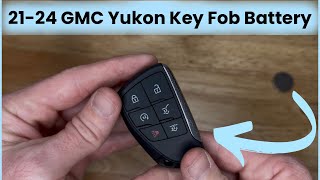
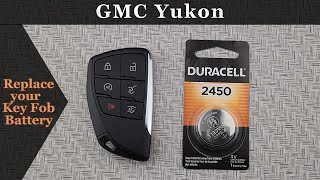
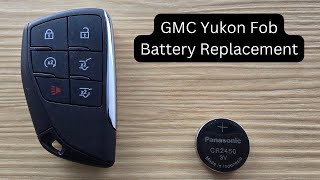
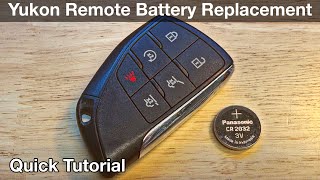
Est. part cost: $0 - Weak or Dead Key Fob Battery 🟡 Medium Probability → Shop Vehicle Battery Key fobs use a CR2450 or CR2032 battery that wears out, leading to a weak signal. The vehicle may not detect the key intermittently at first, especially after a drive, before failing completely.
How to confirm: Try starting the vehicle using the backup procedure. For a 2021-2025 Yukon with bucket seats, the transmitter pocket is the driver's side (left) cup holder. Place the fob in the bottom of the cup holder and press the start button. If this works, the fob battery is the culprit.
Typical fix: Replace the battery inside the key fob. This is a simple procedure that can be done at home.
Est. part cost: $5-$15 - Unprogrammed or Faulty Key Fob 🟡 Medium Probability → Shop Keyless Entry Transmitter This occurs if you are using a brand new, unprogrammed key, a poorly cloned aftermarket key, or if the original key's internal transponder chip has failed.
How to confirm: If a known-good spare key starts the vehicle without issue, the problem lies with the first key. A locksmith or dealer can test the transponder signal from the suspect key. In some cases, a simple battery disconnect for an hour may reset the modules and allow the original key to be recognized again.
Typical fix: The key must be properly programmed to the vehicle. This may involve a DIY 30-minute relearn procedure or require a dealer/locksmith with specialized tools. If the key itself is faulty, it will need to be replaced.
Est. part cost: $150-$400 for a new key and programming.
Rare But Worth Checking
- Faulty Control Module (BCM or Restraint Control Module): While rare, a faulty module can cause this issue. One 2023 Yukon owner reported a 'key not detected' problem that was ultimately resolved by replacing the Restraint Control Module after GM engineers were consulted. In other cases, the Body Control Module (BCM), which manages the security system, could be at fault. The Airbag Sensing and Diagnostic Module is another critical computer that communicates on the same network and can cause related issues.
- Faulty Keyless Entry Antenna: → Shop Antenna The vehicle has several antennas to detect the key fob. A failure of one of these antennas can cause intermittent 'No Key Detected' messages. A user on a Tahoe/Yukon forum with a 2018 model reported similar issues that were resolved by replacing a faulty antenna, which was a relatively inexpensive part.
Diagnosis Steps
- Check for Radio Frequency Interference (RFI): This is the most common and cheapest problem to solve. Remove ALL other key fobs, security cards, toll passes, and aftermarket USB chargers from the vehicle. Isolate the Yukon key and try to start the engine again.
- Check the Key Fob Battery & Use Backup Slot: Try starting the vehicle by placing the fob in the backup pocket. For 2021-2025 Yukons, this is the driver's side (left) cup holder. If it starts, replace the CR2450 or CR2032 battery in the fob.
- Test with a Spare Key: If you have a second key programmed for the vehicle, try using it. If the spare key works, the first key is faulty or has lost its programming.
- Attempt Vehicle Battery Reset: Some owners have successfully resolved persistent 'No Key Detected' issues by disconnecting the negative terminal of the main vehicle battery for 30-60 minutes. This forces a hard reset of the vehicle's control modules. Reconnect the battery and try starting again.
- Attempt Key Relearn Procedure: If you have a new key or suspect programming loss, you can try the 30-minute relearn procedure. Turn the ignition to 'ON' (without starting) and wait for the security light to turn off (approx. 10-11 minutes). Turn the ignition 'OFF' for 5-10 seconds. Repeat this process two more times for a total of 3 cycles (30+ minutes). After the third cycle, turn the key off, then try to start the engine. Note: This manual procedure is less consistently successful on newer push-to-start models compared to older keyed ignitions and may require a scan tool.
- Scan for Other Codes: Use a professional-grade OBD-II scanner to check for other codes in the BCM, TDM, or other modules that could provide more clues.
- Seek Professional Help: If the above steps fail, the problem may be a faulty module (BCM, antenna, RCM), wiring harness issue, or a failed key that requires professional diagnosis and parts replacement.
Parts You'll Likely Need
- Key Fob Battery
(OEM #CR2450 or CR2032)— The battery is a common failure point and can cause a weak signal that the vehicle fails to recognize.
Trusted brands: Energizer, Duracell, Panasonic
OEM price range: $5-$15
Aftermarket price range: $5-$10 - Key Fob / Transmitter
(OEM #13548434, 13537964, 13541567)— If the internal transponder chip fails, the entire key fob must be replaced and programmed to the vehicle. Part number may vary based on specific options like power liftgate.
Trusted brands: ACDelco, GM Genuine Parts
OEM price range: $150-$300
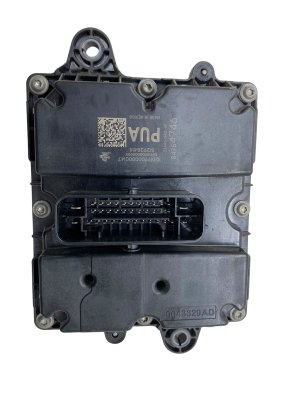
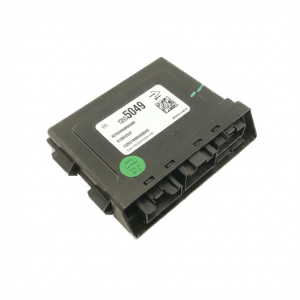
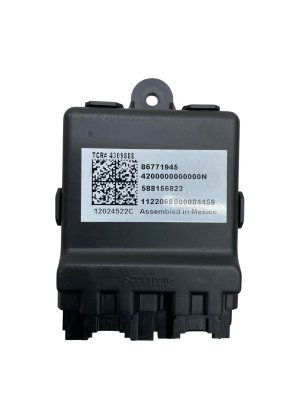
Aftermarket price range: $50-$150 - Body Control Module (BCM) — In rare cases, the BCM, which manages the anti-theft system, can fail and will require replacement and programming by a dealer or qualified shop.
Trusted brands: ACDelco, GM Genuine Parts
OEM price range: $300-$500
Aftermarket price range: $200-$400
Related Codes That Often Appear With This One
- B3055 — Relates to a problem with the key transponder. TSBs from GM, including PIC5650M and older versions, often group B3055 and B3060 together as they both point to a failure in the key authentication process.
- B3935 — This code is for 'Transponder Authentication Failed'. It is also frequently listed alongside B3060 in GM service bulletins for the same no-start, security light symptoms.
Technical Service Bulletins (TSBs) & Recalls
- PIC5650M: Mentions an intermittent no crank, no start, or start stall concern with the security light on, and lists DTC B3060 as a possible code. It provides an extensive list of RFI sources to check.
- PIC5650K / J / C / B: Earlier versions of the same TSB, all pointing to RFI from aftermarket devices (LED lights, phone chargers, other RFID cards) as the primary cause for intermittent no-start and 'No Fob Detected' messages.
Platform-Specific Known Issues
- This platform is highly susceptible to Radio Frequency Interference (RFI), as documented in GM TSB PIC5650M and other versions. Owners should be extra vigilant about aftermarket electronics plugged into the vehicle's power outlets, including phone chargers and LED lights.
- The backup location for starting with a dead fob battery is the driver's side cup holder for models with bucket seats.
Mechanic-Grade Diagnostic Values
- Immobilizer System Operating Frequency — expected: 125 kHz. Failure: Interference from other devices operating in the 120-135 kHz range can jam the signal.
- Serial Data Circuit Voltage (BCM to other modules) — expected: 12-13V. Failure: A reading of 0.19V indicated a short to ground on the circuit, preventing communication and causing a no-start.
- Continuity of BCM-related circuits — expected: Less than 2 Ω. Failure: Resistance of 2 Ω or greater indicates an open or high resistance in the circuit that needs repair.
Hidden / Shadow Codes Worth Checking
- B3060 00: The '00' is a symptom byte indicating 'No Sub Type Information'. This means the primary code description ('Unprogrammed Transponder') is the complete failure description available. (see via Professional scan tools like GM GDS2 will display the code with its symptom byte.)
Scan Tool Commands That Help
- GDS2 / Tech 2: TDM Valid Key parameter — When diagnosing a potential faulty key, a technician can view this parameter. It should read 'Yes' for all known good, programmed keys for the vehicle. If it reads 'No' for a specific key, that key is faulty or has lost its programming.
- GDS2 / Tech 2: Setup New RCDLR (Remote Control Door Lock Receiver) — If the Remote Control Door Lock Receiver module is replaced, this function must be performed to program the new module to the vehicle and learn the existing keys.
- GDS2 / Tech 2: Immobilizer Learn / Key Relearn — This function is used to program new keys or relearn existing keys to the vehicle's immobilizer system after a component replacement (like a BCM or key) or if programming is lost.
Wiring & Ground Locations
- BCM Ground — Inside the cabin, beside the front left speaker. Access requires removing the A-pillar cover and pulling up the front dash trim.. A poor ground connection for the Body Control Module can cause a wide range of erratic electrical issues, including communication failures within the anti-theft system, leading to intermittent no-start conditions.
- Frame Grounds — On the frame, located right behind both front wheels.. These grounds are in a location prone to corrosion from tire splash. While not directly for the BCM, poor frame grounds can introduce electrical noise and unstable voltages that affect various modules communicating on the vehicle's network.
- Keyless Entry Antenna (Rear Bumper) — Located in the rear bumper area.. This antenna is crucial for detecting the key fob for passive entry and starting. A fault or damaged wiring to this antenna can cause 'No Key Detected' messages.
- Keyless Entry Antenna (Rear Floor) — Located in the rear floor area of the vehicle.. Part of the network of antennas used to determine the key fob's location within the cabin.
- Keyless Entry Antenna (Console) — Located in the center console area.. This antenna helps detect the key fob when it is near the center of the cabin or in the backup starting slot (cupholder).
- BCM Connector X1 — This is one of the main multi-pin connectors on the Body Control Module.. Contains critical circuits for the anti-theft system, including ignition switch signals and communication lines. Technicians may need to test specific pins at this connector for voltage and continuity during diagnosis.
Real Owner Repair Stories
- Tahoe Yukon Forum (2022 GMC Yukon Denali) — Car displayed 'No Key Detected' and would not start. Using the backup cupholder slot did not work. The vehicle could be started with the remote start app, but would not shift into gear.
❌ Tried (didn't work) Using the spare key fob., Placing the key fob in the backup cupholder slot.
✅ What actually fixed it Disconnecting the main vehicle battery for 30 seconds and then reconnecting it. The vehicle started normally afterward. The user noted this may be a software anomaly that was resolved by a hard reset of the modules.
When the Usual Fixes Don't Work
- While RFI and key fob batteries are the most common causes, a significant number of owners of 2021-2025 GM SUVs have resolved persistent 'No Key Detected' issues, which can be related to B3060, only by performing a full vehicle battery disconnect. In one specific case involving a 2022 Yukon Denali, neither the spare key nor the backup starting location worked. The only solution was to disconnect the negative battery terminal for a short period, forcing a system-wide reset that resolved the software glitch. This suggests that in some instances, the root cause is not a hardware failure or external interference, but a temporary software lock-up within the BCM or related modules.
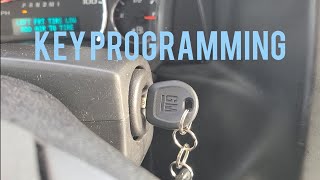
Helpful Videos
Used OEM Parts in Stock
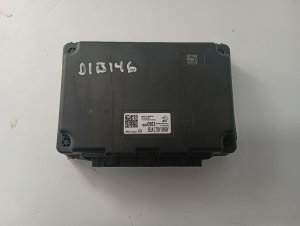
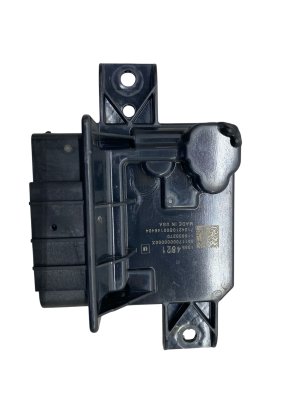
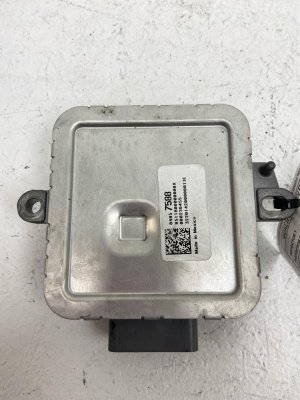
New Aftermarket Parts Available
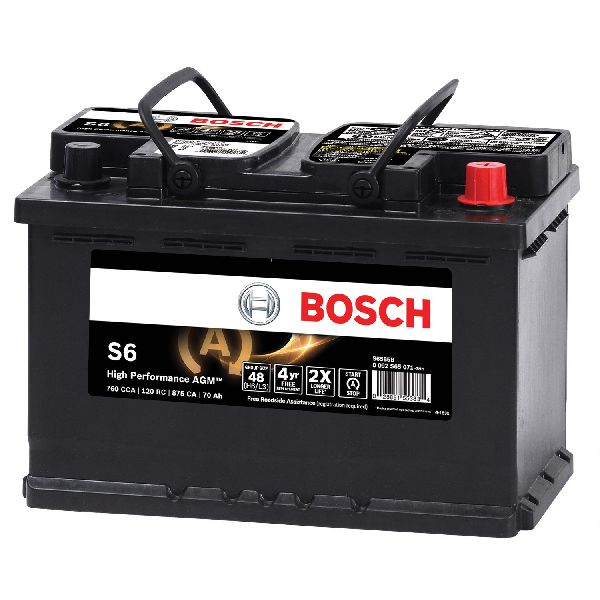

The information in this article is provided for general reference and educational purposes only. Vehicle specifications, procedures, and part compatibility can vary by production date, trim level, and region. Always consult your vehicle's factory service manual and verify part numbers before purchasing or performing repairs. Safety-critical components such as airbags, seat belts, and braking systems should be installed by a qualified professional.
- Gmc YUKON:
- 🧭 Diagnostic Flowchart
- 🎬 Helpful Videos
- 🛍️ Shop This Part
- What's Unique About the 2023-2025 Gmc YUKON
- Symptoms You May Notice
- Most Likely Causes
- Rare But Worth Checking
- Diagnosis Steps
- Parts You'll Likely Need
- Related Codes That Often Appear With This One
- Technical Service Bulletins (TSBs) & Recalls
- Platform-Specific Known Issues
- Mechanic-Grade Diagnostic Values
- Hidden / Shadow Codes Worth Checking
- Scan Tool Commands That Help
- Wiring & Ground Locations
- Real Owner Repair Stories
- When the Usual Fixes Don't Work
- 🎟️ Get 5% Off