

B3060 on 2017-2019 GMC Yukon Denali: Security Fault, No-Start Causes & Fixes
Code B3060 on a 2017-2019 Yukon Denali means the anti-theft system doesn't recognize the key, causing a no-start and security light. The most common cause is radio frequency interference (RFI) from other devices on your keychain or plugged into the vehicle's power outlets. Before repairs, remove all other fobs, cards, and aftermarket chargers from the key and vehicle, then try starting again.
- B3060 is a security code that will prevent your Yukon Denali from starting.
- The most common cause is not a broken part, but radio frequency interference (RFI). Always start by removing other keys, fobs, and chargers from the vehicle and keychain.
- Trying a spare key is a critical diagnostic step to determine if your primary key fob has failed.
- A security relearn procedure or placing the fob in the transmitter pocket can often resolve the issue for free after a battery change or voltage drop.
- Do not replace the starter or battery for a no-start condition when the security light is on, as the issue is almost certainly with the anti-theft system.
What's Unique About the 2017-2019 Gmc YUKON DENALI
The K2XX platform, which includes the 2017-2019 Yukon Denali, uses the GM Passkey III+ immobilizer system. This system is known to be particularly sensitive to voltage drops (like from a weak battery) and radio frequency interference (RFI). GM has issued specific, evolving service bulletins, like PIC5650M, that directly address intermittent no-start conditions caused by RFI from common items like aftermarket phone chargers, LED lights, other key fobs, or even building access cards kept on the same keychain or inside the vehicle.
Diagnostic Flowchart
Tap your situation to follow the diagnostic path that matches what you're seeing on this vehicle.
Symptoms You May Notice
- Vehicle will not crank or start
- Engine starts and then immediately shuts off
- Security light is illuminated or flashing on the instrument cluster
- "No Fob Detected" message on the Driver Information Center (DIC)
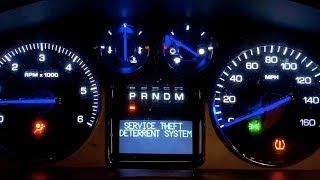
- "Service Theft Deterrent System" message on th 🎬 See how to diagnose the Service Theft Deterrent System message.e DIC
- Replacing the vehicle's main 12V battery without diagnosing the security system first. A weak battery can cause the sync issue, but the fix is often the relearn procedure, not just the battery itself.
- Replacing the starter motor when the no-crank condition is actually caused by the immobilizer. The security light is the key differentiator.
Most Likely Causes
- Radio Frequency Interference (RFI) 🔴 High Probability As noted in multiple versions of TSB PIC5650, the vehicle's security and keyless entry systems are sensitive to interference from other electronic devices, including aftermarket phone chargers, LED lights, toll passes, and other key fobs.
How to confirm: Remove all other key fobs, access cards, toll passes, and aftermarket electronics (like phone chargers and LED lights) from the vehicle and keychain. Attempt to start the vehicle with only the single Yukon key fob present. If the vehicle starts, RFI was the cause.
Typical fix: Isolate the Yukon key fob from other electronic devices. Keep it on its own ring if necessary. Remove any low-quality aftermarket chargers or lighting that may be causing the interference.
Est. part cost: $0 - Faulty or Unprogrammed Key Fob 🟡 Medium Probability → Shop Keyless Entry Transmitter The internal transponder chip in the key fob can fail, or the fob can lose its programming, especially after a significant voltage drop (e.g., dead battery) or physical damage.
How to confirm: Try starting the vehicle with a known-good spare key. If the spare key works, the original key is faulty.
Typical fix: Replace the faulty key fob and have the new one professionally programmed to the vehicle. An automotive locksmith or dealer can perform this service.
Est. part cost: $80-$250 - Security System Lost Synchronization (All Keys Lost) 🟡 Medium Probability A weak or recently replaced vehicle battery can cause the BCM to lose its memory of the programmed keys, requiring a relearn procedure.
How to confirm: Attempt the security relearn procedure. If the procedure successfully resolves the no-start condition, synchronization was the issue. This is often the only option if you have no working keys.
Typical fix: Perform the 30-minute security system relearn procedure. For these push-button start models, this involves using the physical key blade in the driver's door lock, followed by a sequence of waiting 10 minutes for DIC messages and pressing the START/STOP button, repeated three times. A fully charged battery is critical for this procedure to succeed.
Est. part cost: $0 - Weak or Dead Key Fob Battery ⚪ Low Probability → Shop Vehicle Battery While a low battery usually gives a 'Replace Battery in Remote Key' message, a completely dead battery can prevent the fob from transmitting its code. The vehicle provides a backup location to start the vehicle in this event.
How to confirm: Place the key fob in the designated transmitter pocket as described in the owner's manual. For the 2017-2019 Yukon, this is typically in the front cupholder or inside the center console storage bin. If the vehicle starts when the fob is in the pocket, the fob battery is the issue.
Typical fix: Replace the CR2032 battery inside the key fob.
Est. part cost: $5-$10
Rare But Worth Checking
- Faulty Body Control Module (BCM): → Shop Body Control Module If multiple keys fail to work and a relearn procedure does not solve the issue, the BCM itself, which houses the theft deterrent module, may have failed. This is an expensive repair requiring programming by a dealer or qualified shop.
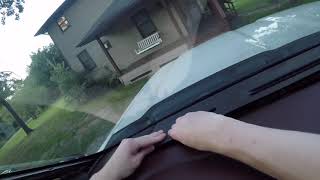
- Poor BCM Ground Connection (G218): TSB #PIT5405C and its successors point to a poor ground at location G218 under the driver's side dash causing a wide range of electrical issues, including no-starts and communication DTCs. The bulletin notes that the dash insulator mat can get trapped under the ground eyelet 🎬 Watch: How to find and fix the G218 ground connection., causing a poor connection. This should be investigated if other strange electrical issues are present.
- Software Glitch in BCM/Related Modules: In some documented owner experiences, particularly on newer models, a temporary software lock-up can cause a no-start condition with security symptoms. A hard reset by disconnecting the negative battery terminal for several minutes has been reported to resolve the issue when all other simple fixes fail.
Diagnosis Steps
- Verify the security light is on or flashing on the dashboard, confirming an anti-theft issue.
- Scan the Body Control Module (BCM) with a capable OBD-II scanner to confirm B3060 is the active code and check for others like B3055 or B3935.
- Eliminate RFI: Remove ALL other keys, fobs, access cards, and aftermarket phone chargers/LED lights from the vehicle and keychain. This is the most common and cheapest fix.
- Attempt to start the vehicle with the isolated Yukon key fob.
- If it fails, try starting with a known-good spare key. If the spare works, the primary key is faulty.
- If no keys work, try the fob battery backup procedure: Place the key fob in the vehicle's transmitter pocket (check owner's manual, but often the front cupholder or inside center console) and attempt to start. If it starts, replace the fob battery.
- If all keys fail and the backup slot doesn't work, attempt the security relearn procedure. This is the 'All Keys Lost' procedure and takes ~30 minutes. It requires using the physical key in the door lock and following a sequence of timed steps shown on the DIC.
- Check the vehicle's main battery. Ensure it has a full charge (above 12.5V) and stable voltage. A battery charger should be connected during the relearn procedure.
- If other bizarre electrical issues are present (flickering lights, blank radio), inspect BCM ground G218 under the driver's dash for a secure, clean connection per TSB PIT5405C.
- If all else fails, the vehicle will require professional diagnosis to test the BCM, keyless entry antennas, and associated wiring using tools like GM's GDS2.
Parts You'll Likely Need
- Key Fob (Transmitter)
(OEM #ACDelco 13598517 (Verify by VIN))— The internal transponder can fail or the fob can lose its programming, which is a direct cause of code B3060.
Trusted brands: ACDelco, Strattec
OEM price range: $80-$150
Aftermarket price range: $30-$80 - Body Control Module (BCM)
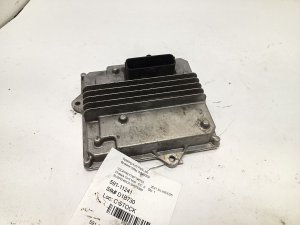
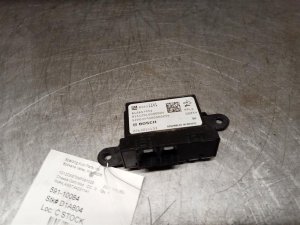
(OEM #ACDelco 13528941 (2018 Model Year, Verify by VIN))— In rare cases, the BCM itself fails and can no longer recognize valid keys. This part requires professional programming upon installation.
Trusted brands: ACDelco
OEM price range: $400-$600
Aftermarket price range: $250-$450
Related Codes That Often Appear With This One
- B3055 — This code means 'No Transponder Modulation or No Transponder'. It often appears with B3060, indicating the system either can't hear the key at all (B3055) or hears it but doesn't recognize it (B3060). This can point to heavy RFI or a failed key.
- B3935 — This code for 'Transponder Key Authentication Error' points to a failure in the security handshake process and is frequently logged alongside B3060 during a no-start event, as cited in TSBs.
- C0750, C0755, C0760, C0765, C0775 — These codes are related to the tire pressure monitoring system (TPMS), but are listed in TSB PIC5650M as potentially appearing with B3060. This is because the TPMS and keyless entry systems both use RF receivers, and significant RFI can disrupt both systems simultaneously.
Technical Service Bulletins (TSBs) & Recalls
- PIC5650M: Addresses intermittent no crank, no start, or start/stall with security light on, often caused by Radio Frequency Interference. It lists B3060 as a primary DTC and provides a long list of potential RFI sources to check.
- PIT5405C: Details a poor BCM ground at G218 that can cause a wide array of electrical problems, including no-start conditions, on 2015-2017 Yukon models.
Platform-Specific Known Issues
- Per TSB #PIC5650M, these vehicles can experience an intermittent no crank, no start, or start/stall with the security light on, often due to Radio Frequency Interference (RFI) from aftermarket electronics or other fobs on the keychain.
Mechanic-Grade Diagnostic Values
- Immobilizer System Operating Frequency — expected: 125 kHz. Failure: This value is used to identify potential sources of RFI, such as other devices operating in the 120-135 kHz range that can jam the key's signal.
- Continuity of BCM-related circuits — expected: Less than 2 Ω. Failure: Resistance of 2 Ω or greater indicates an open or high resistance in the circuit that needs to be traced and repaired.
- Scan Tool 'TDM Valid Key' Parameter — expected: Yes. Failure: The parameter reads 'No' when a key is in the ignition and turned to ON, indicating the Theft Deterrent Module does not recognize the key's transponder.
Hidden / Shadow Codes Worth Checking
- B3060 00: The '00' is a standard GM failure type code indicating 'No Sub Type Information'. It signifies that the primary code description is the most specific information available from the module. (see via Any professional scan tool capable of reading GM body codes, including the factory GDS2 tool.)
Scan Tool Commands That Help
- GDS2 (GM Global Diagnostic System 2): Module Diagnostics -> Body Control Module -> Immobilizer Learn — This function is required to program new keys, relearn existing keys after a system reset, or configure a new BCM or Theft Deterrent Module (TDM) to the vehicle.
- GDS2 (GM Global Diagnostic System 2): Module Diagnostics -> TDM -> Data Display — Used to monitor live data from the Theft Deterrent Module. A technician will watch the 'Valid Key' parameter to see if the module successfully recognizes the key in real-time, helping to distinguish between a bad key and a bad reader/module.
Wiring & Ground Locations
- G218 — Under the driver's side of the instrument panel, near the kick panel.. This is a major ground point for the instrument panel harness. A poor connection here, sometimes caused by trapped insulation, can lead to various electrical issues including BCM communication faults and no-start conditions that may set security codes. TSB PIT5405C specifically addresses this.
- BCM Connectors X1-X7 — On the Body Control Module (BCM) itself, typically located under the driver's side of the dashboard.. These are the main electrical connectors for the BCM. Advanced diagnosis of a B3060 code may require checking for power, ground, and data signals at specific pins on these connectors to rule out wiring issues before condemning the BCM.
- Immobilizer Antenna (Exciter Coil) — A ring integrated into the ignition lock cylinder housing on the steering column (for keyed ignition) or near the start button/transmitter pocket (for push-button start).. This antenna powers and reads the key's transponder. Damage to its wiring, often in the steering column, will prevent the key from being read, causing B3055 or B3060.
Real Owner Repair Stories
- Go-Parts summary of forum user experiences (2014 GMC Savana (platform relative)) — Persistent no-start condition with security codes.
❌ Tried (didn't work) Replaced the ignition cylinder, Performed the 30-minute key relearn procedure multiple times
✅ What actually fixed it The Body Control Module (BCM) had failed internally. Replacing and reprogramming the BCM resolved the issue permanently.
OEM Part Supersession History
13599685→13528941— Standard part revision by the manufacturer for design, material, or software updates.
Heads up: The new part number (13528941) is the correct service replacement for the original. This part requires professional programming upon installation to function with the vehicle's specific options and security system.
Helpful Videos
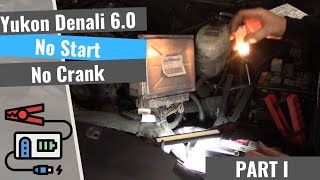
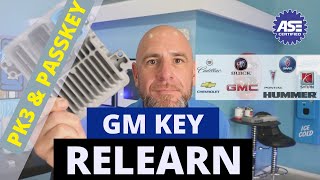
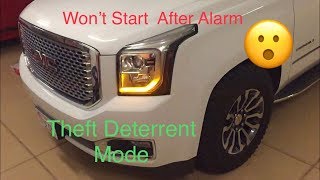
We Have This Part in Stock

The information in this article is provided for general reference and educational purposes only. Vehicle specifications, procedures, and part compatibility can vary by production date, trim level, and region. Always consult your vehicle's factory service manual and verify part numbers before purchasing or performing repairs. Safety-critical components such as airbags, seat belts, and braking systems should be installed by a qualified professional.
- Gmc YUKON DENALI:
- 🧭 Diagnostic Flowchart
- 🎬 Helpful Videos
- 🛍️ Shop This Part
- What's Unique About the 2017-2019 Gmc YUKON DENALI
- Symptoms You May Notice
- Most Likely Causes
- Rare But Worth Checking
- Diagnosis Steps
- Parts You'll Likely Need
- Related Codes That Often Appear With This One
- Technical Service Bulletins (TSBs) & Recalls
- Platform-Specific Known Issues
- Mechanic-Grade Diagnostic Values
- Hidden / Shadow Codes Worth Checking
- Scan Tool Commands That Help
- Wiring & Ground Locations
- Real Owner Repair Stories
- OEM Part Supersession History
- 🎟️ Get 5% Off