

B3060 on 2012-2016 GMC Yukon Denali XL: No-Start Causes and Fixes
Code B3060 on a 2012-2016 Yukon Denali XL means the anti-theft system doesn't recognize the key, causing a no-start and an illuminated security light. The most common cause is radio frequency interference (RFI) from other fobs or cards on your keychain. Try starting with the key isolated before attempting other repairs. For 2015+ models, if a "No Remote Detected" message appears, placing the fob in the transmitter pocket inside the center console may allow it to start, indicating a weak fob batt
- B3060 means your Yukon's security system has locked the engine because it doesn't recognize the key.
- The most common cause is Radio Frequency Interference (RFI). Before any repairs, remove all other fobs, cards, and chargers from your keychain and car and try again.
- Trying a spare key is the next easiest diagnostic step. If it works, your primary key is bad.
- A 'Security Relearn Procedure' can often fix the issue for free after a battery change or voltage drop.
- Do not immediately replace the starter or battery; the security light is the crucial symptom pointing to an anti-theft issue.
What's Unique About the 2012-2016 Gmc YUKON DENALI XL
This generation range of the Yukon Denali spans two platforms: the GMT900 (2012-2014) and the K2XX (2015-2016). Both are known to be highly susceptible to Radio Frequency Interference (RFI), a fact highlighted in multiple GM Technical Service Bulletins. Owners frequently experience intermittent no-start issues caused not by a faulty part, but by other RFID-enabled cards (office keys, toll passes), other vehicle fobs, or even aftermarket electronics like phone chargers and LED lights that scramble the signal between the key and the vehicle's security antenna. Additionally, these systems are sensitive to low vehicle battery voltage, which can cause the BCM to lose key memory, often requiring a relearn procedure after a battery replacement.
Diagnostic Flowchart
Tap your situation to follow the diagnostic path that matches what you're seeing on this vehicle.
Generation note: This range covers the end of the third generation (2012-2014, GMT900 platform) and the start of the fourth (2015-2016, K2XX platform). The 2012-2014 models use a traditional metal key with a Pass-Key III (PK3) transponder chip read by an exciter coil in the ignition lock cylinder. The 2015-2016 models use a keyless access fob (push-button start) that communicates with multiple antennas in the vehicle. While the technology differs, both systems are vulnerable to RFI and similar key-related failures that trigger code B3060.
Symptoms You May Notice
- Engine will not crank or start
- Engine starts and immediately stalls
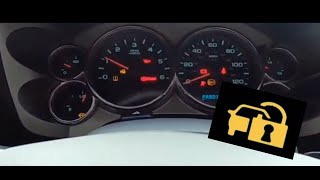
- Solid or flashing security light on the dashboard.
- "No Key Detected" or "Service Theft Deterrent System" message on the driver information center (2015+ models).
- Alarm may sound when entering with the manual key if the fob is not detected.
- Replacing the starter motor. A no-crank condition can be mistaken for a bad starter, but the presence of the security light is the key indicator of an immobilizer issue.
- Replacing the vehicle's main 12V battery. While a weak battery can cause many electrical problems, it does not typically set B3060 directly. The code is more likely to appear *after* a battery has been replaced due to the system losing its key memory, requiring a relearn.
Most Likely Causes
- Radio Frequency Interference (RFI) 🔴 High Probability As noted in TSB PIC5650M, the security systems on these GM trucks are sensitive to external radio signals from devices like other vehicle fobs, building access cards, toll passes, and even aftermarket USB chargers or LED lights. The low-power 125 kHz signal is easily disrupted.
How to confirm: Remove all other keys, fobs, and cards from the keychain. Unplug any aftermarket 12V accessories. Try to start the vehicle with only the single Yukon key/fob present. If it starts reliably, RFI was the cause.
Typical fix: Keep the vehicle key on a separate ring from other RFID-enabled items. Identify and remove any aftermarket electronics causing interference.
Est. part cost: $0 - Faulty or Unprogrammed Ignition Key/Fob 🟡 Medium Probability → Shop Keyless Entry Transmitter The transponder chip inside the key can fail internally, or the key can lose its programming, especially after a significant voltage drop (like a battery replacement). For 2015+ models, a weak or dead fob battery is a common culprit.
How to confirm: Try starting the vehicle with a known-good spare key. If the spare key works consistently, the primary key is faulty. For 2015+ models, try placing the suspect fob in the transmitter pocket in the center console; if the vehicle starts, the fob battery is the likely issue. 🎬 Watch: How to start your Yukon with a dead fob battery.
Typical fix: Replace the faulty key/fob and have the new one professionally programmed to the vehicle. In some cases, a key relearn procedure may work. For fobs, start by replacing the internal battery (CR2032 or CR2450).
Est. part cost: $5-$150 - Failed Key Relearn / Synchronization Issue ⚪ Low Probability After a battery replacement or a major voltage drop, the security module can sometimes lose its memory of the learned keys, requiring a relearn procedure to re-establish communication. This is a very common scenario discussed on owner forums.
How to confirm: Attempt the 10- or 30-minute key relearn procedure. If the procedure completes successfully and the vehicle starts, this was the issue.
Typical fix: Perform the security relearn procedure. This typically involves turning the key to the 'ON' position, waiting about 10 minutes for the security light to go out, turning the key off for 10 seconds, and repeating the cycle two more times for a total of 30 minutes. It is highly recommended to connect a battery charger 🎬 See this walkthrough of the 30-minute key relearn procedure. during this process.
Est. part cost: $0 - Faulty Ignition Lock Cylinder / Exciter Coil (2012-2014) ⚪ Low Probability → Shop Ignition Switch The exciter coil that surrounds the ignition cylinder energizes the key's transponder. A failure in this coil or its wiring, which is often part of the lock cylinder assembly, prevents the key from being read.
How to confirm: This requires testing the wiring at the steering column for correct voltage and signal with a multimeter. If power and ground are present but the signal is absent with a known-good key, the lock cylinder assembly is likely faulty. Wiggling the key while trying to start can sometimes induce a momentary connection, pointing to this component.
Typical fix: Replace the ignition lock cylinder assembly and perform a key relearn procedure.
Est. part cost: $100-$250
Rare But Worth Checking
- Failing Body Control Module (BCM): → Shop Body Control Module If multiple known-good keys fail to work, RFI has been ruled out, and the key relearn procedure fails (e.g., the security light never turns off), the BCM itself may be the culprit. This is an expensive last resort and should be confirmed by a professional, as it requires programming with special tools.
- Poor Ground Connections: Intermittent no-start issues with erratic electrical behavior can sometimes be traced to a corroded or loose main battery, frame, or engine ground. Owners on forums have reported resolving persistent issues by cleaning and tightening ground connections, particularly the one near the driver's side firewall.
Diagnosis Steps
- Confirm the security light is illuminated or flashing on the dashboard. This is the primary indicator of an anti-theft problem.
- Isolate for Radio Frequency Interference (RFI). Remove all other keys, fobs, access cards, and aftermarket electronics (especially USB chargers and LED lights) from the vehicle and keychain. Attempt to start the vehicle with only the Yukon key.
- Test all available spare keys. If a spare key works, the original key is faulty.
- For 2015+ models, if the DIC shows "No Remote Detected", place the fob in the transmitter pocket (inside the center console storage area) and attempt to start. If it starts, the fob battery is weak or there is an RFI issue.
- Attempt the Security Relearn Procedure. Connect a battery charger. Turn the key to 'ON' (without starting) and wait for the security light to turn off (approx. 10 minutes). Turn the key 'OFF' for 10 seconds. Repeat this process two more times for a total of three cycles. On the fourth attempt, the vehicle should start.
- Scan for codes in the Body Control Module (BCM) using a capable scanner. Confirm B3060 and look for related codes like B3055 or B3935.
- If the above steps fail, professional diagnosis is recommended to test the ignition lock cylinder wiring and the BCM itself.
Parts You'll Likely Need
- Transponder Ignition Key / Key Fob
(OEM #2015+ 6-button fob: 13508283, 13580808 (FCC ID: HYQ1EA); 2015+ 5-button fob: 13577768 (FCC ID: M3N-32337100))— The transponder chip in the key can fail, the fob battery can die, or the key can lose its programming, directly causing the BCM to reject it.
Trusted brands: ACDelco, Strattec
OEM price range: $80-$180
Aftermarket price range: $30-$80 - Ignition Lock Cylinder with Passkey Sensor
(OEM #Ignition Switch often replaced with it: 85636870 (rep)— For 2012-2014 models, the reader coil that surrounds the lock cylinder can fail, preventing it from energizing and reading the key's transponder.
Trusted brands: ACDelco, Standard Motor Products (SMP), Dorman
OEM price range: $80-$160
Aftermarket price range: $50-$100
Related Codes That Often Appear With This One
- B3055 — This code means 'No Transponder Signal Received'. It often appears with B3060 because the root causes (bad key, RFI, bad reader coil) can cause the system to either not hear the key at all (B3055) or hear it but not recognize it (B3060). Both are cited together in GM service documents.
- B3935 — This code for 'Transponder Authentication Failed' also points to a failure in the security handshake between the key and the vehicle and is often cited in the same service bulletins as B3060.
Technical Service Bulletins (TSBs) & Recalls
- PIC5650M: Addresses intermittent no crank, no start, or start/stall concerns with the security light on, potentially caused by RFI. Lists DTCs B3055, B3060, B3935, and others.
- PIE0232: An earlier GM Engineering Information bulletin created to investigate the cause of B3060 on low-mileage 2013 trucks, indicating a known issue from the factory.
Platform-Specific Known Issues
- TSB PIC5650M directly addresses intermittent no-crank/no-start conditions with code B3060, citing Radio Frequency Interference as a primary cause to investigate.
- For 2015+ models, a weak vehicle battery can cause a cluster of unrelated error messages on the DIC, including 'Service Theft Deterrent System', which can be misdiagnosed as a module failure when it is just a battery issue.
- On 2015+ models, if the key fob battery is replaced and the remote lock/unlock functions stop working, it may require a specific dealer or locksmith procedure to resync, even if the vehicle starts.
Hidden / Shadow Codes Worth Checking
- B3060 00: Unprogrammed Transponder Identification Code Received with no additional subtype information. This is the most common variant and indicates the key's ID is simply not in the module's learned memory. (see via A professional scan tool like the GM GDS2 (Global Diagnostic System 2) will display the DTC with its symptom byte.)
Scan Tool Commands That Help
- GDS2 (GM Global Diagnostic System 2): Immobilizer Learn / Vehicle Key Relearn — This function is required after replacing a key, the BCM, or the Theft Deterrent Module (TDM). It guides the technician through the secure process of programming new keys or fobs into the vehicle's immobilizer memory.
- GDS2 (GM Global Diagnostic System 2): Add or Replace Key Fobs — Located under the 'Remote Control Door Lock Receiver' module diagnostics, this function is used to program the remote functions (lock/unlock) of the fob after the immobilizer portion has been learned.
- GDS2 (GM Global Diagnostic System 2): Content Theft Deterrent Trigger History — Located in the BCM data display, this allows a technician to see the history of what triggered the alarm system, which can be useful for diagnosing intermittent security-related issues that may accompany a B3060 code.
Wiring & Ground Locations
- G201 (GMT900) — Behind the upper left (driver's side) of the dashboard, near the A-pillar and speaker.. This is a primary interior ground point for the 2012-2014 models. A poor connection here is a well-documented cause of BCM communication failure and erratic electrical behavior, which can disrupt the theft deterrent system.
- G218 (K2XX) — Behind the driver's side lower kick panel, near the A-pillar and speaker. It is a stud with a 10mm nut.. This is the primary ground for the Body Control Module (BCM) on 2015-2016 models. GM TSB #PIT5405C identifies that the dash insulator mat can get trapped under the ground nut, causing high resistance, BCM faults, and potential security system issues.
- Ignition Switch Connector (GMT900) — At the base of the steering column, connecting the ignition lock cylinder to the main harness.. The small wires (often white in a separate sheath) running from the key cylinder are for the PassKey III system. These wires are known to break or chafe from the rotation of the steering column, causing an open circuit and leading to B3055/B3060 codes.
- Keyless Entry/Immobilizer Antennas (K2XX) — For 2015-2016 models, multiple antennas exist. One is behind the AC control panel, with others potentially in the rear window, mirrors, or center console.. These antennas receive the signal from the key fob. A damaged, disconnected, or blocked antenna can prevent the BCM from receiving the key's signal, leading to a no-start and codes B3055 or B3060.
Real Owner Repair Stories
- TahoeYukonForum.com user reports & GM TSBs (2015+ GM SUV (K2XX Platform)) — Intermittent no-start, security light on, codes B3060 and B3055 stored. Problem was unpredictable and difficult to diagnose.
❌ Tried (didn't work) Replacing key fob batteries, Performing 30-minute relearn procedure
✅ What actually fixed it The root cause was an aftermarket remote start system that was improperly installed or failing. Its module was creating RF interference that disrupted the factory Pass-Key III+ security system. Completely disconnecting the aftermarket system resolved all symptoms. - Reddit user HeyChason (2015 Yukon) — Auto-Theft prompts on screen, lights flashing, clicking but no crank. After battery disconnect/reconnect, all electrical power would die instantly when pressing the start button.
❌ Tried (didn't work) Following on-screen prompts to reset the alarm, Jumping the vehicle
✅ What actually fixed it The user's post ended while still diagnosing, but the symptoms described (total electrical blackout on crank attempt after a battery reset) strongly point to either a severely failed battery with an internal short or a bad main ground/power connection that can't handle the starter load, a common issue confused with the theft system.
OEM Part Supersession History
15806498, 15845229, 25841840, 25861815, 25992280→22738087— Part evolution, consolidation, and potential reliability updates by the manufacturer.
Heads up: This part is the Theft Deterrent Module for GMT900 (2012-2014) platforms and is often included with the steering column assembly. Ensure the final part number is correct for the vehicle's VIN, as it must be programmed.
Model Year Variations Within This Range
- 2012-2014 (GMT900): Uses a traditional metal key with an embedded Pass-Key III (PK3) transponder. The key is read by an exciter coil in the ignition lock cylinder. Diagnostics focus on the key, the lock cylinder wiring, and the Theft Deterrent Module (TDM), which may be a separate module or integrated into the BCM.
- 2015-2016 (K2XX): Uses a keyless push-button start system. The 'key' is a fob that communicates with multiple low-frequency antennas in the vehicle. The BCM and Remote Control Door Lock Receiver (RCDLR) manage key validation. Diagnostics focus on fob battery, RFI, antenna function, and BCM/RCDLR communication. The backup start location is a pocket in the center console.
Helpful Videos
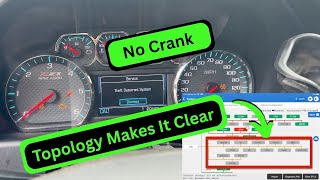

The information in this article is provided for general reference and educational purposes only. Vehicle specifications, procedures, and part compatibility can vary by production date, trim level, and region. Always consult your vehicle's factory service manual and verify part numbers before purchasing or performing repairs. Safety-critical components such as airbags, seat belts, and braking systems should be installed by a qualified professional.
- Gmc YUKON DENALI XL:
- 🧭 Diagnostic Flowchart
- 🎬 Helpful Videos
- What's Unique About the 2012-2016 Gmc YUKON DENALI XL
- Symptoms You May Notice
- Most Likely Causes
- Rare But Worth Checking
- Diagnosis Steps
- Parts You'll Likely Need
- Related Codes That Often Appear With This One
- Technical Service Bulletins (TSBs) & Recalls
- Platform-Specific Known Issues
- Hidden / Shadow Codes Worth Checking
- Scan Tool Commands That Help
- Wiring & Ground Locations
- Real Owner Repair Stories
- OEM Part Supersession History
- Model Year Variations Within This Range
- 🎟️ Get 5% Off