

B3060 on 2007-2009 Hummer H2: Security System Faults, No-Start Causes, and Fixes
Code B3060 on a 2007-2009 Hummer H2 indicates a problem with the vehicle's anti-theft system, specifically that it has received a signal from an unprogrammed or unrecognized ignition key. This typically results in a no-start condition with the security light on. The most common fixes involve addressing a faulty key, performing a key relearn procedure, or checking for radio frequency interference (RFI).
- B3060 means your Hummer's security system doesn't recognize the key, and it will not let the engine start.
- Before replacing any parts, try a spare key and perform the 30-minute key relearn procedure.
- A major, often overlooked cause is Radio Frequency Interference (RFI). Unplug all aftermarket phone chargers, LED lights, and remove other fobs from your keychain before diagnosing.
- If keys and RFI are ruled out, the ignition lock cylinder is the next most likely culprit, followed by the much rarer BCM failure or wiring damage.
- This is a very common issue across GM trucks and SUVs from this era, including Silverado, Sierra, Tahoe, Yukon, and Escalade.
What's Unique About the 2007-2009 Hummer H2
The Hummer H2 uses a GM anti-theft system common across many of their GMT900 platform trucks and SUVs from this era, including the Chevrolet Silverado/Tahoe and Cadillac Escalade. The system, while effective, can be sensitive. The primary issue, as noted in manufacturer bulletins, is an intermittent no-crank or stall condition tied directly to this security system. Unlike some other vehicles where a security code might just be a nuisance, on the H2 it is a hard fault that will prevent the engine from starting until the issue is resolved. TSB PIC5650M specifically highlights that aftermarket devices like LED lights, certain phone chargers, and even RFID toll passes can cause radio frequency interference (RFI) that disrupts the key-to-vehicle communication, triggering this code.
Diagnostic Flowchart
Tap your situation to follow the diagnostic path that matches what you're seeing on this vehicle.
Symptoms You May Notice
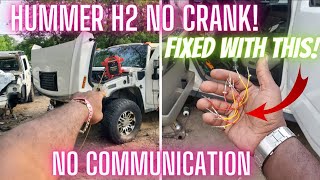
- Engine will not crank or start.
- Engine starts briefly and then immediately stalls.
- Security light is illuminated or flashing on the dashboard.
- No communication with some control modules when using a scan tool.
- Key is stuck in the ignition. 🎬 See this quick fix if your key is stuck in the ignition.
- Replacing the starter without diagnosing the security system. A no-crank condition caused by the anti-theft system will not be fixed by a new starter.
- Replacing the battery without performing the key relearn procedure afterwards. A new battery can sometimes trigger the security system, requiring a reset.
- Condemning the BCM or ignition switch before checking for Radio Frequency Interference (RFI) from aftermarket accessories, as highlighted in TSB PIC5650M.
Most Likely Causes
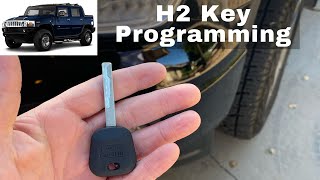
- Unprogrammed or Faulty Ignition Key 🔴 High Probability → Shop Ignition Switch The transponder chip in the key can fail over time, or a newly cut key may not have been programmed correctly. The key uses a Philips ID 46 chip, and dropping the key can damage this internal component.
How to confirm: Try starting the vehicle with a known-good spare key. If the spare key works, the original key is faulty. A locksmith or dealer can also test the transponder chip in the key.
Typical fix: Replace the faulty key and perform the key relearn procedure. The OEM key part number is often listed as B111-PT, with several superseding GM numbers like 23372322.
Est. part cost: $50-$150 for a new key and programming. - Failed Key Relearn Procedure 🟡 Medium Probability If the battery was recently disconnected or replaced, or if a new key was attempted, the security system may need to be reset. The procedure is timing-sensitive and can fail if not followed precisely.
How to confirm: The vehicle will not start and the security light will be on after a battery change or key replacement attempt.
Typical fix: Perform the 30-minute key relearn procedure. This involves turning the key to 'ON' for approximately 10-11 minutes until the security light goes out, then turning it 'OFF' for 30 seconds, and repeating this sequence a total of three times.
Est. part cost: $0 - Radio Frequency Interference (RFI) 🟡 Medium Probability As detailed in GM TSB PIC5650M, the Passkey system is susceptible to interference from aftermarket electronics. Common culprits include LED headlights/interior lights, USB phone chargers, and even other RFID cards on the same keychain.
How to confirm: Remove all other keys, fobs, and RFID cards from the keychain. Unplug all aftermarket accessories (phone chargers, dash cams, etc.). If the vehicle starts, one of the removed items was causing interference.
Typical fix: Isolate and remove the source of the RFI. Keep other keys and electronics away from the ignition when starting the vehicle.
Est. part cost: $0 - Faulty Ignition Lock Cylinder / Switch ⚪ Low Probability → Shop Ignition Switch The ignition lock cylinder houses the exciter coils that energize the key's transponder. Wear and tear or physical damage can cause these components to fail, leading to intermittent communication.
How to confirm: If multiple known-good keys fail to start the vehicle and the relearn procedure doesn't work (especially after ruling out RFI), the problem may be in the lock cylinder's electronics. This is often diagnosed after other causes are eliminated.
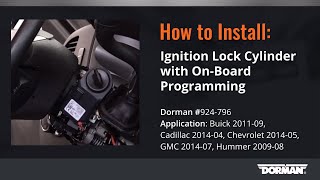
Typical fix: Replace the ignition lock cylinder and/or ignition switch, followed by a key relearn procedure. OEM part numbers for the cylinder kit include 🎬 Watch: How to replace and repair the ignition lock cylinder. 15298923 and 15794826.
Est. part cost: $50-$250
Rare But Worth Checking
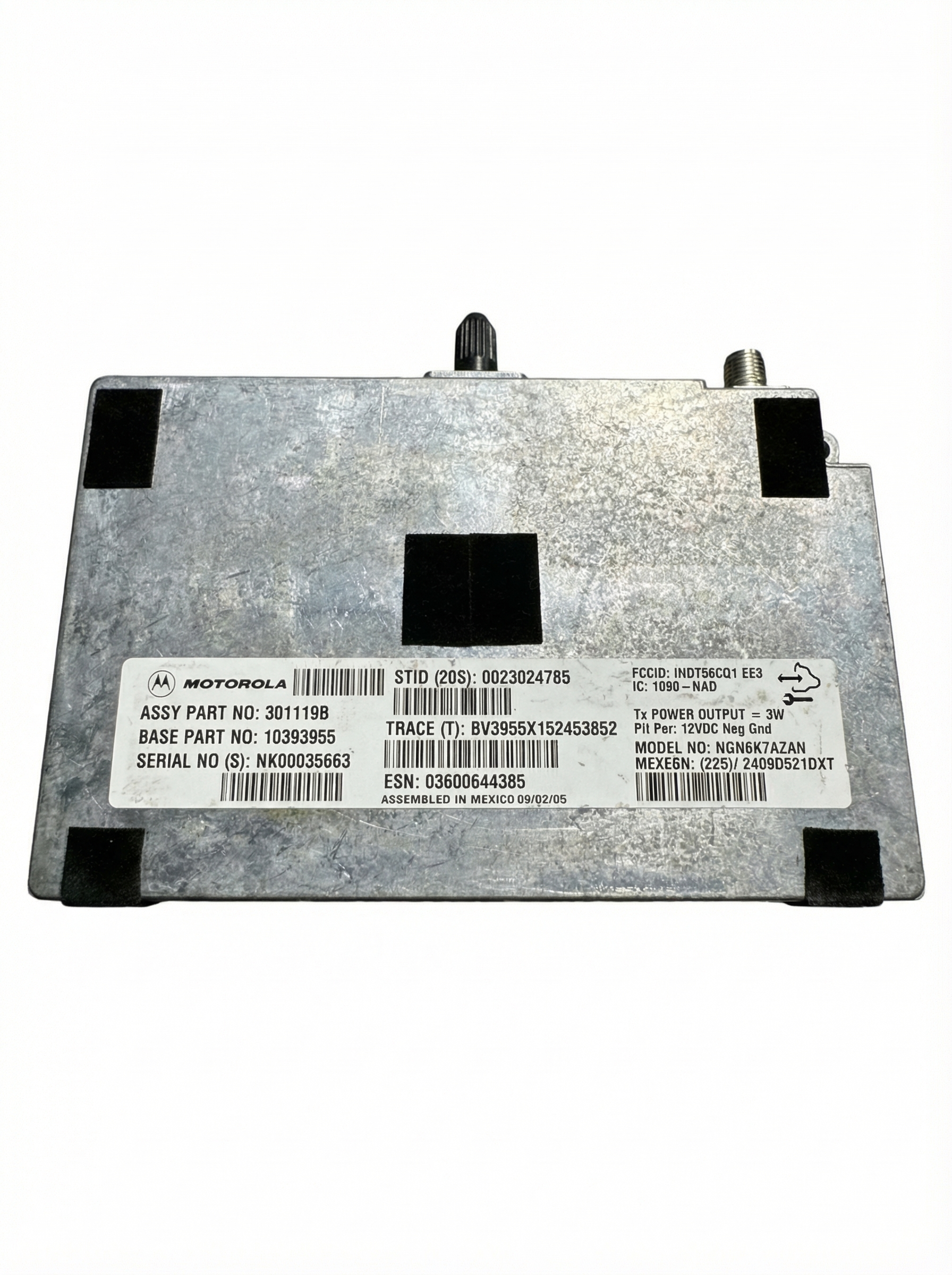
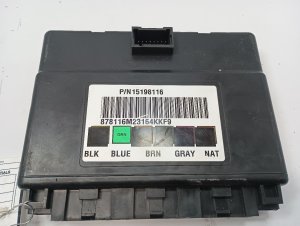
- Body Control Module (BCM) Failure: → Shop Body Control Module While less common, the BCM is the brain of the security system. If it fails, it can no longer recognize valid keys. This is usually a last resort after all other components have been tested. Water intrusion is a known cause of BCM failure on H2s, often from leaking roof marker lights or windshield seals, with wiring harnesses under the carpet showing corrosion. A replacement BCM will require programming to the vehicle's VIN.
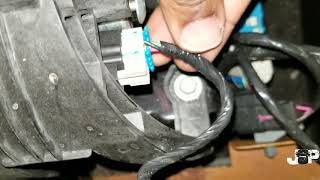
- Wiring Harness Damage: Damage to the wiring between the ignition lock cylinder and the BCM can interrupt the key's signal. This often occurs under the dash or near the steering column due to chafing or previous aftermarket alarm installations. A specific jumper plug near the steering column that connects data lines can also be a point of corrosion.
Diagnosis Steps
- Check for the security light on the dashboard. If it's on or flashing, the issue is almost certainly with the anti-theft system.
- Remove all other keys, fobs, toll passes, and aftermarket chargers from the vehicle to eliminate Radio Frequency Interference (RFI) as per TSB PIC5650M.
- Try starting the vehicle with a known-good spare key. If it starts, the first key is defective.
- If you only have one key or the spare doesn't work, attempt the 30-minute key relearn procedure.
- Inspect the ignition key for any visible damage to the black plastic head where the transponder resides.
- Scan the Body Control Module (BCM) for other related trouble codes like B3055 or B3935.
- Inspect the wiring and connectors at the ignition lock cylinder and under the steering column for any signs of damage, looseness, or poor connections from previous aftermarket installations.
- If all steps fail, the issue may lie with the ignition lock cylinder itself or the Body Control Module (BCM), which may require professional diagnosis with a scan tool to observe live data.
Parts You'll Likely Need
- Ignition Key with Transponder
(OEM #B111-PT / GM 23372322 (and others))— The transponder chip inside the key is the most common point of failure for this code. The key blank is often referred to as B111-PT with a 'Circle Plus' chip.
Trusted brands: ACDelco, GM Genuine, STRATTEC
OEM price range: $70-$120
Aftermarket price range: $20-$60 - Ignition Lock Cylinder
(OEM #15298923 / 15794826)— The sensor ring (exciter coil) inside the lock cylinder that reads the key can fail, preventing communication. This is the next most likely part to fail after the key itself.
Trusted brands: ACDelco, Dorman, Standard Motor Products (SMP)
OEM price range: $80-$180
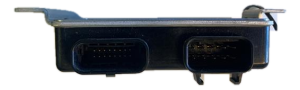
Aftermarket price range: $40-$90 - Body Control Module (BCM)
(OEM #15191785 / 22860591 (verify by VIN))— A rare but possible cause. The BCM governs the security system and can fail, often due to water damage. Requires programming.
Trusted brands: ACDelco, GM Genuine
OEM price range: $250-$400
Aftermarket price range: N/A (OEM or remanufactured recommended)
Related Codes That Often Appear With This One
- B3055 — This code also relates to a problem with the key transponder signal and is often set alongside B3060, as noted in multiple GM service bulletins.
- B3935 — Another code related to transponder authentication failure within the GM immobilizer system, frequently cited with B3060 in TSBs.
Technical Service Bulletins (TSBs) & Recalls
- PIC5650M: Addresses intermittent no crank, no start, or start/stall concerns with the security light on, specifically citing DTC B3060. It strongly advises checking for Radio Frequency Interference (RFI) from aftermarket accessories before replacing any components.
- PIE0232: An earlier engineering bulletin where GM was investigating the root cause of B3060 and related codes on similar truck platforms (Silverado/Sierra), indicating this has been a long-standing issue for GM.
Platform-Specific Known Issues
- A GM Technical Service Bulletin (TSB #PIC5650, latest version PIC5650M) is highly relevant. It addresses intermittent no-crank, no-start, or stall conditions with the security light on, specifically citing DTC B3060. Crucially, it points to Radio Frequency Interference (RFI) from aftermarket devices (LED lights, phone chargers, toll passes) as a primary cause to investigate before replacing parts.
- Owners on forums report that water leaks, particularly from the roof marker lights, can travel down the A-pillar and damage the BCM or related wiring harnesses under the carpet, leading to this and other electrical faults.
Mechanic-Grade Diagnostic Values
- Scan Tool TDM 'Valid Key' Parameter — expected: Yes. Failure: The parameter reads 'No' when a known-good, learned key is in the ignition, indicating a problem with the reader or BCM.
Hidden / Shadow Codes Worth Checking
- B3060 00: The '00' is a failure type byte indicating that the base DTC text string provides the complete description of the failure, with no additional subtype information available. (see via A professional scan tool like a GM Tech2 or equivalent that can read manufacturer-specific codes and their subtypes.)
Scan Tool Commands That Help
- GM Tech2 / GDS2: Immobilizer / Key Learning — To program new keys to the vehicle or to perform a system relearn after replacing a component like the BCM or ignition lock cylinder.
- GM Tech2 / GDS2: Setup SDM Primary Key in BCM — This function is required after replacing the Body Control Module (BCM) to synchronize the new module with the airbag system's Supplemental Deployment Module (SDM) and extinguish the airbag warning light.
- GM Tech2 / GDS2: Brake Pedal Position Relearn — May be necessary after BCM replacement on some models to ensure correct brake light operation and prevent traction control system faults.
Wiring & Ground Locations
- Body Control Module (BCM) (2008-2009) — On the lower left side of the instrument panel/firewall, to the left of the steering column.. The BCM is the control center for the Passkey III+ anti-theft system. It receives the key data and sends the fuel enable/disable password to the ECM. Its location is critical for inspection of connectors and associated grounds.
- G103 — On the cowl at the left rear of the engine compartment, typically above the brake booster.. This is a primary ground point for the BCM, Instrument Panel Cluster (IPC), and Data Link Connector (DLC). A poor connection here can cause intermittent BCM operation and communication errors, mimicking a module failure.
- G203 — At the lower right side of the dash, near the right kick panel.. This is another instrument panel ground point. While not the primary BCM ground, poor connections here can cause a variety of strange electrical issues that may accompany a B3060 code.
- GMLAN Serial Data Bus — A network of wires connecting various modules, including the BCM and ECM. For the 2008 H2, these are typically Tan and Tan/Black wires.. The BCM sends the critical 'start enable' password to the ECM over this data bus. A fault on this circuit can prevent the message from being received, causing a no-start even if the key is read correctly.
Real Owner Repair Stories
- Hummer Forums user 'fastNYsix' (Hummer H2 (year not specified, but discussion implies 2003-2007)) — BCM failure causing various electrical issues.
❌ Tried (didn't work) Installing and attempting to program a used BCM from an Escalade. While a security relearn allowed the vehicle to drive, it would not work 100%.
✅ What actually fixed it The original, factory BCM had to be repaired. The attempt to program a used BCM was ultimately unsuccessful. - Hummer Forums user 'Captain T' (Hummer H2) — Dashboard lights on, then all gauges, radio, windows, and 4WD system go out.
❌ Tried (didn't work) Replacing the Body Control Module (BCM) and performing the relearn procedure. The problems returned immediately after starting.
✅ What actually fixed it The issue was not resolved in the thread, but the user's next step was investigating a wiring short, as the BCM replacement did not fix the problem and another module was getting very hot. This indicates the root cause was likely in the wiring, not the BCM itself.
OEM Part Supersession History
25847589, 15819552, 15872388, and many others→22860591— GM regularly updates production and service parts to integrate new materials, technologies, or fix previously identified issues.
Heads up: Part number 22860591 is the correct service replacement for the 2008-2009 Hummer H2, but it also fits a very wide range of other GM vehicles. The module MUST be programmed with the specific H2's VIN and configuration to function correctly. A module from another vehicle type (e.g., Impala, Acadia) will not work properly even if the part number is the same.
Model Year Variations Within This Range
- 2007 vs. 2008-2009: A major vehicle update occurred in 2008. The 2007 H2 is a GMT800-platform vehicle with an older interior and electronics; its security system is likely GM Passlock, which does not use a transponder key. The 2008-2009 H2 is a GMT900-platform vehicle with a completely new interior, powertrain, and electronics; it uses the Passkey III+ system which has a transponder chip in the key. Therefore, DTC B3060 is primarily applicable to the 2008-2009 models.
Helpful Videos
We Have This Part in Stock

The information in this article is provided for general reference and educational purposes only. Vehicle specifications, procedures, and part compatibility can vary by production date, trim level, and region. Always consult your vehicle's factory service manual and verify part numbers before purchasing or performing repairs. Safety-critical components such as airbags, seat belts, and braking systems should be installed by a qualified professional.
- Hummer H2:
- 🧭 Diagnostic Flowchart
- 🎬 Helpful Videos
- 🛍️ Shop This Part
- What's Unique About the 2007-2009 Hummer H2
- Symptoms You May Notice
- Most Likely Causes
- Rare But Worth Checking
- Diagnosis Steps
- Parts You'll Likely Need
- Related Codes That Often Appear With This One
- Technical Service Bulletins (TSBs) & Recalls
- Platform-Specific Known Issues
- Mechanic-Grade Diagnostic Values
- Hidden / Shadow Codes Worth Checking
- Scan Tool Commands That Help
- Wiring & Ground Locations
- Real Owner Repair Stories
- OEM Part Supersession History
- Model Year Variations Within This Range
- 🎟️ Get 5% Off