

B3125 on 2018-2022 Buick Enclave: Door Lock & Electrical Fault Guide
Code B3125 on a 2018-2022 Buick Enclave indicates a 'Driver Door Only Unlock Circuit Short to Ground'. It often appears with other electrical issues due to water leaking into the Body Control Module (BCM) or door harness connectors. The fix usually involves addressing the water leak and repairing or replacing the corroded components.
- B3125 on a 2018-2022 Enclave is an electrical fault code, specifically a short in the driver's door unlock circuit.
- The most likely cause is not the lock itself, but water damage to either the Body Control Module (BCM) or the door's main wiring connector.
- Diagnosis must begin with checking for water intrusion in the locations specified by GM service bulletins before replacing any parts.
- This is a complex electrical issue that typically requires professional diagnosis and repair.
- Simply replacing the door lock actuator will not fix the problem if the root cause is a water leak affecting the BCM or wiring.
What's Unique About the 2018-2022 Buick ENCLAVE
On this generation of the Buick Enclave and its GM platform mates (like the Chevy Traverse and GMC Acadia), B3125 is rarely an isolated issue with a single door lock actuator. It is frequently part of a larger electrical problem outlined in GM Technical Service Bulletin #21-NA-183. This TSB points to a clogged or improperly installed HVAC drain hose causing water to leak directly onto the Body Control Module (BCM), leading to corrosion and a cascade of electrical faults. Another TSB, #23-NA-046, points to water intrusion at the main door harness connectors in the A-pillar (specifically X500 for the driver's side) as another primary cause for these same codes due to failing foam seals or body plugs.
Diagnostic Flowchart
Tap your situation to follow the diagnostic path that matches what you're seeing on this vehicle.
Symptoms You May Notice
- Power door locks are inoperative or work intermittently.
- Unwanted horn or hazard flasher operation.
- Instrument panel warning lamps illuminate.
- Immobilizer-related messages on the driver information center (DIC), such as 'Remote Learn Pending Please Wait'.
- Keyless entry inoperative.
- Power windows or mirrors not working.
- Power seats moving on their own.
- 'Door Ajar' warning light stays on.
- Alarm system activates randomly.
- Replacing only the door lock actuator without checking for water intrusion at the BCM or A-pillar connectors. If the underlying cause is a water leak, the problem will return.
- Replacing the key fob or key fob battery. While a bad battery can cause keyless entry issues, it will not set a B3125 code or cause the other associated electrical symptoms.
Most Likely Causes
- Water Intrusion at Body Control Module (BCM) 🔴 High Probability → Shop Body Control Module As identified in TSB 21-NA-183, the HVAC drain hose can leak water directly onto the BCM and its connectors, causing corrosion and short circuits.
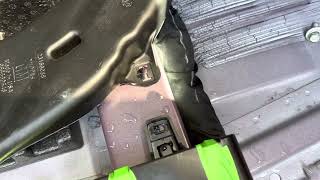
How to confirm: Remove the right front floor console extension panel and inspect the BCM, its connectors, and the surrounding carpet for any signs of water, staining, or corrosion. Run the A/C on high to see if water drips from the hose connection. 🎬 Watch: How to find and fix this common water leak. A technician may need to open the BCM case to confirm internal corrosion.
Typical fix: Repair the HVAC drain hose leak, often by securing it with a tie strap just below the locking nib on the hose connection to the HVAC module. The BCM and any corroded connectors will need to be professionally cleaned or, more likely, replaced and programmed.
Est. part cost: $300-$600 - Water Intrusion at Door Harness Connectors 🟡 Medium Probability TSB 23-NA-046 notes that water can leak past body plugs or degraded foam seals in the 'A' hinge pillar, causing corrosion in the main door-to-body harness connectors (X500 on the driver's side and X600 on the passenger's side).
How to confirm: Disconnect the large electrical connectors located in the door jamb between the door and the vehicle body. Inspect the pins and terminals on both sides of the connector for green or white corrosion.
Typical fix: Clean the connector terminals if corrosion is minor. If corrosion is severe, the connector terminals or a pigtail section of the wiring harness will need to be replaced. The source of the water leak (e.g., a bad body plug or foam seal) MUST be found and sealed to prevent a recurrence.
Est. part cost: $50-$250 - Faulty Door Lock Actuator/Latch Assembly ⚪ Low Probability → Shop Door Lock Actuator While less common when multiple electrical symptoms are present, the internal motor or circuitry of the driver's door latch assembly can fail, causing a short. This should be considered only after ruling out the more common water intrusion issues.
How to confirm: After ruling out BCM and wiring issues, a technician can use a scan tool to command the lock and test for power and ground at the actuator connector inside the door panel.
Typical fix: Replace the entire driver's door latch and actuator assembly.
Est. part cost: $150-$250
Rare But Worth Checking
- Broken Wires in Door Jamb: The constant flexing of the wiring harness between the door and the body can cause wires to break over time, leading to intermittent electrical failures. This is a common failure point for door electronics in many vehicles.
- Chafed Instrument Panel (IP) Harness: → Shop Dashboard Wiring Harness As noted in GM Preliminary Bulletin PIT5606F, the IP wiring harness may chafe against the steering column I-shaft connection. This can cause shorts that result in B3125 and other erratic electrical behaviors like unwanted seat movement or no-start conditions.
Diagnosis Steps
- Scan the Body Control Module (BCM) for all stored trouble codes. Note if B3125 is present with B3130, B3135, or any U-codes.
- Interview the driver about all symptoms, including intermittent lock behavior, key fob issues, immobilizer messages, or other strange electrical events.
- Following TSB 21-NA-183, remove the right front floor console extension panel and inspect the BCM and its connectors for any signs of water damage or corrosion.
- If no water is found at the BCM, inspect the HVAC drain hose connection for leaks by running the A/C on high. If a leak is found, secure the hose with a tie strap.
- Following TSB 23-NA-046, disconnect the door-to-body wiring harness connectors (X500 on the driver's side) in the A-pillar/door jamb area. Inspect the foam seal and check both sides of the connector for corrosion.
- If no water intrusion is found in the primary locations, inspect the IP wiring harness near the steering I-shaft for any signs of chafing, as per TSB PIT5606F.
- If no systemic wiring or BCM issues are found, proceed to test the driver's door lock actuator circuit. Disconnect the actuator and use a test lamp to verify the BCM is sending lock/unlock signals.
- Inspect the wiring harness passing through the rubber boot in the door jamb for any chafed or broken wires.
Parts You'll Likely Need
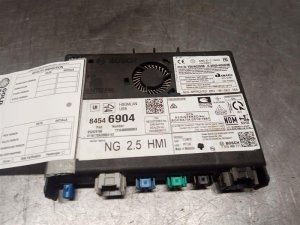
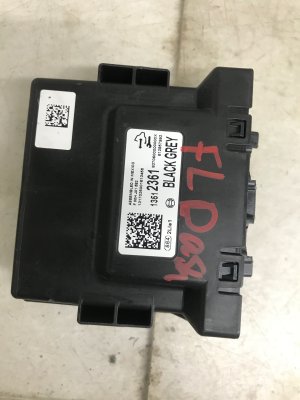
- Body Control Module (BCM)
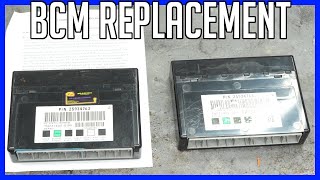
(OEM #13534188 (replaces 13594646))— Often damaged by water from a leaking HVAC drain hose, as noted in TSB 21-NA-183. Replacement is necessary if corrosion is present. Must be programmed to the vehicle. 🎬 Watch: A guide on how to replace a BCM.
Trusted brands: ACDelco (GM Genuine)
OEM price range: $300-$600
Aftermarket price range: $200-$450 - Door Lock Actuator / Latch Assembly — This part is replaced if it is found to be the source of the electrical short after ruling out wiring and BCM issues.
Trusted brands: ACDelco, Dorman
OEM price range: $150-$250
Aftermarket price range: $70-$150 - Door Harness Connector Repair Kit — Needed to repair corroded pins in the A-pillar connectors (X500/X600) caused by water intrusion, as described in TSB 23-NA-046.
Trusted brands: ACDelco
OEM price range: $40-$100
Aftermarket price range: $25-$75
Related Codes That Often Appear With This One
- B3130 — This code for 'All Doors Unlock Circuit Short to Ground' is frequently set alongside B3125, as they are both related to door lock control circuits managed by the BCM.
- B3135 — This code for 'All Doors Lock Circuit Short to Ground' often appears with B3125 and B3130, indicating a more systemic electrical issue rather than a single component failure.
- Various U-codes — Communication (U-prefix) codes often appear when the BCM is malfunctioning due to water damage, as it disrupts the vehicle's data network communication between modules.
Technical Service Bulletins (TSBs) & Recalls
- 21-NA-183: Intermittent Door Locks Inoperative, DTCs B3125, B3130, B3135, B3979, B3980, Various U codes, IP Lamps Illuminate, Immobilizer, Unwanted Horn or Hazard Flasher Operation.
- 23-NA-046: Intermittent Inoperative Driver and/or Passenger Power Window, Power Door Lock, Power Outside Mirror, and Power Seat Functions
- PIT5606F: Various Electrical Concerns
Platform-Specific Known Issues
- TSB 21-NA-183: HVAC Drain Leak: This TSB documents a known issue where a leaking HVAC drain hose can cause water damage to the Body Control Module (BCM), resulting in B3125 and other electrical DTCs. The official fix involves adding a simple tie strap to secure the hose connection.
- TSB 23-NA-046: A-Pillar Connector Leak: This TSB identifies another potential cause: water leaking past body plugs or foam seals in the A-pillar, leading to corrosion in the main door harness connectors (X500/X600).
- Owner Experience: Intermittent Failure and Repair: A 2022 GMC Acadia owner on Reddit reported intermittent failure of the door locks via fob and buttons. The final diagnosis was a wiring issue from water damage on the driver's side, which cost approximately $400 CAD to repair at a dealership. This highlights that the issue is not the fob itself but underlying wiring.
Mechanic-Grade Diagnostic Values
- Door Latch Control Circuit Voltage — expected: > 7 V. Failure: A reading less than 7 V when the lock/unlock is commanded suggests a short to ground or open/high resistance in the circuit.
- Door Latch Control Circuit End-to-End Resistance — expected: < 2.0 Ohms. Failure: A reading of 2.0 Ohms or higher indicates excessive resistance or an open in the circuit wiring.
- Door Latch Assembly Mounting Screw Torque — expected: 9 Nm (80 in-lb). Failure: Improper torque can lead to misalignment or damage to the latch assembly.
Hidden / Shadow Codes Worth Checking
- B3125 02: The '02' is a GM-specific failure type identifier, which explicitly means 'Short to Ground'. Seeing this suffix confirms the BCM's specific diagnosis. (see via A professional scan tool that can read manufacturer-specific codes and data, such as the GM GDS2.)
Scan Tool Commands That Help
- GM GDS2: Body Control Module > Control Functions > Vehicle Access > Door Lock/Unlock — Use this bidirectional control to command the driver's door lock actuator on and off. This helps determine if the fault is in the BCM, the wiring, or the actuator itself. If the command is sent but the lock doesn't work, you can test for power at the actuator connector.
- GM GDS2 / High-Level Scan Tool: Setup SDM Primary Key in BCM — This procedure is required AFTER replacing the BCM. The new BCM must be synchronized with the Sensing and Diagnostic Module (SDM/airbag controller) to prevent an airbag warning light and DTC B1001.
- N/A - Timed Procedure: 30-Minute Security Relearn Procedure — After replacing the BCM, the vehicle's immobilizer system may prevent it from starting. This manual 30-minute procedure (cycling the key ON for 10 minutes, three times) is necessary to allow the new BCM to learn the vehicle's security credentials.
Wiring & Ground Locations
- G300 — Located behind the left (driver's) seat, on the floor, near the B-pillar.. This is the primary ground point for the Driver Door Latch Assembly. A loose or corroded connection here can cause high resistance, leading to intermittent or inoperative lock function, mimicking other circuit faults.
- BCM Ground Paths (General) — Various locations, often routed through splice packs or junction blocks in the instrument panel area.. Per GM Service Bulletin 07-08-47-004D, the negative battery cable MUST be disconnected before removing any BCM ground. Failure to do so can cause internal damage to the BCM, even if you are just removing a nearby component that shares the ground path.
- X500 — The main door-to-body wiring harness connector located in the driver's side A-pillar/door jamb area.. This connector is a known point for water intrusion and corrosion as outlined in TSB 23-NA-046. Corrosion on the pins for the door lock actuator circuit will cause a short or open, triggering B3125.
Real Owner Repair Stories
- Camaro5 Forum Member (2010 Chevrolet Camaro (similar GM electrical architecture)) — Multiple rain/moisture-related electrical issues, including door lock and window problems.
❌ Tried (didn't work) Initial speculation about BCM failure.
✅ What actually fixed it The owner found significant water and corrosion inside the main electrical connector between the driver's door and the car's body (equivalent to the Enclave's X500 connector). Cleaning the water and corrosion from the connector pins resolved the electrical problems.
"I Checked Everything" — The Actual Cause
- Because this is an electrical fault, the equivalent of a 'smoke test clean' scenario is when a technician tests the wiring and finds no short to ground. However, the fault may only occur when water is present. A circuit that tests perfectly normal when dry can become shorted when water from a leak (at the A-pillar or BCM) bridges the connections. The root cause is the water leak, which must be diagnosed by actively testing for water intrusion, not just by a static electrical test.
Helpful Videos
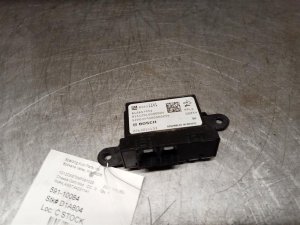
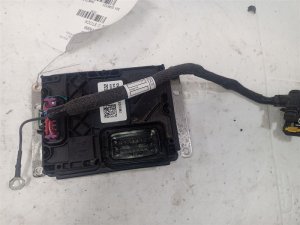
We Have This Part in Stock

The information in this article is provided for general reference and educational purposes only. Vehicle specifications, procedures, and part compatibility can vary by production date, trim level, and region. Always consult your vehicle's factory service manual and verify part numbers before purchasing or performing repairs. Safety-critical components such as airbags, seat belts, and braking systems should be installed by a qualified professional.
- Buick ENCLAVE:
- 🧭 Diagnostic Flowchart
- 🎬 Helpful Videos
- 🛍️ Shop This Part
- What's Unique About the 2018-2022 Buick ENCLAVE
- Symptoms You May Notice
- Most Likely Causes
- Rare But Worth Checking
- Diagnosis Steps
- Parts You'll Likely Need
- Related Codes That Often Appear With This One
- Technical Service Bulletins (TSBs) & Recalls
- Platform-Specific Known Issues
- Mechanic-Grade Diagnostic Values
- Hidden / Shadow Codes Worth Checking
- Scan Tool Commands That Help
- Wiring & Ground Locations
- Real Owner Repair Stories
- "I Checked Everything" — The Actual Cause
- 🎟️ Get 5% Off