

B3125 on 2017-2022 Cadillac XT5: Causes for Door Lock and Electrical Problems
On a 2017-2022 Cadillac XT5, code B3125 is most often caused by water intrusion into the Body Control Module (BCM) from a blocked or improperly routed HVAC drain hose. This is a known issue on the C1XX platform, affecting platform mates like the GMC Acadia. This water damage can cause a wide range of electrical issues beyond just door lock problems. The fix involves repairing the water leak and likely replacing the corroded BCM.
- Code B3125 on a 2017-2022 XT5 is a serious indicator of an underlying electrical problem, not just a bad switch.
- The most likely cause is water leaking from the HVAC system onto the Body Control Module (BCM) in the center console area.
- A secondary, but also common, cause is a wiring harness rubbing against the steering column.
- Diagnosis should start with a visual inspection for water damage around the BCM before testing any other components.
- Repairing the source of the water leak or chafing is critical to prevent the problem from recurring after replacing any damaged parts.
What's Unique About the 2017-2022 Cadillac XT5
The Cadillac XT5 and its C1XX platform mates (like the GMC Acadia, Chevy Traverse, and Buick Enclave) are known for a specific design flaw where the HVAC drain hose can leak water directly onto the Body Control Module (BCM) and its connectors. The BCM is located inside the passenger cabin, under the front floor console area. This water intrusion is a primary cause for B3125 and a host of other seemingly unrelated electrical problems, as documented in GM Technical Service Bulletin #21-NA-183. Therefore, this code on an XT5 is less likely to be a simple switch or actuator failure and more often points to this specific water leak issue requiring immediate inspection of the BCM area.
Diagnostic Flowchart
Tap your situation to follow the diagnostic path that matches what you're seeing on this vehicle.
Symptoms You May Notice
- Intermittent or complete failure of power door locks.
- Inability to unlock the driver's door with the key fob or interior switch.
- Unwanted cycling of door locks while driving.
- Warning lamps illuminating on the instrument panel (IP).
- Immobilizer system warnings or intermittent no-start/no-crank conditions.
- Unwanted horn or hazard flasher activation.
- Power seats moving on their own.
- Keyless entry system inoperative. 🎬 Learn more about common signs of a failing BCM.
- Display screen constantly restarting or going black.
- Alarm sounds after opening a door that was seemingly locked with the fob.
- Replacing the driver's door lock switch. The switch itself is rarely the cause of this specific code, which usually points to a circuit fault (wiring, module) rather than a simple switch input problem.
- Replacing key fob batteries. While low fob batteries can cause other issues, they do not set a B3125 circuit fault code.
Most Likely Causes
- Water Intrusion at Body Control Module (BCM) 🔴 High Probability → Shop Body Control Module As identified in TSB 21-NA-183, the HVAC drain hose can become blocked, disconnected, or improperly routed, causing condensation to leak onto the BCM and its electrical connectors. The BCM is located under the center console, making it directly vulnerable to this leak.
How to confirm: Inspect the passenger and driver side footwells for dampness. Following the TSB, remove the front floor console extension panels to visually inspect the BCM, its connectors, and surrounding wiring for any signs of water, staining, or blue/green corrosion. A technician may run the A/C at maximum speed to try and replicate the leak in the service bay. 🎬 Watch: How water leaks into these GM platform vehicles.
Typical fix: First, the HVAC drain hose must be cleared, properly routed, and secured with a zip tie to prevent future leaks, as per the TSB instructions. If any corrosion is found on the BCM or its connectors, the BCM must be replaced. The new BCM will need to be programmed by a dealer or qualified shop. Corroded connector terminals must also be cleaned or replaced.
Est. part cost: $300-$600 for a new BCM - Chafed Instrument Panel (IP) Wiring Harness 🟡 Medium Probability → Shop Dashboard Wiring Harness A GM Preliminary Information bulletin (PIT5606F) notes that the IP wiring harness can rub against the steering column I-shaft, eventually wearing through the insulation and causing wires to short to ground.
How to confirm: Inspect the wiring harness at the base of the steering column, near the intermediate shaft (I-shaft), for any signs of chafing, rubbing, or exposed wires.
Typical fix: Repair the damaged wires using approved splicing techniques and secure the harness away from the I-shaft with a zip tie to prevent future contact.
Est. part cost: $5-$20 for wiring repair supplies - Corrosion in Body/Door Harness Connectors ⚪ Low Probability Water can leak past body plugs in the A-pillar, causing corrosion in the large connectors where the door harness meets the body harness. PIT5606F specifically calls out connectors X500, X600, X200, X201, X700, and X800 as potential water intrusion points.
How to confirm: Disconnect the affected door harness connector (in the driver's side A-pillar/door jamb area) and inspect both sides of the connectors (male and female) for green or white corrosion on the pins and terminals.
Typical fix: Clean the connectors if corrosion is minor. If severe, the connector terminals or the entire connector pigtail may need to be replaced. Ensure the source of the water leak is found and repaired.
Est. part cost: $20-$100 for connector repair kits - Faulty Driver Door Lock Actuator/Latch Assembly ⚪ Low Probability → Shop Door Lock Actuator While less common than the wiring/BCM issues on this platform, the internal motor or mechanism in the door latch assembly can fail over time from normal wear and tear.
How to confirm: Using a scan tool that can command the BCM, attempt to lock and unlock the driver's door. If you can hear the BCM command the lock (e.g., a relay click) but the latch doesn't operate, and the wiring and BCM have been ruled out, the actuator is the likely culprit.
Typical fix: Replace the entire driver's door latch and actuator assembly.
Est. part cost: $150-$300
Diagnosis Steps
- Connect a professional-grade scan tool capable of reading Body Control Module (BCM) codes. Confirm B3125 is present, and note any other B-codes or U-codes, especially B3130, B3135, and any U-codes.
- Check for signs of water intrusion in the driver and passenger footwells, specifically looking for damp carpets.
- Following the procedure in TSB 21-NA-183, remove the left and right front floor console extension panels to gain access to the BCM.
- Carefully inspect the BCM and all its electrical connectors (X1-X7) for any signs of moisture, water trails, or blue/green corrosion. The TSB warns that damage may be internal even if not obvious externally.
- Inspect the HVAC drain hose connection to the HVAC module on both left and right sides. Ensure it is properly connected, not kinked, and draining correctly. If a leak is found, secure the hose with a tie strap as recommended by the TSB.
- If no water damage is found at the BCM, inspect the instrument panel wiring harness near the steering I-shaft for any signs of chafing or damage, as noted in PIT5606F.
- If both the BCM area and IP harness are clear, inspect the door-to-body harness connectors (X500, X600) and body connectors (X200, X201) in and around the A-pillars for corrosion.
- If all wiring and the BCM appear visually okay, use the scan tool to command the driver's door lock to activate while testing the circuit for proper voltage and ground at the door latch connector to isolate a faulty latch.
Parts You'll Likely Need
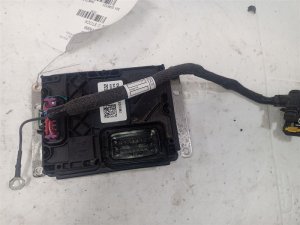
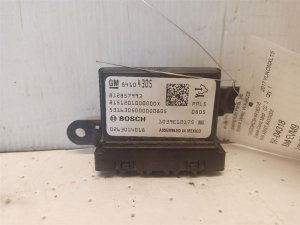
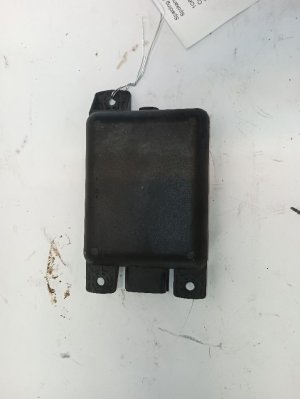
- Body Control Module (BCM)
(OEM #13514637, 13519672, 84922494 (Part numbers can vary by model year and options; always verify with VIN))— This module is highly susceptible to water damage from a leaking HVAC drain hose, which is the most common cause of code B3125 and related electrical issues on this vehicle.
Trusted brands: ACDelco (GM Genuine)
OEM price range: $300-$600
Aftermarket price range: $200-$450 - Wiring Harness Connector Repair Kit — If water intrusion or chafing has damaged the pins in the BCM connector, IP harness, or door harness connector, the terminals or connector body will need to be replaced.
Trusted brands: ACDelco, Dorman
OEM price range: $40-$100
Aftermarket price range: $20-$60
Related Codes That Often Appear With This One
- B3130 — This code relates to the 'All Doors Unlock Circuit'. Both B3125 and B3130 are often triggered together by the same underlying electrical fault, such as water intrusion at the BCM or a chafed harness, as noted in TSB 21-NA-183.
- B3135 — This code is for the 'All Doors Lock Circuit'. It frequently appears with B3125 and B3130, indicating a systemic problem affecting the entire power locking system, often originating from a compromised BCM.
- Various U-codes (e.g., U0140, U0155) — U-codes indicate a loss of communication between modules. When the BCM is compromised by water damage, it can lose communication with other modules on the vehicle's network, setting numerous U-codes alongside the B-codes.
Technical Service Bulletins (TSBs) & Recalls
- 21-NA-183: Intermittent Door Locks Inoperative, DTCs B3125, B3130
Platform-Specific Known Issues
- TSB 21-NA-183 documents a widespread issue where a poorly secured HVAC drain hose leaks water onto the BCM, causing DTCs B3125, B3130, B3135, and various communication codes. The fix involves securing the hose and often replacing the BCM.
- Preliminary Information bulletin PIT5606F identifies a pattern of the instrument panel wiring harness chafing on the steering I-shaft, leading to shorts that can trigger B3125 and other electrical faults.
Mechanic-Grade Diagnostic Values
- Driver Door Unlock Relay Control Circuit Voltage — expected: Greater than 7V when unlock is commanded. Failure: Voltage drops to 0V or is significantly lower than 7V, indicating a short or open circuit. If testing with a DMM for more than 20 seconds, the BCM may interpret it as a fault and cut voltage.
- Driver Door Unlock Relay Control Circuit Resistance to Ground — expected: Infinite resistance (OL). Failure: Any reading less than infinite resistance indicates a short to ground in the control circuit.
Hidden / Shadow Codes Worth Checking
- B3125 01: Driver Door Only Unlock Circuit Short to Battery. (see via A professional scan tool like the GM GDS2/Tech2 is required to read these two-digit symptom codes.)
- B3125 02: Driver Door Only Unlock Circuit Short to Ground. (see via A professional scan tool like the GM GDS2/Tech2 is required to read these two-digit symptom codes.)
- B3125 04: Driver Door Only Unlock Circuit Open/High Resistance. (see via A professional scan tool like the GM GDS2/Tech2 is required to read these two-digit symptom codes.)
Scan Tool Commands That Help
- GM GDS2 (Global Diagnostic System 2): Output Controls > Body Control Module > Door Lock Controls — After verifying wiring and BCM integrity, this function allows a technician to command the Driver Door Unlock relay directly. This isolates the problem to either the BCM's driver circuit or the door lock actuator itself. If the command is sent but the lock doesn't respond, the fault lies in the circuit or actuator; if the command cannot be sent or the BCM shows a fault during the command, the BCM is more likely the issue.
Wiring & Ground Locations
- BCM Connector X4, Pin 7 or 9 — On the Body Control Module (BCM) located under the center console.. This is the specific pin for the Driver Door Unlock Relay Control circuit. Testing for voltage and continuity at this pin is essential for diagnosing whether the BCM is sending the correct signal.
- G303 — Under the driver's seat, near the B-pillar behind the trim panel.. This is a primary interior ground point. A loose or corroded G303 can cause intermittent and strange behavior in multiple systems controlled by the BCM, including door locks. GM specifically notes that the BCM ground path runs through this area.
- X500 — The large, main electrical connector between the driver's door harness and the body harness, located in the driver's side A-pillar/door jamb area.. This connector is a known point for water intrusion and corrosion per GM bulletin PIT5606F. A corroded pin for the unlock circuit within this connector will cause an open or high resistance, triggering B3125.
Real Owner Repair Stories
- acadiaforum.net user (2018 GMC Acadia (platform mate)) — Intermittent electrical issues, including non-functional power liftgate, service messages for parking assist and AWD, and eventually a no-start condition.
❌ Tried (didn't work) Initial diagnosis was inconclusive.
✅ What actually fixed it The owner discovered the carpet was wet under the driver's side dash. The dealer confirmed water had leaked from the A/C drain onto the BCM. Replacing the Body Control Module and fixing the leak resolved all the electrical problems. - Ford F-150 Forum (similar BCM water ingress issue) (2018 Ford F-150) — No-start, no-crank, multiple random warning lights, alarm going off.
❌ Tried (didn't work) Initial assumption was a bad battery or alternator.
✅ What actually fixed it A technician found water in the passenger side footwell near the BCM. The source was a poorly sealed windshield allowing water to run down the A-pillar and onto the module. Replacing the BCM and resealing the windshield fixed the issue. This highlights a common failure pattern across manufacturers where BCMs are placed in vulnerable locations.
OEM Part Supersession History
13519672, 13514637 (and others)→84922494— Part consolidation and potential design revisions over the vehicle's production run.
Heads up: While 84922494 is listed as a replacement for many earlier part numbers, it is critical to verify the correct BCM part number using the vehicle's VIN in the GM Electronic Parts Catalog (EPC). All replacement BCMs, new or used, require programming to the vehicle.
Model Year Variations Within This Range
- 2020-2021: The 2020 model year refresh introduced a new infotainment system (RPOs IOS, IOT, IOU). While not directly related to B3125, a failing BCM can cause communication issues that manifest as infotainment problems like a black screen. A separate TSB (20-NA-199) addresses software updates for these newer radios that can sometimes be mistaken for BCM failure.
Helpful Videos

We Have This Part in Stock
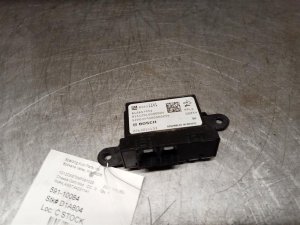

The information in this article is provided for general reference and educational purposes only. Vehicle specifications, procedures, and part compatibility can vary by production date, trim level, and region. Always consult your vehicle's factory service manual and verify part numbers before purchasing or performing repairs. Safety-critical components such as airbags, seat belts, and braking systems should be installed by a qualified professional.
- Cadillac XT5:
- 🧭 Diagnostic Flowchart
- 🎬 Helpful Videos
- 🛍️ Shop This Part
- What's Unique About the 2017-2022 Cadillac XT5
- Symptoms You May Notice
- Most Likely Causes
- Diagnosis Steps
- Parts You'll Likely Need
- Related Codes That Often Appear With This One
- Technical Service Bulletins (TSBs) & Recalls
- Platform-Specific Known Issues
- Mechanic-Grade Diagnostic Values
- Hidden / Shadow Codes Worth Checking
- Scan Tool Commands That Help
- Wiring & Ground Locations
- Real Owner Repair Stories
- OEM Part Supersession History
- Model Year Variations Within This Range
- 🎟️ Get 5% Off