

B3125 on 2019-2022 Chevrolet Blazer: Driver Door Lock & Electrical Faults Explained
On a 2019-2022 Blazer, code B3125 is often a symptom of a larger electrical issue, not just a bad lock. The most likely cause, documented in GM Technical Service Bulletin #21-NA-183, is water leaking from an HVAC drain hose onto the Body Control Module (BCM), causing widespread electrical problems. A thorough diagnosis is required before replacing any parts, as water intrusion into A-pillar connectors is also a known issue.
- B3125 on a 2019-2022 Blazer is a serious warning sign that should be investigated promptly.
- The most likely cause is water leaking from the HVAC system onto the Body Control Module (BCM), as per GM TSB 21-NA-183.
- Before replacing any parts, inspect the BCM area for moisture and the door harness connectors for corrosion.
- This code is often accompanied by B3130, B3135, and various U-codes, pointing to a systemic electrical issue.
- Due to the potential for BCM damage and the need for programming, professional service is highly recommended.
What's Unique About the 2019-2022 Chevrolet BLAZER
For this generation of Chevrolet Blazer and its C1XX platform-mates (GMC Acadia, Cadillac XT5/XT6, Buick Enclave), code B3125 is frequently not an isolated issue with a door lock actuator. GM has issued a Technical Service Bulletin (TSB #21-NA-183) that links this code to a specific design issue where the HVAC drain hose can leak water directly onto the Body Control Module (BCM). This water intrusion can cause a cascade of seemingly unrelated electrical problems, making B3125 a potential early warning sign of a more complex BCM-related failure rather than a simple component fault. Another related TSB, #23-NA-046, points to water leaking past A-pillar body plugs and causing corrosion in the door harness connectors (X500/X600).
Diagnostic Flowchart
Tap your situation to follow the diagnostic path that matches what you're seeing on this vehicle.
Symptoms You May Notice
- Driver's side power door lock does not work intermittently or at all
- Unwanted illumination of instrument panel lamps while driving
- Immobilizer or security light is on, potentially causing a no-start condition
- Unwanted horn honking or hazard flasher activation
- Keyless entry remote may not work for the driver's door
- Other doors may also fail to lock or unlock
- Windows or power mirrors may be inoperative
- Wet carpet in the front passenger footwell
- Replacing the door lock actuator without first checking for water intrusion at the BCM or corrosion in the X500 door harness connector. The new actuator will also fail to work if the underlying electrical problem is not addressed.
- Cleaning a corroded BCM or connector without fixing the source of the water leak (HVAC drain hose or A-pillar seal). The problem will inevitably return.
Most Likely Causes
- Water Intrusion into Body Control Module (BCM) 🔴 High Probability → Shop Body Control Module As identified in GM TSB #21-NA-183, the HVAC drain hose may be improperly seated, kinked, or leak at its connection to the HVAC module, allowing water to drip onto the BCM and its electrical connectors. This is a known design vulnerability on the C1XX platform.
How to confirm: Following the procedure in TSB #21-NA-183, pull back the passenger side carpet and remove the right-side front floor console extension panel to visually inspect the BCM and its connectors for moisture or blue/green corrosion. A key sign is a damp carpet in the passenger footwell. The TSB advises running the A/C on high to see if water appears at the hose connection.
Typical fix: Secure the HVAC drain hose connection firmly with a tie strap to prevent future leaks. If the BCM shows any signs of corrosion (often seen as a blue or green powder on the pins or board), it must be replaced and programmed by a dealer or qualified shop. The carpet and padding must be thoroughly dried to prevent mold.
Est. part cost: $1 (for a zip tie) - $700 - Corrosion in A-Pillar Harness Connector (X500) 🟡 Medium Probability A similar issue on related GM platforms involves water leaking past a foam seal or body plug in the A-pillar (the pillar next to the windshield), causing corrosion in the main body-to-door harness connector. This is documented in GM bulletins PIT5606F and 23-NA-046.
How to confirm: Disconnect the large electrical connector (X500) located in the driver's side door jamb boot. Carefully inspect both sides of the connector for any signs of water, blue/green corrosion, or bent/damaged pins. 🎬 Watch: How to identify and diagnose a corroded electrical connector
Typical fix: Clean the connector terminals with a specialized contact cleaner if corrosion is minor. If severe, the affected connector terminals or a section of the wiring harness may need to be replaced using terminated leads. The foam seal/body plug should also be replaced and sealed to prevent recurrence.
Est. part cost: $20-$150 - Broken Wires in Door Jamb 🟡 Medium Probability The wires that pass from the vehicle body to the door are subject to constant flexing from opening and closing the door. Over time, this can cause the copper conductors inside the insulation to fatigue and break, causing intermittent electrical failures.
How to confirm: Peel back the rubber boot in the driver's door jamb. Gently tug on individual wires to check for breaks that may not be visible through the insulation. Visually inspect for chafing, cracking, or other damage to the wire insulation.
Typical fix: Repair the broken wire(s) using butt connectors with heat-shrink insulation or by soldering and heat-shrinking a new section of wire to bridge the break.
Est. part cost: $5-$25 - Faulty Driver's Door Lock Actuator ⚪ Low Probability While the actuator can fail, it is a less common cause for this specific code on this platform compared to the documented water intrusion and wiring issues. Failure is usually due to normal wear and tear of the internal motor and gears.
How to confirm: If all wiring and modules are confirmed to be dry and free of damage, apply 12V power and ground directly to the actuator's lock/unlock terminals using a power probe. If it fails to operate consistently, the actuator is faulty.
Typical fix: Replace the driver's door lock actuator/latch assembly. This requires removing the interior door panel.
Est. part cost: $50-$150
Rare But Worth Checking
- Faulty Body Control Module (BCM): → Shop Body Control Module The BCM can fail internally for reasons other than water damage, but this is uncommon. This should only be considered after all other possibilities, especially water intrusion as per TSB 21-NA-183, have been definitively ruled out.
Diagnosis Steps
- Scan the Body Control Module (BCM) for B3125 and any other DTCs. Note all codes present, paying close attention to B3130, B3135, and any U-codes.
- Following the guidance in TSB 21-NA-183, pull back the passenger side carpet and remove the right console extension panel to inspect the BCM and its connectors for any signs of water, moisture, or blue/green corrosion.
- Inspect the HVAC drain hose connection to the HVAC module. Check for kinks or leaks. The TSB recommends adding a zip tie to secure the connection as a preventative measure.
- If the BCM area is completely dry, move to the driver's door. Disconnect the main X500 electrical connector in the door jamb and inspect for corrosion or damage, as noted in TSB 23-NA-046 and PIT5606F.
- Peel back the rubber boot between the driver's door and the body. Gently tug on the wires to check for internal breaks and visually inspect for chafing.
- If all wiring and the BCM appear to be in good condition, use a multimeter or test light to test for power and ground signals at the door lock actuator connector when the lock switch is pressed.
- If signals are present but the lock doesn't work, the door lock actuator is the likely culprit and should be replaced.
Parts You'll Likely Need
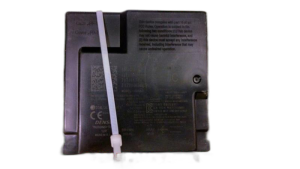
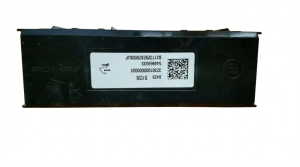
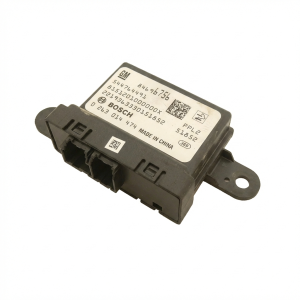
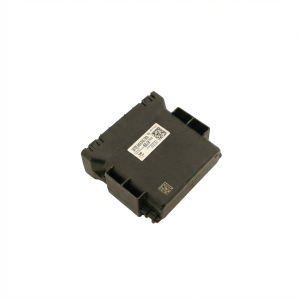
- Body Control Module (BCM)
(OEM #85597926 (example, always verify with VIN))— This is the most likely part to need replacement IF it has been damaged by water from the leaking HVAC drain, as described in TSB 21-NA-183. Corrosion on the circuit board is often not repairable. Replacement requires dealer programming.
Trusted brands: ACDelco (GM Genuine)
OEM price range: $400-$600
Aftermarket price range: $150-$400 (Remanufactured) - Driver Door Lock Actuator — This part is replaced if all wiring and module checks pass, indicating the actuator motor itself has failed. This is a less common cause for this specific vehicle/code combination.
Trusted brands: ACDelco, Dorman, Standard Motor Products
OEM price range: $100-$150
Aftermarket price range: $50-$90 - Wiring Connector Terminals / Pigtail — If the A-pillar connector (X500) is corroded, individual terminals or a pigtail connector may need to be spliced in to restore proper electrical con
Related Codes That Often Appear With This One
- B3130 — This code for the 'All Doors Unlock Circuit' often appears with B3125 because a systemic issue like a water-damaged BCM or a main harness wiring problem affects multiple lock control circuits simultaneously.
- B3135 — This code for the 'All Doors Lock Circuit' can also be triggered by the same BCM or wiring faults that cause B3125, pointing to a central failure rather than an isolated one.
- Various U-codes — U-codes indicate network communication failures between modules. Water damage to the BCM is a primary cause of these codes, as it can disrupt communication on the vehicle's CAN bus data network, leading to multiple U-codes alongside the B3125 code.
Technical Service Bulletins (TSBs) & Recalls
- 21-NA-183: Intermittent Door Locks Inoperative, Various Electrical DTCs, and Unwanted Horn/Hazard Operation due to possible water intrusion to the BCM from the HVAC drain hose.
- 23-NA-046: Addresses inoperative power windows, mirrors, seats, and door locks (DTCs B3125, B3130, B3135) caused by water leaking past A-pillar body plugs and corroding door harness connectors.
- PIT5606J: A preliminary bulletin also identifying BCM water intrusion from the HVAC drain and harness chafing as causes for these electrical issues on platform-mates.
Platform-Specific Known Issues
- TSB #21-NA-183: This is the most critical document for this issue. It details how the HVAC drain hose can leak water onto the Body Control Module (BCM), causing B3125 along with a host of other electrical problems like unwanted horn activation and immobilizer issues. The official fix is to secure the hose with a tie strap and replace the BCM if it's corroded.
- TSB #23-NA-046 (supersedes PIT5608E): This bulletin addresses water intrusion into the A-pillar door harness connectors (X500/X600) due to a faulty foam seal or body plug, leading to corrosion and codes like B3125.
- Owner Experience on Reddit: A 2020 Blazer owner on the r/Chevy subreddit reported a wet passenger floor. After the dealer unclogged the AC drain, the problem returned two days later, indicating a persistent leak path consistent with the TSB findings.
Mechanic-Grade Diagnostic Values
- BCM Operating Voltage — expected: 9-16 Volts. Failure: Voltage outside this range can cause erratic BCM behavior or failure to operate.
- Driver Door Unlock Control Circuit Voltage (at actuator, referenced to ground) — expected: Greater than 7 Volts. Failure: Voltage below 7V when the unlock command is sent indicates a possible open circuit, high resistance, or a fault within the BCM.
- Driver Door Unlock Control Circuit Resistance to Ground (harness disconnected from BCM) — expected: Infinite resistance (OL). Failure: Any reading less than infinite indicates a short to ground in the wiring harness.
- Driver Door Unlock Control Circuit End-to-End Resistance — expected: Less than 2 Ω. Failure: A value of 2 Ω or higher indicates high resistance or an open in the circuit between the BCM connector and the actuator connector.
Hidden / Shadow Codes Worth Checking
- B3125 01: Driver Door Only Unlock Circuit Short to Battery. This indicates the control circuit wire is shorted to a power source. (see via A professional scan tool like GM GDS2 is required to view these symptom bytes.)
- B3125 02: Driver Door Only Unlock Circuit Short to Ground. This is a common symptom byte when the X500 connector is corroded or wiring is chafed to the chassis. (see via A professional scan tool like GM GDS2 is required to view these symptom bytes.)
Scan Tool Commands That Help
- GM GDS2 (or equivalent professional scanner): BCM Output Controls > Door Locks — After checking for codes, use this bidirectional command to individually command the 'Driver Door Unlock' function. If the command fails to operate the lock despite good wiring, it points towards a BCM or actuator fault. This allows for testing the control side of the circuit without relying on the physical door switches.
Wiring & Ground Locations
- K9 Body Control Module (BCM) — Located in the front passenger footwell, typically behind the right-side front floor console extension panel.. This is the module that sets code B3125. It is the primary location to inspect for water damage from the HVAC drain hose as per TSB 21-NA-183.
- X500 — The main body-to-door harness pass-through connector, located inside the rubber boot in the driver's side door jamb/A-pillar.. This connector is a known point of failure due to water intrusion, leading to corrosion that directly affects the door lock actuator circuits. The Driver Door Unlatch Motor circuit passes through this connector.
- X500, Pin 41 — Within the 41-pin X500 connector in the driver's door jamb.. This pin carries the 'Driver Door Unlatch Motor Unlatch Return' signal on a Gray wire (Circuit 3578). Corrosion or damage to this specific pin can directly cause B3125.
- X500, Pin 4 — Within the 41-pin X500 connector in the driver's door jamb.. This is a primary ground (Circuit 1550) for multiple components in the driver's door. A poor ground at this pin due to corrosion can cause a variety of door-related electrical faults.
Real Owner Repair Stories
- Reddit user post (2019+ Chevrolet Silverado High Country (shared platform architecture)) — Vehicle was in a flood, original BCM had 25 fault codes. After attempting to program a new BCM, the push-button start was non-functional, preventing the programming from completing.
❌ Tried (didn't work) Attempting to reprogram the BCM using GM's TDS software failed because the process required cycling the ignition, which was disabled.
✅ What actually fixed it The user suspected that other fault codes in different modules were preventing the BCM from programming correctly. The key takeaway for a B3125 diagnosis is that in cases of severe water damage, multiple modules are often affected, and simply replacing the BCM may not work if other modules are still reporting critical faults that inhibit system functions like ignition control.
OEM Part Supersession History
13528481→19208543— This is an example of a BCM part number supersession for a related GM vehicle. Part numbers are frequently updated by the manufacturer to address issues or consolidate inventory.
Heads up: Always verify the correct BCM part number using the vehicle's VIN in the official GM Electronic Parts Catalog (EPC) before ordering, as multiple hardware versions can exist for the same model year.
Model Year Variations Within This Range
- 2019-2022: While the core issue of TSB #21-NA-183 applies to all 2019-2022 Blazers, trim levels determine the complexity of the BCM and related systems. Higher trims like RS and Premier have more features controlled by the BCM (e.g., memory seats, power-folding mirrors, ambient lighting), which can lead to a wider range of symptoms when the BCM is compromised by water damage.
Helpful Videos
We Have This Part in Stock

The information in this article is provided for general reference and educational purposes only. Vehicle specifications, procedures, and part compatibility can vary by production date, trim level, and region. Always consult your vehicle's factory service manual and verify part numbers before purchasing or performing repairs. Safety-critical components such as airbags, seat belts, and braking systems should be installed by a qualified professional.
- Chevrolet BLAZER:
- 🧭 Diagnostic Flowchart
- 🎬 Helpful Videos
- 🛍️ Shop This Part
- What's Unique About the 2019-2022 Chevrolet BLAZER
- Symptoms You May Notice
- Most Likely Causes
- Rare But Worth Checking
- Diagnosis Steps
- Parts You'll Likely Need
- Related Codes That Often Appear With This One
- Technical Service Bulletins (TSBs) & Recalls
- Platform-Specific Known Issues
- Mechanic-Grade Diagnostic Values
- Hidden / Shadow Codes Worth Checking
- Scan Tool Commands That Help
- Wiring & Ground Locations
- Real Owner Repair Stories
- OEM Part Supersession History
- Model Year Variations Within This Range
- 🎟️ Get 5% Off