

B3130 on 2018-2022 Buick Enclave: Inoperative Door Locks and Electrical Fixes
On a 2018-2022 Buick Enclave and its platform mates (like the Chevy Traverse), code B3130 is almost always caused by water damage to the Body Control Module (BCM) from a leaking HVAC drain hose. The fix involves securing the hose with a zip tie and often requires replacing and reprogramming the BCM, which can cost over $700 at a dealership.
- B3130 on a 2018-2022 Enclave points to a central electrical problem, not a single bad door lock.
- The most likely cause is water damage to the Body Control Module (BCM) from a known HVAC drain hose leak.
- Before replacing any parts, inspect the BCM and the A-pillar door connectors for corrosion.
- The official fix for the HVAC leak is to add a simple zip tie to secure the hose.
- If the BCM needs replacement, it requires professional programming, making this a difficult DIY repair.
What's Unique About the 2018-2022 Buick ENCLAVE
For this generation of Buick Enclave and its platform mates (like the Chevy Traverse, GMC Acadia, and Cadillac XT5/XT6), the B3130 code is strongly linked to a specific design flaw. A GM Technical Service Bulletin (TSB #21-NA-183) identifies that the HVAC drain hose can leak water directly onto the Body Control Module (BCM), causing corrosion and a wide range of electrical problems, including inoperative door locks. This makes the diagnosis more specific than a simple faulty lock actuator, which is a common issue on many other vehicles.
Diagnostic Flowchart
Tap your situation to follow the diagnostic path that matches what you're seeing on this vehicle.
Symptoms You May Notice
- Power door locks are inoperative or work intermittently.
- Keyless entry does not work.
- Unwanted horn or hazard flasher activation.
- Various instrument panel warning lights illuminate.
- Car's security system or immobilizer acts up, potentially preventing it from starting.
- Other electrical issues, like power windows, mirrors, or seats not working.
- Message on dash: 'Service Keyless Entry System'.
- Liftgate becomes inoperative.
- Water sloshing sound from under the dashboard.
- Replacing a single door lock actuator when all doors are inoperative. If all locks fail at once, the problem is almost always centralized (BCM, fuse, or main wiring) and not an individual actuator.
- Replacing the BCM without fixing the source of the water leak. If the HVAC drain hose is not secured, the new BCM will also be damaged over time.
Most Likely Causes
- Water Intrusion on Body Control Module (BCM) from HVAC Drain Hose 🔴 High Probability → Shop Body Control Module A known issue documented in GM TSB #21-NA-183 where the HVAC drain hose connection can leak water directly onto the BCM, which is located nearby. The leak often occurs at a notch in the hose near the connection point to the HVAC module.
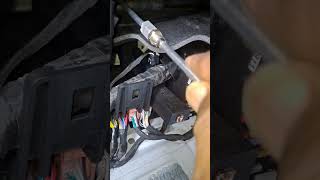
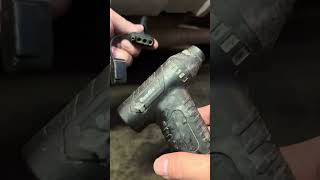
How to confirm: Per TSB #21-NA-183, remove the right front floor console extension panel to inspect the BCM, its connectors, and the surrounding area for water, staining, or corrosion (white/green powder). The BCM is located behind the instrument panel, often on the passenger side of the center console. If no water is obvious, run the A/C on high and observe the drain hose connection for drips. 🎬 Watch: How to locate and check the HVAC drain hose.
Typical fix: Secure the HVAC drain hose to the module with a cable/zip tie to prevent further leaking. If the BCM shows any signs of corrosion on its terminals or case, it must be replaced. Cleaning the terminals is often a temporary fix at best, as moisture may have penetrated the module itself, causing internal damage. The new BCM must be programmed by a dealer or qualified shop.
Est. part cost: $300-$550 - Corrosion in Door Harness Connectors 🟡 Medium Probability A related GM TSB (#23-NA-046) points to water leaking past body plugs in the 'A' pillar (the pillar between the windshield and front doors), causing corrosion in the main door-to-body wiring connectors (X500 for the driver side, X600 for the passenger side). This issue presents identical symptoms to the BCM failure.
How to confirm: Disconnect the large rubber boot in the door jamb between the front door and the vehicle body. Inspect the large electrical connector inside for any signs of moisture, or green/white corrosion on the pins. This can affect front and rear doors (connectors X700/X800).
Typical fix: The connector must be disconnected and the terminals cleaned or replaced (re-pinned). The wiring may need to be repaired. The foam seal around the connector (Part No. 23487135) should be replaced to prevent future water intrusion, and the body plugs above it should be checked for proper seating.
Est. part cost: $15-$60 - Faulty Door Lock Actuator ⚪ Low Probability Actuators are electro-mechanical parts that wear out over time. However, this is a less likely cause if multiple doors are failing simultaneously. If only one door fails, this is a more probable cause.
How to confirm: If only one door fails to lock/unlock and you hear a buzzing or clicking from inside that specific door, the actuator is the likely culprit. If all doors fail at once, the problem is central (like the BCM).
Typical fix: Replace the door lock actuator assembly inside the affected door. This requires removing the interior door panel.
Est. part cost: $50-$150
Rare But Worth Checking
- Blown Fuse: Always a simple first check. If multiple electrical components fail at once, a central fuse could be the cause, though it's rare for one to blow without an underlying short circuit like water intrusion.
- Faulty Door Lock Switch: If the key fob works but the interior door switch does not, the switch itself could be faulty. 🎬 Watch: Step-by-step guide to replacing the door lock switch. This is uncommon compared to the water intrusion issues.
- Chafed IP Wiring Harness: GM Preliminary Information Bulletin PIT5606F notes that the instrument panel wiring harness can chafe against the steering I-shaft, causing various electrical issues including door lock problems.
Diagnosis Steps
- Verify the symptoms. Do the locks fail with both the key fob and the interior switches? Are other electrical systems acting up? Note any 'Service Keyless Entry' messages.
- Scan for all DTCs. Pay close attention to other B-codes (B3125, B3135) and any U-codes, which strongly point to a BCM or network issue.
- Perform the simplest check first: inspect the fuses related to the door locks and Body Control Module in the vehicle's fuse box.
- Follow TSB #21-NA-183: Remove the right front floor console extension panel. Inspect the HVAC drain hose connection for leaks. Then, access and inspect the Body Control Module (BCM) and its electrical connectors for any signs of moisture or corrosion.
- If no issues are found at the BCM, follow TSB #23-NA-046: Pull back the rubber boot in the front door jambs. Disconnect and inspect the main door harness connectors (X500 and X600) for water intrusion and corrosion.
- If a single door is the only problem, test the door lock actuator for that specific door by listening for noise and providing direct power if possible.
- If the BCM is found to be corroded, it must be replaced and programmed.
- If connectors are corroded, clean or repair the terminals 🎬 See this guide on cleaning and preventing wiring harness corrosion. and replace the seals to prevent recurrence.
Parts You'll Likely Need
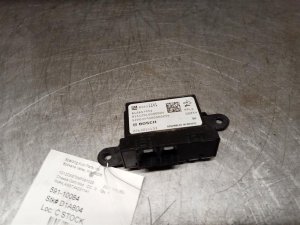
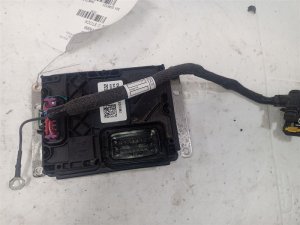
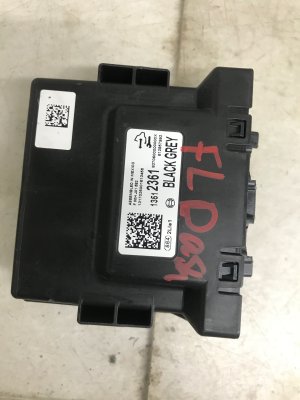
- Body Control Module (BCM)
(OEM #13537871 (Example, verify by VIN))— This is the most likely part to fail due to water damage from the leaking HVAC drain hose, as documented in TSB #21-NA-183. Replacement requires programming.
Trusted brands: ACDelco (Genuine GM)
OEM price range: $300-$550
Aftermarket price range: Not Recommended due to programming complexity. - Door Harness Connector Foam Seal
(OEM #23487135)— If the cause is water intrusion at the A-pillar connectors (TSB #23-NA-046), this seal has failed and must be replaced to prevent a recurrence.
Trusted brands: ACDelco (Genuine GM)
OEM price range: $15-$30
Aftermarket price range: $10-$20
Related Codes That Often Appear With This One
- B3125 — This code is for 'Driver Door Only Unlock Circuit Short to Ground' and is part of the same family of faults triggered by BCM water damage or connector corrosion.
- B3135 — This code is for 'All Doors Lock Circuit Short to Ground' and is also part of the same family of faults.
- U-codes (e.g., U0140) — Various 'U' or communication codes often appear when the BCM is malfunctioning, as it cannot properly communicate with other modules on the vehicle's network.
Technical Service Bulletins (TSBs) & Recalls
- 21-NA-183: Intermittent Door Locks Inoperative, DTCs B3125, B3130, B3135... caused by possible water intrusion to the Body Control Module (BCM) from the HVAC drain hose leaking.
- 23-NA-046: Power Door Lock Cycle Inoperative, Keyless Entry Inoperative - DTC B3125, B3130 and/or B3135 Set... caused by water leaking past body plugs causing corrosion in door harness connectors.
- PIT5606F: A preliminary bulletin that mentions multiple potential causes, including BCM water intrusion, chafed IP wiring harness, and water in various body connectors (X500, X600,
Platform-Specific Known Issues
- TSB #21-NA-183 documents a known issue where the HVAC drain hose can leak water onto the Body Control Module, causing corrosion and leading to code B3130 and other electrical failures. The fix involves adding a zip tie to secure the hose.
- TSB #23-NA-046, for related GM platforms, highlights an issue with water leaking past body plugs into A-pillar connectors, causing identical symptoms and codes, suggesting a possible secondary failure point on the Enclave.
- Owner forums for the Enclave and its platform-mate, the Chevy Traverse, contain numerous threads about these specific water leaks causing widespread, difficult-to-diagnose electrical problems.
Mechanic-Grade Diagnostic Values
- All Doors Unlock' control circuit voltage — expected: Greater than 7.0 V. Failure: A voltage of 7.0 V or less when the unlock command is active indicates a fault in the circuit or BCM. The BCM may drop voltage to 0V after 20 seconds of testing, requiring the lock button to be cycled to reset.
- 'All Doors Unlock' control circuit resistance to ground — expected: Infinite resistance (OL). Failure: With the BCM connector disconnected, any resistance reading less than infinite indicates a short to ground in the wiring harness.
Hidden / Shadow Codes Worth Checking
- B3130 02: All Doors Unlock Circuit Short to Ground. The '02' is a failure type identifier that specifies the nature of the fault, which is critical for diagnosis as it confirms a short to ground rather than an open circuit or short to voltage. (see via A professional scan tool like the GM GDS2 (Global Diagnostic System 2) is required to view two-digit failure type codes.)
Scan Tool Commands That Help
- GM GDS2: Output Controls > Door Locks — This bidirectional command allows a technician to directly command the BCM to lock and unlock the doors, bypassing the physical switches. If the locks operate with this command, the issue is likely with the door lock switch or its wiring. If they do not, the fault lies with the BCM, the output wiring, or the lock actuators.
- GM SPS (Service Programming System): BCM Programming and Setup — This function is mandatory after replacing the BCM. It programs the new module with the vehicle's VIN, RPO codes (feature configuration), and security information. Failure to perform this step will result in a no-start condition and incorrect operation of body features.
Wiring & Ground Locations
- Body Control Module (BCM) — Located in the center console area, accessible by removing the passenger side lower trim panel in the footwell.. This is the module that sets code B3130. It is the primary failure point due to its vulnerability to water from the nearby HVAC drain hose.
- X500 / X600 Connectors — Large, multi-pin connectors located in the A-pillars, accessible by pulling back the rubber boot between the front doors and the vehicle body. X500 is for the driver side, X600 for the passenger side.. These are the main pass-through connectors for all wiring going into the front doors, including the lock circuits. They are a known point for water intrusion and corrosion, which can cause a short to ground and trigger B3130.
- BCM Grounds (e.g., G103) — The BCM receives its ground connection through multiple pins in its main electrical connectors, not typically a single, separate ground lug. These circuits are grounded at shared chassis ground points, such as G103, which is often located on the cowl near the brake booster.. While a bad BCM ground can cause many issues, the specific 'short to ground' nature of B3130 usually points to a fault on the control wire itself, not a loss of the BCM's own ground.
Real Owner Repair Stories
- Composite of owner reports from enclaveforum.net and traverseforum.com (2019 Buick Enclave) — Door locks stopped working with both the fob and the interior switch. At the same time, the 'Service Keyless Entry' message appeared, and occasionally the security light would flash. The problems were worse after a heavy rain.
❌ Tried (didn't work) Replacing the battery in the key fob., Checking all related fuses in the interior fuse panel; none were blown.
✅ What actually fixed it Owner removed the passenger side console trim and found the carpet damp. The Body Control Module (BCM) connectors had visible signs of blue/green corrosion. The owner replaced the BCM with a VIN-programmed unit from an online vendor. Before installing the new BCM, they located the HVAC drain hose connection above the BCM location and secured it tightly with a zip tie, as described in TSB 21-NA-183. After installing the new BCM and performing the 30-minute key relearn procedure, all functions returned to normal.
OEM Part Supersession History
Varies by year/options (e.g., 13519231 for early models)→Multiple, VIN-specific— Hardware revisions and software updates.
Heads up: GM BCMs for this platform are not interchangeable and part numbers are frequently updated. Ordering a replacement must be done using the vehicle's VIN to ensure the correct hardware and base software. Vendors specializing in GM modules will provide the latest correct part number for a given VIN.
Model Year Variations Within This Range
- 2018-2022: No significant variations related to the B3130 fault have been documented. The design flaw concerning the HVAC drain hose and its proximity to the BCM appears to be consistent across this entire generation.
Helpful Videos

We Have This Part in Stock

The information in this article is provided for general reference and educational purposes only. Vehicle specifications, procedures, and part compatibility can vary by production date, trim level, and region. Always consult your vehicle's factory service manual and verify part numbers before purchasing or performing repairs. Safety-critical components such as airbags, seat belts, and braking systems should be installed by a qualified professional.
- Buick ENCLAVE:
- 🧭 Diagnostic Flowchart
- 🎬 Helpful Videos
- 🛍️ Shop This Part
- What's Unique About the 2018-2022 Buick ENCLAVE
- Symptoms You May Notice
- Most Likely Causes
- Rare But Worth Checking
- Diagnosis Steps
- Parts You'll Likely Need
- Related Codes That Often Appear With This One
- Technical Service Bulletins (TSBs) & Recalls
- Platform-Specific Known Issues
- Mechanic-Grade Diagnostic Values
- Hidden / Shadow Codes Worth Checking
- Scan Tool Commands That Help
- Wiring & Ground Locations
- Real Owner Repair Stories
- OEM Part Supersession History
- Model Year Variations Within This Range
- 🎟️ Get 5% Off