

B3130 on 2019-2022 Chevrolet Blazer: Causes and Fixes for Door Lock Faults
On a 2019-2022 Chevy Blazer, code B3130 is almost always caused by a wiring problem, not a bad part. The most likely culprit is water leaking into the main electrical connectors in the front door pillars (A-pillars), causing corrosion. The fix involves finding and sealing the leak and repairing the damaged wiring.
- B3130 on a 2019-2022 Blazer points to a wiring problem, not a faulty door lock part.
- The two most likely causes are water leaking into the A-pillar electrical connectors or a chafed wiring harness near the steering column.
- Diagnosis should start with a visual inspection for water leaks and harness damage before replacing any parts.
- This repair is complex and best handled by a professional technician familiar with GM service bulletins.
- The code is often accompanied by B3125 and B3135, which confirms a widespread wiring or connector issue.
What's Unique About the 2019-2022 Chevrolet BLAZER
The Chevrolet Blazer from this period is built on GM's C1XX platform, which is known for specific electrical vulnerabilities across multiple GM brands. Multiple Technical Service Bulletins (TSBs) confirm that this code is rarely due to a simple failed switch or lock actuator. Instead, it's most often a symptom of a systemic issue, such as water intrusion into major body connectors or a wiring harness chafing against a steering component, making diagnosis different from other vehicles where a switch might be the first suspect.
Diagnostic Flowchart
Tap your situation to follow the diagnostic path that matches what you're seeing on this vehicle.
Symptoms You May Notice
- Power door locks are intermittent or do not work at all.
- Power locks may cycle on their own while driving or when parked.
- Unwanted horn or hazard flasher activation (as noted in TSB 21-NA-183).
- Key fob may not lock or unlock the doors, though other fob functions like remote start may still work.
- Warning lights on the instrument panel (IP).
- A 'Service Door Latch' message may appear on the driver information center.
- Potential for other electrical issues like inoperative power windows/mirrors or unwanted seat movement.
- Possible no-start condition.
- Replacing the door lock actuator or switch without checking wiring. The issue is rarely the actuator itself on this platform.
- Replacing the key fob battery. This will not fix a vehicle-side circuit fault code.
- Replacing a fuse. While a blown fuse indicates a problem, it's a symptom of the short circuit, not the cause. The fuse will blow again until the underlying wiring issue is fixed.
Most Likely Causes
- Water Intrusion in A-Pillar Connectors (X500/X600) 🔴 High Probability GM TSBs #19-NA-243 and #PIT5606J identify that water can leak past poorly sealed or missing body plugs or a failed foam connector seal in the A-pillar (the pillar by the front doors) and drip directly into the main body-to-door harness connectors (X500 and X600). This corrosion shorts out multiple circuits, including the door locks.
How to confirm: Check for dampness in the driver or passenger footwells. Pull back the kick panel trim to visually inspect the large connectors for blue or green corrosion.
Typical fix: The connector must be disconnected and cleaned. Damaged terminals or wires need to be replaced. The source of the water leak (usually a poorly sealed body plug or foam seal) must be identified and sealed with automotive-grade sealant. Dielectric grease should be used on the connector upon reassembly to prevent future corrosion.
Est. part cost: $10-$50 for cleaning supplies, new terminals, and sealant. - Chafed Instrument Panel (IP) Wiring Harness 🟡 Medium Probability As per TSB #PIT5606J, the main IP wiring harness can be routed too close to the intermediate steering shaft. Over time, the rotation of the shaft can rub through the wire insulation, causing a short to ground.
How to confirm: With the engine off, look under the driver's side dashboard where the steering column passes through the firewall. Inspect the wiring harness that runs near the steering shaft for any signs of abrasion, exposed copper wire, or damage.
Typical fix: Repair the damaged wires using solder and heat shrink. Secure the harness away from the steering shaft using zip ties to prevent future contact.
Est. part cost: $5-$15 for wire repair supplies. - Water Intrusion at Body Control Module (BCM) ⚪ Low Probability → Shop Body Control Module On the Blazer and its platform-mates, TSB #21-NA-183 describes how a blocked, disconnected, or improperly routed HVAC evaporator drain hose can cause condensation to leak inside the cabin, often dripping directly onto the BCM and its connectors.
How to confirm: Check for a damp passenger-side floor mat or carpet, especially near the center console. Locate the BCM (typically behind the passenger or driver side of the dash/kick panel area) and inspect it and its connectors for any signs of water staining or corrosion.
Typical fix: If the BCM is corroded, it must be replaced and programmed by a dealer or qualified shop. The HVAC drain hose must also be cleared of debris and properly routed. TSB 21-NA-183 recommends securing the hose connection with a simple zip tie to prevent it from leaking again.
Est. part cost: $250-$600 for a new BCM, plus programming costs.
Rare But Worth Checking
- Clogged Sunroof Drains:
- Leaking Roof Laser Braze Seams:
Diagnosis Steps
- Scan the BCM for B3130 and any other related codes like B3125, B3135, or U-codes. Note any two-digit symptom bytes (e.g., '02' for Short to Ground) if using a professional scan tool.
- Check for dampness in the driver's and passenger's front footwells, especially near the kick panels and center console.
- Remove the A-pillar kick panels and sill plates to access the large X500 (driver) and X600 (passenger) connectors.
- Disconnect the connectors and inspect both sides for any signs of moisture or blue/green corrosion on the pins.
- If corrosion is found, clean the terminals with a specialized contact cleaner and a small brush. Replace any terminals that are severely damaged. Find and seal the source of the water leak (body plug, foam seal, or sunroof drain).
- If no water is found, inspect the instrument panel wiring harness near the intermediate steering shaft for signs of chafing or damage, as per TSB PIT5606J.
- If no wiring faults are found, inspect the BCM and its connectors for signs of water damage, especially if the passenger carpet is wet. Confirm the HVAC drain is clear and properly secured.
- After any repairs, clear the codes and test the power lock functions repeatedly to ensure the problem is resolved.
Parts You'll Likely Need
- Body Harness Hole Plug/Seal
(OEM #23487135 (or 11609325, 25883487))— If the original seal in the A-pillar fails and causes a water leak, it must be replaced to prevent a repeat failure. TSB #19-NA-243 and #23-NA-046 list revised parts for this repair. Part numbers may vary.
Trusted brands: ACDelco
OEM price range: $5-$15
Aftermarket price range: $5-$10 - Body Control Module (BCM)
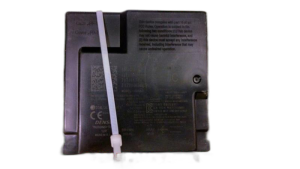
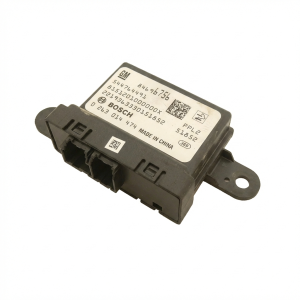
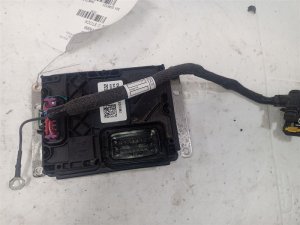
(OEM #13534192 (supersedes 13518593, 13532662))— In cases where an HVAC leak or severe water intrusion damages the module beyond repair, the BCM itself must be replaced. This is a last resort after confirming wiring is intact. Part number should be verified with VIN.
Trusted brands: ACDelco
OEM price range: $250-$500
Aftermarket price range: $200-$400 - Connector Terminals / Pigtail — If corrosion in the X500/X600 connector is too severe, the individual wire terminals or the entire connector pigtail may need to be replaced. GM offers various pigtail kits like #19367596 for these repairs.
Trusted brands: ACDelco, Dorman
OEM price range: $25-$75
Aftermarket price range: $15-$50
Related Codes That Often Appear With This One
- B3125 — This is the code for 'Driver Door Unlock Circuit Short to Ground'. It often appears with B3130 because the same water leak or chafed harness affects both the driver-only and all-door unlock circuits.
- B3135 — This is the code for 'All Doors Lock Circuit Short to Ground'. Its presence alongside B3130 strongly indicates a systemic problem in a common connector or harness rather than an isolated component failure.
- U-codes (e.g., U0140) — U-codes indicate a loss of communication between modules. They can be set when water intrusion or harness damage affects the vehicle's data network wires, which are often bundled in the same connectors and harnesses as the door lock circuits.
Technical Service Bulletins (TSBs) & Recalls
- 21-NA-183: Intermittent Door Locks Inoperative, DTCs B3125, B3130, B3135, Various U codes, IP Lamps Illuminate, Immobilizer, Unwanted Horn or Hazard Flasher Operation
- 23-NA-046: Power Windows and/or Mirrors Inoperative, Power Seat Movement Inoperative... Power Door Lock Cycle Inoperative... DTC B3125, B3130 and/or B3135 Set
- PIT5606F: Multiple Electrical Concerns Possible, Intermittent High Resistance Or Shorts To Ground In The IP Harness
- 23-NA-107: Water Leak, Shifter Light Inoperative, Key Fobs Inoperative, and/or Various Concerns Related to the Remote Control Door Lock Receiver (RCDLR)
Platform-Specific Known Issues
- TSB #21-NA-183 directly addresses intermittent door lock operation and this DTC on the 2019-2022 Blazer, confirming it's a known issue.
- TSB #PIT5606F and #23-NA-046 describe the common failure modes on this platform: water intrusion at A-pillar connectors and harness chafing at the steering column, leading to this and other electrical codes.
- Real Owner Experience (Platform Mate): A Reddit user with a 2022 GMC Acadia reported their key fob would not lock/unlock doors, but remote start worked. The issue was intermittent and affected both key fobs. Another user confirmed their identical problem was solved by a dealer who found and repaired a 'fried wire' caused by water damage under the driver's side floor, at a cost of around $400 CAD.
Mechanic-Grade Diagnostic Values
- Resistance of 'All Doors Unlock' control circuit to ground — expected: Infinite resistance or Open Loop (O.L.). Failure: Any reading significantly less than infinite (e.g., under 1,000 ohms) indicates a short to ground.
- Voltage between the 'All Doors Unlock' control circuit and ground when the unlock button is pressed — expected: Greater than 7V. Failure: A reading less than 7V indicates a fault in the circuit or BCM. Note: The BCM may interpret a DMM connected for more than 20 seconds as a system error and drop the voltage to 0V, requiring the system to be cycled.
Hidden / Shadow Codes Worth Checking
- B3130 02: All Doors Unlock Circuit Short to Ground. This is the most common variant and confirms the circuit is shorted to the vehicle's chassis or another ground path. (see via A professional scan tool like the GM GDS2 can read these two-digit symptom bytes.)
- B3130 01: All Doors Unlock Circuit Short to Battery. This indicates the control circuit has detected excessive voltage, suggesting a short to a power wire instead of ground. (see via A professional scan tool like the GM GDS2 can read these two-digit symptom bytes.)
Scan Tool Commands That Help
- GM GDS2 (Global Diagnostic System 2): Body Control Module > Vehicle Access > All Doors Lock/Unlock — After checking for codes, use this bidirectional control to command the locks on and off. If the locks operate correctly with the scan tool but not the door switch, the problem is likely the switch itself. If they fail to operate with the scan tool, it confirms a fault in the BCM, wiring, or actuators, which is the more common scenario for this code.
Wiring & Ground Locations
- X500 / X600 — Large inline harness connectors located in the A-pillars (hinge pillars), between the vehicle body and the front doors. They are accessible behind the kick panels.. These connectors are the most common failure point. Water leaks from above and corrodes the pins, causing a short to ground in the unlock circuit. TSB 19-NA-243 is dedicated to this issue.
- X500, Pin 36 — Within the driver-side A-pillar connector (X500).. This is the specific pin for the 'Door Lock Actuator Unlock Control' circuit. On some GM diagrams, the wire is Brown/Yellow (BN/YE). This is the exact circuit that must be tested for a short to ground when diagnosing B3130.
- G200 / G201 — On older S-10 Blazers, these grounds are located on the driver's side dash, just above where the main bulkhead connector passes through the firewall.. These are primary instrument panel ground points. While documented for an older model, the general location for major grounds is often consistent. A poor ground connection for the BCM can cause a variety of erratic electrical issues, including false fault codes. Checking major grounds in this area is a valid diagnostic step.
Real Owner Repair Stories
- Reddit user Mundane-Play-4947 (2019 Chevrolet Traverse (C1XX Platform-mate)) — Vehicle would die at a complete stop, doors would lock and unlock randomly.
❌ Tried (didn't work) Initial diagnosis was inconclusive.
✅ What actually fixed it The root cause was loose ground wiring left after a dealership performed a warranty transmission replacement. Securing the ground wiring, correcting the transmission fluid level, and programming the TCM resolved the electrical issues.
OEM Part Supersession History
13518593, 13532662→13534192— Part revision and consolidation by the manufacturer.
Heads up: The newest part number (13534192) should be used for service replacement. Always verify the correct part number with the vehicle's VIN before ordering.
Model Year Variations Within This Range
- 2019: According to TSB PIT5606J, some vehicles built before February 14, 2019, may have been assembled with undersized (29mm) hinge pillar body plugs, increasing the risk of water intrusion into the X500/X600 connectors.
- 2019-2020: TSB 19-NA-243, which addresses water leaks past the A-pillar body plugs causing this code, specifically lists the 2019-2020 Blazer in its model table, indicating this was a known issue from the start of production.
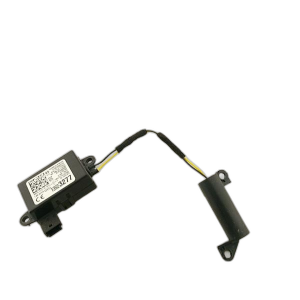
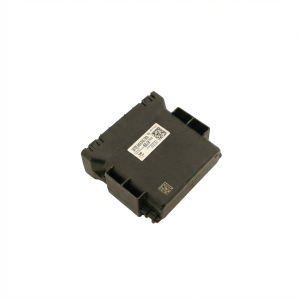
We Have This Part in Stock

The information in this article is provided for general reference and educational purposes only. Vehicle specifications, procedures, and part compatibility can vary by production date, trim level, and region. Always consult your vehicle's factory service manual and verify part numbers before purchasing or performing repairs. Safety-critical components such as airbags, seat belts, and braking systems should be installed by a qualified professional.
- Chevrolet BLAZER:
- 🧭 Diagnostic Flowchart
- 🛍️ Shop This Part
- What's Unique About the 2019-2022 Chevrolet BLAZER
- Symptoms You May Notice
- Most Likely Causes
- Rare But Worth Checking
- Diagnosis Steps
- Parts You'll Likely Need
- Related Codes That Often Appear With This One
- Technical Service Bulletins (TSBs) & Recalls
- Platform-Specific Known Issues
- Mechanic-Grade Diagnostic Values
- Hidden / Shadow Codes Worth Checking
- Scan Tool Commands That Help
- Wiring & Ground Locations
- Real Owner Repair Stories
- OEM Part Supersession History
- Model Year Variations Within This Range
- 🎟️ Get 5% Off