

B3130 on 2017-2022 GMC Acadia: Door Lock Unlock Circuit Failure Causes and Fixes
On a 2017-2022 GMC Acadia, code B3130 is almost always caused by an electrical issue, not the door lock itself. The most common culprits are water leaking into the Body Control Module (BCM) from a faulty HVAC drain, or a wiring harness chafing near the steering column. Investigating these known issues before replacing parts is critical.
- Code B3130 on a 2017-2022 Acadia is a serious electrical fault, not just a bad lock.
- Before replacing any parts, you MUST inspect for the two most common causes: water damage in the Body Control Module (BCM) and a chafed wiring harness near the steering column.
- Check for official GM Technical Service Bulletins (TSBs) like 21-NA-183 and PIT5606J, which detail these known issues.
- Symptoms are not limited to door locks and can include no-start conditions, random warning lights, and other strange electrical behavior.
- Due to the complexity and need for potential module programming, professional diagnosis and repair are strongly recommended.
What's Unique About the 2017-2022 Gmc ACADIA
The second-generation GMC Acadia and its platform-mates (like the Cadillac XT5, Chevy Traverse, and Buick Enclave) are built on the GM C1XX platform and are known for specific electrical vulnerabilities outlined in several General Motors Technical Service Bulletins (TSBs). Unlike a simple mechanical failure, code B3130 on this vehicle is frequently a symptom of a larger, well-documented problem, such as water intrusion into main computers from clogged drains or wiring harnesses rubbing through their insulation at specific points. This makes a thorough electrical diagnosis more important than just replacing the door latch.
Diagnostic Flowchart
Tap your situation to follow the diagnostic path that matches what you're seeing on this vehicle.
Symptoms You May Notice
- Power door locks do not work or work intermittently.
- Doors lock or unlock on their own, sometimes while driving.
- Unable to lock or unlock a specific door with the key fob or interior switch.
- A 'Service Door Latch' message appears on the driver information center.
- Instrument panel warning lights illuminate randomly.
- The vehicle alarm or horn activates unexpectedly.
- A 'Door Ajar' light stays on, potentially draining the battery.
- Intermittent no-crank / no-start condition or the engine entering reduced power mode.
- Replacing the key fob battery. While a good first step for fob issues, it will not solve a B3130 code, which indicates a hard-wired circuit fault in the vehicle.
- Replacing a door lock actuator without checking for water intrusion or chafed wiring first. The TSBs for this platform strongly indicate that the actuator is often the victim of an external electrical problem, not the cause.
Most Likely Causes
- Water Intrusion into Body Control Module (BCM) 🔴 High Probability → Shop Body Control Module TSB #21-NA-183 specifically identifies a leaking HVAC drain hose at the connection to the HVAC module as a cause for water dripping directly onto and into the BCM, causing corrosion and short circuits.
How to confirm: Physically inspect the BCM and its connectors for any signs of moisture, white or green corrosion, or rust. The BCM is located in the center console area, accessible from the passenger side footwell. TSB #21-NA-183 advises that if an external leak is found, the BCM case should be opened to inspect for internal corrosion, which may look like chalky residue on the circuit board.
Typical fix: If corrosion is found, the BCM must be replaced and programmed by a dealer or qualified shop. The source of the water leak must be repaired to prevent a repeat failure. TSB #21-NA-183 provides a specific preventative fix: install a zip tie securely around the drain hose connection to the HVAC module, just below the locking nib, to prevent future leaks.
Est. part cost: $250-$450 - Chafed Instrument Panel (IP) Wiring Harness 🔴 High Probability TSB PIT5606J identifies a common issue where the main instrument panel wiring harness rubs against the rotating steering intermediate shaft (I-shaft), eventually wearing through the insulation and causing wires to short to ground.
How to confirm: Visually and physically inspect the wiring harness at the base of the steering column where it passes the I-shaft. Look for any signs of abrasion, exposed copper wires, or electrical tape that has been worn through.
Typical fix: Repair the damaged wires according to manufacturer procedures. Per TSB PIT5606J, the harness must then be secured with a zip tie to pull it away from the I-shaft, preventing any future contact.
Est. part cost: $5-$20 - Water Intrusion in A-Pillar Connectors (X500/X600) 🟡 Medium Probability TSB #23-NA-046 and other preliminary bulletins note that water can leak past body plugs or a damaged/displaced foam seal in the 'A' hinge pillar, dripping onto the main door-to-body harness connectors (X500 and X600) and causing corrosion.
How to confirm: Disconnect the large electrical connectors in the driver and passenger door jambs/kick panels. The driver side is X500 and passenger side is X600. Inspect both sides of the connectors for green or white corrosion on the pins.
Typical fix: Clean the terminals if corrosion is minor. If severe, the connector terminals or the entire connector pigtail may need to be replaced. The leaking body plug must be sealed or replaced, and any damaged foam seals must also be replaced to solve the root cause.
Est. part cost: $20-$100 - Failed Door Latch Assembly 🟡 Medium Probability → Shop Door Latch Assembly The door latch assembly is an electro-mechanical part with internal motors and switches that can wear out over time, leading to electrical faults.
How to confirm: After confirming there are no wiring or water intrusion issues, the latch itself becomes the primary suspect. A grinding or buzzing noise from the door when locking is a strong indicator of a failing latch motor. A scan tool may also be able to read the status of the latch switches or command the lock via a bidirectional test.
Typical fix: Replace the entire door latch assembly. This is the standard repair as the internal components are not typically serviced separately.
Est. part cost: $50-$200
Diagnosis Steps
- Connect a professional scan tool (like GM GDS2) and read codes from all modules, paying special attention to the Body Control Module (BCM). Note all B-codes, C-codes, and U-codes, including two-digit symptom bytes like '02' for short to ground.
- Based on TSB #21-NA-183, inspect the BCM and its connectors for any signs of water intrusion or corrosion. This is a top priority. The BCM is located in the center console area, accessible from the passenger footwell.
- Based on TSB PIT5606J, inspect the instrument panel wiring harness where it passes the steering I-shaft for any signs of chafing, abrasion, or exposed wires.
- Inspect the HVAC drain hose connection to the HVAC module. If it is leaking, secure it with a zip tie per TSB #21-NA-183. Ensure the hose is not clogged or kinked.
- Based on TSB #23-NA-046, disconnect and inspect the main body-to-door harness connectors (X500, X600) located in the A-pillars for corrosion. Check the condition of the foam seals.
- If a water leak is found, perform a water test to identify and repair the source (e.g., HVAC drain, windshield seal, A-pillar body plugs) before replacing any electrical components.
- If all wiring and modules appear clean and dry, use the scan tool's bidirectional functions to command the 'All Doors Lock/Unlock' function and monitor the circuit response. This helps isolate the fault to the control circuit or the actuators themselves.
- If the BCM is found to be corroded internally, it must be replaced and programmed using the GM Service Programming System (SPS).
Parts You'll Likely Need
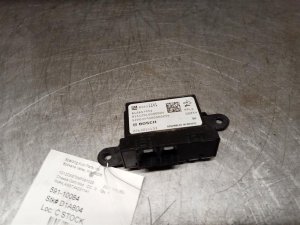
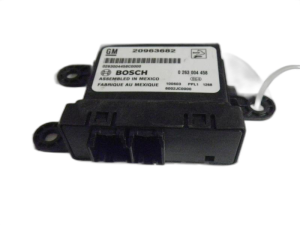
- Body Control Module (BCM)
(OEM #13534188, 13534190, 13524922 (Verify with VIN))— This is the most common part to fail due to documented water intrusion issues from the HVAC drain hose, causing internal corrosion. Replacement requires programming.
Trusted brands: ACDelco (GM Genuine), Dorman (Remanufactured)
OEM price range: $250-$450
Aftermarket price range: $150-$300 - Door Latch Assembly — If wiring and module issues are ruled out, the internal motor or switch in the latch assembly may have failed.
Trusted brands: ACDelco, Dorman
OEM price range: $50-$200
Aftermarket price range: $40-$150 - Zip Ties and Electrical Tape — Needed for the two most common repairs: securing the chafed IP harness away from the steering shaft and securing the HVAC drain hose to prevent leaks.
OEM price range: $5-$20
Aftermarket price range: $5-$20
Related Codes That Often Appear With This One
- B3125 — This code indicates a short to ground on the driver's door unlock circuit, often triggered by the same water or wiring issues as B3130.
- B3135 — This code indicates a short to ground on the 'All Doors Lock' circuit and frequently appears with B3130 due to the same root causes.
- Various U-codes (e.g., U0140) — U-codes indicate a loss of communication between modules. Water damage to the BCM or corrosion in major harness connectors can disrupt communication on the CAN bus network, setting these codes alongside the B3130.
Technical Service Bulletins (TSBs) & Recalls
- 21-NA-183: Details the HVAC drain hose leak causing water intrusion into the BCM.
- PIT5606J: A comprehensive bulletin covering chafed IP wiring, BCM water damage, and A-pillar connector corrosion as causes for B3125, B3130, and B3135.
- 23-NA-046: Focuses on water leaks past body plugs in the A-pillar causing corrosion in door harness connectors X500/X600.
Platform-Specific Known Issues
- TSB #21-NA-183 documents that water intrusion from the HVAC drain hose can damage the Body Control Module, leading to code B3130 and other electrical malfunctions.
- TSB PIT5606J documents that the instrument panel wiring harness can chafe against the steering I-shaft, causing shorts that trigger B3130 and can lead to a no-start condition.
- TSB #23-NA-046 documents that water can leak past body plugs in the A-pillars, causing corrosion in the main door harness connectors (X500/X600) and setting code B3130.
Hidden / Shadow Codes Worth Checking
- B3130 02: All Doors Unlock Circuit Short to Ground. This is the most common variant and directly confirms the fault described by the base code. (see via A professional scan tool like the GM GDS2 can read these two-digit symptom bytes (sub-codes).)
- B3130 01: All Doors Unlock Circuit Short to Battery. This indicates the BCM has detected excessive voltage on the unlock circuit, which is a less common but possible cause. (see via A professional scan tool like the GM GDS2 can read these two-digit symptom bytes (sub-codes).)
Scan Tool Commands That Help
- GM GDS2 (Global Diagnostic System 2): All Doors Lock/Unlock — After checking for obvious wiring damage, use this command within the Body Control Module's 'Vehicle Access' menu to test the circuit's integrity. If the command is sent but the locks don't respond, it helps confirm a fault in the wiring or actuator, rather than the control switch.
Wiring & Ground Locations
- BCM — In the center console area, accessible by removing the passenger side footwell/console extension panel.. This is the control module for the door locks and is the primary victim of water intrusion from the HVAC drain per TSB #21-NA-183.
- X500 / X600 — X500 is the driver-side A-pillar harness connector (kick panel area). X600 is the passenger-side A-pillar harness connector.. These are the main pass-through connectors for the door harnesses. They are a known location for water intrusion and corrosion, which can short the lock/unlock circuits.
- G301 / G302 / G303 — On related GM platforms, these are common interior ground points. G301 is behind the left kick panel, G302 is near the base of the right B-pillar, and G303 is near the base of the left B-pillar.. A poor ground connection at any of these points can cause a floating ground and lead to various BCM-related electrical issues, including door lock problems. They are a key area to check for tightness and corrosion during an electrical diagnosis.
OEM Part Supersession History
13594646→13534188— Standard part revision by the manufacturer.
Heads up: When ordering a replacement BCM, it is critical to verify the correct part number for the vehicle's VIN. While 13534188 replaces 13594646, other numbers may exist for different option packages. Always verify with a dealer or parts supplier.
Helpful Videos

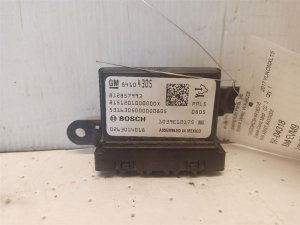
Used OEM Parts in Stock
New Aftermarket Parts Available


The information in this article is provided for general reference and educational purposes only. Vehicle specifications, procedures, and part compatibility can vary by production date, trim level, and region. Always consult your vehicle's factory service manual and verify part numbers before purchasing or performing repairs. Safety-critical components such as airbags, seat belts, and braking systems should be installed by a qualified professional.
- Gmc ACADIA:
- 🧭 Diagnostic Flowchart
- 🎬 Helpful Videos
- 🛍️ Shop This Part
- What's Unique About the 2017-2022 Gmc ACADIA
- Symptoms You May Notice
- Most Likely Causes
- Diagnosis Steps
- Parts You'll Likely Need
- Related Codes That Often Appear With This One
- Technical Service Bulletins (TSBs) & Recalls
- Platform-Specific Known Issues
- Hidden / Shadow Codes Worth Checking
- Scan Tool Commands That Help
- Wiring & Ground Locations
- OEM Part Supersession History
- 🎟️ Get 5% Off