

B3135 on 2020-2022 Cadillac XT6: Causes for Door Lock and Electrical Faults
On a 2020-2022 Cadillac XT6, code B3135 is almost always caused by water leaking from an HVAC drain hose onto the Body Control Module (BCM). This causes widespread electrical issues. The fix involves securing the hose and often replacing the water-damaged BCM, which requires professional programming.
- B3135 on a 2020-2022 XT6 is a strong indicator of water damage to the Body Control Module (BCM).
- The water leak is from a known issue with the HVAC drain hose connection, as per TSB #21-NA-183.
- Symptoms are not limited to door locks and often include random warning lights, horn/flasher activation, and potential no-start issues.
- The fix requires two steps: securing the leaking hose with a zip tie and replacing the corroded BCM.
- BCM replacement is not a simple DIY job as it requires professional programming to sync with the vehicle's VIN.
What's Unique About the 2020-2022 Cadillac XT6
The 2020-2022 Cadillac XT6 and its platform mates are uniquely prone to this issue due to a specific design flaw. A known factory service bulletin, #21-NA-183, identifies that the HVAC drain hose can leak water directly onto the Body Control Module (BCM). This water intrusion is the root cause of code B3135 and a host of other bizarre electrical symptoms, making it a platform-specific issue rather than a simple component failure.
Diagnostic Flowchart
Tap your situation to follow the diagnostic path that matches what you're seeing on this vehicle.
Symptoms You May Notice
- Intermittent or complete failure of power door locks.
- Interior lock/unlock switches not working.
- Warning lights for various systems illuminating on the instrument panel while driving.
- An 'Immobilizer' message appearing on the dash, which may lead to a no-start condition.
- The horn or hazard flashers activating unexpectedly.
- Key fob not working correctly for locking or unlocking.
- Parasitic battery drain, causing a dead battery overnight.
- Erratic gauge behavior or the instrument panel resetting while driving.
- False 'Tonneau Cover Ajar' messages on vehicles without a tonneau cover.
- Loss of communication with various modules, setting multiple 'U' codes.
- Replacing individual door lock actuators or switches without checking the BCM for water damage.
- Replacing the key fob battery, as low battery issues set different trouble codes.
- Replacing other modules (like the ABS or Powertrain Control Module) based on the variety of warning lights, without realizing the BCM is the root cause of the communication failures.
Most Likely Causes
- Water Intrusion into Body Control Module (BCM) from HVAC Drain Hose 🔴 High Probability → Shop Body Control Module As documented in TSB #21-NA-183, the connection of the HVAC drain hose to the HVAC module is prone to leaking at a small notch in the hose. Due to its location in the passenger footwell, the water drips directly onto the BCM and its electrical connectors, causing corrosion and short circuits.
How to confirm: Remove the right-side front floor console extension panel to access the HVAC drain hose and BCM. 🎬 Watch: See how water leaks from the HVAC onto the BCM. Look for signs of water, wetness on the carpet, or white/green corrosion on the BCM and its connectors. The TSB advises that even if no external corrosion is visible, the BCM should be opened for internal inspection if a leak is confirmed, as internal damage is common.
Typical fix: Secure the HVAC drain hose connection with a zip tie (GM Part Number 11509086) just below the locking nib to prevent future leaks. If the BCM shows any signs of internal or external corrosion, it must be replaced and programmed by a dealer or qualified shop.
Est. part cost: $350-$600
Rare But Worth Checking
- Faulty Door Lock Actuator: While a single faulty actuator can cause lock issues, it is unlikely to cause the multiple, widespread electrical symptoms associated with B3135 on this vehicle. This should only be considered if the BCM and its wiring are confirmed to be free of water damage.
- Damaged Wiring Harness or Poor BCM Ground: A chafed wire or a loose/corroded ground for the BCM can cause erratic behavior. This is less common than the documented water leak but is a possibility if no water intrusion is found. A preliminary information bulletin for the related XT5 mentions harness chafing at the base of the steering column as a potential cause for these codes.
- Clogged Sunroof Drains: Though less common for this specific BCM issue, clogged sunroof drains can also introduce water into the cabin, potentially affecting various electronics. If the passenger footwell is wet but the HVAC drain hose is not the source, inspect the sunroof drains as a secondary possibility.
Diagnosis Steps
- Scan the vehicle for all Diagnostic Trouble Codes (DTCs). Confirm the presence of B3135 and note any other B-codes or U-codes.
- Check for dampness in the passenger footwell carpet, near the center console.
- Remove the right-side front floor console extension panel to gain visual access to the Body Control Module (BCM) and the HVAC drain hose.
- Carefully inspect the HVAC drain hose where it connects to the HVAC module. Look for signs of water dripping from the notch in the hose. The TSB suggests running the A/C at max speed to encourage the leak to appear if it's not immediately obvious.
- Inspect the BCM and its electrical connectors for any signs of moisture or corrosion (white or green crust). Use a good flashlight. Per the TSB, if a leak is confirmed, the BCM case should be opened to inspect for internal corrosion, as external signs may be minimal.
- If corrosion or moisture is found, the BCM is faulty. The source of the leak (the HVAC hose) must be secured with a strong zip tie below the locking nib to prevent recurrence.
- Replace the Body Control Module. The new module must be programmed by a GM dealer or a qualified repair shop with the correct software (e.g., GM SPS/TIS2Web). 🎬 Watch: How to program a new BCM using GM SPS.
- If no water damage is found, the issue is much rarer. Proceed with standard electrical diagnostics: check for power and ground at the BCM and test the continuity of the door lock control circuits.
Parts You'll Likely Need
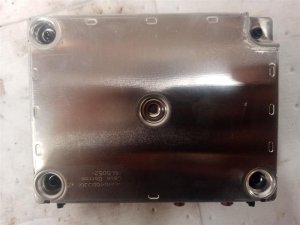
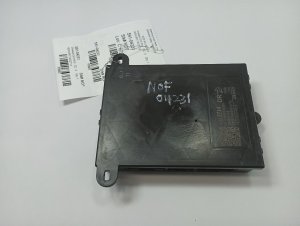
- Body Control Module (BCM)
(OEM #85571589 (Verify with VIN))— This module is the component that gets damaged by the water leak from the HVAC drain hose, causing code B3135 and other electrical faults. Part number may vary by vehicle options.
Trusted brands: ACDelco (GM Original Equipment)
OEM price range: $450-$600
Aftermarket price range: $350-$500 - Zip Tie / Tie Strap
(OEM #11509086)— Used to secure the leaking HVAC drain hose, which is the root cause of the problem. This is the specific part number called out in the TSB.
OEM price range: $1-$5
Aftermarket price range: $1
Related Codes That Often Appear With This One
- B3125 — This code for 'Driver Door Only Unlock Circuit' is often set alongside B3135 due to the same BCM water intrusion issue.
- B3130 — This code for 'All Door Unlock Circuit' is frequently triggered with B3135 as part of the same system-wide electrical fault caused by a compromised BCM.
- B3979 / B3980 — These are also BCM-related codes that are explicitly mentioned in TSB #21-NA-183 as being set by the same water leak condition.
- U-codes (e.g., U0140, U0155) — Various 'U' or communication codes are common because water damage to the BCM disrupts its ability to communicate with other modules in the vehicle, such as the Instrument Panel Cluster.
Technical Service Bulletins (TSBs) & Recalls
- 21-NA-183 (Version 3, June 2, 2022): Intermittent Door Locks Inoperative, Various DTCs, IP Lamps Illuminate, Immobilizer, Unwanted Horn or Hazard Flasher Operation.
Platform-Specific Known Issues
- A known issue documented in Technical Service Bulletin #21-NA-183 describes a condition where the HVAC drain hose may leak water onto the Body Control Module, causing intermittent door lock operation, various warning lights, and setting codes B3135, B3125, B3130, B3979, and B3980.
- This TSB applies not only to the Cadillac XT6 but also to its platform mates, including the Buick Enclave, Chevrolet Traverse, GMC Acadia, and Cadillac XT5 across various model years.
Mechanic-Grade Diagnostic Values
- BCM B+ Circuit Voltage — expected: A test lamp should illuminate between the B+ circuit (e.g., terminal 4 on connector X2) and ground with the ignition on.. Failure: If the test lamp does not illuminate, it indicates a short to ground or an open/high resistance in the B+ circuit. If the circuit and fuse are normal, the BCM itself may be faulty.
Hidden / Shadow Codes Worth Checking
- B3135 02: All Doors Lock Circuit Short to Ground. The '02' is a symptom byte that provides a more specific definition of the fault, indicating the BCM has detected that the lock control circuit is shorted to ground. (see via A professional scan tool like the GM GDS2 (Global Diagnostic System 2) will display the code with its corresponding symptom byte.)
Scan Tool Commands That Help
- GDS2 (or equivalent high-end bidirectional scanner): Output Controls / Functional Tests — After confirming the BCM has power and ground but before condemning the module (if no water damage is found), a technician can use the scan tool to command the door locks to LOCK and UNLOCK. This bypasses the physical switches to test if the BCM, wiring, and actuators can function when commanded directly. If the locks work with the scan tool, the problem is likely in the switch or its circuit; if they don't, the fault is in the BCM, actuator, or wiring between them.
- GDS2 and GM SPS (Service Programming System): BCM Programming and Setup — This is a mandatory step whenever a BCM is replaced. The new module must be programmed with the vehicle's VIN and specific configuration. Following programming, procedures like 'Program Transponder or Remote Key' must be performed to learn the key fobs to the new module.
Wiring & Ground Locations
- K9 Body Control Module (BCM) — Located in the center console area, accessible from the passenger side footwell after removing the console extension panel. The TSB #21-NA-183 confirms this location as it is directly under the leaking HVAC drain hose.. This is the primary location to inspect for water damage, which is the number one cause of code B3135 on this vehicle.
- BCM Connectors (e.g., X1, X2, X7) — These are the multi-pin connectors that plug into the BCM itself.. Water from the HVAC leak drips directly onto these connectors, causing corrosion on the pins and in the terminals. TSB #21-NA-183 specifically calls for careful inspection of these connectors for any signs of corrosion. A poor connection here can cause the B3135 code and many other electrical issues.
- IP Harness at Steering Column — A preliminary information bulletin for the related Cadillac XT5 noted a potential for the Instrument Panel (IP) harness to chafe at the base of the steering column near the I-shaft.. In the rare event that no water intrusion is found, this is a potential, documented location for a wiring short that could cause B3135 and other communication codes. The fix involves repairing the damaged wires and securing the harness away from the shaft.
Real Owner Repair Stories
- CorvetteForum user (2001 Chevrolet Corvette (demonstrates a common GM BCM failure pattern)) — A/C drain clogged, BCM got wet, car wouldn't start. After drying, car started but security light stayed on and other electrical issues persisted.
❌ Tried (didn't work) Initial air drying of the BCM allowed the car to start but did not resolve all electrical gremlins.
✅ What actually fixed it Community members advised that simply drying the outside is insufficient. The recommended, though not guaranteed, fix was to remove the BCM, open the case, rinse the circuit board with alcohol or distilled water to remove mineral deposits, dry it thoroughly (with a fan, hair dryer, or low-temp oven), and then reinstall. This process aims to clean the corrosion causing the short circuits. - Techmod Auto Repair & Locksmith (2020 Chevrolet Blazer (platform mate with similar BCM architecture)) — Water damage to the BCM caused the car to not run correctly.
❌ Tried (didn't work) A new BCM from the dealer was on backorder, delaying the repair.
✅ What actually fixed it The shop sourced a used BCM from a scrap yard and used their professional tools to program the used module to the vehicle's specifications, restoring full functionality. This demonstrates that using a programmed used module is a viable repair path.
When the Usual Fixes Don't Work
- While the overwhelming cause of B3135 is the HVAC water leak onto the BCM, a GM Preliminary Information bulletin (PIC6290A) for the related 2017-2018 Cadillac XT5 documented that identical codes (B3125, B3130, B3135) could also be caused by the instrument panel wiring harness chafing on the steering I-shaft. If a thorough inspection reveals a completely dry BCM and passenger footwell, a technician's next step should be to inspect the wiring harness at the base of the steering column for any signs of abrasion or shorting before replacing the BCM.
OEM Part Supersession History
13518593, 13532662→13534192— GM regularly updates part designs to integrate new materials, technologies, or fix discovered issues.
Heads up: The newest part number (13534192) is the correct service replacement for the older numbers on vehicles like the 2020-2022 XT6. Using old stock is possible but the latest revision is always recommended.13520409→13529041— Standard part lifecycle update by the manufacturer.
Heads up: This is another common BCM part number for GM vehicles in this era. It's critical to verify the correct part number for the specific vehicle's VIN using the GM Electronic Parts Catalog (EPC), as multiple BCM variations exist.
Helpful Videos

We Have This Part in Stock
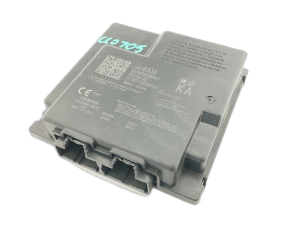
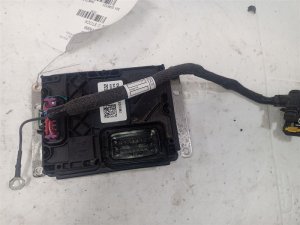

The information in this article is provided for general reference and educational purposes only. Vehicle specifications, procedures, and part compatibility can vary by production date, trim level, and region. Always consult your vehicle's factory service manual and verify part numbers before purchasing or performing repairs. Safety-critical components such as airbags, seat belts, and braking systems should be installed by a qualified professional.
- Cadillac XT6:
- 🧭 Diagnostic Flowchart
- 🎬 Helpful Videos
- 🛍️ Shop This Part
- What's Unique About the 2020-2022 Cadillac XT6
- Symptoms You May Notice
- Most Likely Causes
- Rare But Worth Checking
- Diagnosis Steps
- Parts You'll Likely Need
- Related Codes That Often Appear With This One
- Technical Service Bulletins (TSBs) & Recalls
- Platform-Specific Known Issues
- Mechanic-Grade Diagnostic Values
- Hidden / Shadow Codes Worth Checking
- Scan Tool Commands That Help
- Wiring & Ground Locations
- Real Owner Repair Stories
- When the Usual Fixes Don't Work
- OEM Part Supersession History
- 🎟️ Get 5% Off