

B3135 on 2019-2022 Chevrolet Blazer: Causes and Fixes for Door Lock Faults
On a 2019-2022 Chevrolet Blazer, code B3135 indicates an 'All Doors Lock Circuit Malfunction.' This is often caused by water leaking into and corroding the Body Control Module (BCM) or related wiring connectors. The most common cause is a leaking HVAC drain hose dripping onto the BCM, a known issue addressed in GM Service Bulletin #21-NA-183. The fix involves finding and stopping the leak, then repairing or replacing the damaged components.
- B3135 on a 2019-2022 Blazer is an electrical circuit code, not a simple mechanical failure.
- The most probable cause is water intrusion from a leaking HVAC drain hose damaging the Body Control Module (BCM), as per TSB #21-NA-183.
- Diagnosis must begin with checking for water damage at the BCM and its connectors before replacing any parts.
- Do not replace individual door lock actuators as a first step; this code points to a central system or wiring fault.
- Repair is not complete until the source of the water leak is found and permanently fixed.
What's Unique About the 2019-2022 Chevrolet BLAZER
The 2019-2022 Blazer, along with other GM vehicles on the C1XX platform like the Traverse, Acadia, and Cadillac XT5/XT6, is susceptible to specific water leak paths that can lead to this code. General Motors has issued Technical Service Bulletin (TSB) #21-NA-183, which directly addresses intermittent door lock issues and related electrical faults caused by a leaking HVAC drain hose that allows water to enter and corrode the BCM. Another TSB, #23-NA-046, points to water leaking past body plugs in the A-pillar and corroding the main door-to-body wiring connectors (X500/X600). This makes B3135 on this platform less about a simple failed part and more about a potential water intrusion problem that requires investigation.
Diagnostic Flowchart
Tap your situation to follow the diagnostic path that matches what you're seeing on this vehicle.
Symptoms You May Notice
- Power door locks are inoperative or work intermittently.
- Key fob fails to lock or unlock the doors.
- Unwanted horn or hazard flasher operation. [⭐ MANUFACTURER TSB — highest authority]
- Various warning lamps illuminating on the instrument panel (IP). [⭐ MANUFACTURER TSB — highest authority]
- Immobilizer system warnings or a no-start condition. [⭐ MANUFACTURER TSB — highest authority]
- Doors may lock or unlock on their own.
- Alarm going off randomly.
- "Service Theft Deterrent System" message on the dash.
- Replacing individual door lock actuators without checking for a central circuit fault or water intrusion. While an actuator can fail, B3135 points to a broader circuit problem affecting all doors.
- Replacing the key fob or its battery, as this code indicates a vehicle-side electrical fault, not a problem with the remote signal.
Most Likely Causes
- Water Intrusion Corroding the Body Control Module (BCM) 🔴 High Probability → Shop Body Control Module TSB #21-NA-183 specifically identifies a leaking HVAC drain hose connection as a cause for water dripping onto the BCM, leading to corrosion and electrical shorts. This is a well-documented issue on the C1XX platform.
How to confirm: Remove the right front floor console extension panel and inspect the BCM, its connectors (especially the black X4 connector), and surrounding wiring for any signs of moisture, water stains, or blue/green corrosion. TSB #21-NA-183 advises running the A/C on high and observing the drain hose connection for drips.
Typical fix: First, the source of the water leak must be repaired. The TSB recommends securing the HVAC drain hose with a tie strap just below the locking nib to prevent further leakage. If the BCM or its connectors are corroded, they must be cleaned or replaced. A corroded BCM must be replaced and programmed by a dealer or qualified shop. Damaged connector terminals must also be replaced, which requires specialized tools.
Est. part cost: $350-$600 - Corroded A-Pillar Wiring Connectors (X500/X600) 🟡 Medium Probability TSB #23-NA-046 and the older #19-NA-243 describe how water can leak past poorly sealed or missing body plugs in the A-pillar, causing corrosion in the main door-to-body wiring connectors (X500 and X600). This interrupts communication between the BCM and the door modules.
How to confirm: Access the connectors in the driver and passenger A-pillar areas (behind the kick panels). Disconnect them and inspect for moisture and corroded terminals. The presence of blue or white powder-like residue is a clear sign of corrosion.
Typical fix: Repair the source of the leak by resealing or replacing the body plugs (Part No. 25883487, per TSB 19-NA-243). Clean or replace the corroded connector terminals or the entire connector pigtail. This requires specialized terminal repair tools and knowledge of proper splicing techniques.
Est. part cost: $20-$150 - Damaged Wiring Harness ⚪ Low Probability The wiring harness that passes between the door and the vehicle body can fatigue and break over time from repeated opening and closing, though this is less common than water intrusion on this model. One owner on a forum found a broken wire in the door jamb was the ultimate cause of a similar lock issue.
How to confirm: Peel back the rubber boot in the door jamb and inspect the wires for breaks, chafing, or cracked insulation. Gently tug on individual wires to check for internal breaks that may not be visible.
Typical fix: Repair the broken wire(s) using solder and heat shrink or appropriate sealed butt connectors. Ensure the repair is durable and protected from future stress.
Est. part cost: $5-$25
Diagnosis Steps
- Scan the Body Control Module (BCM) with a professional-grade scan tool capable of reading manufacturer-specific 'B' codes.
- Note any other codes present, especially B3125, B3130, or any U-codes, as this points towards a central issue.
- Following the procedure in TSB #21-NA-183, remove the right side console extension panel to visually inspect the BCM and its connectors for water damage or corrosion. Check for dampness in the passenger footwell carpet.
- If the BCM area is dry, proceed to inspect the A-pillar connectors (X500/X600) in the kick panel areas for corrosion, as described in TSB #23-NA-046.
- If no corrosion is found in either location, perform a water test. For the BCM, run the A/C on high and check for drips from the HVAC drain hose. For the A-pillar, use a hose to gently run water over the windshield and cowl area to check for leaks 🎬 Watch: How to identify and seal common GM firewall water leaks past the body plugs.
- If no water intrusion is evident, inspect the wiring harness passing through the driver's door jamb for any chafed or broken wires.
- If all wiring and modules appear clean and dry, use a scan tool to command the locks to activate while testing for power and ground signals at the BCM connector to determine if the module itself has failed internally.
Parts You'll Likely Need
- Body Control Module (BCM)
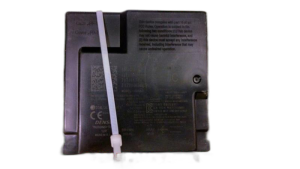
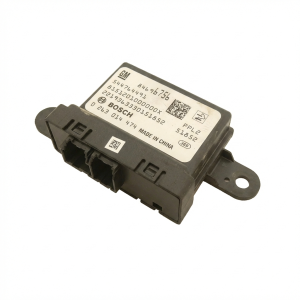
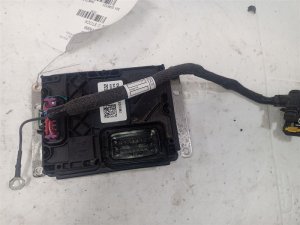
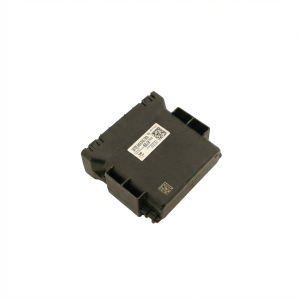
(OEM #13534192 (supersedes 13518593, 13532662))— This is the most likely part to be replaced if it has suffered corrosion from a water leak, which is a common cause for B3135 on this vehicle. Replacement requires programming.
Trusted brands: ACDelco
OEM price range: $350-$600
Aftermarket price range: $250-$450 - Wiring Harness Connector Terminals/Pigtails — If water intrusion corrodes the terminals in the BCM or A-pillar connectors (X500/X600), the damaged terminals or the connector itself will need to be replaced to ensure a solid connection.
Trusted brands: ACDelco, Dorman
OEM price range: $50-$150
Aftermarket price range: $20-$80 - Body Side Outer Panel Hole Plug
(OEM #25883487)— If the cause is water leaking into the A-pillar connectors, TSB #19-NA-243 calls for replacing the original body plugs with this revised part to create a better seal.
Trusted brands: ACDelco
OEM price range: $5-$15
Related Codes That Often Appear With This One
- B3125 — This code for 'Driver Door Only Unlock Circuit' often appears with B3135 as they are part of the same system and can be affected by the same root cause, like a corroded BCM or wiring connector. [⭐ MANUFACTURER TSB — highest authority, 3, 5]
- B3130 — This code for 'All Doors Unlock Circuit' is the counterpart to B3135 and is frequently set at the same time due to water intrusion or wiring faults affecting the entire door lock system. [⭐ MANUFACTURER TSB — highest authority, 3, 5]
- Various U codes — Communication (U-prefix) codes often accompany B3135 when water damages the BCM, as this disrupts its ability to communicate with other modules on the vehicle's network. [⭐ MANUFACTURER TSB — highest authority, 5]
Technical Service Bulletins (TSBs) & Recalls
- 21-NA-183: Addresses intermittent door lock inoperation and other electrical concerns, including DTC B3135, often caused by water intrusion affecting the BCM. The primary TSB for this issue. [⭐ MANUFACTURER TSB — highest authority]
Platform-Specific Known Issues
- A known issue documented in TSB #21-NA-183 describes how a leaking HVAC drain hose can allow water to drip directly onto the Body Control Module (BCM), causing corrosion and a wide range of electrical problems, including this code. The fix involves adding a zip tie to the hose connection.
- A secondary known issue, documented in TSB #23-NA-046, involves water leaking past body plugs in the A-pillars and corroding the X500/X600 connectors, causing various door-related electrical failures.
Mechanic-Grade Diagnostic Values
- System Voltage at BCM — expected: 9-16 Volts. Failure: Voltage dropping below 9V can cause the BCM to set various codes, including B3135.
- Resistance of 'All Doors Lock' Control Circuit to Ground — expected: Infinite resistance (OL). Failure: Any reading less than infinite resistance indicates a short to ground, which is a direct cause for setting code B3135 02.
- Continuity of 'All Doors Lock' Control Circuit — expected: Less than 2.0 Ohms. Failure: A resistance of 2.0 Ohms or higher indicates high resistance or an open in the circuit, which can set a B3135 04 code.
Hidden / Shadow Codes Worth Checking
- B3135 01: All Doors Lock Circuit Short to Voltage. (see via A professional scan tool like the GM GDS2 will display this two-digit symptom byte after the main DTC.)
- B3135 02: All Doors Lock Circuit Short to Ground. This is the most common variant and strongly suggests a wiring issue or water-induced short. (see via A professional scan tool like the GM GDS2 will display this two-digit symptom byte after the main DTC.)
- B3135 04: All Doors Lock Circuit Open/High Resistance. (see via A professional scan tool like the GM GDS2 will display this two-digit symptom byte after the main DTC.)
Scan Tool Commands That Help
- GM GDS2 (or equivalent professional scan tool): BCM Output Control > All Doors Lock/Unlock — This bidirectional command is used to manually trigger the lock and unlock functions from the scan tool. If the doors lock/unlock with the scan tool but not the switch, it points to a switch or input circuit issue. If they do not operate via the scan tool, it confirms the fault is in the BCM, output wiring, or actuators.
- GM GDS2 (or equivalent professional scan tool): BCM Programming/Setup — This function is required after replacing the BCM. The new module must be programmed with the vehicle's VIN and specific configuration data to function correctly and communicate with other modules.
Wiring & Ground Locations
- BCM — Inside the passenger cabin, typically behind the lower dashboard panel on the passenger side, near the center console.. This is the control module that sets the code. It is the primary location to check for water damage from the leaking HVAC drain hose as per TSB #21-NA-183.
- BCM Connector X4 (Black) — The black connector at the Body Control Module.. This connector is specifically mentioned in TSB #21-NA-183 as being vulnerable to corrosion from water intrusion. The 'All Doors Lock' circuit passes through this connector.
- X500 / X600 — Large plastic connectors located in the A-pillars, behind the kick panels. X500 is on the driver's side, X600 is on the passenger's side.. These are the main body-to-door wiring harness connectors. TSB #23-NA-046 identifies them as a common point of corrosion from water leaking past body plugs, interrupting signals to the doors.
- G200 / G201 — Located on the driver's side, just above where the main bulkhead connector passes through the firewall.. These are primary ground points for the BCM. While not a common cause for this specific code, a poor ground here can cause a wide range of erratic electrical behavior, mimicking a failed BCM.
Real Owner Repair Stories
- Reddit user on r/G37 (Infiniti platform with similar BCM water leak issues) (2013 Infiniti G37xS Sedan) — Intermittent door locking/unlocking problems, key detection issues, trunk popping open, alarm going off randomly, and a no-start condition, all occurring during rain.
❌ Tried (didn't work) Initial investigation showed slightly damp insulation but no visible pools of water.
✅ What actually fixed it The root cause was identified as a leaking sunroof drain plug, allowing water to enter the cabin and affect the BCM. The fix involves either clearing/replacing the OEM drain plug or rerouting the drain line to exit the vehicle directly, bypassing the firewall. This prevents water from reaching the BCM.
OEM Part Supersession History
13518593, 13532662→13534192— Standard part revision and consolidation by the manufacturer.
Heads up: The newest part number (13534192) is the correct service replacement for the earlier numbers on this platform. However, installing a used BCM from another vehicle without cloning the original data can cause the instrument cluster mileage to jump to the donor vehicle's mileage and will cause an anti-theft system lockout.
Helpful Videos
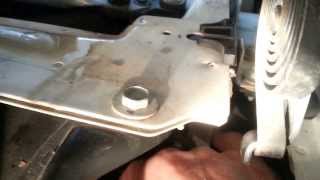
We Have This Part in Stock

The information in this article is provided for general reference and educational purposes only. Vehicle specifications, procedures, and part compatibility can vary by production date, trim level, and region. Always consult your vehicle's factory service manual and verify part numbers before purchasing or performing repairs. Safety-critical components such as airbags, seat belts, and braking systems should be installed by a qualified professional.
- Chevrolet BLAZER:
- 🧭 Diagnostic Flowchart
- 🎬 Helpful Videos
- 🛍️ Shop This Part
- What's Unique About the 2019-2022 Chevrolet BLAZER
- Symptoms You May Notice
- Most Likely Causes
- Diagnosis Steps
- Parts You'll Likely Need
- Related Codes That Often Appear With This One
- Technical Service Bulletins (TSBs) & Recalls
- Platform-Specific Known Issues
- Mechanic-Grade Diagnostic Values
- Hidden / Shadow Codes Worth Checking
- Scan Tool Commands That Help
- Wiring & Ground Locations
- Real Owner Repair Stories
- OEM Part Supersession History
- 🎟️ Get 5% Off