

B3135 on 2018-2022 Chevrolet Traverse: Causes and Fixes for Door Lock Faults
Code B3135 on a 2018-2022 Traverse almost always indicates an electrical fault in the 'All Doors Lock' circuit, often caused by water intrusion. The most common fixes, outlined in GM Technical Service Bulletins, involve finding and stopping a water leak from either the HVAC drain or A-pillar, which corrodes the Body Control Module (BCM) or the X500/X600 door wiring connectors in the A-pillars.
- B3135 on your Traverse is an electrical circuit code, not a simple mechanical failure.
- The root cause is very likely a water leak. Your first step should be to check for dampness in the passenger footwell and inspect the BCM for corrosion.
- Consult GM Technical Service Bulletins 21-NA-183 and 23-NA-090, as they directly address the most common causes for this code on your vehicle.
- Do not replace any parts until you have found and fixed the source of the water leak.
- Due to the involvement of the BCM and vehicle security systems, professional diagnosis and repair are strongly recommended.
What's Unique About the 2018-2022 Chevrolet TRAVERSE
The second-generation Traverse (2018+) and its C1XX platform mates are known for specific water leak paths that cause this code. General Motors has issued multiple Technical Service Bulletins (TSBs) for this platform, pointing to issues like a leaking HVAC drain hose causing water to drip onto the Body Control Module (BCM), or poorly sealed body plugs and grommets allowing water into the main door wiring connectors (X500/X600). Therefore, diagnosis on a Traverse should immediately focus on these known water intrusion points rather than assuming a simple part failure.
Diagnostic Flowchart
Tap your situation to follow the diagnostic path that matches what you're seeing on this vehicle.
Symptoms You May Notice
- Power door locks are inoperative or work intermittently.
- Keyless entry remote does not work.
- Unwanted horn or hazard flasher activation.
- Warning lamps illuminated on the instrument panel (IP).
- "Service Theft Deterrent System" message may appear.
- Vehicle may stall or fail to start due to immobilizer issues.
- Alarm going off randomly.
- Replacing a single door lock actuator when the problem is actually a central wiring or BCM issue. This won't fix the code or the overall problem if multiple codes like B3125, B3130, and B3135 are present.
- Replacing the BCM without first finding and fixing the water leak. The new BCM will eventually be damaged by the same water intrusion.
Most Likely Causes
- Water Intrusion at Body Control Module (BCM) 🔴 High Probability → Shop Body Control Module As documented in TSB 21-NA-183, the HVAC drain hose can leak water directly onto the BCM, causing corrosion and short circuits. This is a well-known issue across multiple GM C1XX platform vehicles.
How to confirm: Inspect the carpet in the passenger footwell for dampness. Remove the right-side console extension panel (kick panel) to visually inspect the BCM and its connectors for blue or white corrosion. TSB 21-NA-183 advises running the A/C on high to see if water drips from the hose connection.
Typical fix: Secure the HVAC drain hose connection with a zip tie below the locking nib to prevent further leaks. If the BCM shows any signs of external or internal corrosion (which may require opening the case to verify), it must be replaced and the new module programmed to the vehicle.
Est. part cost: $5-$450 - Water Intrusion at A-Pillar Door Harness Connectors 🔴 High Probability TSB 23-NA-090 and TSB 23-NA-046 note that missing/improperly sealed A-pillar body plugs, windshield seals, or door harness grommets can allow water to corrode the main door harness connectors (X500 on driver's side, X600 on passenger's side).
How to confirm: Disconnect the large electrical connectors located in the A-pillar area (between the front door hinges) and inspect the terminals and the foam seals for moisture and green or white corrosion.
Typical fix: First, identify and repair the source of the water leak (e.g., reseal body plugs, replace foam connector seal). Then, clean the corroded connector terminals with a specialized terminal cleaning tool. In severe cases, the connector, terminals, or a section of the wiring harness may need to be replaced. Applying dielectric grease to the connector after cleaning can help prevent future corrosion.
Est. part cost: $20-$200 - Damaged Wires in Door-to-Body Boot 🟡 Medium Probability The wires inside the flexible rubber boot between the door and the car body are subject to constant flexing and can break or chafe over time, causing short circuits. This is a common failure point on many vehicles.
How to confirm: Peel back the rubber boot and carefully inspect the wiring harness inside for any cracked insulation, chafed spots, or broken wires.
Typical fix: Repair the broken or chafed wires using appropriate butt connectors and heat shrink tubing. Ensure the repaired section is flexible and protected.
Est. part cost: $5-$25
Rare But Worth Checking
- Failed Door Lock Actuator: While a single actuator can fail, it is less likely to cause the central 'All Doors Lock' code B3135 by itself. This is more likely if only one door is malfunctioning and no other electrical symptoms or codes are present.
- Faulty Body Control Module (BCM): → Shop Body Control Module The BCM can fail internally even without water damage, but this is rare. This should only be considered after all wiring, connectors, and water leak possibilities have been thoroughly ruled out.
- Leaking Sunroof Drains or Roof Seams: Other water leak paths can contribute to electrical issues. TSB 20-NA-219 describes issues with sunroof drains, and TSB 23-NA-107 points to poor roof seam sealing, which can allow water into the cabin and potentially affect wiring.
Diagnosis Steps
- Scan the Body Control Module (BCM) for all Diagnostic Trouble Codes (DTCs). Note if B3125, B3130, or any U-codes are present with B3135.
- Check for known TSBs related to your vehicle's symptoms, specifically 21-NA-183 (BCM water leak) and 23-NA-090 / 23-NA-046 (A-pillar connector water leak).
- Perform a thorough water leak inspection. Start by checking the passenger-side carpet for dampness, which points to the HVAC drain leak described in TSB 21-NA-183.
- Remove the right-side console trim/kick panel to visually inspect the BCM and its connectors for any signs of water damage or corrosion. Use a flashlight and mirror.
- If no issues are found at the BCM, disconnect the large X500 (driver side) and X600 (passenger side) electrical connectors in the A-pillars. Inspect the terminals and foam seals for corrosion, as per TSB 23-NA-090.
- If no corrosion is found, inspect other potential water entry points like sunroof drains and roof seams.
- Inspect the wiring harness inside the rubber boot between the doors and the vehicle body for broken or chafed wires.
- If all wiring and connectors are confirmed to be dry, clean, and intact, the issue may be an internal failure of the BCM itself, requiring replacement and programming.
Parts You'll Likely Need
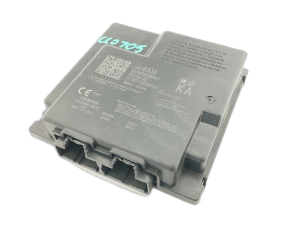
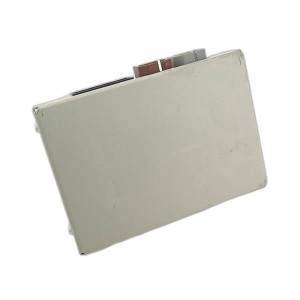
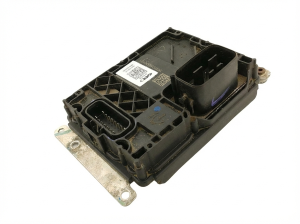
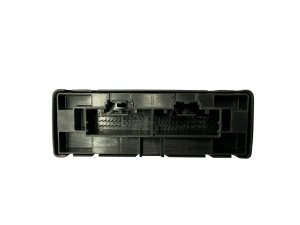
- Body Control Module (BCM)
(OEM #13524922, 13534190, 13522387 (Part numbers can vary by year and options, always verify with VIN))— This module is frequently damaged by water from a leaking HVAC drain hose, as noted in TSB 21-NA-183, causing code B3135 and other electrical faults. Replacement requires programming.
Trusted brands: ACDelco (GM Genuine)
OEM price range: $250-$450
Aftermarket price range: $150-$300 - Wiring Connector Repair Kit — If water intrusion at the A-pillar connectors (X500/X600) is the cause, the terminals or connector body may be too corroded to save and will require replacement.
Trusted brands: ACDelco, Dorman
OEM price range: $40-$100
Aftermarket price range: $20-$60 - Zip Tie — A simple but crucial part for the fix outlined in TSB 21-NA-183, used to secure the HVAC drain hose and prevent it from leaking onto the BCM.
OEM price range: $1
Aftermarket price range: $1
Related Codes That Often Appear With This One
- B3125 — This code is for the 'Driver Door Only Unlock Circuit'. It often appears with B3135 because the same water intrusion or wiring issue affects multiple circuits controlled by the BCM.
- B3130 — This code is for the 'All Doors Unlock Circuit'. Its presence alongside B3135 strongly points to a systemic issue with the BCM or its related wiring, as both lock and unlock commands are affected.
- Various U-codes — U-codes indicate a loss of communication between modules. Water damage to the BCM can disrupt its ability to communicate with other vehicle modules, generating these codes.
Technical Service Bulletins (TSBs) & Recalls
- 21-NA-183: Addresses intermittent door lock operation and other electrical issues caused by water intrusion to the BCM from the HVAC drain hose.
- 23-NA-090: Addresses water intrusion at the front door harness connectors (X500/X600) causing door lock and other electrical DTCs.
- 23-NA-046: Also addresses water intrusion and corrosion at the A-pillar connectors X500/X600, superseding an earlier preliminary bulletin (PIT5608E).
Platform-Specific Known Issues
- A known issue documented in TSB 21-NA-183 describes how a poorly connected HVAC drain hose can leak water onto the BCM, causing corrosion and multiple electrical failures, including door lock problems. The fix involves adding a zip tie for security.
- A separate issue documented in TSB 23-NA-090 identifies water leaks in the A-pillar area (from body plugs, windshield seals, or harness grommets) as a cause for corrosion in the main door harness connectors (X500/X600), leading to this code.
Mechanic-Grade Diagnostic Values
- BCM Operating Voltage — expected: Should be consistently above 11.5 Volts.. Failure: Voltage dropping below 10.5V can cause the BCM to malfunction, setting various codes including B3135.
- Resistance of 'All Doors Lock' Control Circuit to Ground — expected: Infinite resistance (OL on most multimeters).. Failure: Any reading less than infinite resistance indicates a short to ground in the circuit, which is a direct cause for setting code B3135 with a '02' symptom byte.
- Continuity of 'All Doors Lock' Control Circuit — expected: Less than 2.0 Ohms from the BCM connector to the door lock actuator connector.. Failure: A resistance of 2.0 Ohms or higher indicates high resistance or an open in the circuit.
Hidden / Shadow Codes Worth Checking
- B3135 02: Indicates 'All Doors Lock Circuit Short to Ground'. This is the most common variant of the code and points directly to a wiring issue or water-induced short. (see via A professional scan tool like the GM GDS2 will display the two-digit symptom byte after the main DTC.)
- B3135 01: Indicates 'All Doors Lock Circuit Short to Voltage'. This is less common and suggests the control wire is touching a power source. (see via A professional scan tool like the GM GDS2 will display the two-digit symptom byte after the main DTC.)
Scan Tool Commands That Help
- GM GDS2 (Global Diagnostic System 2): Body Control Module > Output Controls > Door Lock/Unlock — After checking for codes, use this bidirectional command to manually trigger the 'All Door Lock' and 'All Door Unlock' functions. If the command fails to operate the locks, it confirms the fault lies within the BCM, wiring, or actuators, and is not a switch or key fob issue.
- GM GDS2: Data Bus Diagnostic Tool > Detected State Test — If multiple 'U' (communication) codes are present with B3135, this function can be used to verify which control modules on the network are actively communicating. This helps determine if the BCM itself is offline due to water damage or a bad ground.
Wiring & Ground Locations
- K9 Body Control Module (BCM) — Inside the passenger cabin, located in the center console area, typically accessed by removing the passenger side trim/kick panel.. The BCM is the source of the command for the door locks. It is the primary location for water damage from the HVAC drain hose per TSB 21-NA-183.
- X500 and X600 Connectors — X500 is the main body-to-door harness connector for the driver's side A-pillar. X600 is the passenger side. They are located between the front door hinges.. These connectors are a known point of water intrusion from A-pillar leaks, as documented in TSB 23-NA-090 and TSB 23-NA-046, causing corrosion that directly affects the door lock circuits.
- Ground Points (e.g., G302, G303, G304) — GM vehicles often locate primary cabin grounds at the base of the B-pillars (the pillar between the front and rear doors). For example, on a similar platform, G302 was found at the base of the right B-pillar.. A poor or corroded ground for the BCM or related components can cause high resistance and erratic behavior, mimicking module failure and potentially setting codes like B3135.
Real Owner Repair Stories
- YouTube channel 'Pine Hollow Auto Diagnostics' (2015 Chevrolet Traverse (previous generation, but demonstrates a key diagnostic principle)) — Intermittent and bizarre electrical problems, including the dash display changing languages and the rear wiper activating on its own. Critically, all problems would disappear when a scan tool was plugged into the DLC.
❌ Tried (didn't work) Initial diagnosis pointed towards multiple failing modules.
✅ What actually fixed it The technician deduced the scan tool was providing a good ground path through the DLC. This led to the discovery of a corroded ground point (G302) at the base of the wet right-side B-pillar. Cleaning and securing the ground connection resolved all electrical issues.
"I Checked Everything" — The Actual Cause
- In one documented case on a similar platform, widespread electrical issues, including those related to the BCM, would resolve whenever a scan tool was connected. This indicated the vehicle was missing a key ground, and the scan tool was providing it through the diagnostic port's ground pins (pins 4 and 5). The root cause was a corroded ground connection at the base of the B-pillar, which had gotten wet.
When the Usual Fixes Don't Work
- While the most common causes for B3135 are water-related failures at the BCM or A-pillar connectors, they are not the only possibilities. If thorough inspection reveals no signs of water or corrosion, the diagnostic path should be expanded. A GM preliminary bulletin points to the possibility of the instrument panel wiring harness chafing on the steering shaft, causing a short. Additionally, a faulty or corroded main ground connection, such as those found at the base of the B-pillars, can cause widespread electrical issues that mimic a failed BCM, as the module lacks a stable ground reference.
OEM Part Supersession History
13519672→13534190— Part revision or update by the manufacturer.
Heads up: While 13534190 is listed as a replacement for 13519672, it is always critical to verify the correct BCM part number for a specific vehicle using its VIN, as hardware can differ based on options.
Model Year Variations Within This Range
- 2021-2023: TSB 23-NA-090, which addresses water leaks at the A-pillar connectors (X500/X600) due to missing body plugs or poor windshield seals, specifically lists 2021-2023 Traverse models. This suggests this particular failure mode may be more common or was identified on these later model years.
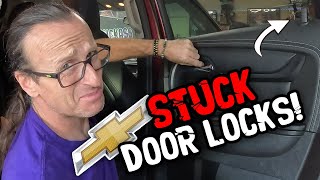
Helpful Videos
We Have This Part in Stock

The information in this article is provided for general reference and educational purposes only. Vehicle specifications, procedures, and part compatibility can vary by production date, trim level, and region. Always consult your vehicle's factory service manual and verify part numbers before purchasing or performing repairs. Safety-critical components such as airbags, seat belts, and braking systems should be installed by a qualified professional.
- Chevrolet TRAVERSE:
- 🧭 Diagnostic Flowchart
- 🎬 Helpful Videos
- 🛍️ Shop This Part
- What's Unique About the 2018-2022 Chevrolet TRAVERSE
- Symptoms You May Notice
- Most Likely Causes
- Rare But Worth Checking
- Diagnosis Steps
- Parts You'll Likely Need
- Related Codes That Often Appear With This One
- Technical Service Bulletins (TSBs) & Recalls
- Platform-Specific Known Issues
- Mechanic-Grade Diagnostic Values
- Hidden / Shadow Codes Worth Checking
- Scan Tool Commands That Help
- Wiring & Ground Locations
- Real Owner Repair Stories
- "I Checked Everything" — The Actual Cause
- When the Usual Fixes Don't Work
- OEM Part Supersession History
- Model Year Variations Within This Range
- 🎟️ Get 5% Off