

B3135 on 2017-2022 GMC Acadia: Door Lock Circuit Malfunction Causes and Fixes
On a 2017-2022 GMC Acadia, code B3135 almost always points to an electrical issue causing door lock failure. The most common causes are water leaking into and corroding door harness connectors (X500, X600) or the Body Control Module (BCM), or a chafed wiring harness near the steering column. These are well-documented issues in GM service bulletins. Repair costs can range from a simple wiring repair to a BCM replacement and programming.
- B3135 on your Acadia is an electrical fault, not a mechanical one. Don't rush to replace the lock actuators.
- The most likely causes are related to water intrusion. Check for damp carpets or signs of corrosion at the BCM (in the center console) and the large connectors between the doors and body.
- Multiple GM service bulletins exist for this exact problem, which can help a technician diagnose it quickly.
- A visual inspection of the wiring harness around the steering shaft for chafing is a quick check that can be performed.
- If the BCM is found to be the cause, it will require replacement and programming, which is not a typical DIY job.
What's Unique About the 2017-2022 Gmc ACADIA
The second-generation GMC Acadia and its C1XX platform mates (Cadillac XT5, Chevy Traverse, etc.) are known to have specific vulnerabilities that lead to code B3135. Multiple GM Technical Service Bulletins (TSBs) point to common manufacturing and design issues, such as improperly sealed body plugs allowing water into critical wiring connectors (X500/X600) and HVAC drain hoses leaking directly onto the Body Control Module. These known issues make diagnosis more direct, as the problem is often not the lock actuator itself, but rather the wiring or a control module affected by water or chafing.
Diagnostic Flowchart
Tap your situation to follow the diagnostic path that matches what you're seeing on this vehicle.
Symptoms You May Notice
- Power door locks are intermittent or completely inoperative.
- Doors lock or unlock by themselves, sometimes while driving.
- Key fob fails to lock or unlock the doors, while other functions like remote start may still work.
- Unwanted horn or hazard flasher operation.
- Other electrical issues may be present, such as unwanted seat movement, a 'No Crank/No Start' condition, or instrument panel lights illuminating 🎬 Watch: Fixing Acadia no-start and door lock issues after rain if the BCM is severely affected.
- 'Service Door Lock System' message may appear on the Driver Information Center (DIC).
- Replacing the key fob battery or the key fob itself. If other fob functions work, the fob is likely not the problem.
- Replacing a door lock actuator before checking for the common water intrusion and wiring chafing issues documented in service bulletins.
Most Likely Causes
- Water Intrusion in Door Harness Connectors 🔴 High Probability TSB #23-NA-046 and PIT5606J identify that water can leak past poorly-sealed body plugs in the 'A' hinge pillar, dripping directly onto the main door-to-body harness connectors, specifically X500 (Driver side) and X600 (Passenger side). This causes blue or green corrosion and short circuits. TSB PIT5606J notes that for early production vehicles, GM changed the body plugs from 29mm to 30mm to fix this sealing issue.
How to confirm: Disconnect the large electrical connectors located in the rubber boot between the door and the vehicle body. Inspect both sides of the connectors for blue or green corrosion, or any signs of moisture. This is a very common point of failure.
Typical fix: The affected connector terminals must be cleaned or replaced. In severe cases, a new connector pigtail is spliced in. 🎬 See this walkthrough on replacing corroded and broken electrical connectors The source of the water leak (usually a poorly sealed body plug, part number 25883487) must be found and sealed with automotive-grade sealant.
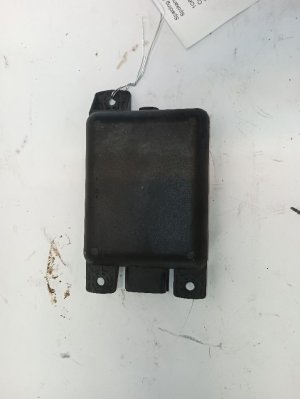
Est. part cost: $10-$75 - Water Intrusion into Body Control Module (BCM) 🟡 Medium Probability → Shop Body Control Module TSB #21-NA-183 specifically calls out a condition where the HVAC drain hose can leak water onto the BCM, which is located in the center console area, just ahead of the shifter. This leads to internal corrosion and failure of the module, causing a wide range of electrical problems including B3135.
How to confirm: Remove the floor console extension panels (passenger side provides the best view) and inspect the BCM and its connectors for any signs of water, staining, or corrosion. Running the A/C on high for an extended period may reveal the drip.
Typical fix: If the BCM is corroded, it must be replaced and programmed by a dealer or a qualified shop with SPS2 software. The HVAC drain hose must also be secured with a zip tie to prevent future leaks, as per the TSB.
Est. part cost: $300-$500 - Chafed Instrument Panel (IP) Wiring Harness ⚪ Low Probability TSB PIT5606J notes that the IP wiring harness can rub against the rotating intermediate steering shaft (I-shaft) under the dashboard, eventually wearing through the insulation and causing a short circuit.
How to confirm: Visually inspect the wiring harness at the base of the steering column for any signs of chafing or exposed copper wires where it passes near the rotating I-shaft.
Typical fix: Repair the damaged wires using approved methods (solder and heat shrink) and use a zip tie to secure the harness away from the I-shaft to prevent recurrence.
Est. part cost: $5-$15
Rare But Worth Checking
- Faulty Door Lock Actuator: While a failed lock actuator can cause door lock issues, the prevalence of wiring and module problems documented in TSBs for this specific vehicle makes the actuator a less likely primary cause for code B3135. It should be considered only after inspecting for the more common TSB-related issues. If all locks fail at once, the issue is almost certainly not the actuators.
Diagnosis Steps
- Scan the Body Control Module (BCM) for B3135 and any other related codes (B3125, B3130, U-codes). Note the symptom code (e.g., sym02) if available.
- Per TSB #21-NA-183, remove the right front floor console panel and inspect the BCM and its wiring for any signs of water intrusion or corrosion. The BCM is located toward the front of the center console.
- If no water is found at the BCM, move to the A-pillars. Pull back the rubber boot between the body and the driver's door to access connector X500. Disconnect it and inspect both sides for green/blue corrosion. Repeat for the passenger side connector X600. This is a primary failure point per TSB #23-NA-046.
- Inspect the body plugs in the hinge pillar above the connectors. Ensure they are the correct 30mm size and are properly sealed. If not, replace and seal them to prevent a repeat failure.
- Inspect the instrument panel wiring harness near the steering I-shaft for chafing, as described in TSB PIT5606J.
- If all wiring and the BCM appear clean and undamaged, test the door lock circuit for a short to ground using a multimeter, following service manual procedures.
- If the circuit tests normal, the final step would be to suspect a faulty door lock actuator assembly, though this is the least likely cause on this platform.
Parts You'll Likely Need
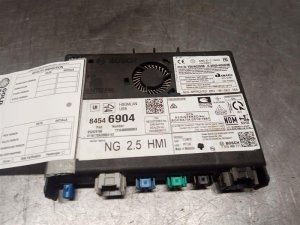
- Body Control Module (BCM)
(OEM #13524922 (example, verify with VIN))— This is the most likely part to need replacement if TSB #21-NA-183 is relevant and the module has suffered water damage from the HVAC drain. Requires programming. Part number is dependent on vehicle options.
Trusted brands: ACDelco
OEM price range: $300-$500
Aftermarket price range: $200-$400 - Wiring Harness Connector Repair Kit/Pigtail
(OEM #PT2550 (example, verify specific connector))— If water intrusion has corroded the door harness connectors (X500, X600), the terminals or the entire connector housing may need to be replaced.
Trusted brands: ACDelco, Dorman
OEM price range: $25-$75
Aftermarket price range: $15-$50 - Body Plug
(OEM #25883487)— This 30mm plug is the updated part specified in TSBs to fix the water leak source in the A-pillar that damages the door connectors.
Trusted brands: ACDelco
OEM price range: $5-$10
Related Codes That Often Appear With This One
- B3125 — This code relates to a fault in the driver's door unlock circuit. It often appears with B3135 as they are part of the same system and can be caused by the same underlying electrical issues.
- B3130 — This code indicates a fault in the 'All Doors Unlock' circuit. It is frequently stored alongside B3135 due to shared wiring and control modules.
- Various U-codes (e.g., U0140, U0073) — If the BCM is failing due to water damage or a harness is shorting, it can cause communication loss with other modules on the vehicle's network, resulting in various 'U' (Network) codes. TSB PIT5606J lists dozens of potential U-codes that can accompany this condition.
Technical Service Bulletins (TSBs) & Recalls
- 21-NA-183: Intermittent Door Locks Inoperative, DTCs B3125, B3130, B3135... due to water intrusion into the BCM from a leaking HVAC drain hose. Affects Acadia, XT5, Traverse, Enclave, and Blazer.
- PIT5606J: Power Door Locks Cycle or Intermittently Inoperative with DTC's B3125, B3130, B3135 due to IP harness chafing or water intrusion at the BCM or various body connectors (X500, X600, etc.).
- 23-NA-046: Power Door Lock Cycle Inoperative... DTC B3135 Set due to water leaking past A-pillar body plugs causing corrosion in door harness connectors. This
Platform-Specific Known Issues
- TSB #21-NA-183 documents a known issue where the HVAC drain hose can leak, causing water damage to the Body Control Module (BCM), leading to various electrical faults including B3135.
- TSB PIT5606J and its successor TSB #23-NA-046 describe two common failure points: water intrusion into door harness connectors (X500/X600) from poorly sealed body plugs, and the instrument panel harness chafing on the steering shaft.
Mechanic-Grade Diagnostic Values
- All Doors Lock Control Circuit Resistance to Ground — expected: Infinite resistance (OL). Failure: Any reading less than infinite resistance indicates a short to ground in the circuit.
- BCM B+ Circuit Voltage — expected: A test lamp should illuminate between the B+ circuit terminal (e.g., Terminal 4 at connector X2) and ground.. Failure: If the test lamp does not illuminate, it indicates an open, high resistance, or short to ground in the B+ supply circuit to the BCM.
Hidden / Shadow Codes Worth Checking
- B3135 02: This is a symptom sub-code indicating 'All Doors Lock Circuit Short to Ground'. It confirms the BCM has specifically detected that the control circuit is shorted to ground when it attempted to command the doors to lock. (see via A professional GM-compliant scan tool, such as a GDS2 (Global Diagnostic System 2), is required to view these symptom codes.)
Scan Tool Commands That Help
- GDS2 (GM Global Diagnostic System 2): Body Control Module > Control Functions > Vehicle Access > All Door Lock/Unlock — This bidirectional command allows a technician to manually command the BCM to lock and unlock the doors. If the doors fail to respond to the command, it helps isolate the fault to the BCM's output driver, the wiring, or the actuators, bypassing the input switches and key fob.
Wiring & Ground Locations
- K9 Body Control Module (BCM) — Located in the center console area, typically accessible by removing the passenger side floor console extension panel.. The BCM is the module that sets code B3135. It is a common failure point due to its vulnerability to water damage from a leaking HVAC drain hose as per TSB 21-NA-183.
- X500 Connector — The main body-to-door harness connector located in the driver's side 'A' hinge pillar, accessible by pulling back the rubber boot.. This connector is a primary point for water intrusion from poorly sealed body plugs located above it, leading to corrosion and short circuits that cause B3135.
- X600 Connector — The main body-to-door harness connector located in the passenger's side 'A' hinge pillar, accessible by pulling back the rubber boot.. Like X500, this connector is highly susceptible to water damage and corrosion from leaks in the A-pillar, causing identical door lock and electrical issues.
Real Owner Repair Stories
- YouTube channel 'How To Corie' (2018 GMC Acadia) — After a hard rain, the vehicle would not start and the doors would not unlock. The owner was eventually able to get the doors to unlock with the fob but had a no-crank condition.
❌ Tried (didn't work) Silicone around the driver's side window from a previous leak. Placing the key fob in the transmitter pocket in the center console.
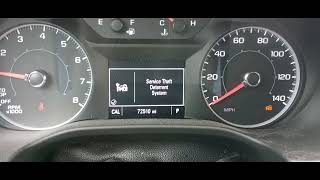
✅ What actually fixed it The owner disconnected the battery, then reconnected it. The vehicle was still in a key programming mode. Holding the start/stop button for 12 seconds cleared the mode, allowed the vehicle to start, and restored function, though it left a 'Service Theft Deterrent System' message. This highlights the electrical chaos caused by water ingress.
Model Year Variations Within This Range
- 2017 - Early 2019: Vehicles built prior to February 14, 2019, were assembled with 29mm body plugs in the A-pillar. TSB PIT5606J indicates these were prone to leaking and were updated to a better-sealing 30mm plug (PN 25883487) on later models to prevent water from corroding the X500/X600 connectors.
Helpful Videos

We Have This Part in Stock
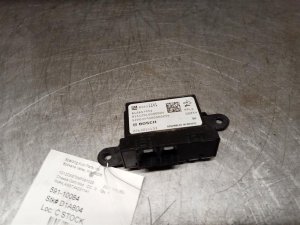
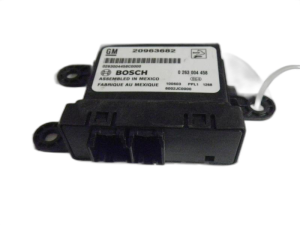
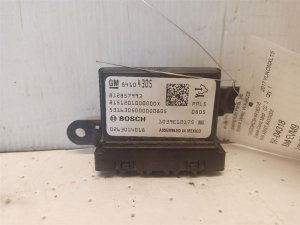

The information in this article is provided for general reference and educational purposes only. Vehicle specifications, procedures, and part compatibility can vary by production date, trim level, and region. Always consult your vehicle's factory service manual and verify part numbers before purchasing or performing repairs. Safety-critical components such as airbags, seat belts, and braking systems should be installed by a qualified professional.
- Gmc ACADIA:
- 🧭 Diagnostic Flowchart
- 🎬 Helpful Videos
- 🛍️ Shop This Part
- What's Unique About the 2017-2022 Gmc ACADIA
- Symptoms You May Notice
- Most Likely Causes
- Rare But Worth Checking
- Diagnosis Steps
- Parts You'll Likely Need
- Related Codes That Often Appear With This One
- Technical Service Bulletins (TSBs) & Recalls
- Platform-Specific Known Issues
- Mechanic-Grade Diagnostic Values
- Hidden / Shadow Codes Worth Checking
- Scan Tool Commands That Help
- Wiring & Ground Locations
- Real Owner Repair Stories
- Model Year Variations Within This Range
- 🎟️ Get 5% Off