

OBD-II Code B3715: Windshield Wiper Park/Control Circuit Malfunction
The Ultimate Guide to B3715: What it means, why it triggers, and how to fix it for good.
- Code B3715 indicates a failure in the wiper park circuit, causing wipers to stop mid-windshield instead of returning to their resting position.
- On 2004-2012 GM trucks, over 80% of B3715 codes are caused by a broken yellow wire (Circuit 196) in the engine harness, not a failed wiper motor.
- Test the park signal wire for continuity (under 5.0 ohms) and swap the wiper relay before spending $200+ on a replacement wiper motor.
- Never replace the steering column multifunction switch to fix B3715; this code flags an output circuit failure, not an input switch problem.
What Does B3715 Mean?
Trouble code B3715 indicates the Body Control Module (BCM) detected a fault in the windshield wiper system. The BCM lost the signal from the wiper motor's internal 'park switch'. This switch tells the BCM when the wipers reach their resting position at the bottom of the windshield. Without this signal, the BCM cannot determine wiper position and loses the ability to park them correctly.
Technical definition: The SAE definition for B3715 varies by manufacturer. General Motors defines it as: The signal circuit of the windshield wiper motor park switch has not transitioned from a high to a low state when commanded on. On other models, like the Saab 9-5 or Chevrolet Silverado, it indicates a short to ground, short to battery, or an open in the wiper relay control circuit.
Can I Drive With B3715?
Yes, But With Caution. You can drive your vehicle, but it is a significant safety risk. The wipers fail suddenly, stop in a position that blocks your view, or do not turn on at all. Impaired visibility causes a high percentage of weather-related fatal accidents. Drive in clear weather only until the issue is fixed.
Common Causes
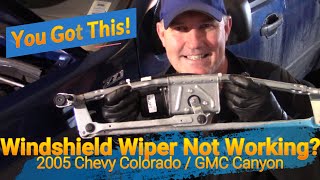
- Broken wire in the wiper motor park signal circuit. (Very Common) — This is the most frequent cause, especially on GM trucks like the Colorado and Canyon. 🎬 Watch: How to fix wipers on Colorado, Canyon, and Hummer models. A specific wire (often yellow, circuit 196) in the harness between the BCM and the wiper motor breaks due to chafing, causing a complete loss of signal.
- Failed internal park switch in the wiper motor. (Common) — The wiper motor contains a small switch that signals its park position. This switch wears out or fails mechanically, requiring a replacement of the entire wiper motor assembly since the switch is not sold separately.
- Faulty windshield wiper relay. (Less Common) — The relay is an electronic switch the BCM uses to send power to the wiper motor. An internal relay failure, or installing an incorrect relay type, disrupts wiper functions and triggers this code.
- Blown wiper fuse. (Less Common) — A blown fuse for the wiper system cuts power to the relay or motor, leading to B3715 in some systems. This is often a symptom of a short circuit elsewhere.
- Corroded or damaged wiper motor connector. (Less Common) — The electrical connector at the wiper motor is exposed to the elements. Moisture and vibration cause corrosion on the pins, leading to high resistance or a lost connection on the park signal circuit.
- Poor ground connection at the wiper motor. (Rare) — The wiper motor requires a solid connection to the vehicle's chassis to operate correctly. Corrosion or a loose ground wire causes erratic behavior and electrical faults.
- Faulty Body Control Module (BCM). (Very Rare) — The BCM controls the wipers. The BCM's internal driver circuit occasionally fails, but this is the least likely cause and requires exhaustively ruling out all wiring and motor issues first.
Symptoms
- Wipers stop in the middle of the windshield. — The wipers stop in a random position on the glass instead of returning to the base of the windshield when turned off. 🎬 See why your wipers won't park in the correct position.
- Wipers cycle on their own at startup. — The wipers turn on for one to three sweeps when you start the vehicle, even if the wiper switch is in the 'off' position.
- Intermittent or low-speed functions fail. — The system defaults to a single speed (usually high speed) as a failsafe mode, leaving the low-speed and intermittent settings inoperative.
- Wipers do not work at all. — The fault prevents the wipers from turning on in any mode, typically when a fuse blows or a relay completely fails.
Diagnostic Flowchart
Tap your situation to follow the diagnostic path that matches what you're seeing on this code.
Common Fixes & Costs
- Repair broken wire in harness — Parts: $5-$15, Labor: $150-$300, ~1.5 hr book time (Intermediate)
- Replace wiper relay — Parts: $15-$30, Labor: $0-$50, ~0.1 hr book time (DIY)
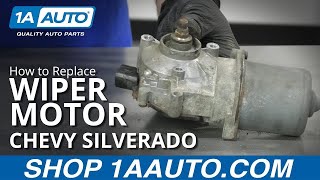
- Replace windshield wiper motor assembly — Parts: $80-$250, Labor: $150-$300, ~1.5 hr book time (DIY)
- Replace wiper motor connector pigtail — Parts: $15-$40, Labor: $75-$150, ~1 hr book time (Intermediate)
- Replace Body Control Module (BCM) — Parts: $300-$700, Labor: $150-$300, ~2 hr book time (Professional)
Used vs. New Parts: Buying Guide
When a used part is worth it: A used OEM wiper motor from a low-mileage donor vehicle is a cost-effective option for older vehicles where the cost of a new part is a significant portion of the car's value. Verify the donor vehicle was not scrapped due to flood or front-end collision damage.
Donor-vehicle mileage cap: roughly under 75000 miles for the part to have meaningful remaining life.
Donor quality checklist:
- Verify the part number matches your original motor exactly.
- Purchase from a reputable salvage yard offering a 30-90 day warranty.
- Inspect the electrical connector for signs of corrosion, melting, or damage.
- Avoid parts from vehicles in regions with heavy road salt usage.
Decision logic:
- If The fault is a broken wire, not the motor itself → Do not buy a motor; repair the wire for a fraction of the cost.
- If The vehicle is less than 10 years old and you plan to keep it long-term → Buy a new OEM or high-quality aftermarket part for maximum reliability and warranty.
- If Budget is the primary concern and the vehicle is older → A used motor is an acceptable risk, provided it comes with a warranty.
Warranty tradeoff: Used parts typically have a 30-90 day functional warranty. New aftermarket parts come with a 1-year to limited lifetime warranty. New OEM parts carry a 12-month manufacturer's warranty.
Worst-case if a used part fails: $200-$450 if a used motor fails shortly after the warranty period, requiring repeat labor and parts.
What Happens If You Wait — Timeline
- 0-1 month: Intermittent failure. Wipers occasionally fail to park correctly or sweep once on startup. The Check Engine Light may or may not illuminate. (MPG impact: 0%% · Added cost: $0)
- 1-3 months: Consistent failure. Wipers fail to park correctly every time they are used. The driver must time the switch to stop the blades in a less obstructive position, creating a constant distraction. (MPG impact: 0%% · Added cost: $50-$150 in potential fines for non-functional safety equipment or a failed state inspection.)
- 3-6 months: Progressive failure of other functions. The low-speed or intermittent settings stop working, leaving only high speed. The entire system becomes inoperative if the root cause is a failing relay. (MPG impact: 0%% · Added cost: $20-$60 for wiper blades that become deformed from stopping mid-windshield. Potential for a scratched windshield if worn blades expose metal ($200+ repair).)
- 6+ months: Catastrophic failure. The wipers fail completely during a critical moment, such as a sudden downpour on the highway, leading to a total loss of visibility and high crash risk. (MPG impact: 0%% · Added cost: $500 - $10,000+ representing the cost of an insurance deductible, vehicle repairs, liability, and potential medical bills resulting from an accident.)
Cost of Not Fixing It
- Immediate: Major safety hazard. Sudden failure of wipers in rain or snow causes a complete loss of visibility, leading to a high risk of a crash. (Added cost: Cost of an accident, including insurance deductible, vehicle repair, and potential liability.)
- 1-3 months: Failure to pass a state safety inspection. Most states require functional windshield wipers to pass mandatory vehicle inspections. (Added cost: Cost of fines, re-inspection fees, and potential vehicle impoundment.)
- 3+ months: Damage to wiper blades or windshield. If wipers stop mid-swipe and are left in place, the blades become permanently deformed. A malfunctioning system causes the wiper arms to scratch the windshield. (Added cost: $20-$60 for new wiper blades, or $300-$1000+ for windshield replacement.)
Diagnosis Steps
- Read the Trouble Codes
Use an OBD-II scanner capable of reading Body Control Module (BCM) codes to confirm B3715 is active. Note related codes like B3718, which point to the exact same open circuit fault.
Tools: OBD-II Scanner (with BCM capability) (Beginner) - Inspect the Wiring Harness (GM Trucks)
Visually inspect the wiring harness running from the firewall to the wiper motor. On GM trucks, check the area under the EBCM bracket and the harness section 8-12 inches from the BCM connector behind the passenger kick panel for a broken yellow wire (Circuit 196).
Tools: Flashlight, Trim Removal Tools (Beginner) - Test the Wiper Relay by Swapping
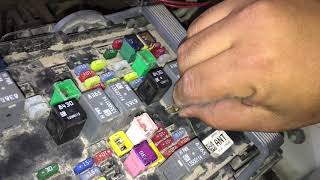
Locate the wiper relay in the underhood fuse box. Swap it with an identical relay from a non-critical system (like the horn). If the wipers start working correctly, the original relay is bad.
Tools: None (Beginner) - Test the Park Signal Circuit Continuity
Disconnect the BCM and wiper motor connectors. Use a multimeter to measure the resistance between the corresponding pins on the park signal wire. A reading under 5.0 ohms is good. An infinite resistance ('OL') reading confirms the wire is broken.
Tools: Multimeter, Wiring Diagram (Intermediate) - [PRO TIP] Check Park Switch Signal Voltage
With connectors plugged in, back-probe the park signal wire at the BCM. When wipers are moving, voltage should be near 12V. When wipers park, voltage drops to near 0V. If voltage stays high constantly, the BCM is not receiving the park signal.
Tools: Multimeter (with back-probes) (Advanced) - [PRO TIP] Monitor Live Data with a Scan Tool
Using a bi-directional scan tool, monitor the 'Wiper Park Switch' parameter. The status should toggle between 'Active/High' and 'Inactive/Low' as the wipers move. A status stuck on 'Active' confirms a lost signal.
Tools: Bi-directional OBD-II Scanner (Advanced) - Perform a Relay Bench Test
Remove the wiper relay. Measure resistance between terminals 85 and 86 (coil circuit); it should read 60-200 ohms. Check resistance between terminals 30 and 87A (normally closed contacts); it should be less than 5 ohms.
Tools: Multimeter, Relay Puller Pliers (Advanced) - Check the Wiper Motor Ground
Ensure the wiper motor's ground wire has a clean, tight connection to the chassis. Check for low resistance (less than 1 ohm) between the ground pin on the motor's connector and a known good ground point.
Tools: Wrench/Socket Set, Multimeter (Intermediate) - Test or Replace the Wiper Motor
If all wiring, relays, and grounds test good, the internal park switch within the wiper motor has failed. Replace the wiper motor assembly.
Tools: Socket Set, Trim Removal Tools (DIY)
When This Code Triggers (Freeze-Frame Conditions)
- Battery Voltage: 11-14V (During normal operation when the fault was detected.)
- Ignition Status: RUN (The fault sets when the ignition is on and the wipers are commanded.)
- Ignition Cycles Since Fault: 0 (Indicates the fault occurred on the current ignition cycle.)
- Fault Occurrence Counter: 1-255 (Counts how many times the specific fault condition has been met.)
Related Codes
- B3718 — This code for 'Front Wiper Relay Drive Circuit High' is the most common companion to B3715. GM Service Bulletin PIT3827D notes they indicate the exact same root cause: an open in the park circuit wire.
- B3717 / B3719 — These codes indicate a 'low voltage' or 'open' on the wiper relay's supply circuit. B3715 points to the park position signal from the motor, while B3717/B3719 point to a problem with the power supply to the relay itself.
- B3875 — Specifies a fault in the 'Windshield Wiper High Speed Relay Circuit'. If both B3715 and B3875 are present, it indicates a wider electrical problem, a faulty fuse block, or a faulty BCM.
- B3716 — Indicates the BCM detected an erratic or illogical park switch signal. This is caused by a corroded connector or a failing park switch inside the motor, rather than a completely broken wire.
Climate & Environmental Factors
- Cold Weather / Ice & Snow: Cold temperatures make wire insulation brittle and prone to cracking at chafe points. Increased load from clearing heavy snow strains the motor and blows fuses, masking the underlying B3715 code.
- Humidity and Road Salt: High humidity or road salt accelerates corrosion on electrical connectors, relay pins, and chassis ground points. A corroded connector pin causes high resistance and triggers this code.
How to Talk to a Mechanic About This Code
Say this: "I have a B3715 code and my wipers are not parking correctly. On my [Make/Model], I understand this is often caused by a broken wire in the harness per TSB PIT3827D. I would like to authorize one hour of diagnostic time to specifically test the continuity of the park signal wire before we discuss replacing the wiper motor."
This signals to the shop that you are an informed customer. It directs them to the most common and cheapest fix first, preventing them from immediately replacing an expensive wiper motor when a simple wire repair is needed. It sets a clear budget for the initial diagnosis.
Avoid saying:
- My wipers are acting weird.
- Just fix the check engine light.
- I think I need a new wiper motor.
Questions to ask before authorizing the repair:
- What was the result of the continuity test on the park signal wire? Was the resistance high or was it an open circuit?
- If you are recommending a motor replacement, can you confirm that you have already ruled out the wiring and the relay as the cause?
- Is the proposed repair for the wire itself or a replacement of the motor?
- Can you show me the broken wire or the failed part?
Where to Take It: Dealer vs Independent vs Chain
- Dealer:
Recommended only if the vehicle is under warranty or if diagnosis confirms a failed BCM requiring programming. For a common wire break, they are a more expensive option.
Best for: Vehicles still under warranty, Confirmed BCM failures requiring programming, Recalls, like the 2011 GM wiper linkage issue
Downsides: Higher labor rates., May prefer to replace a full harness or motor assembly rather than perform a targeted wire repair. (Typical cost: +50% vs. baseline) - Independent Shop:
Best fit. An experienced independent technician is equipped to perform the cost-effective wire repair rather than defaulting to a full harness replacement.
Best for: Out-of-warranty vehicles, especially GM trucks., Diagnosing and repairing the common broken wire (TSB PIT3827D)., Cost-effective diagnosis and repair.
Downsides: Shop quality and electrical expertise vary; check reviews and ASE certifications. (Typical cost: +0% vs. baseline) - Chain Shop:
Use with caution. Acceptable for a simple relay swap, but technicians often lack the advanced electrical diagnostic experience to trace a broken wire.
Best for: Simple part swaps like a wiper relay or wiper blades.
Downsides: Technicians often lack the advanced electrical diagnostic experience to trace a broken wire in a harness., More likely to recommend a full wiper motor replacement by default. (Typical cost: -10% vs. baseline)
When to Walk Away From the Repair
If the estimated repair cost exceeds 50% of the car's private-party value, evaluate your options. However, since functional wipers are a critical safety item required for state inspections, this repair is rarely optional if you intend to keep driving the car.
- Car worth $5000, fix is $450: Fix it. The repair cost is only 9% of the vehicle's value and is essential for safety and legality.
- Car worth $2500, fix is $1200: Borderline. If the $1200 quote is for a BCM replacement and the car has other issues, this approaches the 50% threshold. Get a second opinion to confirm the BCM is truly the fault.
- Car worth $1500, fix is $550: Walk away only if the car has other significant problems. While the repair is 37% of the car's value, you cannot legally or safely drive it without functional wipers.
What Scan Tool You Need for This Code
Minimum: A scan tool that can read Body Control Module (BCM) codes. Standard $20 engine code readers will not see 'B' codes like B3715.
A basic OBD-II reader only scans for powertrain ('P') codes. It shows 'No Codes' even when a BCM fault like B3715 is active, leading to a dead-end diagnosis.
Budget: BlueDriver Pro Scan Tool (~$100) — Reads and clears BCM codes on most major makes, including GM. It allows you to confirm the B3715 code is present and view freeze-frame data, which is sufficient for a DIYer to begin the diagnosis.
Mid-range: Foxwell NT510 Elite (with GM Software) (~$180) — Provides OE-level diagnostics for GM. It reads BCM live data, allowing you to watch the 'Wiper Park Switch' status in real-time to see if the signal is reaching the BCM.
Professional: Autel MaxiCOM MK808S/MK808BT (~$400-550) — Offers full bidirectional control. This allows you to command the wiper motor and relays on and off directly from the tool, which is the fastest way to isolate the fault between the BCM, wiring, relay, and motor.
Rent vs buy: Buy. Most free rental tools from auto parts stores are basic engine code readers that cannot read BCM codes. To diagnose B3715 yourself, you need to purchase a capable scanner.
How to Clear the Code After You Fix It
- Use an OBD-II scan tool capable of reading BCM codes to clear the fault.
- Cycle the wipers through all modes (intermittent, low, high, and off) to confirm the repair.
- Turn the ignition off and then back on to ensure the code does not return as a current fault.
Drive cycle (~5 minutes): A specific drive cycle is not required. After clearing the code, operate the wiper system to allow the BCM to re-run its internal self-test. The code moves from 'current' to 'history' status immediately if the repair is successful. A history code clears on its own after 50 to 100 fault-free ignition cycles.
Readiness monitors affected: None
Watch out for:
- Disconnecting the battery does not clear the code from the BCM's memory.
- The code returns immediately upon using the wipers if the root cause has not been fixed.
Will This Fail Emissions / State Inspection?
No — by itself this code doesn't fail OBD inspection (but it can keep readiness monitors from setting, which causes a separate fail).
- California: This code will not cause a failure of the OBD-II emissions (smog) test. However, inoperative wipers fail the separate vehicle safety inspection.
- New York: New York requires an annual safety inspection that explicitly checks for functional windshield wipers. Inoperative wipers result in an automatic failure.
- Texas: As of 2025, most non-commercial vehicles are exempt from the safety inspection but must pass an emissions test in certain counties. State law still requires functional wipers, and you can be ticketed for the violation.
Most Commonly Affected Vehicles
- Chevrolet Colorado (2004-2012) — Extremely common issue due to a broken yellow wire (circuit 196) in the harness, documented in GM TSB PIT3827D.
- GMC Canyon (2004-2012) — Shares the same platform and wiring harness as the Chevrolet Colorado, making it prone to the exact same broken wire issue.
- Chevrolet Silverado (2007-2013) — On these models, B3715 means 'Front Wiper Relay Drive Circuit Short to Ground', pointing to a fault in the relay control circuit rather than the park switch signal.
- Chevrolet Equinox (2007-2009) — The B3715 code points to issues within the wiper relay and control circuits managed by the BCM for intermittent wipe functions.
- Hummer H3 (2006-2010) — Built on the same GMT355 platform as the Colorado and Canyon, suffering from the same common failure of the yellow wiper park signal wire.
- Isuzu i-Series (i-280, i-290, i-350, i-370) (2006-2008) — A rebadged version of the Colorado/Canyon, affected by the known wiring problem in circuit 196.
- Chevrolet Cobalt (2005-2010) — Points to a fault where the BCM does not see the park switch signal transition from high to low when the wipers activate.
- Pontiac Pursuit (2005-2006) — As a rebadged Chevrolet Cobalt, the Pursuit experiences the same B3715 code related to the wiper park switch circuit.
- Ford Transit (2015-2020) — Wiper park and speed control issues involve the same components. The BCM provides a ground signal to activate the relays, making diagnostic principles identical.
- Saab 9-5 (2011) — B3715 has specific sub-codes: '01' for Short to Battery, '02' for Short to Ground, and '04' for Open Circuit, pointing to a fault in the wiper relay drive circuit.
Manufacturer-Specific Notes
- General Motors (Colorado/Canyon/H3): GM issued TSB PIT3827D for 2004-2012 models. It explicitly identifies the cause of B3715 and B3718 as a broken yellow wire (circuit 196) in the engine bay harness, with specific chafe points under the EBCM bracket or near the BCM.
- Chevrolet (Silverado): On 2007-2013 Silverado trucks, B3715 (specifically with a '02' suffix) is defined as 'Front Wiper Relay Drive Circuit Short to Ground'. Diagnostic focus shifts to the control wire from the BCM to the relay, rather than the park signal wire.
- Saab (9-5): The 2011 Saab 9-5 uses two-digit failure mode indicators: B3715 01 (Short to Battery), B3715 02 (Short to Ground), or B3715 04 (Open Circuit), allowing technicians to immediately know the nature of the electrical fault.
- Ford: On Ford vehicles like the Transit, the BCM supplies a ground signal to activate the wiper relays. While they may not store a B3715 code for a park failure, the symptoms and diagnostic components are functionally identical.
Real Owner Stories
2006 Chevy Colorado, 115K miles - The Classic Broken Wire
Wipers started sweeping 2-3 times on startup and then stopping in the middle of the windshield. Low speed didn't work, but high speed did. Codes B3715 and B3718 were present.
What they tried:
- Initially suspected the wiper motor or the column switch.
- After finding GM TSB PIT3827D online, decided to inspect the wiring harness first.
Outcome: Found the yellow wire (circuit 196) broken inside the harness loom, 10 inches from the BCM connector. Repaired the wire with a butt connector and heat shrink for under $10. Wipers immediately began parking correctly.
Lesson: On a GM GMT355 platform truck, always suspect the broken yellow wire first for B3715/B3718. A 30-minute inspection saves you from buying a $200 wiper motor you don't need.
2002 Lexus ES300, ~150K miles - Misdiagnosis Leads to Relay
Wipers only worked on the highest speed and would not park, stopping wherever they were when switched off. No intermittent or low speed function.
What they tried:
- A mechanic diagnosed a bad wiper motor and replaced it, but the problem remained.
- Owner researched forums and found similar symptoms pointing to the 'Wiper Motor Relay Module'.
Outcome: Purchased a used relay module for $30. Swapping the module fixed the low-speed and parking issue instantly.
Lesson: Symptoms like 'high speed only' point to a failure in the low-speed circuit component, not necessarily the motor itself. A relay is a cheaper and easier part to replace for testing before committing to a motor replacement.
2011 Chevy Silverado, 88K miles - A Different Kind of B3715
Wipers suddenly stopped working on all speeds during a rainstorm. Code B3715 was stored with a '02' suffix indicating 'Short to Ground'.
What they tried:
- Checked the main wiper fuse, which was good.
- Swapped the wiper relay with the horn relay, but nothing changed.
- A shop diagnosed the issue using the specific GM procedure for this code on a Silverado.
Outcome: The diagnostic pointed to a faulty underhood fuse block. The internal circuits connecting the BCM's command to the wiper relay failed. Replacing the fuse block restored all wiper functions.
Lesson: The same code (B3715) has different meanings on different vehicles. On a Silverado, it points to a relay control circuit fault, not the park switch signal like on a Colorado.
How to Prevent This Code From Triggering
- Protect Wiring Harness Chafe Points (Once, during any under-hood service) — The most common failure is a wire breaking from rubbing against a bracket. Inspect known chafe points and proactively wrap the harness with high-temperature cloth tape or split loom tubing.
- Apply Dielectric Grease to Connectors (Every 3-5 years or when disconnected) — Applying dielectric grease to the wiper motor and relay connector seals out moisture, preventing corrosion that causes high resistance and signal loss.
- Lift Wipers Before Scraping Ice (During winter weather) — Forcing the wipers to move when frozen to the windshield puts immense strain on the motor, linkage, and fuses, leading to electrical or mechanical failures.
- Clean Cowl and Wiper Blades Regularly (Every 3-6 months) — Debris clogs the cowl drain, causing water to pool around the wiper motor and accelerate corrosion. Cleaning wiper blades removes grime and reduces drag on the motor.
- Replace Wiper Blades Annually (Every 6-12 months) — Worn, chattering blades create excess friction and load on the wiper motor. Replacing them ensures smooth operation and reduces long-term strain on electrical circuits.
Frequently Asked Questions
Why do my wipers stop in the middle of the windshield?
The car's computer (BCM) lost the signal indicating wiper position. Without this signal, it cannot command them to return to their resting 'park' position at the bottom of the windshield.
Can I just replace the wiper motor to fix a B3715 code?
You can, but it often does not solve the problem. The most common cause on GM trucks is a broken wire, not a bad motor. Test wiring continuity first to avoid wasting money.
What is the difference between B3715 on a Colorado vs. a Silverado?
On a Colorado, B3715 almost always points to a broken wire for the park switch signal. On a Silverado, it indicates a 'Short to Ground' in the wiper relay control circuit, requiring a different diagnostic approach.
What is the most common misdiagnosis for B3715?
The most common mistake is replacing the wiper motor assembly when the actual fault is a broken wire in the harness. Another error is replacing the multifunction wiper switch on the steering column, which is an input and does not cause this output code.
Is it safe to drive with code B3715?
It is unsafe to drive in any weather requiring wipers. Sudden failure in rain or snow causes a complete loss of visibility and a high crash risk. Drive only in clear, dry conditions until repaired.
How much does it cost to fix B3715?
A broken wire repair costs between $150 and $300, mostly for labor. Replacing the wiper motor costs between $230 and $550 for parts and labor, depending on the vehicle.
Can a bad fuse cause code B3715?
Yes. A blown wiper system fuse interrupts power to the control circuits, triggering a B3715 code. If your wipers are completely inoperative, check the fuse box first.
Key Takeaways
- Code B3715 indicates a failure in the wiper park circuit, causing wipers to stop mid-windshield instead of returning to their resting position.
- On 2004-2012 GM trucks, over 80% of B3715 codes are caused by a broken yellow wire (Circuit 196) in the engine harness, not a failed wiper motor.
- Test the park signal wire for continuity (under 5.0 ohms) and swap the wiper relay before spending $200+ on a replacement wiper motor.
- Never replace the steering column multifunction switch to fix B3715; this code flags an output circuit failure, not an input switch problem.
Helpful Videos
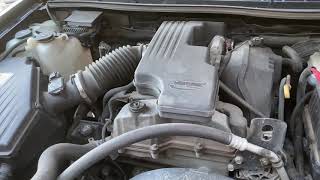
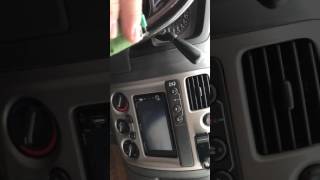
Shop the Parts Behind B3715
Below are the parts most often responsible for code B3715, ranked by how frequently each one is the actual culprit (per the diagnosis above). Tap any to see what we have for your vehicle.
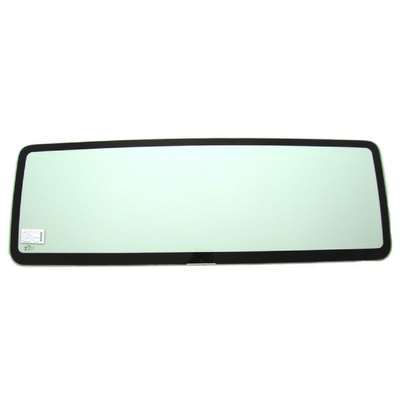

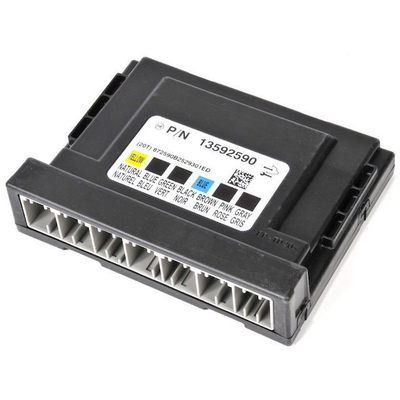



The information in this article is provided for general reference and educational purposes only. Vehicle specifications, procedures, and part compatibility can vary by production date, trim level, and region. Always consult your vehicle's factory service manual and verify part numbers before purchasing or performing repairs. Safety-critical components such as airbags, seat belts, and braking systems should be installed by a qualified professional.
- 🧭 Diagnostic Flowchart
- 🎬 Helpful Videos
- 🛍️ Shop This Part
- What Does B3715 Mean?
- Can I Drive With B3715?
- Common Causes
- Symptoms
- Common Fixes & Costs
- Used vs. New Parts: Buying Guide
- What Happens If You Wait — Timeline
- Cost of Not Fixing It
- Diagnosis Steps
- When This Code Triggers (Freeze-Frame Conditions)
- Related Codes
- Climate & Environmental Factors
- How to Talk to a Mechanic About This Code
- Where to Take It: Dealer vs Independent vs Chain
- When to Walk Away From the Repair
- What Scan Tool You Need for This Code
- How to Clear the Code After You Fix It
- Will This Fail Emissions / State Inspection?
- Most Commonly Affected Vehicles
- Manufacturer-Specific Notes
- Real Owner Stories
- 2006 Chevy Colorado, 115K miles - The Classic Broken Wire
- 2002 Lexus ES300, ~150K miles - Misdiagnosis Leads to Relay
- 2011 Chevy Silverado, 88K miles - A Different Kind of B3715
- How to Prevent This Code From Triggering
- Frequently Asked Questions
- Why do my wipers stop in the middle of the windshield?
- Can I just replace the wiper motor to fix a B3715 code?
- What is the difference between B3715 on a Colorado vs. a Silverado?
- What is the most common misdiagnosis for B3715?
- Is it safe to drive with code B3715?
- How much does it cost to fix B3715?
- Can a bad fuse cause code B3715?
- Key Takeaways
- 🎟️ Get 5% Off