

B3894 on 2007-2011 GMC Sierra: Cruise Control Inoperative and Trailer Brake Fixes
On a 2007-2011 GMC Sierra, code B3894 means the cruise control is disabled because the Trailer Brake Control Module (TBCM) has detected a fault. The most common cause is fretting corrosion on the brake light switch connector. The fix is often as simple as cleaning the connector and applying dielectric grease, a very low-cost DIY repair confirmed by GM Technical Service Bulletin PIT5144.
- B3894 means your cruise control is off because of a trailer brake system fault.
- Before buying any parts, perform the cheapest and most common fix: clean the brake light switch connector above the brake pedal and apply dielectric grease.
- Do not immediately assume the brake light switch is bad; the problem is very often just a poor connection.
- If you plan to tow, this is a critical safety issue to resolve as your trailer brakes will not work.
- If cleaning the switch connector doesn't work, replacing the brake light switch is the next logical and inexpensive step.
What's Unique About the 2007-2011 Gmc SIERRA
On this generation of GMC Sierra (GMT900), the integrated trailer brake controller is deeply networked with other vehicle systems. A seemingly minor electrical issue, like a poor connection at the brake pedal switch, can create a logic fault in the trailer brake module. This module then broadcasts a fault message that disables the cruise control, which can be confusing for owners who may not initially connect a trailer brake issue with a cruise control problem. GM has acknowledged this sensitivity with service bulletins pointing to simple connection issues rather than component failure.
Diagnostic Flowchart
Tap your situation to follow the diagnostic path that matches what you're seeing on this vehicle.
Generation note: The 2007 model year was a transition. This guide applies to the 'new body style' GMT900 platform introduced in 2007 and running through 2014. It does not apply to the 'Classic' GMT800 models also sold in 2007.
Symptoms You May Notice
- Cruise control is inoperative or will not engage.
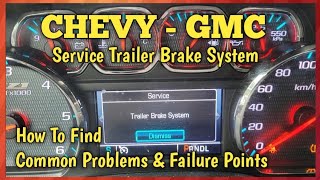
- "Service Trailer Brake System" message on the driver information center (DIC). 🎬 Watch: Common failure points and warning message explanations.
- The integrated trailer brake controller does not function.
- Red LED on the integrated trailer brake controller may flash.
- Replacing the cruise control switch on the steering wheel. The switch itself is rarely the cause when code B3894 is present.
- Replacing the brake light switch without first inspecting and cleaning its connector. TSB PIT5144 explicitly states that fretting corrosion is a common cause and applying dielectric lubricant should be the first step.
Most Likely Causes
- Fretting Corrosion at Brake Light Switch Connector 🔴 High Probability → Shop Brake Light Switch GM Technical Service Bulletin PIT5144 specifically identifies this as a primary cause, stating 'Many Stop Lamp Switches have been returned... however, failure of these switches was not confirmed. We believe that the code was being set by a wiring/terminal issue at the brake switch.' Micro-vibrations and thermal cycling cause the terminals to develop an insulating oxide layer, leading to high resistance and intermittent signals.
How to confirm: Visually inspect the brake light switch connector terminals above the brake pedal. TSB PIT5144 notes that fretting corrosion looks like 'little dark smudges on electrical terminals' and in less severe cases 'may be unable to be seen or identified without the use of a magnifying glass.' A simple and effective test is to apply dielectric grease as instructed in the TSB and see if the code clears and function returns.
Typical fix: Disconnect the brake light switch connector. Per TSB PIT5144, use a clean one-inch nylon bristle brush to apply dielectric lubricant to both the brake switch side and the harness side of the connector before reconnecting. Wipe away any excess.
Est. part cost: $5-$10 for dielectric grease. - Faulty Brake Light Switch (Brake Pedal Position Sensor) 🟡 Medium Probability → Shop Brake Light Switch While often misdiagnosed, the switch itself can fail internally, causing the same signal plausibility issues. It's a common failure point on many vehicles due to constant use and is the next logical part to replace 🎬 See how a bad switch affects cruise and trailer brakes. if cleaning the connector doesn't work.
How to confirm: If cleaning the connector and applying dielectric grease doesn't resolve the issue, the switch is the next most likely culprit. A scan tool can be used to monitor the brake switch signal data to check for erratic behavior. A simple visual test is to have someone observe if the brake lights function correctly, though this doesn't test all circuits within the switch.
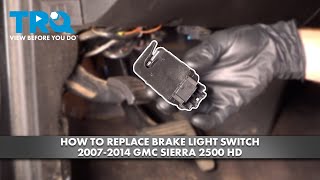
Typical fix: Replace the brake light switch located on the brake pedal support bracket. 🎬 Watch this step-by-step brake light switch replacement walkthrough.
Est. part cost: $15-$40 - Corroded Wiring or Connector at Trailer Brake Control Module (TBCM) ⚪ Low Probability → Shop Trailer Brake Control Module The TBCM is located on the driver's side frame rail, often above the spare tire, making it highly susceptible to corrosion from road spray, salt, and moisture. Owner videos frequently show repairs to corroded wires and connectors in this exact location.
How to confirm: Lower the spare tire and visually inspect the TBCM and its main electrical connector for green or white corrosion ('blue crusties'), swollen wires, or physical damage. Check for damage at the nearby 7-pin trailer connector at the bumper as well.
Typical fix: Clean the connector terminals if corrosion is minor. If the connector or wiring is severely damaged, a new connector pigtail (GM P/N 89047377) may need to be spliced in. In some cases, owners have had to repair broken wires leading to the connector.
Est. part cost: $20-$50 for a pigtail connector.
Rare But Worth Checking
- Failed Trailer Brake Control Module (TBCM): → Shop Trailer Brake Control Module If all wiring, connectors, and the brake light switch have been confirmed to be good, the module itself can fail internally. This is less common and more expensive to fix, and should be considered a last resort after other causes are eliminated.
- Failed Electronic Brake Control Module (EBCM): TSB PIT4508C notes that on vehicles with StabiliTrak (RPO JL4), a faulty Master Cylinder Pressure Sensor, which is internal to the EBCM/BPMV, can cause this code. The diagnostic step is to use a scan tool to 'check the "Master Cylinder Pressure" sensor parameter listed in the TBCM data list. If it is displaying pressure with no brake pedal input, suspect a concern with the Master Cylinder Pressure Sensor.'
- Blown Fuse or Faulty Relay: A blown fuse (typically a 30A J-case fuse in the underhood fuse box) or a faulty trailer brake relay located on the frame rail can cause a loss of power and communication, leading to various codes including B3894. Always check the relevant fuses and relays.
Diagnosis Steps
- Scan the Trailer Brake Control Module (TBCM) for codes. Confirm B3894 is present. Note any other brake system DTCs.
- Follow the advice of TSB PIT5144 first: Visually inspect the brake light switch and its electrical connector, located above the brake pedal.
- Disconnect the connector. Look for dark smudges (fretting corrosion) on the terminals, using magnification if needed.
- Regardless of visual condition, use a small nylon brush to apply dielectric grease to the terminals on both the switch and the harness side, then reconnect it securely.
- Clear the codes and test drive the vehicle to see if cruise control function is restored. If it is, the problem is solved.
- If the code returns, the next step is to replace the brake light switch.
- If the issue persists, use a scan tool to check the 'Master Cylinder Pressure' sensor data in the TBCM as per TSB PIT4508C. If pressure is shown with no pedal input, investigate the EBCM circuit.
- Lower the spare tire and thoroughly inspect the Trailer Brake Control Module (TBCM) and its wiring harness for corrosion or damage, as shown in multiple owner repair videos.
- Check the 30A fuse for the trailer brake system in the underhood fuse box and inspect the associated relay on the frame rail.
- If all wiring and components check out, the TBCM itself may be faulty.
Parts You'll Likely Need
- Dielectric Grease
(OEM #12345579)— This is the specific fix recommended by GM in TSB PIT5144 to resolve the most common cause: fretting corrosion at the brake light switch connector.
Trusted brands: ACDelco, Permatex
OEM price range: $8-$15
Aftermarket price range: $5-$10 - Brake Light Switch / Stop Lamp Switch
(OEM #25981009 (GM Genuine) or D1586H (ACDelco). Supersedes 15861245.)— If cleaning the connector doesn't work, the switch itself is the next most likely part to have failed. It provides the primary signal that the TBCM uses for its plausibility check.
Trusted brands: ACDelco, Standard Motor Products
OEM price range: $25-$40
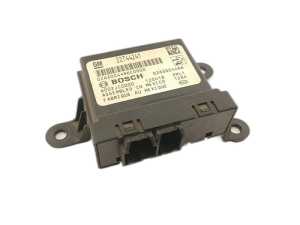
Aftermarket price range: $15-$30 - Trailer Brake Control Module (TBCM)
(OEM #85073617)— This module is the source of the code and can fail internally, though it's less common than wiring or switch issues. Its location under the truck makes it prone to moisture damage.
Trusted brands: ACDelco (GM Genuine)
OEM price range: $150-$250
Aftermarket price range: $100-$180
Technical Service Bulletins (TSBs) & Recalls
- PIT5144: Service Trailer Brake Message With DTC B3894 (Fretting Corrosion).
- PIT4508C: Cruise Control Inoperative (with DTC B3894).
Platform-Specific Known Issues
- TSB PIT5144 was issued specifically for DTC B3894, identifying fretting corrosion at the brake switch connector as the root cause and advising against unnecessary switch replacement. It recommends applying dielectric lubricant as the primary fix.
- TSB PIT4508C addresses an inoperative cruise control with DTC B3894, guiding technicians to check master cylinder pressure sensor data if other diagnostics fail, pointing to a potential EBCM issue on StabiliTrak models.
- The location of the TBCM on the frame rail above the spare tire makes it a common spot for corrosion
Mechanic-Grade Diagnostic Values
- TBCM Ignition Voltage — expected: Greater than 11.0 Volts. Failure: A reading less than 11.0V indicates a short to ground or an open/high resistance in the ignition circuit leading to the TBCM.
- TCC Brake Signal at TBCM — expected: Voltage present when brake pedal is applied, 0V when released.. Failure: If voltage is always present, there is a short to voltage. If voltage is never present, there is an open/high resistance in the circuit or the brake light switch has failed.
Scan Tool Commands That Help
- GDS2 (GM Dealer Scan Tool): Data Display: 'Trailer Brake Control Output Circuit' — When diagnosing trailer connection issues that may be related to the B3894 code, this parameter in the Chassis Control Module (CCM) data list will show the circuit status as 'Okay', 'Short to Ground', 'Short to Power', or 'Unknown', helping to pinpoint wiring faults.
- Specialty Tester (e.g., IPA 9107): Simulate Trailer Load — This type of tool plugs into the 7-pin connector and simulates the electrical load of trailer brakes. It allows a technician to test the TBCM's output voltage and amperage in response to brake pedal and manual override commands without needing an actual trailer, confirming if the module is functioning correctly.
Wiring & Ground Locations
- TBCM Connector — On the Trailer Brake Control Module, located on the driver's side frame rail, typically above the spare tire.. This is the main connector for the module setting the code. Probing specific pins is required for diagnosis. Key pins include: Pin 15 (Ignition Power), Pin 37 (Brake Switch Signal), Pin 32 (Battery Power), and Pin 8 (Ground).
- TBCM Connector Pin 37 — Light Blue/White wire on the TBCM connector.. This is the dedicated, hardwired 'TCC Brake Signal' (Circuit 6311) that the TBCM compares against the network data. A fault on this specific wire is a direct cause for the plausibility check failure.
- TBCM Connector Pin 15 — Pink wire on the TBCM connector.. This is the Ignition 1 Voltage feed (Circuit 239). Low voltage on this pin can cause the module to malfunction and set various codes, including B3894. A diagnostic step requires checking for >11V here.
- G401 — Driver's side frame rail, near the rear bumper and 7-pin trailer connector.. This is a primary ground point for the rear chassis wiring, including the trailer connector circuits. A poor ground here can cause erratic behavior in the trailer lighting and braking system, potentially contributing to data conflicts seen by the TBCM.
- Underhood Blunt-Cut Wires — Near the underhood fuse block (UBEC), often taped to a harness near the driver's side fender.. On trucks not originally equipped with the factory trailer brake controller (RPO JL1), a key Red/Black wire is left disconnected from the power stud on the fuse box. Without this connection, the entire trailer brake control system is unpowered, which can be a source of confusion when troubleshooting.
Real Owner Repair Stories
- YouTube user video (2009 GMC Sierra 1500) — Cruise control would not turn on when driving on the freeway. Sometimes it could be engaged by tapping the brake pedal first. Cruise control would also shut off when hitting a bump.
❌ Tried (didn't work) The owner suspected the switch was sticking before deciding to replace it.
✅ What actually fixed it Replacing the brake light switch (original part number 15861245) resolved all symptoms. The owner reported driving over 400 freeway miles after the repair with no further issues.
OEM Part Supersession History
15861245→25981009 (GM Genuine Part)— Standard part lifecycle update. The ACDelco Professional aftermarket equivalent is D1586H.
Model Year Variations Within This Range
- 2007-2011: On trucks delivered without the factory Integrated Trailer Brake Controller (RPO JL1), the main power feed for the system is intentionally left disconnected at the underhood fuse block. A red/black wire with a ring terminal, taped to the main harness near the fuse block, must be found and connected to the designated power stud to activate the circuit for an aftermarket or retrofitted factory controller.
Helpful Videos
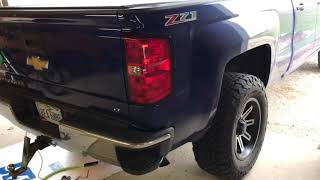
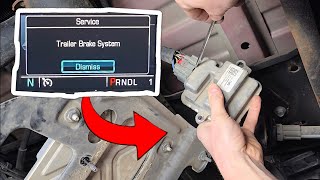
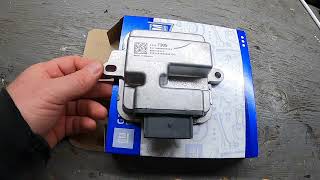
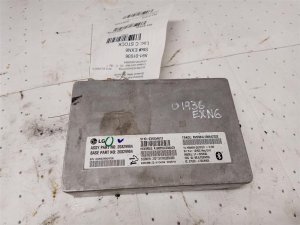
Used OEM Parts in Stock
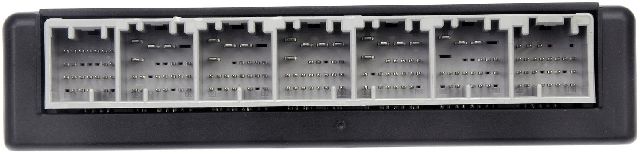
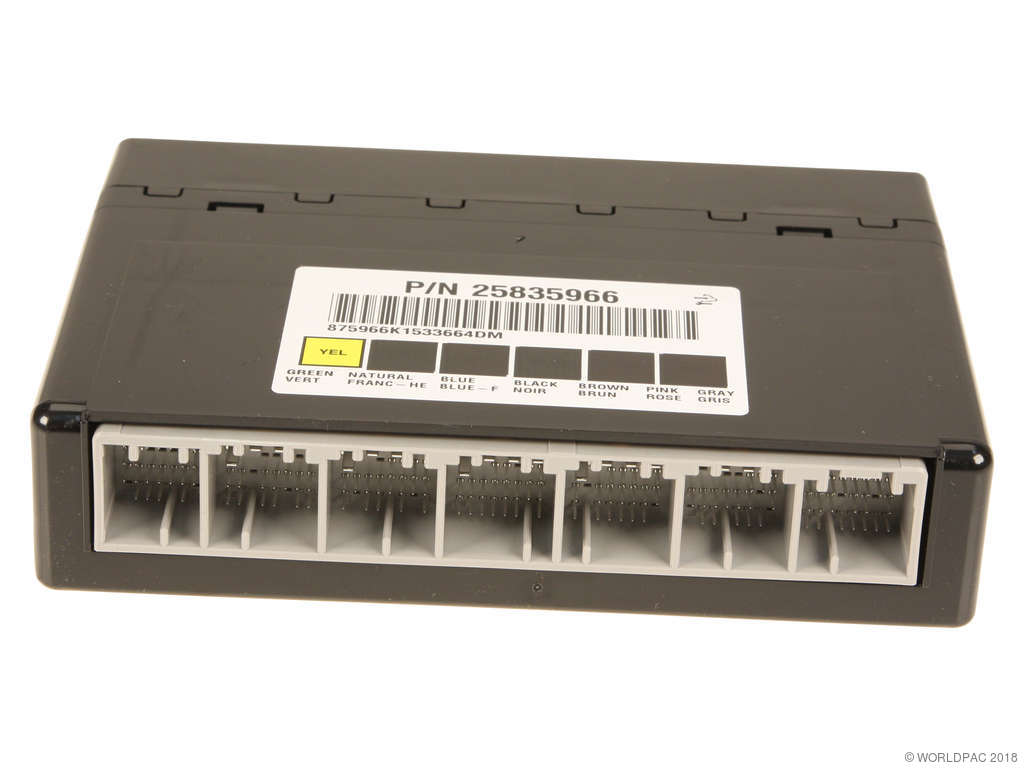
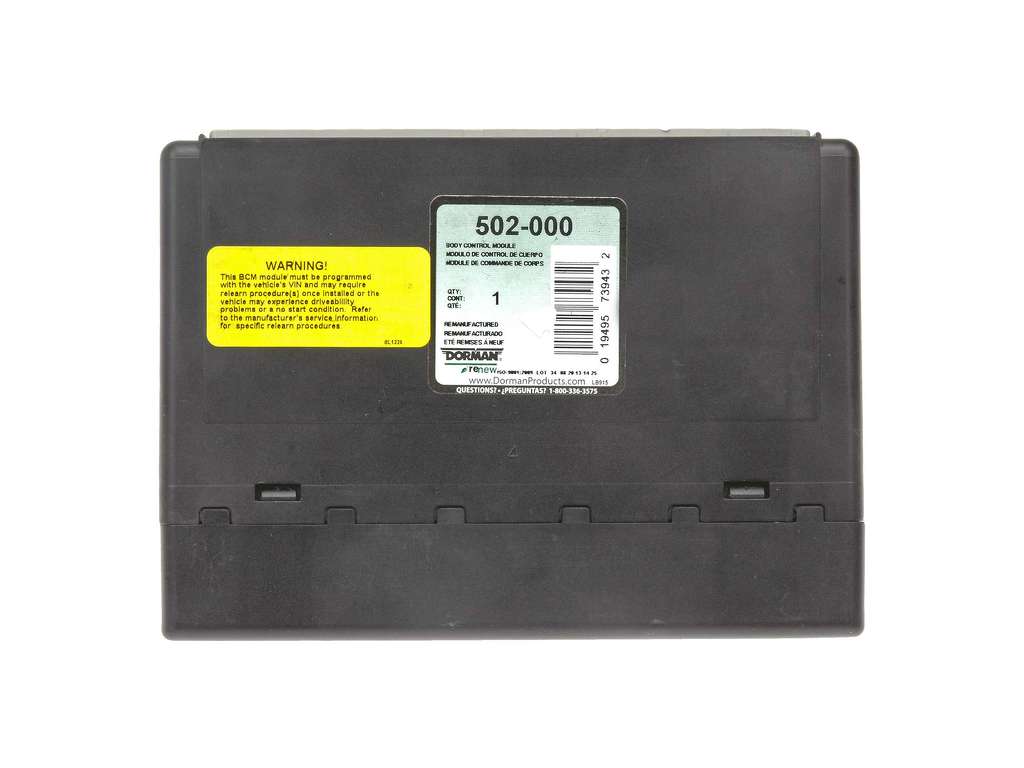
New Aftermarket Parts Available

The information in this article is provided for general reference and educational purposes only. Vehicle specifications, procedures, and part compatibility can vary by production date, trim level, and region. Always consult your vehicle's factory service manual and verify part numbers before purchasing or performing repairs. Safety-critical components such as airbags, seat belts, and braking systems should be installed by a qualified professional.
- Gmc SIERRA:
- 🧭 Diagnostic Flowchart
- 🎬 Helpful Videos
- 🛍️ Shop This Part
- What's Unique About the 2007-2011 Gmc SIERRA
- Symptoms You May Notice
- Most Likely Causes
- Rare But Worth Checking
- Diagnosis Steps
- Parts You'll Likely Need
- Technical Service Bulletins (TSBs) & Recalls
- Platform-Specific Known Issues
- Mechanic-Grade Diagnostic Values
- Scan Tool Commands That Help
- Wiring & Ground Locations
- Real Owner Repair Stories
- OEM Part Supersession History
- Model Year Variations Within This Range
- 🎟️ Get 5% Off