

B3894 on 2007-2013 GMC Yukon XL: Cruise Control and Trailer Brake Fixes
Code B3894 on a GMC Yukon XL usually means the cruise control won't work and you'll see a 'Service Trailer Brake System' message. The most common cause is a poor electrical connection at the brake light switch, often fixed by cleaning the connector and adding dielectric grease, as noted in GM service bulletin PIT5144. Other common causes include corroded wiring at the Trailer Brake Control Module (TBCM) under the truck or a faulty TBCM itself.
- Code B3894 almost always disables the cruise control.
- Before buying any parts, try the cheapest and most common fix: apply dielectric grease to the brake light switch connector above the brake pedal.
- Thoroughly inspect all wiring for corrosion, especially at the TBCM near the spare tire and the 7-pin bumper connector, before condemning an expensive module.
- This is a very common issue on GMC/Chevy trucks and SUVs of this era, and the fix is usually simple and inexpensive.
- Do not immediately replace the brake light switch; service bulletins indicate this is usually not the problem.
What's Unique About the 2007-2013 Gmc YUKON XL
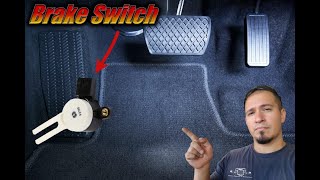
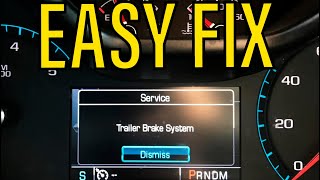
On these GMT900 platform trucks, the cruise control system's logic is intertwined with the trailer brake system. A fault in the trailer brake controller's perception of the brake pedal status can disable the cruise control, even if you never tow a trailer. This confuses many owners who don't expect the two systems to be so closely linked. GM has issued service bulletins, specifically PIT5144, pointing to connection issues (fretting corrosion) at the brake light switch, rather than component failure, as the root cause 🎬 Watch this video for a quick guide on the most common fix. for this code on this platform.
Diagnostic Flowchart
Tap your situation to follow the diagnostic path that matches what you're seeing on this vehicle.
Symptoms You May Notice
- Cruise control is inoperative
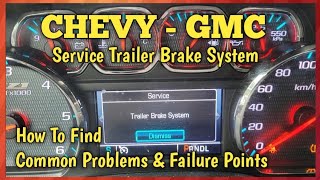
- "Service Trailer Brake System" message on the Driver Information Center (DIC)
- Trailer brake output may be disabled or function incorrectly
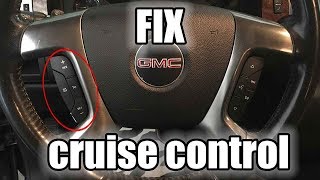
- Cruise control light on steering wheel may illuminate, but will not set a speed. 🎬 See how to troubleshoot cruise control issues on these trucks.
- Replacing the brake light switch without first inspecting the connector and applying dielectric grease per TSB PIT5144.
- Replacing the in-dash trailer brake control switch assembly when the fault lies with the TBCM, its wiring, or the brake light switch circuit.
- Replacing the Body Control Module (BCM) when the issue is isolated to the TBCM circuit.
Most Likely Causes
- Fretting Corrosion at Brake Light Switch Connector 🔴 High Probability → Shop Brake Light Switch Vibration and thermal cycles can cause micro-movements in the connector, leading to oxidized debris that increases resistance on low-current signal circuits. GM issued a Technical Service Bulletin (PIT5144) specifically for this issue, noting that many switches were being replaced unnecessarily.
How to confirm: Inspect the electrical terminals on both the brake light switch and its harness connector. Look for small, dark smudges or discoloration on the pins. The corrosion may be difficult to see without magnification. The code setting is the primary confirmation.
Typical fix: Disconnect the battery. Unplug the connector from the brake light switch (located above the brake pedal). Using a small nylon brush, apply a small amount of dielectric lubricant (GM P/N 12345579 or equivalent) to the terminals on both sides of the connection and reconnect it. Clear codes and test drive.
Est. part cost: $5-$15 for dielectric grease - Corroded or Damaged Wiring at TBCM 🟡 Medium Probability The Trailer Brake Control Module (TBCM) is located on the driver's side frame rail, often above the spare tire, 🎬 Watch this breakdown of common trailer brake system failure points. exposing it to road salt, water, and debris which leads to corrosion of the wiring harness and connector pins.
How to confirm: Visually inspect the wiring harness and connector going into the TBCM. Look for green or white crust ('blue crusties'), chafed insulation, or broken wires. With the key off, disconnect the connector and check for corrosion on the module and harness pins.
Typical fix: Repair the damaged section of wire using solder and heat shrink tubing. If the connector or terminals are corroded, they may need to be cleaned carefully with a terminal brush and electrical contact cleaner. In severe cases, the connector pigtail may need to be replaced.
Est. part cost: $10-$50 for wiring repair supplies or a new pigtail connector - Corrosion in Rear 7-Pin Trailer Connector 🟡 Medium Probability → Shop Trailer Wiring Harness The rear bumper connector is constantly exposed to the elements, causing moisture and dirt to build up inside, leading to shorts and poor connections that can affect the entire trailer brake system.
How to confirm: Unplug the back of the 7-pin connector from the vehicle harness. Inspect both sides of the connection for green/white corrosion, bent pins, or moisture. Check inside the 7-pin socket for debris or corrosion.
Typical fix: Clean the terminals with a wire brush and electrical contact cleaner. If heavily damaged, the 7-pin socket assembly may need to be replaced. Aftermarket replacements like Hopkins or CURT are widely available.
Est. part cost: $20-$50 for a replacement socket - Blown Trailer Brake Fuse ⚪ Low Probability A short in the trailer wiring or a failing TBCM can cause the fuse to blow as a protective measure.
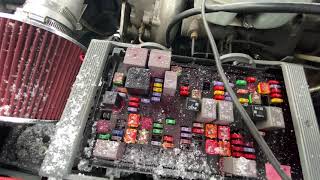
How to confirm: Locate the fuse for the trailer brake controller in the under-hood fuse box (often a 30A J-Case fuse in the 'STUD 1' or 'STUD 2' position) and check if it is blown.
Typical fix: Replace the blown fuse. If it blows again, there is an underlying short circuit in the vehicle or trailer wiring that must be diagnosed before replacing the fuse again.
Est. part cost: $3-$8 for a J-Case fuse
Rare But Worth Checking
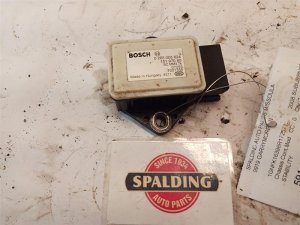
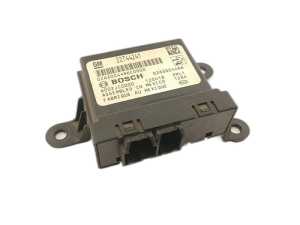
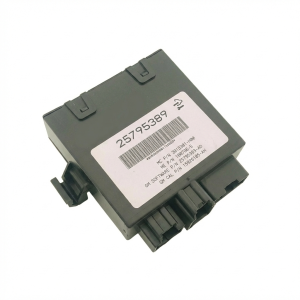
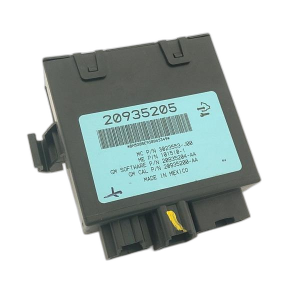
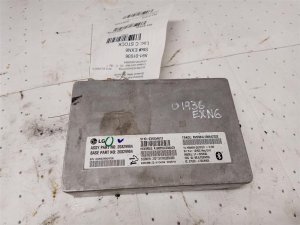
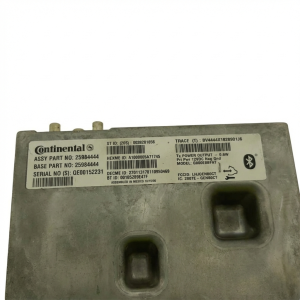
- Faulty Trailer Brake Control Module (TBCM): → Shop Trailer Brake Control Module This is possible but less common than wiring or connection issues. All wiring and connections should be thoroughly checked before replacing the module. If the module requires replacement, it is a direct swap with no programming needed on this platform.
- Faulty Brake Light Switch: → Shop Brake Light Switch While the code points to the switch circuit, TSB PIT5144 specifically warns that the switch itself is often replaced unnecessarily when the problem is just a bad connection. However, the switch can fail, and is a relatively inexpensive part to replace if other steps do not resolve the issue.
Diagnosis Steps
- Read all codes from all modules using a scanner capable of accessing the TBCM.
- Confirm the primary symptom is an inoperative cruise control and/or a 'Service Trailer Brake System' message.
- Following TSB PIT5144, first address the most common and easiest fix: inspect the brake light switch connector above the brake pedal. Disconnect it, apply dielectric lubricant to the terminals on both sides, and reconnect. Clear codes and re-test.
- If the problem persists, move to the rear of the vehicle. Visually inspect the 7-pin trailer connector at the bumper for corrosion or damage.
- Locate the Trailer Brake Control Module (TBCM) on the driver's side frame rail, near or above the spare tire. You may need to lower the spare tire for access. Inspect the connector and wiring harness for corrosion, damage, or previous poor repairs.
- Check the fuses related to the trailer brake system in the under-hood fuse box, specifically the 30A fuse for the TBCM.
- If all wiring, connectors, and fuses are confirmed to be good, the fault may lie with the brake light switch itself or the TBCM. Given the low cost, replacing the brake light switch is a reasonable next step.
- If the issue is still not resolved after all other steps, the TBCM is the likely culprit.
Parts You'll Likely Need
- Dielectric Grease
(OEM #GM 12345579)— This is the specific fix recommended by GM in TSB PIT5144 to resolve fretting corrosion at the brake light switch connector, the most likely cause of B3894.
Trusted brands: Permatex, ACDelco
OEM price range: $10-$20
Aftermarket price range: $5-$10 - Brake Light Switch
(OEM #ACDelco D1586H (supercedes 15861245, 22741943))— Though often misdiagnosed, the switch can fail. If applying dielectric grease doesn't work, this is the next most likely and inexpensive part to replace.
Trusted brands: ACDelco (OEM)
OEM price range: $20-$35
Aftermarket price range: $15-$25 - Trailer Brake Control Module (TBCM)
(OEM #85073617)— If wiring and connections are verified to be good, the module itself may have failed internally. Its location under the vehicle makes it prone to failure from moisture and vibration over time.
Trusted brands: ACDelco (OEM), Dorman
OEM price range: $150-$250
Aftermarket price range: $100-$180 - 7-Pin Trailer Connector Socket
(OEM #15173141 (harness with socket))— Often becomes corroded from exposure to the elements, causing various trailer light and brake issues. It's a common failure point for vehicles that tow frequently or are exposed to road salt.
Trusted brands: Hopkins, Pollak, CURT, ACDelco
OEM price range: $40-$60
Aftermarket price range: $20-$40
Technical Service Bulletins (TSBs) & Recalls
- PIT4508C: Notes that DTC B3894 can be set in the Trailer Brake Control Module when the cruise control is inoperative and suggests checking master cylinder pressure sensor data if other diagnostics fail.
- PIT5144: Addresses DTC B3894 being caused by fretting corrosion at the brake switch connector and advises against unnecessarily replacing the switch, recommending dielectric grease instead.
Platform-Specific Known Issues
- A Technical Service Bulletin (TSB PIT5144) was issued for the 2008-2011 model years (which applies to this generation) for DTC B3894. The bulletin identifies the cause as fretting corrosion in the brake switch electrical connector and recommends applying dielectric lubricant as the primary fix, rather than replacing the switch.
- The placement of the Trailer Brake Control Module (TBCM) on the frame rail above the spare tire makes its wiring harness highly susceptible to corrosion from road spray and debris, a common source of electrical faults on this platform.
- TSB PIT4508C notes that if basic diagnostics don't find the fault, a technician should check the 'Master Cylinder Pressure' sensor parameter in the TBCM data list, as a faulty sensor (internal to the EBCM/BPMV) can cause this code.
Mechanic-Grade Diagnostic Values
- TBCM Scan Tool Data: 'Master Cylinder Pressure' parameter — expected: 0 psi (or equivalent value) with no brake pedal input.. Failure: If the parameter displays pressure with no brake pedal input, it suggests a fault with the Master Cylinder Pressure Sensor or its circuit.
- TBCM Scan Tool Data: 'Brake Switch Status' parameter — expected: Should change from 'Inactive' or 'Off' to 'Active' or 'On' immediately when the brake pedal is pressed.. Failure: If the status does not change, or changes intermittently, it points to a fault in the brake switch circuit.
- Voltage at TBCM harness connector, ignition circuit (terminal 15) — expected: Greater than 11 V with ignition ON.. Failure: Less than 11 V indicates a short to ground or an open/high resistance in the ignition feed circuit to the TBCM.
Scan Tool Commands That Help
- GDS2 / Tech2 / Professional Scan Tool: BCM > BPP Sensor Calibration — This calibration procedure must be performed after the brake pedal position sensor (brake light switch) or the Body Control Module (BCM) has been replaced. It sets the sensor's home value so the BCM can correctly interpret brake pedal action.
- GDS2 / Tech2: TBCM > Data Display > 'Master Cylinder Pressure' — Use this to check for a faulty master cylinder pressure sensor, which is an edge-case cause for B3894. If pressure is displayed without the pedal being pressed, it indicates a problem in that system.
Wiring & Ground Locations
- TBCM (Trailer Brake Control Module) — On the driver's side frame rail, typically located above the spare tire.. This is the module that sets code B3894. Its exposed location makes its connector and wiring harness highly prone to corrosion and damage from road debris and moisture, a primary cause of this fault.
- TBCM Connector (GM P/N 15491307) — Connects to the Trailer Brake Control Module on the driver's side frame rail.. This connector is a common point of failure due to corrosion. The pigtail (service connector P/N 89047377) is available for repairs if the connector body or terminals are too damaged to be cleaned.
- Stop Lamp Switch Signal Wire to TBCM — Runs from the stop lamp switch at the brake pedal to terminal 37 of the TBCM harness connector.. This is the hardwired signal that the TBCM compares against the BCM's serial data message. An open or short in this specific wire will directly cause a plausibility failure and set code B3894.
- Underhood Fuse Block Stud #1 / Stud #2 — Two threaded studs on the underhood fuse block used for high-current trailer-related circuits.. The main power feed for the TBCM connects to one of these studs (often Stud #2 via a Red/Black wire). A loose or corroded connection here can cause a loss of power to the module.
Real Owner Repair Stories
- BobIsTheOilGuy forum user 'i6pwr' (2012 Yukon Denali) — Integrated brake controller would not recognize a known-good trailer. No error messages or codes were stored.
❌ Tried (didn't work) Verified 12V power at underhood fuse box studs., Verified 12V power to the TBCM above the spare tire., Confirmed continuity on the blue wire from the TBCM to the 7-pin connector., Inspected 7-pin connector, found it clean., Replaced the TBCM with a new module., Replaced the in-dash gain switch., Checked all related fuses., Used GM's Service Programming System (SPS) to reprogram the FPCM (Fuel Pump Control Module), which also contains the TBCM calibration. The software was already current, but it was reflashed anyway.
✅ What actually fixed it The user reported that even after reprogramming the FPCM, the issue was not resolved. The final fix was not posted in the thread, highlighting a complex case where standard fixes failed.
OEM Part Supersession History
15861245, 22741943→ACDelco D1586H— Part consolidation and design updates by GM.
Heads up: While these parts are generally interchangeable for the application, it's always critical to verify fitment by VIN. The brake pedal position sensor (switch) must be calibrated using a scan tool after replacement.
Helpful Videos
We Have This Part in Stock

The information in this article is provided for general reference and educational purposes only. Vehicle specifications, procedures, and part compatibility can vary by production date, trim level, and region. Always consult your vehicle's factory service manual and verify part numbers before purchasing or performing repairs. Safety-critical components such as airbags, seat belts, and braking systems should be installed by a qualified professional.
- Gmc YUKON XL:
- 🧭 Diagnostic Flowchart
- 🎬 Helpful Videos
- 🛍️ Shop This Part
- What's Unique About the 2007-2013 Gmc YUKON XL
- Symptoms You May Notice
- Most Likely Causes
- Rare But Worth Checking
- Diagnosis Steps
- Parts You'll Likely Need
- Technical Service Bulletins (TSBs) & Recalls
- Platform-Specific Known Issues
- Mechanic-Grade Diagnostic Values
- Scan Tool Commands That Help
- Wiring & Ground Locations
- Real Owner Repair Stories
- OEM Part Supersession History
- 🎟️ Get 5% Off