

B3924 on 2020-2025 Cadillac XT6: 'No FOB Detected' and No-Start Causes
Code B3924 on a 2020-2025 Cadillac XT6 almost always indicates a Body Control Module (BCM) software glitch, not a failed part. This typically happens after a battery change or jump-start, causing a no-start condition. The fix is a dealer-only software reprogram detailed in TSB #23-NA-163, not a parts replacement.
- B3924 on a Cadillac XT6, especially with other similar codes, is a known software glitch in the Body Control Module (BCM), not a hardware failure.
- The problem is almost always caused by a recent jump-start, battery change, or other low-voltage event.
- DO NOT waste money replacing the key fob, fob battery, antennas, or the BCM itself.
- The vehicle must be taken to a dealer or qualified shop for a specific BCM software reprogramming procedure as outlined in TSB #23-NA-163.
What's Unique About the 2020-2025 Cadillac XT6
The 2020-2025 Cadillac XT6 uses GM's Vehicle Intelligence Platform (VIP) architecture with a specific 'GEN3R' Body Control Module (BCM) that is susceptible to memory corruption after a low-voltage event, like a battery replacement or jump-start. General Motors has acknowledged this widespread issue with Technical Service Bulletin (TSB) #23-NA-163, which was updated in August 2024 to officially include the XT6. The TSB provides a specific software-only repair, warning technicians not to replace the BCM or other hardware for this condition.
Diagnostic Flowchart
Tap your situation to follow the diagnostic path that matches what you're seeing on this vehicle.
Symptoms You May Notice
- Vehicle will not crank or start.
- Engine starts but immediately stalls.
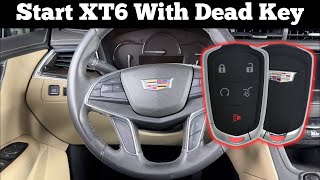
- "No FOB Detected" or "No Remote Key Was Detected" message on the driver information center. 🎬 Watch: How to start your XT6 when the fob isn't detected.
- Key fob functions like lock, unlock, and remote start are inoperative.
- In some cases, the key fob may work for active functions (button presses) but not for passive entry or starting.
- Replacing the key fob battery. While a weak fob battery can cause a 'No Remote Key Detected' message, it requires a different bypass procedure and typically won't set this specific cluster of BCM codes.
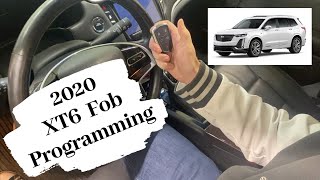
- Replacing the key fob(s). The issue is with the vehicle's BCM, not the fob itself. 🎬 Watch: The standard procedure for programming a new smart key.
- Replacing a keyless entry antenna. This is a hardware replacement for a software problem and will not resolve the issue.
- Replacing the Body Control Module (BCM). TSB #23-NA-163 specifically warns against this, as the original module's hardware is almost always fine and just needs its software reset.
Most Likely Causes
- Body Control Module (BCM) Memory Corruption 🔴 High Probability → Shop Body Control Module A known issue documented in GM TSB #23-NA-163 shows that a low voltage condition (e.g., jump-start, new battery, battery disconnect) can corrupt the memory of the 'GEN3R' BCM on this platform.
How to confirm: The issue appears immediately after a battery-related event. A professional scan tool (GDS2) will show B3924 along with three or more other codes like B3925, B3926, B3927, and critically, B389A. The TSB procedure is only applicable if B389A is present.
Typical fix: Perform the special BCM data reset and reprogramming procedure outlined in TSB #23-NA-163 using GM's Service Programming System (SPS). This is a software-only fix involving either 'Programming A' or 'Programming B' routines depending on prior repair attempts.
Est. part cost: $0
Rare But Worth Checking
- Faulty Keyless Entry Antenna or Wiring: → Shop Antenna While the TSB points to software, an actual hardware failure of an antenna or its wiring could theoretically set this code in isolation. This would typically involve a physical inspection and circuit testing of the antenna in the center console.
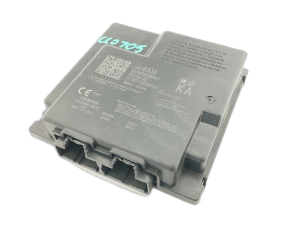
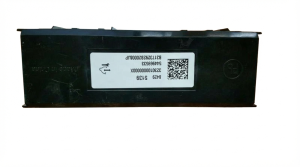
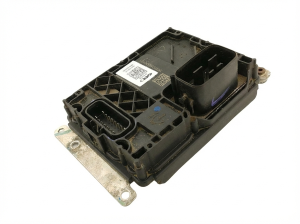
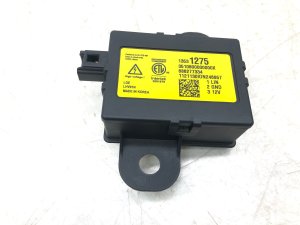
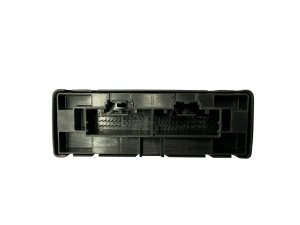
- Faulty Body Control Module (BCM): → Shop Body Control Module In the very rare instance that the BCM reprogramming fails and the module is unresponsive, the BCM itself could be faulty. However, TSB #23-NA-163 explicitly warns against replacing the BCM as a first step. A replacement BCM for a 2020-2024 XT6 may carry an OEM part number such as 13534192.
Diagnosis Steps
- Confirm the symptoms: Vehicle won't start and displays a 'No FOB Detected' message.
- Note if the issue occurred immediately after a battery replacement, jump-start, or other low-voltage event.
- Use a professional scan tool (GM GDS2) to check for codes in the Body Control Module.
- Verify if B3924 is present with three or more other codes from the B3925-B3928 series, and/or code B389A.
- If the code cluster is present, do not replace parts. The vehicle must be taken to a GM dealership or qualified independent shop with access to GM's Service Programming System (SPS).
- The technician must first identify the BCM as a 'GEN3R' type using GDS2, as specified in the TSB.
- The technician will then follow the procedure in TSB #23-NA-163 to perform a BCM data reset. This involves running 'Programming A' or, if an immobilizer learn was already attempted, 'Programming B'.
- After the reprogram, an immobilizer relearn procedure with the existing keys is performed.
- If B3924 appears alone, inspect the wiring and connector for the Keyless Entry Antenna 4, typically located in the center console, for damage or corrosion.
Parts You'll Likely Need
- No parts required
- Body Control Module (BCM)
Related Codes That Often Appear With This One
- B3925, B3926, B3927, B3928 — These are companion codes for other keyless entry antennas or modules receiving an 'Incorrect Environmental Identifier'. When three or more appear with B3924, it strongly indicates the BCM memory corruption issue described in TSB #23-NA-163.
- B389A — This code for 'Environment Identification' is often set alongside the B3924-B3928 family and is a key indicator of the BCM software glitch. The TSB procedure requires this code to be present.
- P0513 — This 'Incorrect Immobilizer Key' code is set by the Engine Control Module (ECM) when it doesn't receive the correct security handshake from the faulted BCM. Its presence is a direct consequence of the BCM issue.
Technical Service Bulletins (TSBs) & Recalls
- 23-NA-163: The primary bulletin addressing a no-crank/no-start condition caused by BCM memory corruption after a low-voltage event. It details the specific 'Programming A' and 'Programming B' software routines for repair.
- 21-NA-277: An earlier TSB that also describes the no-start condition with these codes, corroborating the software-based nature of the problem.
Platform-Specific Known Issues
- As documented in GM Technical Service Bulletin #23-NA-163, the 'GEN3R' BCM on the 2020-2025 Cadillac XT6 is prone to a memory corruption event after a voltage fluctuation, causing a no-start condition and setting codes B3924, B3925, B3926, B3927, and/or B3928.
Hidden / Shadow Codes Worth Checking
- B3924 00: The '00' is a GM symptom byte that specifies a 'General Electrical Failure'. Its presence, as noted in TSB #23-NA-163, confirms a general fault condition rather than a more specific circuit issue like a short or open, reinforcing the diagnosis of a module-level software problem. (see via A professional scan tool capable of reading manufacturer-specific codes and symptom bytes, such as the dealer-level GM GDS2 tool.)
Scan Tool Commands That Help
- GM GDS2 / SPS: K9 Body Control Module “Programming A Per Bulletin 23-NA-163 and 23-NA-165 Only” — This is the primary software routine used to reset the BCM's corrupted memory when the fault is encountered for the first time and no other immobilizer procedures have been attempted.
- GM GDS2 / SPS: K9 Body Control Module “Programming B Per Bulletin 23-NA-163 Only” — This secondary routine is used only if an immobilizer learn procedure was already attempted unsuccessfully before performing the correct TSB fix. It performs a more in-depth reset.
- GM GDS2 / SPS: Immobilizer procedure “Body Control Module IMMO Learn with Existing Transponder or Remote Key.” — This function is performed immediately after 'Programming A' to relearn the vehicle's existing key fobs to the newly reset BCM.
- GM GDS2: Module Diagnostics > [K9] Body Control Module > Identification Information — This data display path is used to view the BCM's Base Model Part Number (BMPN) to confirm it is a 'GEN3R' type and eligible for the TSB #23-NA-163 procedure before any programming is attempted.
Wiring & Ground Locations
- Keyless Entry Antenna 4 — Typically located in the center console area. This antenna is specifically associated with DTC B3924 when a hardware fault occurs.. If B3924 is set in isolation without the cluster of other codes (B3925-B3928, B389A), a wiring or connector issue at this specific antenna becomes a possibility. Spills or prior repairs in the center console could damage its harness.
- Key Fob Backup Pocket — Inside the center console storage area. The storage tray must be lifted to access the pocket.. This pocket is the designated location to place the key fob to start the vehicle if the fob's battery is dead or if the BCM is struggling to detect it. While it may not overcome the B3924 software lock, it is a critical step in standard 'No Fob Detected' diagnostics.
- G103 — On older GM models, this ground is located at the left rear of the engine compartment on the cowl, above the brake booster.. This is a major ground point that serves the BCM, Instrument Panel Cluster (IPC), and Data Link Connector (DLC). While the exact location may vary on the XT6, checking major BCM-related grounds for corrosion or looseness is a fundamental step in diagnosing any widespread electrical issue, though it is not the likely cause for the TSB-defined problem.
OEM Part Supersession History
13518593, 13532662→13534192— Standard part evolution for hardware/firmware revisions.
Heads up: While these parts are superseded, the primary fix for code B3924 is software, not hardware replacement. Replacing the BCM with a newer part number will not resolve the issue without the correct SPS programming per TSB #23-NA-163.
Helpful Videos

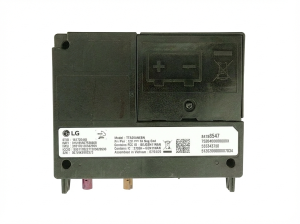
We Have This Part in Stock

The information in this article is provided for general reference and educational purposes only. Vehicle specifications, procedures, and part compatibility can vary by production date, trim level, and region. Always consult your vehicle's factory service manual and verify part numbers before purchasing or performing repairs. Safety-critical components such as airbags, seat belts, and braking systems should be installed by a qualified professional.
- Cadillac XT6:
- 🧭 Diagnostic Flowchart
- 🎬 Helpful Videos
- 🛍️ Shop This Part
- What's Unique About the 2020-2025 Cadillac XT6
- Symptoms You May Notice
- Most Likely Causes
- Rare But Worth Checking
- Diagnosis Steps
- Parts You'll Likely Need
- Related Codes That Often Appear With This One
- Technical Service Bulletins (TSBs) & Recalls
- Platform-Specific Known Issues
- Hidden / Shadow Codes Worth Checking
- Scan Tool Commands That Help
- Wiring & Ground Locations
- OEM Part Supersession History
- 🎟️ Get 5% Off