

OBD-II Code B3925: Incorrect Environmental Identifier
What B3925 means, why it triggers, and how to fix it
- Code B3925 indicates a Body Control Module (BCM) software glitch has triggered the anti-theft system, completely immobilizing your GM vehicle.
- A voltage drop below 9.5V during a jump-start, battery replacement, or cold start is the primary trigger for this memory corruption.
- Do not replace the BCM or key fobs; the official fix is a 1-to-2-hour software reprogramming procedure outlined in GM TSB #23-NA-163.
- Because the engine will not crank or stalls within 2 seconds, you must tow the vehicle to a shop equipped with GM Service Programming System (SPS) tools.
What Does B3925 Mean?
B3925 means your car's main body computer, the Body Control Module (BCM), has its memory corrupted. This happens when a weak battery or a jump-start causes a severe voltage drop. Because its memory is scrambled, the BCM no longer recognizes other essential computers in the car, assumes they are stolen parts, and triggers the anti-theft system to disable the engine.
Technical definition: The Body Control Module (BCM) has received an 'Incorrect Environmental Identifier' from another module on the vehicle's communication network, such as the HVAC Control Module or Instrument Panel Cluster (IPC). This indicates a mismatch in the security data that synchronizes modules to a specific vehicle.
Can I Drive With B3925?
No — Do Not Drive. The vehicle's anti-theft system is active and prevents the engine from starting, or it starts and stalls immediately. The car is completely immobilized and cannot be driven until the security system issue is resolved.
Common Causes
- Body Control Module (BCM) Memory Corruption (Very Common) — This is the direct cause of the code on modern GM vehicles. A low voltage event corrupts the BCM's software, causing it to lose its unique identifier that must match other modules. This is a known software glitch, not a hardware failure.
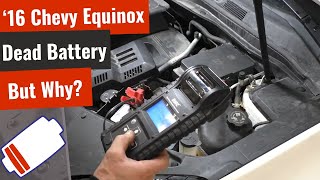
- Weak 12V Battery or Low Voltage Event (Very Common) — This is the root trigger for BCM memory corruption. Events like jump-starting, replacing the battery, or cranking an engine with an old battery 🎬 See why jumping a dead battery often fails on these models cause severe voltage fluctuations. Voltage dropping below 9.5V during cranking triggers module corruption.
- Parasitic Battery Drain (Less Common) — An underlying electrical issue causes a slow drain on the battery when the car is off. This gradually weakens the battery, leading to a low voltage state that eventually triggers the BCM corruption upon startup. Normal drain is under 50 milliamps (mA).
- Aftermarket Accessories or Modifications (Less Common) — Improperly installed aftermarket accessories, such as remote starters or alarms that tap into the CAN bus or BCM wiring, introduce electrical noise or voltage drops, leading to BCM data corruption.
- High-Resistance Ground Connection (Rare) — A corroded or loose ground connection for the BCM creates intermittent voltage drops. This starves the module of stable power, causing the same memory corruption issue as a weak battery. Resistance over 0.5 ohms indicates a problem.
- Wiring or Connector Issue (Rare) — A damaged wire, loose pin, or corroded connector at the BCM interrupts communication and sets the code. This is caused by water intrusion, physical damage, or a poor ground connection.
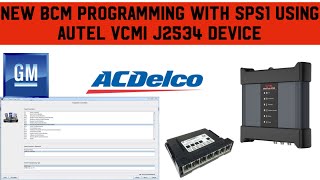
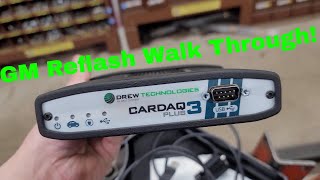
- Failed Body Control Module (BCM) (Rare) — Actual hardware failure of the BCM is rare. Consider this only after the official BCM reprogramming procedure 🎬 Watch: Step-by-step guide to reflashing GM modules (TSB #23-NA-163) fails. Unnecessary BCM replacement is a common and expensive misdiagnosis.
- Faulty Keyless Entry (PEPS/PKE) Antenna (Very Rare) — If B3925 appears alone without the typical cluster of related codes (like B389A, B3924), it points to a failure of a single keyless entry antenna or its wiring. This is highly uncommon.
Symptoms
- Vehicle will not crank or start — Pushing the start button or turning the key results in nothing, or a single click from the starter relay.
- Engine starts and immediately stalls — The engine fires up for one to two seconds and immediately shuts down as the immobilizer engages.
- 'No FOB Detected' message — The driver information center displays a message indicating it cannot find the key, even when the key fob is inside the car.
- Key fobs are inoperative — The buttons on the key fob will not lock, unlock, or remote start the vehicle.
- Flashing security light — A dashboard light showing a car with a lock flashes, indicating an active anti-theft system fault.
- Multiple warning lights on the instrument cluster — Due to the communication breakdown originating from the BCM, ABS, stability control, and check engine lights illuminate.
Diagnostic Flowchart
Tap your situation to follow the diagnostic path that matches what you're seeing on this code.
Common Fixes & Costs
- Body Control Module (BCM) Reprogramming — Parts: $0, Labor: $150-$400, ~1.5 hr book time (Professional)
- Replace 12V AGM Battery — Parts: $200-$280, Labor: $50-$100, ~0.5 hr book time (DIY)
- Replace Body Control Module (BCM) — Parts: $150-$350, Labor: $250-$600, ~2.5 hr book time (Professional)
- Repair Damaged Wiring or Grounds — Parts: $10-$50, Labor: $150-$500, ~3 hr book time (Advanced)
- Replace Keyless Entry Antenna — Parts: $30-$80, Labor: $150-$350, ~2 hr book time (Intermediate)
DIY vs Professional
- Body Control Module (BCM) Reprogramming 🟢 Beginner
Tools: GM GDS2/MDI interface, J2534 Pass-Thru device, active GM SPS2 software subscription, high-amperage programming power supply. - Replace 12V AGM Battery 🟢 Beginner
Tools: Socket set (typically 10mm and 13mm), terminal cleaning brush, memory saver device (recommended). - Replace Body Control Module (BCM) 🟢 Beginner
Tools: Socket set, trim removal tools. The physical replacement is intermediate, but the mandatory programming is professional-level. - Repair Damaged Wiring or Grounds 🟢 Beginner
Tools: Digital multimeter, vehicle-specific wiring diagrams, wire strippers, soldering iron or quality crimpers, heat shrink tubing. - Replace Keyless Entry Antenna 🟢 Beginner
Tools: Trim removal tools, socket set, flashlight.
Used vs. New Parts: Buying Guide
When a used part is worth it: Buying a used Body Control Module (BCM) rarely makes sense. A used BCM is VIN-locked to its original vehicle, and most dealerships refuse to reprogram it. It only works if you use a specialized cloning service to transfer data from your old BCM to an identical used one.
Donor-vehicle mileage cap: roughly under 50000 miles for the part to have meaningful remaining life.
Donor quality checklist:
- Part numbers must match EXACTLY.
- Verify the donor vehicle was not scrapped for electrical or flood damage.
- A 'cloned' or 'virginized' (unlocked) BCM from a reputable rebuilder is superior to a standard junkyard part.
Decision logic:
- If The primary fix (reprogramming your original BCM) has not been attempted → Do not buy any BCM. Pay for the reprogramming service first, as it is the official fix in 99% of cases.
- If Your original BCM is confirmed physically damaged (water, fire, etc.) → Buy a new OEM BCM. The cost and hassle of a used BCM failing to program make it a poor value.
- If You are an advanced user with access to a BCM cloning service → A used BCM with a matching part number is a cost-effective option, but the risk of programming failure remains.
Warranty tradeoff: Used BCMs from salvage yards typically offer a 30-day warranty and exclude labor. New OEM BCMs carry a 1-2 year parts warranty. The real risk is a used BCM being un-programmable, resulting in a complete loss.
Worst-case if a used part fails: $300-$600 if a used BCM cannot be programmed, including the useless part and diagnostic labor.
What Happens If You Wait — Timeline
- Immediately: The BCM memory corrupts, the anti-theft system engages, and the vehicle is immobilized. It will not crank, or starts and stalls within two seconds. (MPG impact: 100% (Vehicle is undrivable)% · Added cost: $100-$200 (Cost for an immediate tow to a repair facility).)
- 1-3 Days: The vehicle remains completely disabled. You incur daily storage fees from the tow yard or repair shop while waiting for diagnosis. (MPG impact: 100% (Vehicle is undrivable)% · Added cost: $50-$150 per day (Typical range for vehicle storage fees).)
- 1 Week: The vehicle is still a paperweight. The primary cost of the repair remains, but secondary costs like storage fees and rental car expenses accumulate significantly. (MPG impact: 100% (Vehicle is undrivable)% · Added cost: $350-$1050+ (Cumulative storage fees plus alternate transportation).)
- 2+ Weeks (Attempting incorrect fixes): Due to misdiagnosis, you pay for incorrect repairs. A common mistake is replacing the BCM for $600-$1400, which does not solve the problem without proper programming. (MPG impact: 100% (Vehicle is undrivable)% · Added cost: $750-$1800+ (Cost of correct reprogramming + towing + storage + unnecessary BCM replacement).)
Cost of Not Fixing It
- Immediately: The vehicle is completely immobilized. It will not crank, or it starts and stalls within two seconds, leaving you stranded. (Added cost: $75-$250 (Towing))
- 1-3 Days: The vehicle remains undrivable. You incur towing costs and daily storage fees at a tow yard or repair facility while waiting for diagnosis. (Added cost: $50-$150 per day (Storage Fees))
- 1+ Week: No further physical damage occurs, but the inability to use the vehicle persists. You must eventually pay for the mandatory reprogramming repair. (Added cost: $150-$400 (BCM reprogramming repair))
Diagnosis Steps
- Try the Emergency Start Procedure
Place your key fob in the specific transmitter pocket (usually in the center console or cupholder) and try to start the engine. This uses a direct inductive link that sometimes bypasses the software glitch, allowing you to drive to a repair facility instead of towing.
Tools: Vehicle key fob, Owner's manual (Beginner) - Scan for Codes with a Professional Tool
Use a high-level scan tool capable of reading GM body codes. Confirm the presence of B3925. Crucially, check for a cluster of codes: B389A and at least two others from the B3924-B3927 range. This specific combination confirms the BCM corruption issue described in GM TSB #23-NA-163.
Tools: Professional OBD-II scan tool (e.g., GM GDS2) (Advanced) - Test the 12V Battery
Test the battery with a professional electronic load tester. A healthy battery at rest is 12.4-12.6V. During engine cranking, voltage must not drop below 9.5V. A weak battery is the most common trigger and must be replaced before any software repairs are attempted, as low voltage causes reprogramming to fail.
Tools: Digital multimeter, Electronic battery load tester (Intermediate) - Review Recent Vehicle History
Determine if the battery was recently replaced, jump-started, or went completely dead. If the problem started immediately after one of these events, it strongly points to BCM memory corruption.
Tools: None (Beginner) - Perform a Parasitic Draw Test
If the battery is relatively new but weak, an underlying parasitic draw is the root cause. Connect a multimeter in series with the negative battery cable. After all modules go to sleep (15-45 minutes), a healthy vehicle draws less than 50 milliamps (0.05A). Higher readings indicate a component is draining the battery.
Tools: Digital multimeter with 10A capability, Socket set (Advanced) - Check BCM Grounds and CAN Bus Integrity
Verify foundational connections. Check for high resistance on the BCM's main ground circuits; a reading above 0.5 ohms to the chassis indicates a problem. Measure resistance between Pin 6 (CAN-H) and Pin 14 (CAN-L) at the OBD-II port. A reading of 60 ohms indicates intact network wiring.
Tools: Digital multimeter, Vehicle-specific wiring diagrams (Advanced) - Inspect BCM and Connectors
Visually inspect the Body Control Module (BCM) in the footwell area. Look for water damage, corrosion on connectors, or loose wiring. Water intrusion from a clogged sunroof drain damages the module, requiring replacement instead of reprogramming.
Tools: Flashlight, Trim removal tools (Intermediate) - Perform BCM Reprogramming (Professional Only)
This is the official fix. A technician uses GM's Service Programming System (SPS) with a stable power supply connected to the vehicle. They perform a special software reset on the BCM as detailed in TSB #23-NA-163, restoring the correct environmental identifiers.
Tools: GM GDS2 scan tool, J2534 interface, GM SPS software subscription, Programming power supply (Professional)
When This Code Triggers (Freeze-Frame Conditions)
- Module Voltage: 9.0V - 11.5V (The fault sets during a key-on or cranking event where system voltage drops significantly below the stable 12.6V, triggering memory corruption.)
- Ignition Status: ON/RUN or CRANK (The BCM performs its security handshake with other modules when the ignition turns on. The mismatch is detected during this startup sequence.)
- Security Indicator Status: Flashing or ON (The freeze frame coincides with the security light on the instrument cluster becoming active, indicating the anti-theft system has triggered.)
- DTCs Present in Other Modules: P0513, B389A, B3924, B3926, B3927 (A cluster of related security and communication codes in the BCM and ECM confirms B3925 is a software corruption issue.)
Related Codes
- B389A — This code for 'Environment Identification' is the master code confirming the BCM detected a system-wide identifier mismatch. TSB #23-NA-163 requires this code to confirm the diagnosis. B389A is the BCM's final conclusion, while B3925 is a specific input noting the HVAC module identifier was incorrect.
- B3924, B3926, B3927 — These are sibling codes to B3925, representing an 'Incorrect Environmental Identifier' from different modules (airbag, instrument cluster, etc.). Seeing three or more together is the classic sign of BCM memory corruption.
- P0513 — This powertrain code for 'Invalid Immobilizer Key' is a direct consequence of the BCM fault. The BCM cannot provide the correct security handshake to the Engine Control Module (ECM), so the ECM sets this code and prevents the engine from running.
- B1325 — This code for 'Control Module Power Circuit Low Voltage' often appears with the B3925 cluster. It serves as a log entry, confirming the root cause of the BCM memory corruption was a low voltage event.
Climate & Environmental Factors
- Cold Weather: Cold temperatures dramatically reduce a battery's cranking power. A battery that is merely weak in the summer fails to provide the minimum voltage (approx. 9.5V) required during a cold start, directly triggering the low-voltage event that corrupts the BCM.
- High Humidity: Prolonged exposure to high humidity accelerates corrosion on electrical connectors and ground points. This leads to high-resistance connections for the BCM, mimicking the effect of a weak battery and causing data corruption.
How to Talk to a Mechanic About This Code
Say this: "My car won't start and I suspect it is the BCM memory corruption issue covered by GM TSB #23-NA-163. I need a diagnostic to confirm the specific code cluster (B389A, B3925) and a quote for the BCM reprogramming procedure outlined in that bulletin."
This signals you are an informed customer, directs the technician to the official fix, and helps you avoid paying for an expensive and unnecessary BCM replacement.
Avoid saying:
- 'My car won't start, I think it's the battery or starter.'
- 'The security light is flashing, can you just fix it?'
- 'My key fob stopped working, I probably need a new one.'
Questions to ask before authorizing the repair:
- Did you confirm the presence of code B389A along with B3925 and other related codes, as specified in TSB #23-NA-163?
- Are you equipped to perform the GM Service Programming System (SPS) procedure in-house?
- If you are recommending a BCM replacement, can you show me proof of physical damage to the old module or explain why the TSB reprogramming procedure failed?
- Does the quoted price include all necessary relearn procedures after the programming is complete?
Where to Take It: Dealer vs Independent vs Chain
- Dealer:
Excellent fit. The most reliable choice to get the correct software fix done right the first time.
Best for: Vehicles under warranty., This specific B3925 code, as they are guaranteed to have the required tools (GDS2) and software subscription (SPS) and are familiar with TSB #23-NA-163.
Downsides: Highest labor rate, typically 1.5-2x an independent shop., May attempt to upsell a BCM replacement if the service advisor is unaware of the TSB. (Typical cost: +50% vs. baseline) - Independent Shop:
Good fit, but requires vetting. Ask them specifically: 'Can you perform GM SPS BCM reprogramming for a B3925 no-start condition?'
Best for: Out-of-warranty vehicles where cost is a primary concern.
Downsides: Not all shops have the expensive GM-specific software subscriptions or a J2534 pass-thru tool required for this repair. You MUST verify their capabilities. (Typical cost: +0% vs. baseline) - Chain Shop:
AVOID. They are not equipped for this software-based repair and will likely misdiagnose the problem.
Best for: Simple jobs like battery replacement, tires, and oil changes.
Downsides: Almost never have the required manufacturer-specific programming tools. High likelihood of misdiagnosis. (Typical cost: -10% vs. baseline)
When to Walk Away From the Repair
If the estimated repair cost exceeds 50% of the car's private-party value, evaluate your options. However, for this specific code, the correct repair is inexpensive.
- Car worth $15000, fix is $400: Fix it. The correct reprogramming repair is a minor cost relative to the vehicle's value.
- Car worth $5000, fix is $1200: Challenge the quote. This high cost suggests an unnecessary BCM replacement. Get a second opinion focused on reprogramming per TSB #23-NA-163.
- Car worth $3000, fix is $1500: Walk away. If the car truly needs a new BCM plus programming due to physical damage, it is not worth investing in a vehicle of this value.
What Scan Tool You Need for This Code
Minimum: A scanner that reads manufacturer-specific Body Control Module (BCM) codes, not just generic powertrain (P-codes).
A basic $20 code reader will not see the critical B3925 and B389A codes stored in the BCM. It only sees the resulting P0513 code, leading to a misdiagnosis. You need to see the full cluster of B-codes to confirm the TSB.
Budget: BlueDriver Pro (~$90) — Reads enhanced codes from the BCM for GM vehicles, allowing you to confirm the presence of B3925 and its sibling codes before calling a shop.
Mid-range: Foxwell NT510 Elite for GM (~$180) — Provides OE-level diagnostics for GM systems. It reliably reads all BCM codes and live data, and performs bidirectional tests.
Professional: Autel MaxiCOM MK906BT (~$1200) — Offers full diagnostic capabilities and, when paired with a J2534 device and GM software subscription, performs the actual BCM reprogramming required to fix the car.
Rent vs buy: For a one-time diagnosis, AutoZone's Loan-A-Tool program offers scanners capable of reading BCM codes. However, buying a tool like the BlueDriver is a small investment for diagnosing future issues.
How to Clear the Code After You Fix It
- The primary repair is a professional BCM reprogramming procedure (TSB #23-NA-163), which inherently clears the code.
- A standard OBD-II scan tool CANNOT clear this fault permanently; it is locked in the BCM's memory.
- After successful reprogramming, disconnect the scan tool and battery maintainer, then verify the vehicle starts and key fob functions are restored.
Drive cycle (~25 minutes): A drive cycle is not needed to clear this code, but verifies the repair. Perform a cold start, let the engine idle for 2-3 minutes, and drive in mixed conditions for 15-20 minutes. Shut the vehicle off and restart to ensure the security system does not re-engage.
Readiness monitors affected: This is a Body (B) code and does not directly affect emissions readiness monitors. However, the no-start condition prevents the completion of any drive cycle required to set them.
Before emissions retest: drive at least 50 miles to fully set monitors.
Watch out for:
- Attempting to clear the code with a standard scanner fails; the code returns instantly.
- Disconnecting the battery does not clear the fault and is a common trigger for causing it in the first place.
- Replacing the BCM without programming does not fix the issue; the new module also prevents the car from starting.
Will This Fail Emissions / State Inspection?
Yes — this code typically fails an OBD-II emissions inspection.
- All States: The vehicle will not start, so it cannot be presented for an emissions test. This is an automatic failure.
- California: Even if started via the emergency procedure, an active check engine light (from the resulting P0513 code) or flashing security light causes an immediate failure.
- New York: The NYS OBD-II inspection detects the active Body and Powertrain trouble codes, resulting in an automatic failure.
- Texas: In counties requiring emissions testing, any illuminated Malfunction Indicator Lamp (Check Engine, Security) causes an inspection failure.
Most Commonly Affected Vehicles
- Chevrolet Malibu (2019-2024) — Highly susceptible to BCM memory corruption from low voltage events, as documented in GM TSB #23-NA-163.
- Chevrolet Equinox (2018-2024) — Shares the sensitive GEN3R BCM platform, making it prone to this software glitch after a jump-start or battery replacement.
- GMC Terrain / Acadia (2018-2024) — This issue is extremely common and well-documented in TSBs for these models, causing a no-start and 'No FOB Detected' message.
- Chevrolet Traverse / Blazer (2018-2025) — These C1 platform vehicles are known for this BCM software failure mode, requiring a specific dealer reprogramming procedure.
- Cadillac XT4 / XT5 / XT6 (2018-2025) — As premium GM models on the same electronic architecture, they experience the identical BCM memory corruption issue from voltage instability.
- Buick Enclave / Envision (2018-2024) — Shares the platform and sensitive BCM with the Traverse and Equinox, making it equally prone to setting B3925 after a battery event.
- Chevrolet Colorado (2019-2022) — Listed in GM documents as affected by the BCM memory corruption issue leading to a no-start condition that requires dealer reprogramming.
- GMC Canyon (2019-2022) — As the platform-mate to the Chevrolet Colorado, the Canyon is included in the TSB for the B3925 no-start scenario.
- Vauxhall / Opel Corsa D (2006-2009) — On these earlier models, a flat battery corrupts BCM data, immobilizing the vehicle and setting a cluster of codes including B3925, B3929, and P1632.
Manufacturer-Specific Notes
- General Motors (Chevrolet, GMC, Cadillac, Buick): This code is part of a well-documented failure pattern on vehicles with a 'GEN3R' Body Control Module. GM issued TSB #23-NA-163, stating a low voltage event corrupts BCM memory, causing a no-start condition. The bulletin provides a specific software reprogramming procedure and warns technicians NOT to replace the BCM.
- Vauxhall / Opel: On older models like the Corsa D (2006-2009), a flat battery corrupts the BCM data, immobilizing the vehicle and setting a cluster of codes including B3925, B3929, and P1632. The fix is a BCM reset and reprogram using brand-specific 'Tech 2' diagnostic tools.
- Chrysler / Dodge / Jeep: These brands use a Sentry Key Immobilizer Module (SKIM). A similar fault condition exists where the vehicle starts and stalls if there is a mismatch between the SKIM and the Engine Control Module (ECM), setting codes like B1A28. Fixing it requires programming the modules to each other using a dealer PIN.
- Ford / Lincoln / Mercury: Ford's Passive Anti-Theft System (PATS) operates similarly. If a new PCM is installed without being properly initialized, it will not recognize existing keys, creating a no-start condition. The fix involves using a Ford-specific diagnostic tool to perform a security access procedure.
Real Owner Stories
2019 Chevrolet Equinox with no-start after battery died.
Vehicle would not start and displayed erratic electronic behavior after the original battery went dead. Key fobs were inoperative.
What they tried:
- Initial diagnosis was inconclusive. The owner suspected a major electrical failure.
Outcome: A technician aware of the GM TSB performed a 'BCM soft reset' using a professional scan tool. This restored all functions. The total cost was for one hour of diagnostic labor, approximately $150, with no parts needed.
Lesson: When a no-start immediately follows a battery event on a modern GM vehicle, insist the shop investigates TSB #23-NA-163 before approving part replacements. The fix is a simple software reset.
2018 Chevrolet Traverse with intermittent no-start and a good battery.
The vehicle randomly failed to start, especially during an auto start-stop event, but worked after being jump-started. The battery and alternator tested perfectly healthy.
What they tried:
- The owner repeatedly jump-started the vehicle, providing a temporary fix.
Outcome: This case aligns with BCM memory corruption caused by a transient voltage drop, even with a good battery. The final fix is the TSB #23-NA-163 reprogramming, costing between $150-$400.
Lesson: A 'good' battery still causes the voltage drop that triggers this fault. Do not rule out the BCM software issue just because the battery passes a basic test. The problem is the voltage fluctuation.
Misdiagnosis on a 2018 Chevy Equinox leads to unnecessary BCM replacement.
A no-start condition with total electrical failure occurred. The owner suspected a BCM issue and attempted a DIY fix.
What they tried:
- The owner attempted a DIY programming procedure which failed.
- A shop diagnosed a 'fried' BCM and replaced it at a high cost.
Outcome: The actual root cause was a shorted wire near the rear differential that damaged the original BCM. While the BCM ultimately needed replacement, the initial trigger was a wiring fault, not the common software glitch.
Lesson: While the BCM software glitch is the most common cause, a wiring short or water damage is sometimes the root cause. If the standard BCM reprogram fails, a thorough inspection of wiring harnesses is the next logical step.
How to Prevent This Code From Triggering
- Proactively Replace Your 12V Battery (Every 3-5 years) — Replacing your AGM battery before it fails completely prevents the voltage drop that corrupts the BCM. A battery's lifespan is typically 3-7 years.
- Use an OBD-II Memory Saver During Battery Replacement (Every time the battery is disconnected) — This device provides temporary power to the vehicle's modules while the main battery is disconnected, preventing the power loss that scrambles the BCM's memory.
- Perform Regular Battery Terminal Maintenance (Every 12 months or at every oil change) — Corrosion on battery terminals creates high resistance, causing a voltage drop during engine cranking. Cleaning the terminals ensures a solid connection and stable voltage.
- Use a Smart Battery Charger/Maintainer (If the vehicle is stored for more than 2-3 weeks) — A smart maintainer keeps the battery at an optimal charge level during periods of inactivity, preventing it from draining to a point where it causes a low-voltage event on startup.
- Address Parasitic Drains Immediately (As needed) — If your car struggles to start after sitting for a day, you have a parasitic drain. Fixing the component drawing power prevents the battery from weakening, which is the root cause of the BCM issue.
Frequently Asked Questions
Why did my car stop working right after I replaced the battery or got a jump-start?
The Body Control Module (BCM) in your car is highly sensitive to changes in voltage. The power fluctuation from a jump-start or battery change scrambles its memory. This causes it to lock down the car's security system as a precaution.
The dealer is telling me I need a new BCM, but I read online it's just a reprogram. Who is right?
Question the need for a new BCM. GM Technical Service Bulletin #23-NA-163 explicitly warns dealers to perform a software reprogram instead of replacing parts. A new BCM is only necessary if reprogramming fails or the module has physical water damage.
Can I fix code B3925 myself?
No, this is not a DIY repair. The fix requires reprogramming the BCM with proprietary GM software (SPS) and diagnostic tools (GDS2) that only dealerships and specialized independent shops possess.
How can I prevent code B3925 from happening again?
Maintain a healthy battery and have it professionally tested if it is over 3 years old. Replace it with a high-quality AGM battery if it shows signs of weakness to ensure stable voltage. When changing the battery, use an OBD-II memory saver device to prevent power loss to the vehicle's electronics.
My car won't start and I have this code. What should I do right now?
First, try the emergency start procedure by placing your key fob in the backup slot inside your center console or cupholder. If that fails, tow the vehicle to a GM dealership or a qualified repair shop. Mention code B3925 and TSB #23-NA-163 to guide them toward the correct software repair.
What is an 'environmental identifier'?
An 'environmental identifier' is a unique software code shared between the main computers in your car to ensure they belong to the same vehicle. When this code gets scrambled in the BCM, it no longer matches the other modules. The car's anti-theft system then activates to prevent theft.
Is this problem covered under warranty?
If your vehicle is within the 3-year/36,000-mile bumper-to-bumper warranty, this repair is covered. Outside of warranty, you must pay out of pocket since there is no active recall. However, politely asking your dealership's service manager for goodwill assistance is worthwhile given the documented TSB.
What is TSB #23-NA-163?
TSB #23-NA-163 is a Technical Service Bulletin issued by General Motors detailing the BCM memory corruption issue after a low-voltage event. It lists the affected vehicles and provides the exact software reprogramming procedure to fix it without replacing parts. It is the official repair guide for this specific issue.
Key Takeaways
- Code B3925 indicates a Body Control Module (BCM) software glitch has triggered the anti-theft system, completely immobilizing your GM vehicle.
- A voltage drop below 9.5V during a jump-start, battery replacement, or cold start is the primary trigger for this memory corruption.
- Do not replace the BCM or key fobs; the official fix is a 1-to-2-hour software reprogramming procedure outlined in GM TSB #23-NA-163.
- Because the engine will not crank or stalls within 2 seconds, you must tow the vehicle to a shop equipped with GM Service Programming System (SPS) tools.
Helpful Videos

Shop the Parts Behind B3925
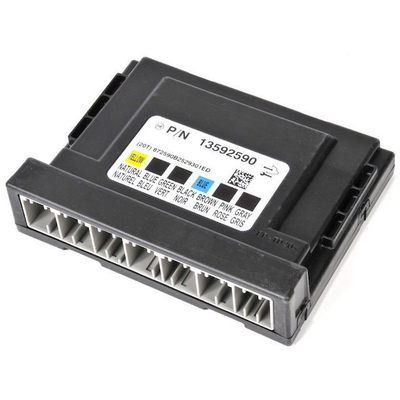
Below are the parts most often responsible for code B3925, ranked by how frequently each one is the actual culprit (per the diagnosis above). Tap any to see what we have for your vehicle.



The information in this article is provided for general reference and educational purposes only. Vehicle specifications, procedures, and part compatibility can vary by production date, trim level, and region. Always consult your vehicle's factory service manual and verify part numbers before purchasing or performing repairs. Safety-critical components such as airbags, seat belts, and braking systems should be installed by a qualified professional.
- 🧭 Diagnostic Flowchart
- 🎬 Helpful Videos
- 🛍️ Shop This Part
- What Does B3925 Mean?
- Can I Drive With B3925?
- Common Causes
- Symptoms
- Common Fixes & Costs
- DIY vs Professional
- Used vs. New Parts: Buying Guide
- What Happens If You Wait — Timeline
- Cost of Not Fixing It
- Diagnosis Steps
- When This Code Triggers (Freeze-Frame Conditions)
- Related Codes
- Climate & Environmental Factors
- How to Talk to a Mechanic About This Code
- Where to Take It: Dealer vs Independent vs Chain
- When to Walk Away From the Repair
- What Scan Tool You Need for This Code
- How to Clear the Code After You Fix It
- Will This Fail Emissions / State Inspection?
- Most Commonly Affected Vehicles
- Manufacturer-Specific Notes
- Real Owner Stories
- 2019 Chevrolet Equinox with no-start after battery died.
- 2018 Chevrolet Traverse with intermittent no-start and a good battery.
- Misdiagnosis on a 2018 Chevy Equinox leads to unnecessary BCM replacement.
- How to Prevent This Code From Triggering
- Frequently Asked Questions
- Why did my car stop working right after I replaced the battery or got a jump-start?
- The dealer is telling me I need a new BCM, but I read online it's just a reprogram. Who is right?
- Can I fix code B3925 myself?
- How can I prevent code B3925 from happening again?
- My car won't start and I have this code. What should I do right now?
- What is an 'environmental identifier'?
- Is this problem covered under warranty?
- What is TSB #23-NA-163?
- Key Takeaways
- 🎟️ Get 5% Off