

B3935 on 2024-2025 Buick Envision: No-Start, Security Light Causes and Fixes
Code B3935 on a 2024-2025 Buick Envision indicates a 'Transponder Authentication Error,' which causes a no-start or start-and-stall condition. The most common cause is Radio Frequency (RF) interference from other devices on your keychain, not a faulty part. Before any repairs, remove all other keys and access cards from your Buick key fob and try starting the vehicle again. Placing the fob in the designated transmitter pocket in the center console can also overcome interference.
- B3935 means your Envision's anti-theft system has blocked the engine from starting due to a key authentication failure.
- DO NOT replace any parts first. The most likely cause is Radio Frequency (RF) interference.
- The first and most effective diagnostic step is to remove your Buick key from a cluttered keychain and move all other fobs, access cards, and electronics away from it.
- If isolating the key doesn't work, try the spare key or replace the CR2032 battery in the primary key fob.
- Only seek professional repair to investigate the BCM or other hardware if these simple, free/cheap steps fail to resolve the issue.
What's Unique About the 2024-2025 Buick ENVISION
For modern GM vehicles like the 2024-2025 Envision built on the E2XX platform, this code is strongly associated with external factors rather than component failure. GM has issued multiple Technical Service Bulletins (TSBs), including the PIC5650 series (L and M), warning technicians that intermittent no-start conditions with code B3935 are frequently caused by Radio Frequency Interference (RFI). The official guidance explicitly advises against replacing parts until RFI from items like other key fobs, access cards, or even aftermarket chargers has been completely ruled out. The 2024+ Envision uses GM's Vehicle Intelligence Platform (VIP or Global B), which features advanced cybersecurity and requires mandatory online programming for modules like the BCM, making component replacement more complex than on previous generations.
Diagnostic Flowchart
Tap your situation to follow the diagnostic path that matches what you're seeing on this vehicle.
Symptoms You May Notice
- Intermittent no-crank, no-start condition.
- Engine starts and immediately stalls.
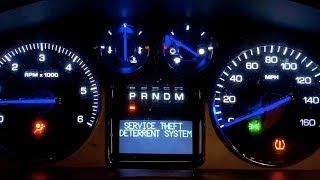
- Security indicator light is illuminated or flashing on the dashboard.
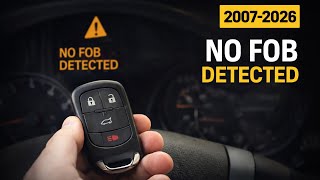
- "No Fob Detected" or "Service Theft Deterrent System" message on the driver information ce 🎬 Watch: Troubleshooting the Service Theft Deterrent System message on GM vehicles.nter.
- Replacing the starter motor
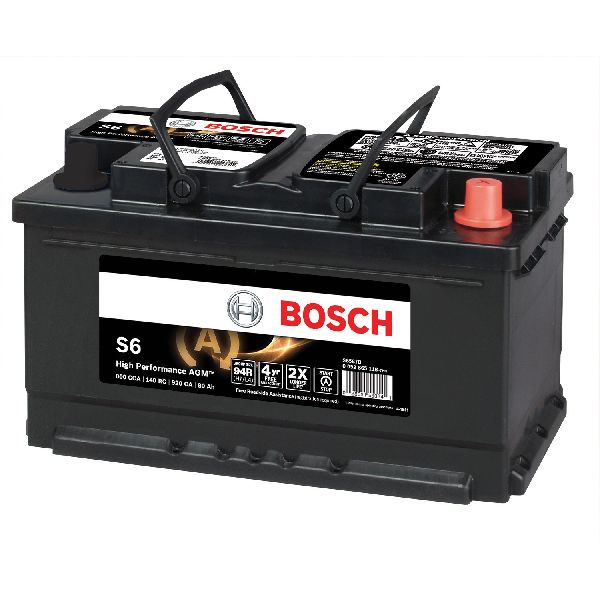
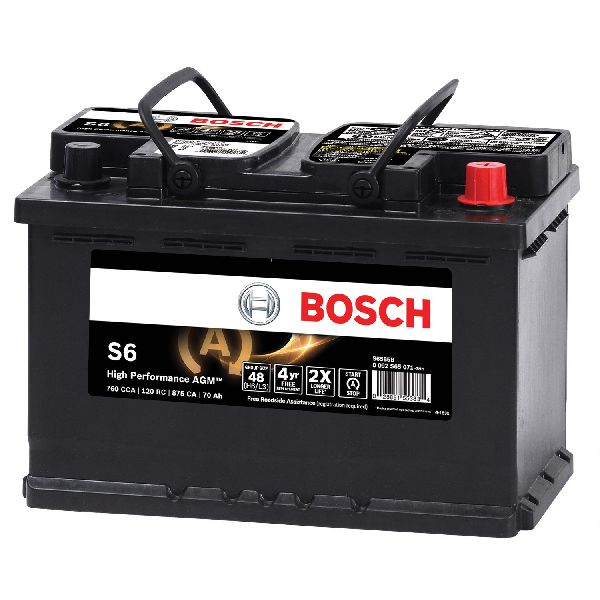
- Replacing the 12V vehicle battery (unless it has failed a load test for other reasons)
- Replacing the Body Control Module (BCM) without first ruling out RF interference and key fob issues, as explicitly warned against in TSB PIC5650M.
Most Likely Causes
- Radio Frequency Interference (RFI) 🔴 High Probability The vehicle's security system is sensitive to external radio signals. GM TSBs #PIC5650M and #PIC5650L directly cite this as a primary cause for intermittent no-start conditions with code B3935. Common sources include other vehicle keys, building access cards, toll passes, and aftermarket LED lights or USB chargers.
How to confirm: Remove all other key fobs, building access cards, toll passes, and aftermarket electronic devices from the keychain and from inside the vehicle. Attempt to start the vehicle with only the Buick key fob present. If it starts, RFI was the cause.
Typical fix: Keep the Buick key fob isolated from other RFID-emitting devices. Do not use a cluttered keychain. Remove any low-quality aftermarket chargers or electronics from the vehicle's power outlets.
Est. part cost: $0 - Weak or Dead Key Fob Battery 🟡 Medium Probability → Shop Vehicle Battery While the key's transponder chip is powered passively by the car, a weak fob battery (CR2450 for this model) can cause intermittent communication issues with the keyless entry system, leading to authentication failures. A weak signal is more susceptible to RFI.
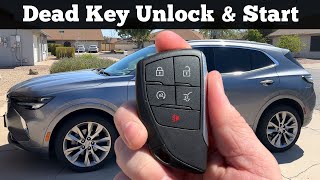
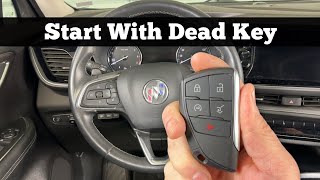
How to confirm: Try starting the vehicle with the spare key. If the spare key works reliably, the primary key's battery is the likely culprit. You can also try placing the key fob in the designated transponder pocket, which for the 2021+ Envision is a small, flat depression at the front of the center console storage area. 🎬 Watch: How to start your Envision with a dead fob battery. If the vehicle starts using the pocket, the battery is weak.
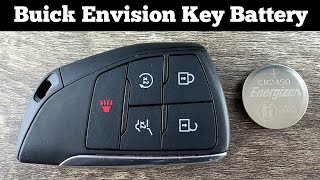
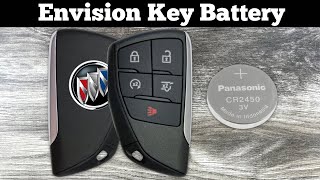
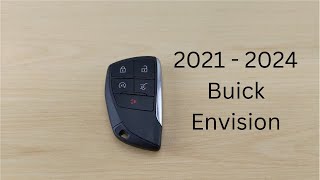
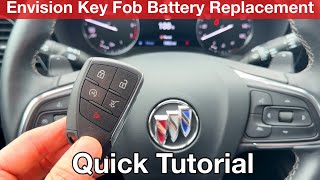
Typical fix: Replace the CR2450 battery inside the key fob. 🎬 See this quick DIY guide for replacing your key fob battery.
Est. part cost: $2-$7 - Body Control Module (BCM) Software Anomaly ⚪ Low Probability → Shop Body Control Module On some GM platforms, software glitches in the BCM can cause it to improperly read the immobilizer information, setting B3935, sometimes with B2955. TSB PI1180A was released for other GM models to address this with a software update. This should be investigated before replacing the BCM.
How to confirm: This requires a dealer or qualified shop with a GM-specific scan tool (like GDS2 with TIS2WEB access) to check for available BCM software updates against the vehicle's VIN.
Typical fix: Reprogram the BCM with the latest software calibration using the Service Programming System (SPS).
Est. part cost: $0 (if under warranty), $100-$250 (labor for reprogramming)
Rare But Worth Checking
- Damaged or Faulty Key Fob: → Shop Keyless Entry Transmitter If the spare key works but the primary key does not (even with a new battery and no RFI), the key itself may be damaged internally from being dropped or exposed to moisture. A locksmith or dealer can test the key's signal output.
- Faulty Body Control Module (BCM): → Shop Body Control Module This is a rare cause and should only be considered after all other possibilities, including RFI, key fob issues, and software updates, have been exhaustively ruled out. The TSBs specifically advise against replacing hardware as a first step.
Diagnosis Steps
- Verify that the security light is illuminated on the dash when the no-start condition occurs.
- Remove the Buick key fob from your keychain. Ensure no other keys, fobs, or RFID cards (like office badges or gas station passes) are near it.
- Remove any aftermarket phone chargers, dash cams, or other 12V/USB powered devices from the vehicle's cabin, as these are known sources of RFI.
- Attempt to start the vehicle. If it starts, the problem is confirmed as RF interference.
- If the vehicle still does not start, try using the spare key (also isolated from other devices). If the spare key works, the primary key is faulty or its battery is dead.
- If the key fob battery is suspected to be weak, place the fob in the designated transmitter pocket located in the front of the center console storage area and attempt to start the vehicle. If it starts, replace the CR2450 battery in the key fob.
- If neither key works and RFI has been ruled out, the vehicle needs professional diagnosis. A technician will use a scan tool to check for BCM software updates and test the immobilizer system components.
- As a last resort for a stranded vehicle, some older GM vehicles have a 30-minute relearn procedure, but the primary fix for this modern platform is eliminating interference or using the transmitter pocket.
Parts You'll Likely Need
- Key Fob Battery
(OEM #CR2450)— A weak key fob battery is a common and inexpensive potential cause for intermittent authentication failures.
Trusted brands: Energizer, Duracell, Panasonic
OEM price range: $5-$10
Aftermarket price range: $2-$7 - Keyless Entry Transmitter (Key Fob)
(OEM #13547571, 13537970, 13543970, 13537968)— If a key fob is faulty (and the spare works), it will need to be replaced and programmed by a dealer or automotive locksmith. Part number varies by button configuration (e.g., with or without hatch button).
Trusted brands: ACDelco (OEM)
OEM price range: $150-$350
Aftermarket price range: $70-$150
Related Codes That Often Appear With This One
- B3055 — This code relates to a key transponder data problem ('No Transponder Modulation') and is often set alongside B3935 due to the same RFI or key authentication issues, as noted in TSB #PIC5650M.
- B3060 — Indicates a problem with the immobilizer antenna circuit or an 'Un-Programmed Transponder'. It can be triggered by severe RFI or a wiring issue, appearing with B3935.
- C0750, C0755, C0760, C0765, C0775 — These codes are related to the Tire Pressure Monitoring (TPM) system, which also uses RF signals. Severe RFI that triggers B3935 can also disrupt the TPM system, causing these codes to appear simultaneously, as mentioned in TSB #PIC5650M.
- B2955 — When seen with B3935 on some GM models, this code combination specifically points to a BCM software glitch that may be resolved with a reprogram, as referenced in TSB PI1180A.
Technical Service Bulletins (TSBs) & Recalls
- PIC5650M: Advises checking for RF interference for intermittent no-crank/start with security light on and DTCs B3055, B3060, B3935, etc.
- PIC5650L: An earlier version of the same bulletin, strongly advising against part replacement and questioning the customer about RF-emitting devices.
- PI1180A: Referenced for other GM models, this TSB addresses a BCM software glitch causing B3935 and B2955, fixed by reprogramming. It's a known possibility if RFI is ruled out.
Platform-Specific Known Issues
- A series of GM Technical Service Bulletins (PIC5650L, PIC5650M) explicitly state that intermittent no-crank/no-start conditions with code B3935 are often caused by Radio Frequency Interference and that technicians should not replace parts before ruling this out.
- Common sources of interference listed in the TSBs include other vehicle keys, building access cards, toll passes, aftermarket LED lights, and various USB or 12-volt powered devices.
- For the 2021+ Envision, the backup location to start the car with a weak fob battery is a small depression at the front of the center console storage area, not in the cupholder as on some other GM models.
Hidden / Shadow Codes Worth Checking
- B3935 57: This is a GM-specific symptom byte meaning 'Invalid or Mismatched Key' or 'Transponder Authentication Error'. It confirms that the BCM recognized the key but the cryptographic challenge/response calculation failed. This helps a technician differentiate between a key that isn't being read at all versus one that is failing the security handshake. (see via A professional GM-specific scan tool like the GDS2 (Global Diagnostic System 2) is required to view symptom bytes.)
Scan Tool Commands That Help
- GDS2 (Global Diagnostic System 2): Module Diagnostics > Body Control Module (BCM) > Immobilizer Learn — This function is required after replacing the BCM or key fobs. It guides the technician through the process of programming new keys to the vehicle's immobilizer system. All existing keys will be erased and must be relearned.
- GDS2 (Global Diagnostic System 2): Module Diagnostics > Remote Control Door Lock Receiver > Add/Replace Key Fobs — Used to add a new key fob to an existing set without erasing all other keys. This is useful when a customer simply wants an additional spare key programmed.
- GDS2 (Global Diagnostic System 2): Vehicle DTC Information > Display DTCs — This is the initial step to read all codes from all modules. For B3935, it's critical to check for the '57' symptom byte and see if other related codes in the BCM or other modules are present.
Wiring & Ground Locations
- K9 Body Control Module (BCM) — For the 2021-2024 Buick Envision, the BCM is located in the center console, accessible by removing the lower panel on the passenger side footwell.. The BCM is the central computer that manages the entire immobilizer system. All key authentication signals are processed here. A poor connection at the BCM connectors or a faulty ground for the module can cause intermittent communication errors, leading to code B3935.
- OBD-II Data Link Connector — Located under the driver's side dashboard, to the left of the steering column.. This is the port where a scan tool (like GDS2) connects to the vehicle to read codes, view live data, and perform necessary programming and relearn procedures for the immobilizer system.
OEM Part Supersession History
13536133, 13537970, 13542235, 13543970→13547571— Part consolidation and potential internal revisions by the manufacturer.
Heads up: Part 13547571 is specified for Envision models with remote start but without the passive entry feature. Using the wrong fob variant will result in a failure to program.
Helpful Videos

We Have This Part in Stock

The information in this article is provided for general reference and educational purposes only. Vehicle specifications, procedures, and part compatibility can vary by production date, trim level, and region. Always consult your vehicle's factory service manual and verify part numbers before purchasing or performing repairs. Safety-critical components such as airbags, seat belts, and braking systems should be installed by a qualified professional.
- Buick ENVISION:
- 🧭 Diagnostic Flowchart
- 🎬 Helpful Videos
- 🛍️ Shop This Part
- What's Unique About the 2024-2025 Buick ENVISION
- Symptoms You May Notice
- Most Likely Causes
- Rare But Worth Checking
- Diagnosis Steps
- Parts You'll Likely Need
- Related Codes That Often Appear With This One
- Technical Service Bulletins (TSBs) & Recalls
- Platform-Specific Known Issues
- Hidden / Shadow Codes Worth Checking
- Scan Tool Commands That Help
- Wiring & Ground Locations
- OEM Part Supersession History
- 🎟️ Get 5% Off