

B3935 on 2007-2014 Buick LaCrosse: Security System Fault Causes and Fixes
Code B3935 on a Buick LaCrosse almost always means there's a security system problem preventing the car from starting. Before replacing any parts, remove all other keys, fobs, and access cards from your Buick keychain, as radio frequency interference is the most common cause per GM Technical Service Bulletins. This is a free and easy first step that resolves the issue for many owners.
- Code B3935 is a security error. Your car thinks it's being stolen and won't start.
- The most likely cause is interference from other keys or cards on your keychain. Isolate your Buick key as the first diagnostic step.
- Do not replace any parts until you have tried isolating the key and using your spare key.
- If a new key is needed, it must be professionally programmed to your vehicle.
- In rare cases, the Body Control Module (BCM) may be at fault, which is a more expensive repair.
What's Unique About the 2007-2014 Buick LACROSSE
For this generation of LaCrosse and many other GM vehicles, the vehicle's security system is highly susceptible to radio frequency interference (RFI). General Motors has issued multiple Technical Service Bulletins (TSBs), such as PIC5650M, advising technicians that intermittent no-start conditions with code B3935 are often caused by other devices on the owner's keychain, not a faulty part on the vehicle. This makes the most common cause an external factor rather than a component failure, a point repeatedly stressed in official GM documents.
Diagnostic Flowchart
Tap your situation to follow the diagnostic path that matches what you're seeing on this vehicle.
Generation note: The 2007-2014 range covers two LaCrosse generations: the first (2007-2009, on the W-body platform) and the second (2010-2014, on the Epsilon II platform). While both use a transponder key system, GM's official bulletins regarding radio frequency interference specifically list the 2010-2015 models. However, the principle of RFI causing issues applies to both generations, as does the general diagnostic procedure for the Passkey III+ system.
Symptoms You May Notice
- Engine will not crank or start.
- Engine starts and immediately stalls.
- Security light is illuminated or flashing on the dashboard.
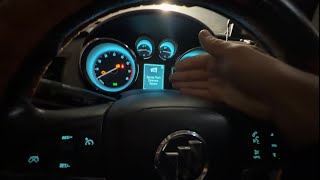
- "Service Theft Deterrent System" message on the d 🎬 Watch: How to fix the service anti-theft system error messageriver information center (DIC).
- With keyless access, a "No Fob Detected" message may appear.
- Replacing the battery or starter. If the security light is on, the no-start is likely commanded by the BCM, not a lack of power.
- Replacing the BCM first. Due to the high probability of RFI or a bad key, the BCM should be one of the last components to be suspected and replaced.
- Replacing the ignition switch. While related, the ignition switch is a separate component from the immobilizer antenna and transponder system that sets this specific code.
Most Likely Causes
- Radio Frequency Interference (RFI) 🔴 High Probability As documented in GM TSBs PIC5650L, PIC5650M, and others, the vehicle's immobilizer system is sensitive to external radio signals. Common sources include other vehicle key fobs, building access cards, toll passes, or even some aftermarket phone chargers on the same keychain or near the ignition.
How to confirm: Remove all other keys, fobs, and cards from the Buick key ring. Attempt to start the vehicle with only the single Buick key near the ignition. If the car starts reliably this way, RFI was the cause. This is the first step recommended by GM.
Typical fix: Keep the Buick key isolated from other radio-frequency emitting devices. Advise the owner not to bundle keys.
Est. part cost: $0 - Defective Ignition Key 🟡 Medium Probability → Shop Ignition Switch The transponder chip embedded in the plastic head of the key can fail internally or suffer damage from being dropped, preventing it from correctly responding to the BCM's security challenge.
How to confirm: Try starting the vehicle with a known-good spare key. If the spare key works every time and the primary key fails, the primary key is faulty. A repair manual for a 2013 LaCrosse explicitly states to replace the suspected key first.
Typical fix: Replace the defective key. A new key must be cut and programmed to the vehicle by a locksmith or dealership.
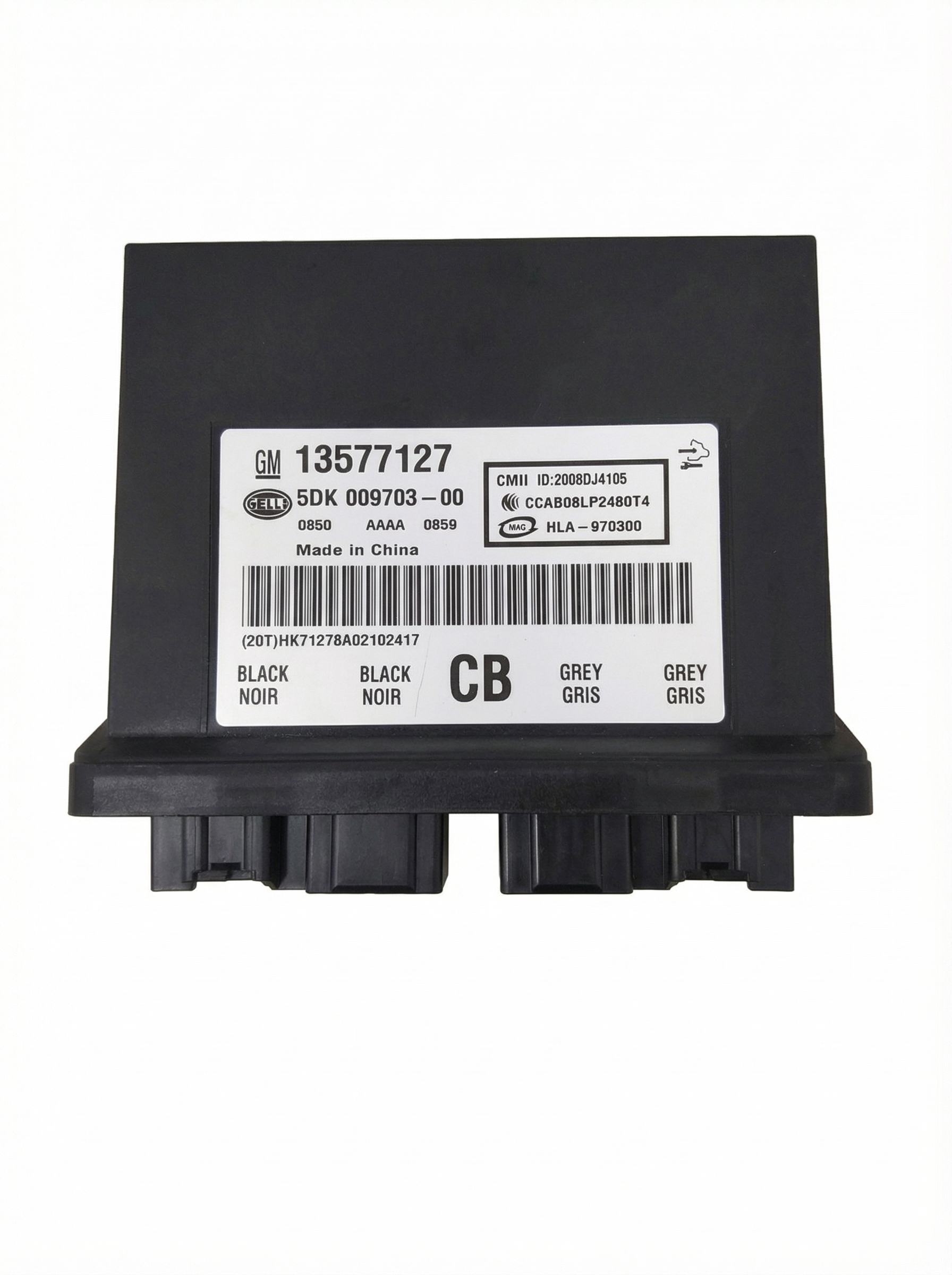
Est. part cost: $50-$150 - Failing Body Control Module (BCM) ⚪ Low Probability → Shop Body Control Module The BCM is the computer that manages the theft deterrent system. Internal electronic failure can cause it to improperly challenge the key or misinterpret the response. This is considered a last resort after ruling out interference and key issues.
How to confirm: This requires professional diagnosis with a scan tool to monitor immobilizer data and rule out all other possibilities (keys, wiring, interference). If a new, properly programmed key does not resolve the code, the BCM is the likely culprit.
Typical fix: Replace the Body Control Module and program it to the vehicle's VIN and specific options. Some services offer cloning of the original BCM to avoid dealer programming.
Est. part cost: $200-$400
Rare But Worth Checking
- BCM Software Glitch: A GM TSB (PI1180A) exists for other models where a BCM software glitch causes B3935 and B2955 to set together. If you have both codes, a BCM reprogram with updated software may be the fix, rather than a replacement. This specifically addresses a 'No Click, No Crank, No Start' condition.
- Faulty Immobilizer Antenna (Exciter Coil): → Shop Antenna This is the ring around the ignition lock cylinder that powers the key's transponder. While it can fail, it is much less common than key or interference issues. It can sometimes set code B3060 along with B3935.
- Poor Connection at BCM or Fuse Block: On platform-mate vehicles like the Cadillac SRX, owners have reported that intermittent no-start conditions were traced back to loose or corroded connections at the main fuse block or the BCM connectors, mimicking a component failure.
Diagnosis Steps
- Verify the security light is on or flashing when the no-start condition occurs. Note any messages on the Driver Information Center.
- Isolate the Key: Remove the Buick key from your keychain so it is by itself. Try to start the car. If it works, you have found the source of RFI. This is the primary step recommended by GM TSBs.
- Try the Spare Key: Attempt to start the vehicle with your second key. If it starts reliably, the first key is faulty.
- Check for Aftermarket Electronics: Unplug any aftermarket phone chargers, dash cams, LED lighting, or other devices, as they can also be a source of RFI.
- Perform a Security Relearn Procedure: In some cases, a 10-minute or 30-minute relearn procedure (turning the key to 'ON' without starting and waiting for the security light to go out) 🎬 Watch: Step-by-step guide to turning off the theft deterrent light may temporarily allow a start, but it does not fix the root cause.
- Inspect Wiring: If the problem persists, inspect the wiring and connector at the ignition lock cylinder for the immobilizer antenna and check for secure connections at the BCM and underhood fuse block.
- Professional Diagnosis: If the above steps do not identify the problem, the vehicle should be taken to a qualified technician with a GM-compatible scan tool to read immobilizer data, check for related codes like B2955, and determine if a key, BCM, or software update is needed.
Parts You'll Likely Need
- Transponder Ignition Key
(OEM #5912555 (Strattec), 13504205 (GM))— The internal chip in the original key may have failed. This is the next most likely cause after ruling out interference. This part number is for the 2010-2016 flip key style.
Trusted brands: ACDelco, Strattec
OEM price range: $70-$120
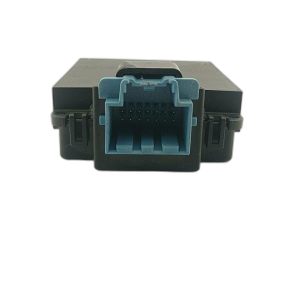
Aftermarket price range: $25-$75 - Body Control Module (BCM)
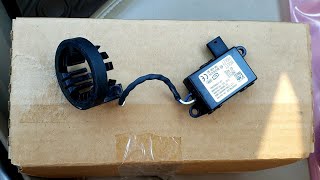
(OEM #13580696 (example for 2012-2013 models))— If interference and keys are ruled out, the BCM itself may have an internal fault 🎬 See this walkthrough for replacing the theft deterrent module preventing it from authenticating a known-good key. This part requires professional programming. Part numbers are highly specific to year and options.
Trusted brands: ACDelco (OEM)
OEM price range: $250-$400
Aftermarket price range: $150-$300
Related Codes That Often Appear With This One
- B3055 — Relates to a problem with the key transponder itself, indicating no key or an incorrect key was detected. It often appears with B3935 as part of the same security system fault event.
- B3060 — Indicates an issue with the immobilizer antenna (exciter coil) circuit. It can be set along with B3935 during a failed authentication attempt.
- B2955 — This code, when set with B3935, specifically points to a BCM software issue on some GM vehicles that can be fixed with a reflash per TSB PI1180A.
Technical Service Bulletins (TSBs) & Recalls
- PIC5650M: Mentions intermittent no crank/start with security light and DTC B3935, B3055, and B3060, blaming RFI.
- PIC5650L: An earlier version advising not to replace parts and to ask the customer about Radio Frequency Identification devices on their keychain.
- PIC5650B / PIC5650F: Later revisions of the same bulletin that explicitly list the 2010+ LaCrosse and provide examples of RFI-emitting devices like toll passes and other key fobs.
- PI1180A: Addresses a BCM software glitch on other GM models causing B3935 and B2955 to set together.
Platform-Specific Known Issues
- GM Technical Service Bulletin PIC5650M and its subsequent revisions directly address this code on the 2010-2014 LaCrosse, stating an intermittent no-start with B3935 is often caused by Radio Frequency Interference and that parts should not be replaced until this is ruled out.
- A Reddit user with a 2010 LaCrosse experienced the "Service Theft Deterrent System" message, which left them stranded and ultimately required professional service, highlighting the severity of the lockout.
Hidden / Shadow Codes Worth Checking
- B3935 57: The '57' is a symptom byte that may be displayed on a Tech2 or GDS2 scan tool, specifically meaning 'Transponder Authentication Error'. It confirms the BCM has received a valid transponder value but the challenge/response calculation failed. (see via GM Tech2 or GDS2 Scan Tool)
Scan Tool Commands That Help
- GDS2 (Global Diagnostic System 2): Module Diagnostics > Remote Control Door Lock Receiver > Configure/Reset Functions > Add/Replace Key Fobs — This function is used after purchasing a new key. It guides the technician through the process of programming the new key transponder and remote functions to the vehicle's BCM.
- GDS2 / Tech2: Immobilizer Data Display — Before replacing parts, a technician can use the scan tool to monitor live data from the theft deterrent system. This allows them to see the state of the system, the number of keys programmed, and the reason for the last security event, which can help differentiate between RFI, a bad key, or a module fault.
- SPS (Service Programming System): Body Control Module Reprogramming — If DTCs B3935 and B2955 are present together, TSB PI1180A indicates a software update is required. This function uses the SPS software to flash the BCM with the latest calibration to fix the software glitch.
Wiring & Ground Locations
- BCM (2007-2009) — Located to the left of the steering column. It has multiple large connectors, typically black (C1, C2) and gray.. This module contains the Theft Deterrent Module (TDM) logic for the first generation. Poor connections at its connectors (C1, C2, C3) can cause a variety of issues, including no-start conditions.
- BCM (2010-2014) — Located in the center console area, accessible by removing the lower panel on the passenger side footwell.. The BCM integrates the theft deterrent functions on the second generation LaCrosse. Checking for secure connections at its seven different colored connectors is a key diagnostic step if wiring is suspected.
- G102 / G103 — For the 2007-2009 models, these are primary engine bay grounds. G102 is typically below the right front strut tower, and G103 is a redundant ground from the ECM to the engine block.. A poor main ground can cause voltage fluctuations and data communication errors between the BCM and ECM, potentially mimicking a security system failure.
- Immobilizer Data Wire (2010-2014) — This is a Light Green/White or Green/Violet wire at the Immobilizer Control Module, which is located under the ignition switch.. This is the serial data line that carries the transponder challenge and response information. A damaged or shorted wire here would directly cause a B3935 code.
Real Owner Repair Stories
- Chevrolet Forum User (2007 Silverado (similar Passkey III+ system)) — Vehicle would not start after replacing the battery. "Service Theft Deterrent System" message was displayed.
❌ Tried (didn't work) Reading the manual, disconnecting the battery.
✅ What actually fixed it A hard reset performed by touching the disconnected positive and negative battery cables together for 45-60 seconds. This cleared the BCM's confused state and allowed the vehicle to start. Note: This fix is anecdotal and may not work for all cases, particularly if a hard fault exists. - Reddit User on r/cruze (2014 Chevy Cruze (similar system)) — Intermittent no-start that became a permanent no-start with "Service Theft Deterrent System" alert. Alarm would go off but car would not crank.
❌ Tried (didn't work) Replacing the key fob battery, the 30-minute key relearn procedure, disconnecting the battery for a hard reset.
✅ What actually fixed it The user ultimately had to call a mobile locksmith. The implication is that the key had failed completely or the BCM required professional-level diagnostics and programming that DIY methods could not resolve.
Model Year Variations Within This Range
- 2007-2009 vs 2010-2014: The earlier W-body LaCrosse (07-09) used the Passkey III system, which often had a separate Theft Deterrent Module (TDM). The later Epsilon II LaCrosse (10-14) uses the more advanced Passkey III+ cryptographic system, and its functions are typically integrated directly into the Body Control Module (BCM), eliminating the separate TDM. This means for later models, a BCM replacement is the only option if the module is condemned, whereas earlier models might have had a separate, and potentially cheaper, TDM to replace.
Helpful Videos
We Have This Part in Stock

The information in this article is provided for general reference and educational purposes only. Vehicle specifications, procedures, and part compatibility can vary by production date, trim level, and region. Always consult your vehicle's factory service manual and verify part numbers before purchasing or performing repairs. Safety-critical components such as airbags, seat belts, and braking systems should be installed by a qualified professional.
- Buick LACROSSE:
- 🧭 Diagnostic Flowchart
- 🎬 Helpful Videos
- 🛍️ Shop This Part
- What's Unique About the 2007-2014 Buick LACROSSE
- Symptoms You May Notice
- Most Likely Causes
- Rare But Worth Checking
- Diagnosis Steps
- Parts You'll Likely Need
- Related Codes That Often Appear With This One
- Technical Service Bulletins (TSBs) & Recalls
- Platform-Specific Known Issues
- Hidden / Shadow Codes Worth Checking
- Scan Tool Commands That Help
- Wiring & Ground Locations
- Real Owner Repair Stories
- Model Year Variations Within This Range
- 🎟️ Get 5% Off