

B3935 on 2013-2018 Cadillac ATS: Transponder Authentication Error Fixes
Code B3935 on a Cadillac ATS means the car's security system failed to authenticate the key fob, causing a no-start. The most common cause is radio frequency (RF) interference from other devices on your keychain. Before replacing parts, remove all other fobs or access cards from your keys and try again.
- B3935 means your ATS is not starting because of a key authentication failure.
- The most likely cause is not a broken part, but interference from other electronic devices on your keychain or in your car.
- Before any repairs, isolate the key fob from all other items and try starting the car again.
- If the key fob battery is weak, you can still start the car by placing the fob in a special pocket inside the center console.
- If the code appears with B2955, a BCM software update may be the required fix.
What's Unique About the 2013-2018 Cadillac ATS
On the Cadillac ATS and other GM vehicles of this era built on the Alpha platform, the immobilizer system is highly sensitive to radio frequency (RF) interference. GM has issued multiple Technical Service Bulletins (TSBs), most notably the PIC5650 series, acknowledging that devices like office key cards, gas station payment fobs, or even other car keys can disrupt the 125 kHz signal between the ATS key fob and the car's antenna. The primary fix recommended by the manufacturer is often not a part replacement, but simply separating the car key from other RF-emitting devices. Aftermarket electronics like LED lighting and cell phone chargers are also cited as common sources of interference.
Diagnostic Flowchart
Tap your situation to follow the diagnostic path that matches what you're seeing on this vehicle.
Symptoms You May Notice
- Engine will not crank or start
- Engine starts and immediately stalls
- Security indicator light is on or flashing on the instrument cluster
- "Service Theft Deterrent System" message on the driver information center
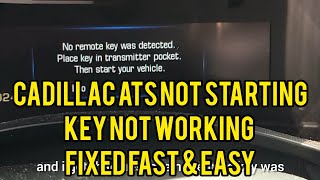
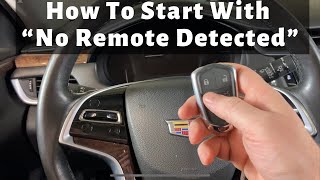
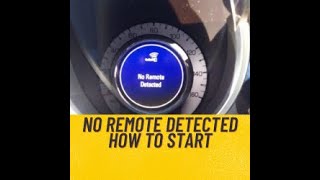
- "No Remote Key Was Detected" message on the driver information center.
- Replacing the starter motor. A no-crank condition caused by the security system is often mistaken for a failed starter. However, a security-related no-start will not typically produce a 'click' from the starter solenoid.
- Replacing the vehicle's main battery. While a low main battery can cause various electrical issues, B3935 specifically points to a key authentication problem, not a lack of starting power. However, a failing battery can sometimes trigger a cascade of electrical faults, so ensuring the battery is healthy is a valid first step in any no-start diagnosis.
Most Likely Causes
- Radio Frequency (RF) Interference 🔴 High Probability The vehicle's immobilizer system operates at 125 kHz, and other common devices (office access cards, other key fobs, payment tags, toll passes) can operate in a similar range, causing signal disruption. This is a widely documented issue by GM in TSBs PIC5650L, PIC5650M, and later revisions. Aftermarket LED lights and 12V chargers are also known culprits.
How to confirm: Remove all other keys, fobs, and electronic devices from the keychain with the Cadillac ATS key. Attempt to start the vehicle with the isolated key. If the issue is intermittent, ask the driver about items they carry, such as building access cards or other fobs.
Typical fix: Keep the Cadillac ATS key separate from other RF-emitting devices. No parts are required.
Est. part cost: $0 - Weak or Dead Key Fob Battery 🟡 Medium Probability → Shop Vehicle Battery
How to confirm: Try the vehicle's second key fob. If it works reliably, the battery in the first fob is the likely culprit. You can also try placing the problematic fob in the vehicle's dedicated transponder pocket, which can often start the car even with a weak battery. For the ATS, this pocket is located inside the center console storage area. 🎬 Watch: How to start your ATS with a dead key fob
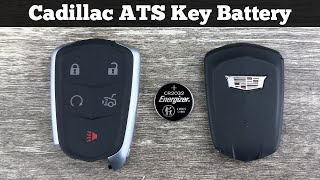
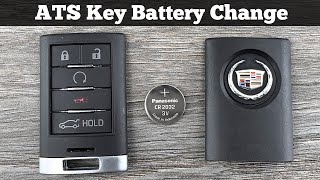
Typical fix: Replace the CR2032 battery inside the key fob. 🎬 See this quick walkthrough for replacing your 2015+ key battery
Est. part cost: $2-$10 - Faulty Key Fob ⚪ Low Probability → Shop Keyless Entry Transmitter
How to confirm: If a new battery doesn't solve the issue and the second key fob works perfectly, the internal electronics of the first fob may have failed. A dealership or automotive locksmith can test the transponder's signal. A user on a Camaro forum experienced this exact issue, where the key failed while the car was parked, and a new key resolved the B3935 code.
Typical fix: Replace and reprogram the key fob. This requires a specific, 30-minute relearn procedure if all keys are lost, or a simpler procedure if a working key is available.
Est. part cost: $150-$400 - Body Control Module (BCM) Software Glitch ⚪ Low Probability → Shop Body Control Module
How to confirm: This requires a professional diagnosis. If code B3935 is consistently present with B2955 ('Security System Sensor Data Circuit'), a software issue is highly likely. GM issued TSB PI1180A for this specific combination, though it primarily lists trucks and SUVs, the underlying logic is relevant. A GM dealer can check for available software updates for the BCM.
Typical fix: Reprogram the Body Control Module (BCM) with the latest software calibration available from GM using the Service Programming System (SPS). This is a 0.5-hour labor operation under warranty.
Est. part cost: $0 (if performed under a specific service campaign or warranty)
Rare But Worth Checking
- Faulty Remote Control Door Lock Receiver (RCDLR) or Antenna: → Shop Keyless Entry Receiver The RCDLR module and its associated antennas are responsible for receiving the key fob signal. If multiple known-good keys fail to start the vehicle and RF interference has been ruled out, the module or one of its antennas may have failed. The diagnostic procedure after trying new keys is to suspect the Theft Deterrent Module (or BCM/RCDLR in this case).
Diagnosis Steps
- Scan the vehicle for all DTCs to see if B3935 is accompanied by other codes like B3055, B3060, or B2955.
- Remove the Cadillac ATS key from the keychain, isolating it from all other keys, fobs, and access cards. Also remove any aftermarket 12V chargers or devices. Attempt to start the vehicle.
- If the vehicle starts, the issue is RF interference. Advise the owner to keep the key separate.
- If the vehicle does not start, try using the second key fob.
- If the second key fob works, replace the CR2032 battery in the primary key fob.
- If a new battery does not fix the primary fob, place it in the dedicated transponder slot and attempt to start. For the ATS, this pocket is inside the center console storage area. If it starts, this confirms a weak signal from either the fob or the car's antenna.
- If the vehicle still fails to start with all keys and with no interference, and especially if codes B3935 and B2955 are present together, professional diagnosis is required to check for a BCM software update per TSB PI1180A.
- If software is up to date and all keys fail, a technician will need to diagnose the Theft Deterrent Module (BCM), Remote Control Door Lock Receiver (RCDLR), and related antenna circuits.
Parts You'll Likely Need
- Key Fob Battery
(OEM #CR2032)— The most common and cheapest part to fail, leading to a weak signal that the car cannot authenticate.
Trusted brands: Energizer, Duracell, Panasonic
OEM price range: $5-$10
Aftermarket price range: $2-$5 - Keyless Entry Remote Fob
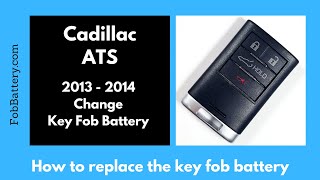
(OEM #Varies by year/options. Examples: 13508280, 22856930 (4-button, 2013-14), 13594025 (5-button, 2015+), 🎬 Watch: Battery replacement guide for 2013-2014 Cadillac ATS fobs FCC IDs: NBG009768T, HYQ2AB, HYQ2EB.)— If the fob's internal transponder fails, the entire unit must be replaced and programmed to the vehicle.
Trusted brands: ACDelco (OEM), Strattec
OEM price range: $150-$300
Aftermarket price range: $50-$150
Related Codes That Often Appear With This One
- B3055 — Relates to a problem with the key transponder itself. Often set alongside B3935 due to RF interference or a faulty key, as noted in TSB PIC5650M.
- B3060 — Indicates an issue with the transponder antenna circuit. It can be triggered by the same RF interference that causes B3935.
- B2955 — This code, 'Security System Sensor Data Circuit', when paired with B3935, specifically points towards a known BCM software issue on some GM vehicles that can be resolved with an update per TSB PI1180A.
Technical Service Bulletins (TSBs) & Recalls
- PIC5650M: Addresses intermittent no-crank/no-start with security light on, listing B3935 and advising to check for RF interference from a long list of sources including other fobs, toll passes, and aftermarket electronics.
- PIC5650L: An earlier version of the above TSB, specifically stating not to replace any parts for this concern and to ask the customer about RFID devices on their keychain.
- PI1180A: Notes that on some GM models (mostly trucks/SUVs, but relevant), DTCs B3935 and B2955 together can be caused by a BCM software issue requiring a reprogram.
Platform-Specific Known Issues
- This platform is subject to TSBs #PIC5650M and #PIC5650L, which explicitly warn against replacing parts for this code until Radio Frequency Interference has been ruled out as the primary cause.
- The transponder pocket used to start the car with a weak fob battery is located inside the center console storage area.
Hidden / Shadow Codes Worth Checking
- B3935 57: The '57' is a GM-specific symptom byte for 'Transponder Authentication Error', indicating the key was recognized but the encrypted challenge/response calculation failed. This confirms the issue is not a simple 'key not found' problem. (see via GM GDS2 or a high-end professional scan tool capable of reading manufacturer-specific symptom codes.)
Scan Tool Commands That Help
- GDS2 (GM): Module Diagnostics > Remote Control Door Lock Receiver > Configure/Reset Functions > Add or Replace Key Fobs — This function is used to program new or existing keys to the vehicle after a key or BCM/RCDLR replacement. It initiates the security relearn process.
- GDS2 (GM): Clear All DTCs (after a battery disconnect) — Per GM TSB 14-08-47-001, if BCM codes related to short circuits cannot be cleared, the BCM's internal driver protection may be latched. A 30-second battery disconnect is required to reset the module before codes can be successfully cleared with the scan tool.
Wiring & Ground Locations
- G104 — Engine block ground. On 2013 ATS with 4-cyl auto built after mid-Dec 2012, it's at the rear of the engine. On earlier 2013 4-cyls and all 3.6L V6 models, it's at the front of the engine.. A poor engine block ground can cause a no-crank and numerous, hard-to-diagnose electrical issues, as the starter and other components cannot complete their circuit back to the battery in the trunk.
- G201 / G205 / G400 — G201 is in the left kick panel, G205 is under the center console, and G400 is near the battery well in the trunk.. The Body Control Module (BCM), which manages the theft deterrent system, relies on these chassis grounds. A loose or corroded ground at these points can directly impact BCM function and cause intermittent security faults. GM warns to always disconnect the negative battery cable before servicing BCM grounds to prevent module damage.
- Keyless Entry Antennas — The ATS has multiple antennas. Common locations for GM vehicles include one in the center console (near the backup pocket), one in the rear bumper/trunk area, and one near the dashboard for detecting the key inside the cabin.. These antennas receive the signal from the key fob. While module or key failure is more common, a damaged antenna or its wiring can cause a 'No Remote Detected' or B3935 fault, especially if the car only starts when the fob is in the backup pocket.
Real Owner Repair Stories
- YouTube channel 'EVERYBODY EAT EMPIRE' (2017 Cadillac ATS) — No crank, no start after collision repair to the right front. All dash lights worked. No power at certain fuses in the underhood fuse block. Car would start if a jump pack was connected directly to the fuse block.
❌ Tried (didn't work) Replacing the entire underhood fuse block.
✅ What actually fixed it The root cause was a loose main positive terminal connection at the battery in the trunk. During diagnosis, the main connector at the underhood fuse block was also inadvertently damaged. The final fix was tightening the battery connection and repairing the damaged pins in the fuse block connector.
When the Usual Fixes Don't Work
- In one documented case of a no-start on a 2017 ATS, the shop incorrectly diagnosed a bad underhood fuse block and replaced it. The actual problem was a loose battery terminal in the trunk, compounded by a connector that was damaged during diagnosis. This highlights that before condemning an expensive module like the BCM or fuse block, fundamental checks of the power and ground supply from the battery are critical.
Model Year Variations Within This Range
- 2013-2014 vs 2015-2019: The key fobs are different and not interchangeable. 2013-2014 models use an FCC ID of NBG009768T. 2015-2019 models use FCC ID HYQ2AB. Using the wrong fob will result in a programming failure and can cause a B3935 code.
- 2013: The location of the main engine ground (G104) on 4-cylinder automatic models changed mid-year. Vehicles built before mid-December 2012 have the ground at the front of the engine; vehicles built after have it at the rear.
Helpful Videos
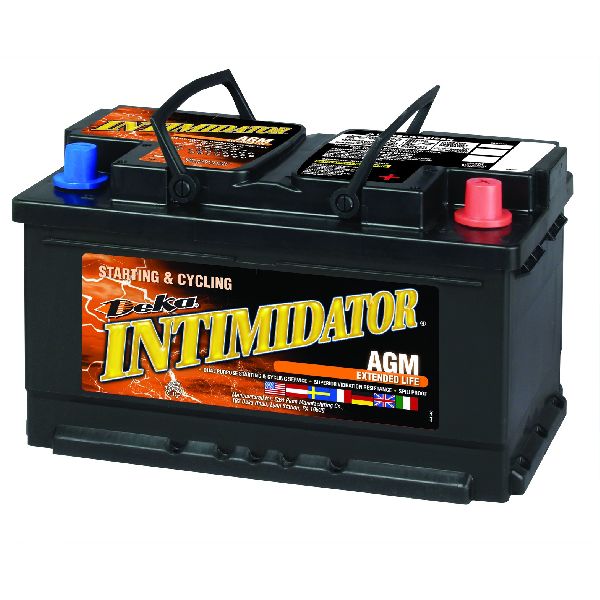
We Have This Part in Stock


The information in this article is provided for general reference and educational purposes only. Vehicle specifications, procedures, and part compatibility can vary by production date, trim level, and region. Always consult your vehicle's factory service manual and verify part numbers before purchasing or performing repairs. Safety-critical components such as airbags, seat belts, and braking systems should be installed by a qualified professional.
- Cadillac ATS:
- 🧭 Diagnostic Flowchart
- 🎬 Helpful Videos
- 🛍️ Shop This Part
- What's Unique About the 2013-2018 Cadillac ATS
- Symptoms You May Notice
- Most Likely Causes
- Rare But Worth Checking
- Diagnosis Steps
- Parts You'll Likely Need
- Related Codes That Often Appear With This One
- Technical Service Bulletins (TSBs) & Recalls
- Platform-Specific Known Issues
- Hidden / Shadow Codes Worth Checking
- Scan Tool Commands That Help
- Wiring & Ground Locations
- Real Owner Repair Stories
- When the Usual Fixes Don't Work
- Model Year Variations Within This Range
- 🎟️ Get 5% Off