

B3935 on 2017-2018 Cadillac CT6 Plug-In Hybrid: No-Start Causes & Fixes
Code B3935 on a 2017-2018 Cadillac CT6 Plug-In Hybrid indicates a 'Transponder Authentication Error,' which triggers the anti-theft system and causes a no-start condition. The most common cause is Radio Frequency Interference (RFI) from devices like phone chargers or other key fobs. Before replacing any parts, remove potential RFI sources, try placing the fob in the center console's transmitter pocket, and try starting the vehicle again, as advised by GM Technical Service Bulletins.
- B3935 means your Cadillac's anti-theft system has failed to authenticate the key, preventing the engine from starting.
- The most common cause is Radio Frequency Interference (RFI) from phone chargers, other fobs, or RFID cards. Remove these items first.
- Use the spare key to rule out a faulty primary key or dead key fob battery.
- As a workaround, place the key fob in the transmitter pocket inside the center console to start the car.
- Do not replace expensive parts like the BCM until all RFI and key-related issues have been thoroughly ruled out, as per GM's own service bulletins.
What's Unique About the 2017-2018 Cadillac CT6 PLUG-IN HYBRID
For the Cadillac CT6 and similar GM platforms, the keyless immobilizer system is known to be highly sensitive. General Motors has issued multiple Technical Service Bulletins (TSBs), specifically the PIC5650 series, warning technicians *not* to replace expensive modules for a B3935 code until external Radio Frequency Interference (RFI) has been thoroughly ruled out. This is a critical distinction, as the root cause is often an external electronic device and not a failed vehicle component. The issue is so widespread that it affects numerous GM vehicles across different platforms that share similar immobilizer system logic.
Diagnostic Flowchart
Tap your situation to follow the diagnostic path that matches what you're seeing on this vehicle.
Symptoms You May Notice
- Engine will not crank (no-start, no-click)
- Engine starts and immediately stalls
- Security indicator light is illuminated or flashing on the dashboard
- "Service Theft Deterrent System" message on the driver information center
- Replacing the Body Control Module (BCM) or Theft Deterrent Module (TDM) without first ruling out RFI.
- Replacing the starter motor when the issue is a security system lockout.
- Replacing the key fob without first trying a new battery or testing the spare key.
Most Likely Causes
- Radio Frequency Interference (RFI) 🔴 High Probability As documented in GM TSBs PIC5650M and PIC5650F, the immobilizer system in these vehicles is sensitive to external electronic devices operating in the 125 kHz range. Common sources include aftermarket phone chargers, dash cams, toll passes (like E-ZPass), building access cards, or even other vehicle key fobs on the same keychain. A real-world example on a similar GM vehicle identified a cheap, aftermarket USB phone charger as the sole cause of the B3935 code.
How to confirm: Remove the ignition key or key fob from all other keys and devices. Unplug all aftermarket accessories from the 12V power outlets. If the vehicle starts normally, RFI was the cause.
Typical fix: Keep the vehicle's key fob isolated from other electronic devices. Avoid using low-quality, unshielded aftermarket electronics in the vehicle.
Est. part cost: $0 - Weak or Defective Key Fob 🟡 Medium Probability → Shop Keyless Entry Transmitter
How to confirm: Attempt to start the vehicle with your second (spare) key fob. If the spare key works reliably, the primary key is the issue. You can also try replacing the battery in the suspect key fob first. If a new battery doesn't work, try placing the fob in the vehicle's transmitter pocket located inside the center console storage area; if it starts then, it confirms a weak signal from the fob itself.
Typical fix: Replace the battery (typically a CR2032) in the key fob. 🎬 See this quick walkthrough on replacing your key fob battery. If the transponder chip has failed, the entire key fob will need to be replaced and programmed to the vehicle by a dealer or automotive locksmith.
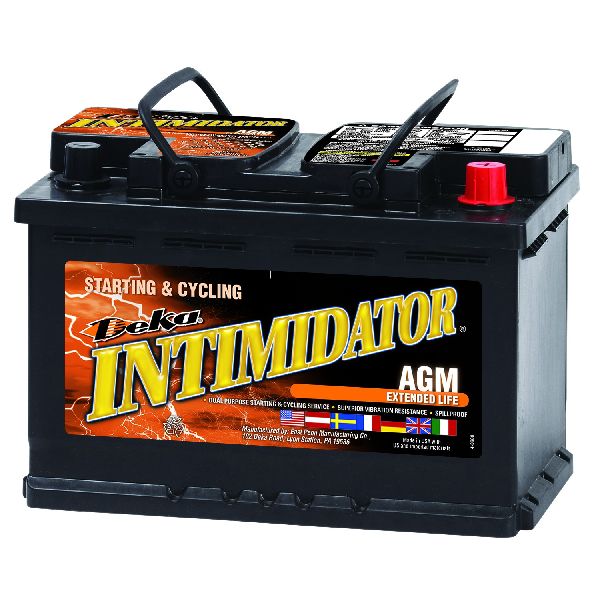
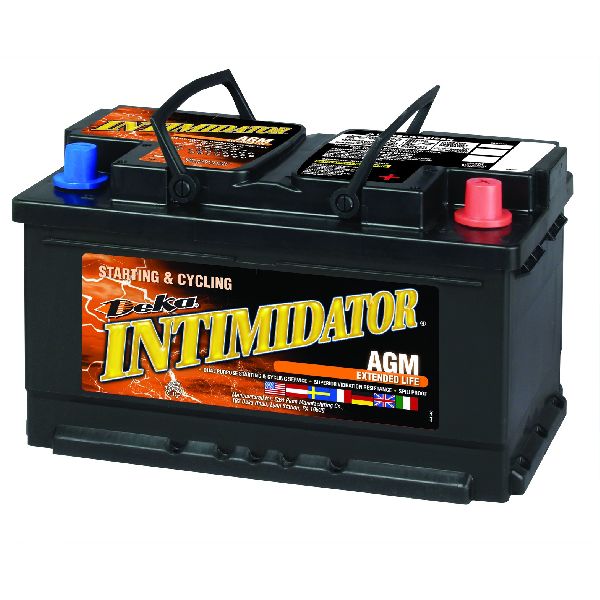
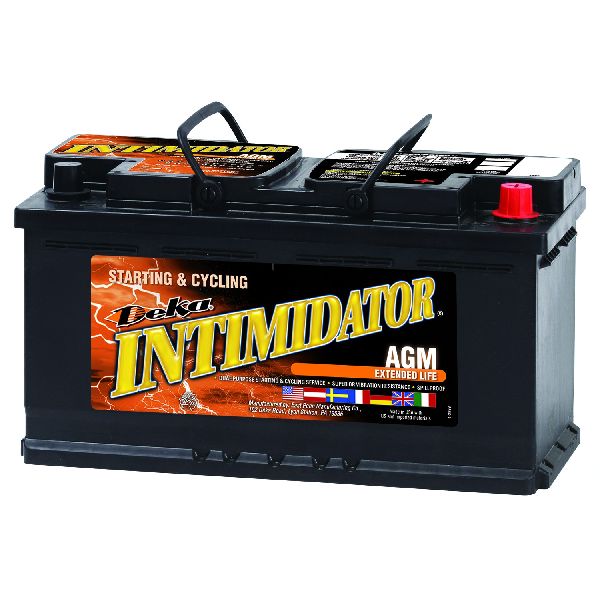
Est. part cost: $5-$10 for a battery, $150-$400 for a new programmed key fob. - Weak Vehicle 12V Battery ⚪ Low Probability → Shop Vehicle Battery
How to confirm: Low system voltage can cause various electronic modules, including the BCM and TDM, to behave erratically. Test the 12V battery with a multimeter or battery tester; a healthy battery should read above 12.4 volts at rest.
Typical fix: Recharge or replace the 12V vehicle battery.
Est. part cost: $150-$300
Rare But Worth Checking
- Faulty Body Control Module (BCM) or BCM Software Glitch: → Shop Body Control Module While rare, a BCM can fail internally. On some other GM models (specifically 2014-2015 trucks and SUVs), a similar issue with codes B3935 and B2955 together was resolved with a BCM software update (TSB PI1180A), indicating software glitches are possible. This should only be considered after all other causes are eliminated and is not known to directly apply to the CT6 without the companion code.
- Damaged Immobilizer Antenna: → Shop Antenna The antenna (exciter coil) that energizes the key transponder can be damaged, though this is uncommon. A diagnostic check would be required to verify signal output from the antenna.
Diagnosis Steps
- Verify the symptoms: Confirm the no-crank/start-stall condition and the illuminated security light.
- Isolate the Key Fob: Remove the key fob from any other keys, fobs, and RFID cards on the keychain. Try to start the vehicle with the isolated fob.
- Remove All RFI Sources: Unplug any and all aftermarket devices from the vehicle's 12V outlets (phone chargers, dash cams, GPS units, etc.).
- Test the Spare Key: Attempt to start the vehicle with a known-good spare key fob. If it starts, the issue is with the primary key.
- Replace Key Fob Battery: If a spare key is not available or also fails, replace the battery in the key fob.
- Use the Transmitter Pocket: If the above steps fail, place the key fob in the designated transmitter pocket, located inside the center console storage area. Slide the fob into the pocket and attempt to start the engine. This uses a direct antenna that can bypass RFI. 🎬 Watch: How to use the transmitter pocket when fobs aren't detected.
- Check Vehicle 12V Battery: Test the main vehicle battery to ensure it has adequate voltage (above 12.4V).
- Scan for Other Codes: Use an OBD-II scanner to check for other related codes (B3055, B3060, etc.) that can provide more context.
- Consult a Professional: If the problem persists after all the above steps, the issue may be with the BCM, immobilizer antenna, or wiring, which requires professional diagnosis with specialized tools like a GM GDS2 scanner.
Parts You'll Likely Need
- Key Fob Battery
(OEM #CR2032)— A weak key fob battery is a common cause for intermittent communication and authentication failures.
Trusted brands: Energizer, Duracell
OEM price range: $5-$10
Aftermarket price range: $2-$8 - Key Fob
(OEM #FCC ID: HYQ2EB. Compatible P/Ns: 13510255, 13598540, 13598538, 13594022, 13510236, 13598505, 13580793, 13544042, 13594020.)— If the internal transponder chip fails, the entire key fob must be replaced and programmed. This is a less common failure than RFI or a dead battery.
Trusted brands: ACDelco (OEM)
OEM price range: $150-$250
Aftermarket price range: $70-$150
Related Codes That Often Appear With This One
- B3055 — This code relates to a problem with the key transponder itself and is often set during the same anti-theft event as B3935. It is mentioned alongside B3935 in TSB PIC5650M.
- B3060 — Indicates an issue with the immobilizer antenna (exciter coil) and is part of the same key authentication system. It is also listed in TSB PIC5650M.
- C0750, C0755, C0760, C0765, C0775 — These codes relate to the Tire Pressure Monitoring System (TPMS), which also uses RF signals. Severe RFI can sometimes affect multiple RF-based systems, and these codes are listed as potential companions to B3935 in TSB PIC5650M.
- B2955 — On other GM platforms, when this code appears with B3935, it often indicates a BCM software glitch that requires a dealer-installed update, per TSB PI1180A.
Technical Service Bulletins (TSBs) & Recalls
- PIC5650M: Addresses intermittent no-crank/no-start with security light on, lists B3935, and points towards RFI as a potential cause, advising against part replacement.
- PIC5650F: Reinforces the message of PIC5650M, stating not to replace parts for this concern and to ask the customer about the use of Radio Frequency Identification devices.
- PI1180A: Addresses a no-start condition on other GM models (2014-15 trucks/SUVs) when B3935 and B2955 are set together, requiring a BCM software update.
Platform-Specific Known Issues
- Per TSB #PIC5650M and #PIC5650F, this model is susceptible to intermittent no-start conditions caused by Radio Frequency Interference, and the manufacturer explicitly advises against replacing parts until this is ruled out.
- The CT6 has a designated transmitter pocket inside the center console storage area designed to read a weak or interfered key fob signal, which can be used as a diagnostic step and a way to start the vehicle when this fault occurs.
Mechanic-Grade Diagnostic Values
- BCM Serial Data Circuit to Ground Resistance — expected: Infinite resistance (OL). Failure: Less than infinite resistance indicates a short to ground in the circuit.
- BCM Low Reference Circuit End-to-End Resistance — expected: Less than 2 Ω. Failure: 2 Ω or greater indicates an open or high resistance in the circuit, potentially requiring BCM replacement if the wire is good.
Hidden / Shadow Codes Worth Checking
- B3935 57: This is a GM-specific symptom byte meaning 'Transponder Authentication Error'. It specifies that the Theft Deterrent Module recognized a valid, learned key but the cryptographic challenge-response calculation between the key and the module failed. This is more specific than a 'no key detected' error. (see via A professional scan tool capable of reading GM-specific body codes, such as the dealer-level GDS2 (Global Diagnostic System 2).)
Scan Tool Commands That Help
- GM GDS2: Immobilizer Learn / Add or Replace Key Fobs — This function is required after replacing a key fob or the Body Control Module (BCM) to program the new component's security credentials into the vehicle's memory.
- GM GDS2: Module Diagnostics > BCM > Data Display — To monitor live data parameters like 'Immobilizer Key Status' and 'Transponder Key Present'. This helps determine if the BCM is seeing the key at all, which can differentiate between RFI, a bad key, or a faulty antenna.
- GM GDS2: BCM Reprogramming (with SPS) — Used with the Service Programming System (SPS) to apply software updates from GM. This is the specific fix for other GM models when B3935 is present with B2955, indicating a software glitch.
Wiring & Ground Locations
- Body Control Module (BCM) — Located under the driver's side dashboard, behind the lower trim panel, near the hood release lever.. The BCM is the primary module that manages the immobilizer system. All key authentication signals are processed here. A loose connection or fault within this module is a potential cause of the code.
- Fuses F11 & F12 (Engine Compartment Fuse Block) — In the fuse block located in the engine compartment.. These fuses supply power to the Body Control Module (BCM). A loss of power on these circuits will cause the BCM to malfunction and can trigger various codes, including B3935.
- Immobilizer Antenna (Transmitter Pocket) — Inside the center console, integrated into the key fob transmitter pocket.. This is the backup antenna used to read the key fob when its signal is weak or subject to interference. If the vehicle starts using this pocket, it confirms the issue is with the key's signal strength or RFI, not the main vehicle components.
- Ground G103 (Common GM Location) — Typically located on the cowl in the engine compartment, often near the brake booster.. On many GM vehicles, G103 is a critical ground point for the BCM, instrument panel, and Data Link Connector. A poor connection at this ground can cause erratic electronic behavior and communication codes, including B3935.
Real Owner Repair Stories
- Forum reports on various GM vehicles (Various GM models (Silverado, Terrain, etc.)) — Intermittent no-start, no-crank, security light on, B3935 stored.
❌ Tried (didn't work) Replacing key fob battery, Using spare key, Performing 30-minute key relearn procedure
✅ What actually fixed it The problem was consistently traced to a cheap, unshielded aftermarket USB phone charger plugged into a 12V outlet. Unplugging the charger permanently resolved the no-start condition and the B3935 code, confirming the RFI diagnosis in TSB PIC5650M. - YouTube user comment (GM Truck (Silverado/Sierra platform)) — Multiple intermittent electrical issues, various warning lights (ABS, battery), low voltage readings, and security system problems.
❌ Tried (didn't work) Chasing individual electrical faults and codes.
✅ What actually fixed it The user discovered the main ground strap from the chassis to the back of the engine block was corroded and failing. Replacing this single ground strap stabilized the vehicle's entire electrical system and resolved all intermittent issues.
"I Checked Everything" — The Actual Cause
- The electronic equivalent of a 'smoke test clean' scenario for code B3935 is when all basic components appear to be working correctly. Technicians may confirm the key fob battery is good, the spare key also fails, and the vehicle battery is fully charged, yet the intermittent no-start persists. As highlighted in GM TSBs and numerous owner forums, the actual cause is frequently external Radio Frequency Interference (RFI) from an aftermarket device (like a phone charger) that standard diagnostic procedures for vehicle components do not account for.
- In another scenario, all immobilizer-specific components (key, antenna, BCM) may test perfectly, but the vehicle still exhibits no-start symptoms. The root cause was found to be a corroded main chassis-to-engine ground strap, which created system-wide voltage instability that caused the sensitive BCM to fail the key authentication process.
When the Usual Fixes Don't Work
- While the vast majority of B3935 issues are resolved by addressing Radio Frequency Interference or a weak key fob, there are documented cases where these common fixes do not work. A notable counter-example involves a failure of a core electrical component not directly related to the immobilizer system. In one instance on a similar GM platform, a persistent no-start condition that mimicked a security lockout was ultimately traced to a corroded main ground strap between the engine and the chassis. This created unstable voltage across the vehicle's modules, causing the sensitive Body Control Module to incorrectly flag an authentication error. This highlights that in rare cases, the root cause may be a fundamental electrical integrity issue rather than a fault within the theft deterrent system itself.
Helpful Videos
We Have This Part in Stock



The information in this article is provided for general reference and educational purposes only. Vehicle specifications, procedures, and part compatibility can vary by production date, trim level, and region. Always consult your vehicle's factory service manual and verify part numbers before purchasing or performing repairs. Safety-critical components such as airbags, seat belts, and braking systems should be installed by a qualified professional.
- Cadillac CT6 PLUG-IN HYBRID:
- 🧭 Diagnostic Flowchart
- 🎬 Helpful Videos
- 🛍️ Shop This Part
- What's Unique About the 2017-2018 Cadillac CT6 PLUG-IN HYBRID
- Symptoms You May Notice
- Most Likely Causes
- Rare But Worth Checking
- Diagnosis Steps
- Parts You'll Likely Need
- Related Codes That Often Appear With This One
- Technical Service Bulletins (TSBs) & Recalls
- Platform-Specific Known Issues
- Mechanic-Grade Diagnostic Values
- Hidden / Shadow Codes Worth Checking
- Scan Tool Commands That Help
- Wiring & Ground Locations
- Real Owner Repair Stories
- "I Checked Everything" — The Actual Cause
- When the Usual Fixes Don't Work
- 🎟️ Get 5% Off