

B3935 on 2007-2014 Cadillac CTS: Understanding a 'Transponder Authentication Error'
Code B3935 on a Cadillac CTS almost always indicates a 'Transponder Authentication Error,' often caused by Radio Frequency Interference (RFI) from other devices on your keychain. Before replacing any parts, remove all other keys, fobs, and electronic devices from your keychain and try starting the car again. This is a well-documented issue across many GM vehicles of the era.
- B3935 means your car's security system can't verify your key.
- The most likely cause is Radio Frequency Interference (RFI). Before spending any money, try starting the car with ONLY the car key near the ignition.
- Do not replace expensive parts like the BCM or starter until you have ruled out RFI and tried a spare key.
- If simple fixes don't work, the issue could be a bad key, a wiring problem, or a faulty module that requires professional diagnosis.
What's Unique About the 2007-2014 Cadillac CTS
The Cadillac CTS from this era, built on the GM Sigma platform, along with many other GM vehicles, is highly susceptible to Radio Frequency Interference (RFI) that can disrupt the key authentication process. The immobilizer system operates at 125 kHz, and interference from other devices like toll passes, other vehicle key fobs, or even some aftermarket phone chargers and LED lights can 'jam' the signal. GM has issued multiple, evolving Technical Service Bulletins (TSBs), such as the PIC5650 series (up to at least version M), specifically warning technicians not to replace parts for this code until RFI has been ruled out as the primary cause.
Diagnostic Flowchart
Tap your situation to follow the diagnostic path that matches what you're seeing on this vehicle.
Generation note: The 2007-2014 range covers the end of the first generation (2007) and the entire second generation (2008-2014) of the Cadillac CTS. The security system design and its sensitivity to RFI are common issues across both generations, as documented in TSBs covering this entire period and beyond.
Symptoms You May Notice
- Engine will not crank (no-start).
- Engine starts and immediately stalls.
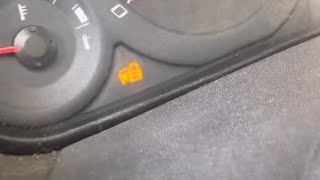
- Security indicator light is on or flashing 🎬 Watch: Troubleshooting the security lock symbol and no-start condition. on the dashboard.
- "Service Theft Deterrent System" message on the driver information center (DIC).
- "No Fob Detected" or similar message for keyless access vehicles.
- Replacing the Body Control Module (BCM) without ruling out RFI or key issues.
- Replacing the starter motor when the engine doesn't crank.
- Replacing the ignition switch when the lock cylinder or antenna is the actual fault.
Most Likely Causes
- Radio Frequency Interference (RFI) 🔴 High Probability As documented in multiple GM TSBs (PIC5650 series), the vehicle's theft deterrent system is sensitive to external radio signals from devices operating in the 120-135 kHz range.
How to confirm: Remove all other items from the key ring, especially other key fobs, office access cards, toll passes, and any electronic devices. Also, remove any aftermarket phone chargers, dash cams, or LED lights plugged into the vehicle's power outlets. Try starting the vehicle with only the single Cadillac key present. If the car starts, you have found the RFI source.
Typical fix: Isolate the vehicle key from any other electronic or RFID-enabled device. Instruct the owner to keep the car key on its own ring or away from the interfering device.
Est. part cost: $0 - Weak or Defective Key 🟡 Medium Probability The transponder chip in the key can fail over time, or the key's battery (if applicable for keyless start models) can become too weak to communicate effectively.
How to confirm: Attempt to start the vehicle with a known-good spare key. If the spare key works reliably, the primary key is faulty.
Typical fix: Replace the faulty key. A new key will need to be cut and programmed to the vehicle by a dealership or a qualified automotive locksmith. Some keys may be self-programmable if one working key is present. 🎬 See this DIY guide for programming a new transponder key.
Est. part cost: $75-$250 - Low Vehicle Battery Voltage ⚪ Low Probability → Shop Vehicle Battery Low system voltage can cause various electronic modules, including the BCM and theft deterrent system, to behave erratically and fail to communicate properly. A battery voltage below 9V can trigger issues.
How to confirm: Test the vehicle's main 12V battery with a multimeter. A healthy, resting battery should be at approximately 12.6 volts. If it is below 12.2V, it may not have enough power to operate all modules correctly during startup.
Typical fix: Charge or replace the vehicle's battery.
Est. part cost: $150-$300
Rare But Worth Checking
- Faulty Body Control Module (BCM): → Shop Body Control Module In some cases, a software glitch within the BCM can cause this issue. A specific TSB (PI1180A) notes that a BCM reprogram can fix a no-start condition where B3935 is set along with B2955. In other cases, the BCM itself may fail internally due to issues like cracked solder joints, requiring replacement. A GM bulletin also warns that BCMs can be damaged if ground paths are removed while the battery is connected.
- Faulty Ignition Lock Cylinder/Transponder Antenna: → Shop Ignition Switch The antenna (exciter coil) that surrounds the ignition lock cylinder energizes and reads the key chip. If this antenna or its wiring is damaged or has a poor connection, it cannot communicate with the key, leading to a no-start condition. Replacement of the lock cylinder or antenna may be necessary.
Diagnosis Steps
- Verify the security light is illuminated on the dash when the no-start condition occurs.
- Remove the ignition key and take everything else off the keychain. This includes other car keys, house keys, store loyalty cards, and especially office access fobs or toll passes.
- Remove any aftermarket devices plugged into the 12V power outlets (phone chargers, dash cams, LED lighting, etc.).
- Attempt to start the car with the isolated key. If it starts, you have found the source of RFI. Advise keeping the key separate from the interfering item(s).
- If the issue persists, try using your spare key. If the spare key works consistently, the first key is likely faulty and needs replacement.
- Check the vehicle's main battery voltage to ensure it is above 12.4 volts.
- Scan for other DTCs. If B3935 is present with B2955, check for applicability of TSB PI1180A, which may require a BCM reprogram.
- If none of the above steps resolve the issue, the problem is likely with the vehicle's hardware (transponder antenna, wiring, or BCM) and requires professional diagnosis with a scan tool that can read body codes and immobilizer data.
Parts You'll Likely Need
- Ignition Key
(OEM #B111-PT (uncut transponder key blank, cross-references to multiple GM part numbers like 15824470, 89024363))— If the internal transponder chip has failed, the key itself must be replaced and programmed.
Trusted brands: ACDelco, KeylessCanada
OEM price range: $150-$250
Aftermarket price range: $10-$150 - Body Control Module (BCM)
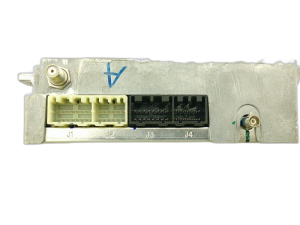
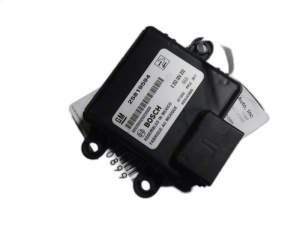
(OEM #25934763, 84922494 (part numbers can supersede; verify with VIN))— A last resort if all other causes are ruled out. The BCM is the central computer for this system and can fail internally or require a software update per TSB PI1180A. 🎬 Watch: How to reset or bypass the theft deterrent system.
Trusted brands: ACDelco (GM Genuine)
OEM price range: $300-$500
Aftermarket price range: $200-$400 (often pre-programmed) - Ignition Lock Key Transmitter Antenna
(OEM #25884445 (replaces 15864390))— The antenna coil around the ignition cylinder can fail, preventing communication with the key's transponder chip.
Trusted brands: ACDelco (GM Genuine)
OEM price range: $40-$70
Aftermarket price range: $25-$50
Related Codes That Often Appear With This One
- B3055 — Stands for 'Key Not Present' or 'No Transponder Modulation'. This code is often set alongside B3935 because RFI or a faulty key can make the system believe no valid key is available.
- B3060 — Stands for 'Unprogrammed Key Transponder'. This is another related code that can be triggered by the same interference or key communication failure.
- B2955 — Related to the security system sensor data circuit. TSB PI1180A specifically mentions that when B3935 and B2955 appear together on certain GM models, a BCM software update is the required fix for a 'No Click, No Crank, No Start' condition.
Technical Service Bulletins (TSBs) & Recalls
- PIC5650M / PIC5650L: Warns of intermittent no-start with B3935 due to RFI and advises against replacing parts until interference is ruled out. Also mentions aftermarket LED lights as a potential source of interference.
- PI1180A: Addresses a no-start condition with DTCs B3935 and B2955 set, which can be resolved with a BCM software update. Specifies a 'No Click, No Crank, No Start' symptom.
- PIT5382: While for different models, it reinforces the diagnostic procedure for security system issues (DTC B2955), advising inspection of harness connections and removal of proximity passes from the key ring before replacing parts.
- 07-08-47-004D: Informs technicians that the BCM can be damaged if a BCM ground path is removed while the module is supplied with battery power. It lists the 2008-2014 CTS and advises removing the negative battery cable first.
Platform-Specific Known Issues
- High sensitivity to Radio Frequency Interference (RFI) from devices on the keychain or plugged into the car, as documented in GM TSBs PIC5650L, PIC5650M, and others.
- A known software issue addressed by TSB PI1180A can cause B3935 and B2955 to set together, requiring a BCM reprogram. While the TSB specifically lists trucks, the underlying BCM and immobilizer logic is shared across GM platforms, making it a relevant diagnostic path.
Mechanic-Grade Diagnostic Values
- BCM Ground Circuit Resistance — expected: Less than 3.0 ohms. Failure: A reading of 3.0 ohms or greater indicates high resistance or an open in the ground circuit, which can cause erratic BCM behavior.
- Transponder Exciter Coil Function — expected: A brief flash from an LED coil tester when the key is turned to ON.. Failure: If the LED on a simple transponder coil tester does not flash when placed over the ignition cylinder and the key is turned, it indicates the car's Theft Deterrent Module is not energizing the coil to look for a key.
Hidden / Shadow Codes Worth Checking
- B3935 57: The '57' is a symptom byte that accompanies the main DTC. For B3935, it specifies 'Transponder Authentication Error,' indicating the key's value was read and matched, but the subsequent cryptographic challenge-response calculation between the key's transponder and the Theft Deterrent Module (TDM) failed. (see via A professional scan tool like the GM GDS2/Tech2 or a high-end Snap-on/Autel scanner that can read GM-specific body codes and their symptom bytes.)
Scan Tool Commands That Help
- GDS2 / Tech2Win: Immobilizer/Key Learning — This function is required after replacing a key, the BCM, or the TDM. The scan tool initiates a 10-minute security lockout and programming sequence that authorizes the new component or key to the vehicle.
- GDS2 / Tech2Win: Module Diagnostics -> BCM -> Data Display — To view live data from the theft deterrent system. A technician can monitor parameters like 'Learned Key Data' or 'Transponder Key Status' to see if the system recognizes a key as present or valid, which helps differentiate between a bad key and a bad module.
- GM SPS2 (Service Programming System): Replace and Reprogram BCM — When installing a new, blank Body Control Module. This function, part of the Techline Connect suite, downloads the correct firmware, VIN, and RPO configurations from GM's servers and flashes them to the new module. This is a required step for BCM replacement.
Wiring & Ground Locations
- Body Control Module (BCM) — Located in the driver's footwell, directly above the accelerator pedal. It's a black box with multiple large, color-coded connectors (green, white, blue, black, brown, pink, gray).. The BCM is the central hub for the theft deterrent system. All key data, security signals, and communication with the ECM pass through it. A poor connection or internal fault here is a root cause if keys and RFI are ruled out.
- G200 (or G201) — This is a primary ground point for the BCM and other instrument panel components. It is located behind the left (driver's side) kick panel.. A loose or corroded G200/G201 ground can cause intermittent and unpredictable BCM behavior, including false activation of the theft deterrent system and setting of B3935. GM issued a bulletin (07-08-47-004D) warning technicians to always disconnect the battery before servicing BCM grounds to prevent module damage.
- BCM Connector X4, Pin 9 — This is the specific pin for the BCM's primary ground circuit on the X4 connector. The wire is typically black with a white tracer.. This is the exact point to perform a voltage drop or resistance test to verify the integrity of the BCM's ground connection back to the chassis, a critical step before condemning the BCM itself.
Real Owner Repair Stories
- Camaro5 Forum user (Chevrolet Camaro (similar GM Passkey III+ system)) — No crank, "Service Theft Deterrent System" message, DTC B3935 found with Snap-on scanner.
❌ Tried (didn't work) Initial diagnosis was uncertain between a bad key or a bad module.
✅ What actually fixed it The owner had a new, inexpensive, non-fob key cut by a locksmith and then successfully performed the 30-minute key relearn procedure themselves. This resolved the B3935 code and the no-start condition. - Reddit user r/AskMechanics (2007 Cadillac CTS) — No start, anti-theft light on, key stuck in ignition, and a parasitic battery drain.
❌ Tried (didn't work) Replacing the main vehicle battery. The repair shop charged $500 to fix an 'electrical issue with the radio and antenna signal' but the battery drain and no-start issue returned immediately.
✅ What actually fixed it The story was unresolved, but highlights a common pattern where shops struggle with the diagnosis, perform costly but ineffective repairs, and the owner is left with the same problem, pointing to the difficulty of diagnosing these intermittent security issues without following the specific GM diagnostic procedure (RFI, spare key, relearn).
OEM Part Supersession History
15864390→25884445— Part number update/revision for the Ignition Lock Key Transmitter Antenna.
Heads up: The new part number (25884445) is the correct replacement for the original and is specified for the 2008-2015 CTS.
Model Year Variations Within This Range
- 2007 vs 2008-2014: The 2007 model is the last year of the first generation CTS, while 2008-2014 is the second generation. While both use a Passkey III transponder system, the BCM, interior wiring, and specific component locations were significantly redesigned for the 2008 model year. For example, the BCM location and ground points cited are specific to the 2008-2014 models.
Helpful Videos
We Have This Part in Stock

The information in this article is provided for general reference and educational purposes only. Vehicle specifications, procedures, and part compatibility can vary by production date, trim level, and region. Always consult your vehicle's factory service manual and verify part numbers before purchasing or performing repairs. Safety-critical components such as airbags, seat belts, and braking systems should be installed by a qualified professional.
- Cadillac CTS:
- 🧭 Diagnostic Flowchart
- 🎬 Helpful Videos
- 🛍️ Shop This Part
- What's Unique About the 2007-2014 Cadillac CTS
- Symptoms You May Notice
- Most Likely Causes
- Rare But Worth Checking
- Diagnosis Steps
- Parts You'll Likely Need
- Related Codes That Often Appear With This One
- Technical Service Bulletins (TSBs) & Recalls
- Platform-Specific Known Issues
- Mechanic-Grade Diagnostic Values
- Hidden / Shadow Codes Worth Checking
- Scan Tool Commands That Help
- Wiring & Ground Locations
- Real Owner Repair Stories
- OEM Part Supersession History
- Model Year Variations Within This Range
- 🎟️ Get 5% Off