

B3935 on 2012-2016 Cadillac CTS-V: No-Start, Security Light, and Fixes
Code B3935 on a 2012-2016 Cadillac CTS-V almost always indicates a 'Transponder Authentication Error' caused by Radio Frequency (RF) interference. Before replacing any parts, remove all other fobs, cards, and electronics from your keychain and try starting the car. This is a free fix that usually resolves the no-start or stalling issue, as heavily documented in GM service bulletins.
- B3935 is a security code meaning the key failed an authentication check, causing a no-start or stall.
- The most common cause is Radio Frequency Interference (RFI) from other items on your keychain or aftermarket electronics in the car.
- DO NOT replace any parts until you have tried starting the car with only the single Cadillac key near the ignition.
- If RFI is not the cause, your next step is to try a spare key to determine if the primary key is faulty.
- This is a well-documented issue, and GM's own service bulletins advise against premature part replacement.
What's Unique About the 2012-2016 Cadillac CTS-V
For this generation of Cadillac and other GM vehicles, the manufacturer has issued multiple Technical Service Bulletins (TSBs) that specifically warn technicians *not* to replace parts for a B3935 code initially. Instead, TSBs like #PIC5650J and #PIC5650M point directly to Radio Frequency Interference (RFI) as the most common cause. This is a unique diagnostic approach, as the problem is often external to the vehicle itself, stemming from devices on the owner's keychain (like other car fobs, office access cards) or aftermarket electronics plugged into the car (like cheap USB chargers or LED lights).
Diagnostic Flowchart
Tap your situation to follow the diagnostic path that matches what you're seeing on this vehicle.
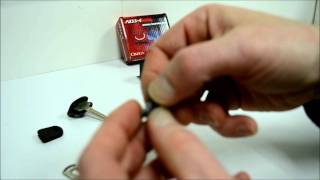
Generation note: The 2012-2015 models are second-generation CTS-V (V2), while the 2016 model is the first year of the third generation (V3). The TSBs cover this entire range, indicating a shared or similar security system design 🎬 See how the GM Pass-Key III+ immobilizer system works (GM Pass-Key III+) that is susceptible to this fault across many GM platforms. The V2 uses a traditional turn-key ignition, while the V3 uses a push-button start, which can have slightly different diagnostic procedures for key relearning.
Symptoms You May Notice
- Intermittent no-crank or no-start condition.
- Engine starts and then immediately stalls.
- Security indicator light is illuminated on the dashboard.
- "Service Theft Deterrent System" message may appear on the Driver Information Center (DIC).
- Replacing the starter motor
- Replacing the ignition switch
- Replacing the Body Control Module (BCM) without ruling out RFI
- Replacing the fuel pump
Most Likely Causes
- Radio Frequency Interference (RFI) 🔴 High Probability The GM PASS-Key III+ immobilizer system operates at 125 kHz and is sensitive to interference from other electronic devices that operate in a similar frequency range. TSBs PIC5650J and PIC5650M directly cite this as a primary cause for no-start conditions. Common culprits include other key fobs on the same ring, RFID-enabled work/access cards, toll passes, and poorly shielded aftermarket electronics like phone chargers, dash cams, or LED lighting.
How to confirm: Remove the Cadillac key from your keychain. Ensure no other key fobs, RFID-enabled work/access cards, garage door openers, or toll passes are near the ignition. Unplug all aftermarket accessories like phone chargers, dash cams, or LED lights. If the car starts with the key isolated, RFI is the cause.
Typical fix: Keep the vehicle key on its own ring or in a location separate from other electronic devices. Identify and remove the interfering aftermarket accessory.
Est. part cost: $0 - Weak or Defective Key Fob 🟡 Medium Probability → Shop Keyless Entry Transmitter The internal transponder chip in the key can fail over time, or the fob's battery can become too weak to complete the security handshake, even if it can still lock/unlock the doors.
How to confirm: First, replace the battery in the key fob (typically a CR2032). If that doesn't work, try starting the vehicle with your spare key. If the spare key works reliably, the primary key is faulty.
Typical fix: Replace the faulty key fob. A new key will need to be programmed to the vehicle by a locksmith or dealership using a tool like the GM GDS2.
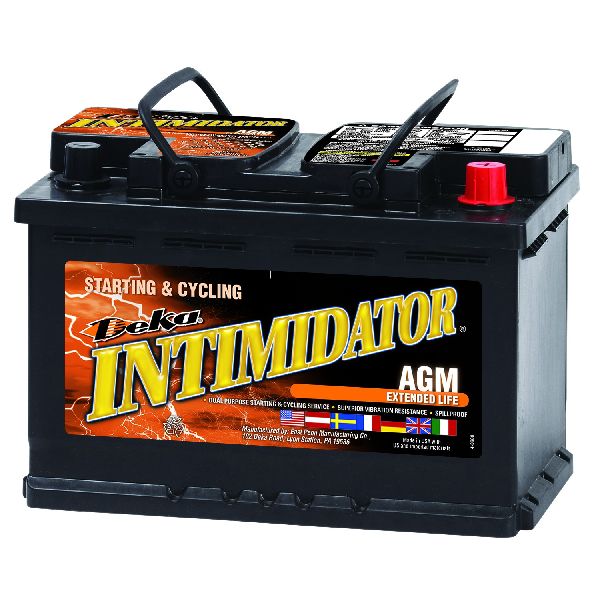
Est. part cost: $100-$400 - Low Vehicle Battery Voltage ⚪ Low Probability → Shop Vehicle Battery A weak main vehicle battery can cause low voltage during cranking, leading to communication errors between various modules, including the Theft Deterrent Module. This can cause a variety of unpredictable electronic issues.
How to confirm: Test the vehicle's battery with a multimeter or a battery tester. Voltage should be above 12.4V at rest and should not drop below 10V while cranking.
Typical fix: Recharge or replace the vehicle's 12V battery.
Est. part cost: $150-$350
Rare But Worth Checking
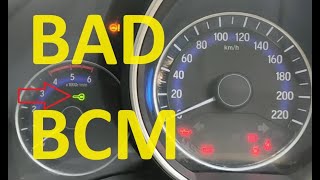
- Faulty Theft Deterrent Module (TDM) or 🎬 Watch: Common symptoms of a failing Body Control Module Body Control Module (BCM): This should only be considered after all other possibilities, especially RFI and a bad key, have been exhaustively ruled out. The TSBs specifically advise against replacing modules as a first step. A user on a Chevrolet forum with a similar GM platform ultimately needed a new TDM to fix the issue after trying multiple keys.
- Damaged Wiring: A damaged or corroded wire between the ignition lock cylinder's exciter coil and the TDM/BCM can cause an intermittent signal loss, triggering the code. This is rare without other signs of electrical problems or physical damage.
Diagnosis Steps
- Verify the symptoms: Confirm the no-start/stall condition and the illuminated security light.
- Scan for all DTCs: Note B3935 and any other codes like B3055 or B3060. A professional scan tool may show a symptom byte like '57'.
- Isolate the Key (Most Critical Step): Remove the CTS-V key from the keychain. Move all other fobs, RFID cards, and electronics away from the ignition area.
- Unplug Aftermarket Electronics: Disconnect any non-factory phone chargers, dash cams, GPS units, or LED lighting systems from the vehicle's power outlets. These are known sources of RFI.
- Retest with Isolated Key: Attempt to start the vehicle. If it starts, the issue is RFI. The diagnosis is complete.
- Test Spare Key: If the issue persists, try starting the vehicle with a known-good spare key. If the spare works, the original key is defective.
- Replace Key Fob Battery: As a low-cost measure, install a new CR2032 battery in the suspect key fob.
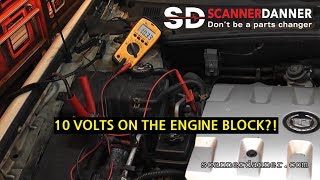
- Check Vehicle Battery: Test the main 🎬 Watch: How to diagnose a bad engine block ground 12V battery to ensure it's providing adequate voltage.
- Seek Professional Diagnosis: If none of the above steps resolve the issue, the problem may be with the TDM, BCM, or wiring, which requires advanced diagnostic tools like a GM Tech2/GDS2 scanner to investigate further.
Parts You'll Likely Need
- Key Fob Battery
(OEM #CR2032)— This is the first and cheapest part to replace when troubleshooting a potentially weak key fob signal.
Trusted brands: Energizer, Duracell, Panasonic
OEM price range: $5-$10
Aftermarket price range: $2-$8 - Key Fob / Transponder Key
(OEM #20998255 (supersedes 20763625, 20814371, 20866681, 25840556))— If the original key's internal transponder has failed, a replacement key is the only solution. This is the second most likely part needed after RFI is ruled out. Programming by a dealer or locksmith is required.
Trusted brands: ACDelco (OEM), Strattec, Standard Motor Products
OEM price range: $150-$300
Aftermarket price range: $75-$150
Related Codes That Often Appear With This One
- B3055 — Means 'Key Not Present' or 'No Transponder Modulation'. It often appears with B3935 because strong RFI can prevent the key from being detected or authenticated correctly.
- B3060 — Means 'Unprogrammed Key Transponder'. This can be set if interference corrupts the key's signal, making the system think it's an unknown key.
- C0750, C0755, C0760, C0765, C0775 — These are Tire Pressure Monitor (TPM) sensor codes. TSB #PIC5650M notes they can appear alongside the B3935 security code, likely due to widespread RF interference affecting multiple low-frequency receivers in the vehicle.
Technical Service Bulletins (TSBs) & Recalls
- PIC5650J: Intermittent no crank/start/stall, advises against part replacement and to check for RF interference.
- PIC5650M: Similar to PIC5650J, lists B3935 with other security and sensor codes related to intermittent start issues.
Platform-Specific Known Issues
- TSB #PIC5650J: Addresses intermittent no crank, no start, or start/stall with codes B3055, B3060, and/or B3935. It explicitly states 'Technician should not replace any parts for this concern' and points to investigating Radio Frequency Identification devices.
- TSB #PIC5650M: Expands on the above, linking the same symptoms and codes (including B3935 and various C-codes) to intermittent security system issues, reinforcing the RFI diagnosis.
- Owner Experience: A Reddit thread about a stolen 2012 CTS-V highlights the importance of key fob security, as thieves were able to replicate a fob signal to steal the vehicle, underscoring the complexity of the system.
Mechanic-Grade Diagnostic Values
- Immobilizer Exciter Coil Resistance — expected: 500 to 1500 ohms. Failure: A reading outside this range, or an unstable reading while wiggling connector wires, points to a faulty coil.
- Vehicle Battery Voltage (At Rest) — expected: 12.4V - 12.6V. Failure: A reading below 12.4V suggests a discharged battery that can cause module communication errors. A reading below 12.0V indicates a likely bad battery.
- Vehicle Battery Voltage (During Crank) — expected: Above 10.0V. Failure: Voltage dropping below 10.0V during cranking can cause modules like the BCM/TDM to reset or fail to communicate properly, triggering security codes.
Hidden / Shadow Codes Worth Checking
- B3935 57: Transponder Authentication Error - Invalid Response. This specific symptom byte indicates the key was read, but the cryptographic challenge-response calculation failed. It strongly points to an authentication failure rather than a 'key not found' issue. (see via GM GDS2 or other professional-grade scan tool capable of reading manufacturer-specific symptom bytes.)
Scan Tool Commands That Help
- GM GDS2/Tech2: Immobilizer Key Learn — This function is required after replacing a key or the Body Control Module (BCM) to program the new transponder values into the vehicle's memory.
- GM GDS2/Tech2: Setup SDM Primary Key in BCM — After replacing the BCM, this function is used to learn the restraints ID (from the SDM, or Sensing and Diagnostic Module) into the new BCM.
- GM GDS2/Tech2: Body Control Module (BCM) Reprogramming — Used to apply software updates from GM's Service Programming System (SPS). This may be required if a TSB indicates a software glitch is causing the B3935 code, sometimes in conjunction with other codes like B2955.
- None (Manual Procedure): 30-Minute Relearn Procedure — This procedure can be used to resynchronize keys to the vehicle without a scan tool, especially if a module has lost its programming due to a dead battery. It involves three consecutive 10-minute cycles of turning the ignition ON and waiting for the security light to turn off.
Wiring & Ground Locations
- Body Control Module (BCM) — Located in the driver's footwell, directly above the accelerator pedal.. The BCM is the central computer for the Pass-Key III+ security system. All signals from the key and immobilizer module are processed here. A loose connector or internal BCM fault can cause code B3935. A GM bulletin warns that the BCM can be damaged if its ground path is removed while battery power is still connected.
- G218 — A primary body ground point located behind the driver-side kick panel, near the A-pillar.. A poor or corroded connection at G218 is a known cause for various intermittent electrical issues on GM platforms, including BCM malfunctions that can trigger security codes like B3935.
- Ignition Switch/Exciter Coil Connector — At the base of the steering column, connecting the ignition lock cylinder's wiring to the main dash harness.. This connector carries the signal from the exciter coil that reads the key's transponder. A loose connection or damaged wiring here will prevent the BCM from receiving the key's signal, leading to B3055 or B3935.
Real Owner Repair Stories
- Chevrolet Forum User (Chevrolet Express 3500 (similar GM electrical architecture)) — No-crank, no-start, power locks not working, code B3935 present.
❌ Tried (didn't work) Replacing the Body Control Module (BCM) with a pre-cloned unit.
✅ What actually fixed it The cause was a corroded ground terminal at G107 (on the front passenger side cylinder head). Repairing the broken ground wire resolved the communication faults and the no-start condition. - Forum user with a similar GM system (2012 Chevrolet Camaro) — Intermittent no-start with code B3935.
❌ Tried (didn't work) Ruling out Radio Frequency Interference (RFI)., Checking the main vehicle battery.
✅ What actually fixed it The user confirmed that the spare key worked reliably every time. The primary key was determined to be faulty. Replacing and reprogramming the primary key permanently resolved the issue. - ScannerDanner YouTube Channel (Cadillac CTS (similar platform with rear-mounted battery)) — Intermittent no-crank, no-start with low voltage at the underhood fuse box during crank attempts.
❌ Tried (didn't work) Initially diagnosing a bad positive battery cable due to voltage drop.
✅ What actually fixed it The main engine block ground strap was completely broken off its mounting point. The starter current had no proper path back to the battery, causing a massive voltage drop and preventing modules from communicating. Repairing the ground strap fixed the issue.
Model Year Variations Within This Range
- 2012-2015 (Gen 2): These models use a traditional turn-key ignition system. The key relearn procedure typically involves the '30-Minute Relearn' by cycling the key in the ignition.
- 2016 (Gen 3): This model uses a push-button start system. If the key fob is not detected, it can often be started by placing it in a dedicated transmitter pocket inside the center console. The 'All Keys Lost' relearn procedure is different, involving turning the physical key blade in the driver's door lock five times to initiate the 30-minute process.
Helpful Videos
We Have This Part in Stock




The information in this article is provided for general reference and educational purposes only. Vehicle specifications, procedures, and part compatibility can vary by production date, trim level, and region. Always consult your vehicle's factory service manual and verify part numbers before purchasing or performing repairs. Safety-critical components such as airbags, seat belts, and braking systems should be installed by a qualified professional.
- Cadillac CTS-V:
- 🧭 Diagnostic Flowchart
- 🎬 Helpful Videos
- 🛍️ Shop This Part
- What's Unique About the 2012-2016 Cadillac CTS-V
- Symptoms You May Notice
- Most Likely Causes
- Rare But Worth Checking
- Diagnosis Steps
- Parts You'll Likely Need
- Related Codes That Often Appear With This One
- Technical Service Bulletins (TSBs) & Recalls
- Platform-Specific Known Issues
- Mechanic-Grade Diagnostic Values
- Hidden / Shadow Codes Worth Checking
- Scan Tool Commands That Help
- Wiring & Ground Locations
- Real Owner Repair Stories
- Model Year Variations Within This Range
- 🎟️ Get 5% Off