

B3935 on 2014-2016 Cadillac ELR: Causes of No-Start and Security Light Issues
Code B3935 on a 2014-2016 Cadillac ELR almost always indicates a no-start or stalling condition caused by radio frequency (RF) interference, not a faulty part. The fix is typically to identify and remove the source of interference near the key fob or vehicle, costing $0.
- B3935 on your ELR almost always points to radio frequency (RF) interference near your car key or ignition area.
- Before considering any repairs, remove items like other key fobs, work badges, and phone chargers from the car and try starting it again.
- Do NOT replace expensive parts like the Body Control Module (BCM) or key fob unless RF interference has been completely ruled out.
- This code indicates a serious starting problem; the vehicle is not reliable until the source of the interference is found and removed.
What's Unique About the 2014-2016 Cadillac ELR
The Cadillac ELR, as a sophisticated plug-in hybrid based on the Chevrolet Volt platform, features a complex network of electronic modules. Its vehicle security system is particularly sensitive to external radio frequencies. Official GM Technical Service Bulletins (TSBs) for this exact issue, like PIC5650K, specifically warn technicians *not* to replace parts as a first step. Instead, they are directed to investigate Radio Frequency (RF) interference from devices the driver may be carrying, such as building access cards, other vehicle fobs, or even aftermarket phone chargers, which is an unusual and critical diagnostic path for this platform.
Diagnostic Flowchart
Tap your situation to follow the diagnostic path that matches what you're seeing on this vehicle.
Symptoms You May Notice
- Intermittent no-crank, no-start condition.
- Engine starts and then immediately stalls.
- Security indicator light illuminated or flashing on the instrument cluster.
- "Service Theft Deterrent System" message on the Driver Information Center (DIC).
- "No Fob Detected" message, but the car starts when the fob is placed in the dedicated fob pocket/slot.
- Replacing the Body Control Module (BCM)
- Replacing the Theft Deterrent Module (TDM)
- Replacing the ignition switch or start/stop button
Most Likely Causes
- Radio Frequency (RF) Interference 🔴 High Probability The vehicle's immobilizer system operates at 125 kHz and can be disrupted by other devices operating in a similar frequency range. TSBs PIC5650M, PIC5650L, and later revisions explicitly cite this as the primary cause. Common sources include building/parking access cards, other car keys, toll passes, and aftermarket USB chargers or LED lights.
How to confirm: Remove all other electronic devices from the driver's person and the vehicle cabin. This includes other car key fobs, work ID badges with RFID, toll passes, and aftermarket phone chargers. Attempt to start the vehicle again. If it starts, RF interference is the confirmed cause. A professional may use a tool like the J-43241 Keyless Entry Tester to scan for stray RF signals.
Typical fix: Identify and permanently relocate the source of the RF interference away from the vehicle's key and ignition/start button area. No parts need to be replaced.
Est. part cost: $0
Rare But Worth Checking
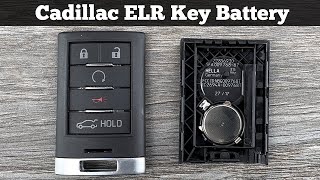
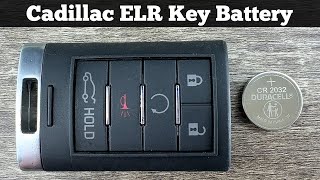
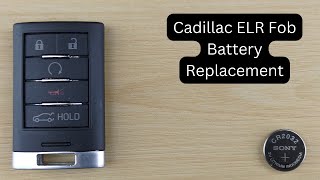
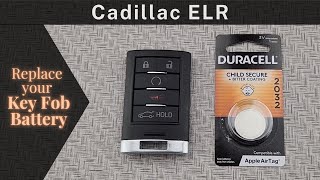
- Weak Key Fob Battery: → Shop Vehicle Battery A weak battery can cause an intermittent or weak signal that the vehicle's security system may struggle to read, especially in the presence of minor RF interference. It is an inexpensive and easy item to replace to rule out possibilities. The ELR key fob uses a CR2032 battery. 🎬 Watch: A quick DIY guide to replacing your ELR key battery.
- Faulty Body Control Module (BCM) or BCM Software: → Shop Body Control Module In some GM vehicles, a software glitch could cause this code to set along with B2955. This is very rare and requires a dealer to reprogram the BCM. It should only be considered after all external interference sources have been exhaustively ruled out and the key has been tested.
- Faulty Key or Transponder: The internal chip in the key fob can fail, but this is less common than interference. Trying the spare key is a good way to diagnose this. If the spare key works consistently, the primary key is likely faulty. If a replacement key also fails, the TDM itself may be the issue, but this is a last resort.
Diagnosis Steps
- Verify that B3935 is the active or stored code. Note any other codes, especially B3055, B3060, or TPMS-related C-codes, as this points strongly to RF interference.
- As recommended by TSB #PIC5650L/M/K, question the driver about items kept on their keychain or in the car. Ask specifically about work ID badges, toll passes, other key fobs, and aftermarket phone chargers or LED lights.
- Remove ALL potential sources of RF interference from the vehicle and from the driver's pockets. Separate the ELR key from all other items.
- Attempt to start the vehicle. If it starts normally, the problem is confirmed as RF interference. Advise the owner to keep interfering devices separate from the car key.
- If the problem continues, try the vehicle's spare key fob to rule out a faulty primary key.
- Replace the battery in the key fob(s). The correct type is a CR2032. 🎬 See this video for a clear Cadillac key fob battery walkthrough. This is a low-cost step to eliminate a weak signal as a contributing factor.
- If the vehicle still doesn't start, try placing the key fob directly into the transmitter pocket located in the center console storage compartment. If the car starts, this confirms a communication issue that is bypassed by this direct placement, further suggesting an interference or weak signal problem.
- If all the above steps fail, the issue may be with the vehicle's hardware (TDM, BCM) or software, requiring professional diagnosis with a GM-specific scan tool to check module data. This is the last resort, not the first step.
Parts You'll Likely Need
- Key Fob Battery
(OEM #CR2032)— While rarely the root cause, a weak battery can worsen signal issues caused by RF interference. It's an inexpensive and simple item to replace during diagnosis.
Trusted brands: Energizer, Duracell, Panasonic
OEM price range: $5-$10
Aftermarket price range: $2-$5
Related Codes That Often Appear With This One
- B3055 — This code is also related to the key transponder system and is often set alongside B3935 when there is a key reading or authentication issue.
- B3060 — Another immobilizer system code, often pointing to an issue with the transponder antenna circuit. Its presence with B3935 reinforces a security system communication failure.
- C0750, C0755, C0760, C0765, C0775 — These codes are for the Tire Pressure Monitoring System (TPMS). Since TPMS also uses RF signals (at 315 or 433 MHz), seeing these C-codes along with B3935 is a strong indicator of a widespread RF interference problem affecting multiple vehicle systems, as noted in TSB #PIC5650M and its successors.
Technical Service Bulletins (TSBs) & Recalls
- PIC5650M: Addresses an intermittent no crank/no start/stall with the security light on, listing B3935 among other potential codes.
- PIC5650L: Directly connects B3935 to a no-start/stall concern and advises against parts replacement, pointing to Radio Frequency Identification interference as the primary cause.
- PIC5650K: A superseding TSB that provides an extensive list of potential RFI sources, including aftermarket LED lighting, cell phone chargers, and USB power banks, and notes the three key frequencies used by the vehicle (125 kHz, 315 MHz, 433 MHz).
- PIC5650B: An earlier version of the TSB that lists many affected GM vehicles and identifies RFID devices as the likely cause of interference with the 125 kHz Passkey system.
Platform-Specific Known Issues
- Per GM Technical Service Bulletin #PIC5650L, this code is most often triggered by Radio Frequency Identification (RFID) devices carried by the driver. The bulletin explicitly warns against replacing parts until RF interference is ruled out.
- TSB #PIC5650M also links this code to intermittent no-start or stall conditions, often appearing with a group of other security and TPMS codes, reinforcing the likelihood of an RF interference issue.
- Owner experiences on forums for the ELR and its platform-mate, the Chevrolet Volt, frequently describe resolving this issue by removing items from their keychain. A common culprit is a workplace ID badge.
Mechanic-Grade Diagnostic Values
- BCM Ignition Circuit Voltage — expected: > 9 Volts. Failure: Voltage reading less than 9 V between the ignition circuit terminal at the BCM and ground.
Hidden / Shadow Codes Worth Checking
- Symptom Byte: GM uses symptom bytes to add detail to DTCs. For B3935, this could specify conditions like 'No Transponder Modulation or No Transponder', helping to differentiate between a key that isn't sending a signal versus a signal that is failing authentication. (see via A dealer-level scan tool like the GM GDS2 is required to view symptom byte data.)
Scan Tool Commands That Help
- GDS2 / SPS: IMMO Immobilizer Learn — This function is required after replacing the Body Control Module (BCM) or when adding new keys. It guides the BCM through the process of learning and authorizing new key transponders.
- GDS2 / SPS: Program Transponder or Remote Key (Add/Delete) — Used within the Immobilizer Learn menu to specifically add a new key or delete existing keys from the BCM's memory. This is crucial for managing all authorized keys for the vehicle.
- GDS2: BCM Data Display > Remote Function Actuator Data — This allows a technician to view how many keys are currently learned by the BCM. The BCM has a limited number of 'slots' for keys, and viewing this data can help diagnose issues where the maximum number of keys has already been programmed.
Wiring & Ground Locations
- K9 Body Control Module (BCM) — Located in the passenger-side footwell, in the right-hand cowl area, under the dashboard.. The BCM is the central module for the theft deterrent system. All key authentication signals are processed here. A loose connection or water intrusion at this location can directly cause B3935.
- G204 — Located at the center of the dash.. This is a major ground point for instrument panel and communication systems. A poor ground here could potentially cause communication issues between the immobilizer antenna, BCM, and other modules, mimicking interference problems.
Real Owner Repair Stories
- Camaro5 Forum User (Chevrolet Camaro (GM Platform with similar immobilizer system)) — No crank, "Service Theft Deterrent System" message on DIC, code B3935 stored. Remote start worked, but engine would die when key was inserted.
❌ Tried (didn't work) Disconnecting/reconnecting the battery., Standard 3x10 minute key relearn procedure (initially).
✅ What actually fixed it The transponder chip inside the original key had failed. A new, inexpensive standard key was cut by a locksmith. The 3x10 minute key relearn procedure was then performed successfully with the new key, allowing the car to start and run. The original remote was then programmed to the new key.
When the Usual Fixes Don't Work
- While the vast majority of B3935 cases on the ELR/Volt platform are due to RF interference, it is not the only possibility. In cases where removing all sources of interference and even using the fob pocket does not resolve the no-start condition, a hardware failure should be suspected. A real-world case on a similar GM platform showed that the passive transponder chip within the key fob itself can fail, even if the battery is good and the remote functions work. This scenario requires a key replacement and performing the 'Immobilizer Learn' procedure with a new key, rather than simply removing an interfering RFID card from a wallet.
Helpful Videos
We Have This Part in Stock

The information in this article is provided for general reference and educational purposes only. Vehicle specifications, procedures, and part compatibility can vary by production date, trim level, and region. Always consult your vehicle's factory service manual and verify part numbers before purchasing or performing repairs. Safety-critical components such as airbags, seat belts, and braking systems should be installed by a qualified professional.
- Cadillac ELR:
- 🧭 Diagnostic Flowchart
- 🎬 Helpful Videos
- 🛍️ Shop This Part
- What's Unique About the 2014-2016 Cadillac ELR
- Symptoms You May Notice
- Most Likely Causes
- Rare But Worth Checking
- Diagnosis Steps
- Parts You'll Likely Need
- Related Codes That Often Appear With This One
- Technical Service Bulletins (TSBs) & Recalls
- Platform-Specific Known Issues
- Mechanic-Grade Diagnostic Values
- Hidden / Shadow Codes Worth Checking
- Scan Tool Commands That Help
- Wiring & Ground Locations
- Real Owner Repair Stories
- When the Usual Fixes Don't Work
- 🎟️ Get 5% Off