

B3935 on 2007-2013 Chevrolet Avalanche: Security System Fault & No-Start Causes
On a 2007-2013 Chevrolet Avalanche, code B3935 indicates a 'Transponder Authentication Error' and almost always causes a no-start or start-and-stall condition. The most common cause, cited in GM technical bulletins, is radio frequency (RF) interference from aftermarket devices near the ignition key, especially cheap USB chargers. The fix is often as simple as removing the interfering device, costing $0.
- Before attempting any repairs, remove everything from your keychain and unplug all aftermarket accessories to eliminate radio frequency (RF) interference, the most common cause.
- If removing interference sources doesn't work, try your spare key to rule out a faulty primary key.
- Do not immediately replace expensive parts like the starter or fuel pump; this code points specifically to a security system issue.
- The '30-minute relearn procedure' can sometimes resolve software glitches or learn a new key without needing a scan tool.
- This is a well-documented issue by GM, and the solution is often simple and costs nothing.
What's Unique About the 2007-2013 Chevrolet AVALANCHE
The GMT900 platform, which the 2007-2013 Avalanche is built on, is known for the sensitivity of its Passlock III+ anti-theft system. General Motors has issued multiple Technical Service Bulletins (TSBs) specifically warning that external Radio Frequency (RF) devices—like phone chargers, key fob attachments, or even some toll passes—can interfere with the key's signal. This leads to a B3935 code and a no-start condition, even though no parts on the vehicle have actually failed. This issue is common across all GMT900 trucks, including the Silverado, Sierra, Tahoe, and Suburban.
Diagnostic Flowchart
Tap your situation to follow the diagnostic path that matches what you're seeing on this vehicle.
Symptoms You May Notice
- Engine will not crank or start.
- Engine starts and immediately stalls.
- Flashing or constantly illuminated 'Security' light on the dashboard.
- Message on the driver information center like 'Service Theft Deterrent System'.
- Starter Motor
- Battery
- Fuel Pump
Most Likely Causes
- Radio Frequency (RF) Interference 🔴 High Probability As documented in GM Technical Service Bulletins (PIC5650M, PIC5650K, and PIE0225), the immobilizer system on this platform is highly sensitive to external radio signals from aftermarket devices. Cheap or poorly shielded USB chargers are a very common culprit.
How to confirm: Remove all items from the key ring except the single ignition key. Unplug all aftermarket devices from power outlets (phone chargers, dash cams, GPS units). Move any other key fobs or RFID-enabled cards away from the ignition area. If the vehicle starts normally after this, RF interference was the cause.
Typical fix: Identify and permanently remove the interfering device. In forums, owners frequently report that a cheap, unbranded USB charger was the cause, and replacing it with a high-quality, well-shielded charger resolved the issue permanently.
Est. part cost: $0 - $25 - Defective or Weak Ignition Key Transponder 🟡 Medium Probability → Shop Ignition Switch The transponder chip (often marked with a circle and a '+' symbol, known as PK3+) embedded in the key can fail or weaken over time due to age or being dropped.
How to confirm: Try starting the vehicle with your spare key. If the spare key works reliably and the original key does not, the original key is faulty. This is the most definitive test.
Typical fix: The defective key must be replaced. A new key will need to be cut and programmed to the vehicle by a dealership or a qualified automotive locksmith. In some cases, owners have successfully performed a '30-minute relearn' procedure at home after getting a new key cut.
Est. part cost: $50-$150 - Body Control Module (BCM) Software Glitch ⚪ Low Probability → Shop Body Control Module GM has released software updates for the BCM on some models to address intermittent no-start conditions related to the security system. Bulletin PI1180A specifically addresses a no-start with DTCs B3935 and B2955, which can be fixed by a BCM reprogram.
How to confirm: A dealership or shop with a GM Tech2 or MDI scan tool can check the current software calibration of the BCM and see if an update is available. This is not something that can be checked without specialized tools.
Typical fix: Reprogram the BCM with the latest software calibration using the GM Service Programming System (SPS). This is a dealer or specialty shop repair.
Est. part cost: $0 (if done under warranty/recall), otherwise labor cost applies.
Rare But Worth Checking
- Faulty Ignition Lock Cylinder or Passlock Sensor: → Shop Ignition Switch The sensor that reads the key's transponder is part of the ignition lock cylinder assembly. While not as common as RF interference, this sensor can fail, causing a constant no-start condition. There are numerous videos showing replacement on the similar Silverado platform.
- Damaged Wiring or Poor Connection: A loose or corroded wire between the ignition lock cylinder and the Body Control Module (BCM) can interrupt the signal from the key, triggering the B3935 code. This can happen from previous dash work or chafing over time.
- Faulty Theft Deterrent Module (TDM): → Shop Anti-Theft Control Module In rare cases, the Theft Deterrent Module itself can fail. Service information suggests this should only be considered after a known-good replacement key also fails to solve the problem.
Diagnosis Steps
- Check for the 'Security' light on the dash. A flashing or solid light is a key indicator of an anti-theft issue.
- Remove ALL items from your keychain, including other keys, fobs, and decorations. Use only the single ignition key.
- Unplug all aftermarket devices from the 12V outlets (phone chargers, dash cams, etc.). Pay special attention to cheap USB chargers.
- Attempt to start the vehicle. If it starts, you have found the source of RF interference. Re-introduce items one by one to pinpoint the culprit.
- If the vehicle still won't start, try using a spare key. If the spare key works, the original key is faulty.
- If neither key works and RF interference has been ruled out, attempt the '30-minute relearn procedure'. Ensure the battery is fully charged or connected to a charger. 1. Turn the key to 'ON' (not 'START') and attempt to start, then release back to 'ON'. 2. Wait for the security light to turn off, which takes about 10 minutes. 3. Turn the key off for 5-10 seconds. 4. Repeat steps 1-3 two more times for a total of three 10-minute cycles. 5. After the third cycle, turn the key off and then try to start the engine.
- If the relearn procedure fails, the issue is likely a hardware problem (ignition cylinder, wiring, BCM) that requires professional diagnosis with a scan tool.
Parts You'll Likely Need
- New Ignition Key
(OEM #GM P/N varies, look for PK3+ 'Circle Plus' key)— If the transponder chip in the original key has failed, a new key is the only solution. This is confirmed by testing a spare key.
Trusted brands: ACDelco, Strattec
OEM price range: $75-$150
Aftermarket price range: $50-$100 - Ignition Lock Cylinder
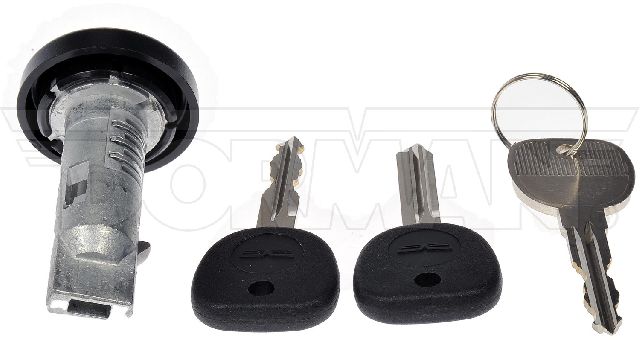
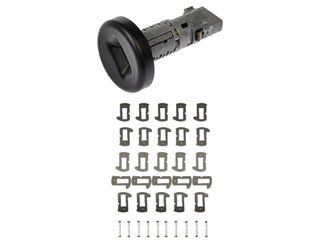
(OEM #ACDelco D1462G (This part number appears to be for the housing which includes the sensor, but cross-reference for exact vehicle is critical))— If the Passlock sensor within the cylinder fails, the entire assembly must be replaced. This is a less common cause, diagnosed after ruling out keys and RF interference.
Trusted brands: ACDelco, Dorman, Standard Motor Products
OEM price range: $100-$200
Aftermarket price range: $60-$120
Related Codes That Often Appear With This One
- B3055 — This code indicates a problem with the key transponder itself ('No Transponder Key Programmed'). It is often set alongside B3935 when the security module cannot properly read the key.
- B3060 — This code points to an issue with the transponder reader circuit ('Unprogrammed Transponder'). It frequently appears with B3935 as part of the same security system fault.
Technical Service Bulletins (TSBs) & Recalls
- PIC5650M: Addresses intermittent no-crank/no-start with security light on, listing B3935 among other codes. Emphasizes checking for aftermarket device interference.
- PIC5650K: Specifically links B3935 to RF interference and advises against immediate parts replacement. Lists common frequencies (125 kHz, 315 MHz, 433 MHz) that are affected.
- PIE0225: An Engineering Information bulletin requesting field data on this exact issue (no-start with B3935, B3055, B3060), highlighting the focus on RF interference as a root cause, especially on low-mileage vehicles.
- PI1180A: Details a specific BCM software update for 2014+ models that addresses a no-start condition with B3935 and B2955, showing that software can be a cause on related platforms.
Platform-Specific Known Issues
- Per TSB #PIC5650K, technicians are explicitly advised NOT to replace any parts for this concern initially, but to first investigate RF interference from customer devices like cell phone chargers, toll passes, and even other vehicle keys on the same ring.
- Per TSB #PIC5650M, this code is part of a known pattern for intermittent no-crank, no-start, or start/stall issues related to the security system.
- A real-world example from a forum involved a user whose wireless phone charger caused interference, locking up VHF frequencies. Unplugging the charger solved the problem, highlighting the sensitivity to even modern accessories.
Mechanic-Grade Diagnostic Values
- Immobilizer System Operating Frequency — expected: 125 kHz. Failure: RF devices operating in the 120-135 kHz range (or multipliers) can cause interference.
- Conditions for setting DTC B3935 — expected: Ignition in ACC/RUN, battery > 9V, a valid transponder value is read, but the transponder's calculation does not match the TDM's calculation.. Failure: This sequence indicates the key was recognized but failed the cryptographic challenge, pointing to a faulty key or TDM.
Scan Tool Commands That Help
- GM Tech2 / MDI or equivalent professional scan tool: Setup SDM Primary Key in BCM — Required after replacing the Body Control Module (BCM) to sync the new module with the vehicle's airbag system (Supplemental Inflatable Restraint - SDM). Failure to do so will result in an airbag warning light.
- GM Tech2 / MDI or equivalent professional scan tool: Brake Pedal Position Sensor (BPP) Relearn — This procedure is required after replacing the Body Control Module (BCM). It calibrates the position of the brake pedal sensor, which is essential for brake light operation and cruise control functionality.
- GM Service Programming System (SPS) with TIS2WEB: Body Control Module Reprogramming — Used to apply updated software calibrations to the BCM. This can resolve intermittent no-start conditions caused by software glitches, as noted in bulletins like PI1180A for related models.
Wiring & Ground Locations
- G103 — Located at the left rear of the engine compartment on the cowl, above the brake booster.. This is a primary ground point for the Body Control Module (BCM), Instrument Panel Cluster (IPC), and Data Link Connector (DLC). A poor connection at G103 can cause a wide range of electrical issues, including communication errors within the theft deterrent system.
- Theft Deterrent Module (TDM) — The TDM is integrated with the ignition lock cylinder. It's the ring-like component that surrounds the key entry point.. This module, also called the immobilizer antenna, is what energizes and reads the transponder chip in the key. It is the starting point of the authentication process.
- Body Control Module (BCM) — Located behind the lower left end of the dashboard, often near or integrated with the I/P fuse block.. The BCM is the central computer for body electronics. It receives data from the TDM and makes the final decision to allow the engine to start. A faulty BCM or poor connections to it can cause B3935.
Real Owner Repair Stories
- YouTube channel 'Automotive Diagnostics & Programming' (2012 Chevrolet Silverado (similar GMT900 platform)) — No crank, 'Service Theft Deterrent System' message on the dash.
❌ Tried (didn't work) Initial diagnosis pointed towards a general communication issue on the CAN bus.
✅ What actually fixed it The technician found that the Passenger Presence Module (PPS) under the passenger seat was not communicating. The main connector to the PPS was corroded due to water intrusion. Cleaning the connector and restoring the connection to the PPS resolved the 'Service Theft Deterrent System' message and allowed the truck to start.
OEM Part Supersession History
Multiple, including 15284816, 15948439, 20839063, etc.→Varies by VIN. GM has many revisions. A common replacement part number is 25844480 for some years.— Updates to hardware and software to improve reliability and fix bugs.
Heads up: A replacement BCM must be programmed to the vehicle's VIN. After installation, a 'Setup SDM Primary Key in BCM' and 'Brake Pedal Position Sensor Relearn' must be performed with a scan tool.
Helpful Videos
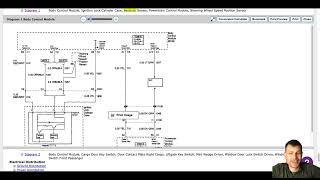

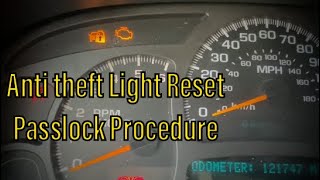
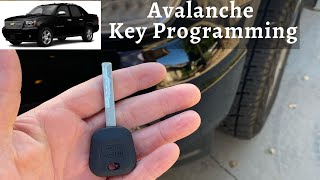
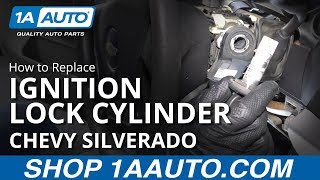

We Have This Part in Stock

The information in this article is provided for general reference and educational purposes only. Vehicle specifications, procedures, and part compatibility can vary by production date, trim level, and region. Always consult your vehicle's factory service manual and verify part numbers before purchasing or performing repairs. Safety-critical components such as airbags, seat belts, and braking systems should be installed by a qualified professional.
- Chevrolet AVALANCHE:
- 🧭 Diagnostic Flowchart
- 🎬 Helpful Videos
- 🛍️ Shop This Part
- What's Unique About the 2007-2013 Chevrolet AVALANCHE
- Symptoms You May Notice
- Most Likely Causes
- Rare But Worth Checking
- Diagnosis Steps
- Parts You'll Likely Need
- Related Codes That Often Appear With This One
- Technical Service Bulletins (TSBs) & Recalls
- Platform-Specific Known Issues
- Mechanic-Grade Diagnostic Values
- Scan Tool Commands That Help
- Wiring & Ground Locations
- Real Owner Repair Stories
- OEM Part Supersession History
- 🎟️ Get 5% Off