

B3935 on 2017-2021 Chevrolet Bolt EV: No-Start & Security Light Causes
On a 2017-2021 Bolt EV, code B3935 almost always indicates Radio Frequency Interference (RFI) is preventing the key fob from being detected, causing a no-start and illuminating the security light. The fix is usually free: remove nearby electronics (especially phone chargers and dash cams) or RFID-blocking items from the car and try again. No parts are typically needed.
- B3935 on your Bolt EV almost always means Radio Frequency Interference (RFI) is causing a no-start.
- DO NOT replace any parts. First, unplug all phone chargers/dash cams and remove all other fobs/cards from your keychain.
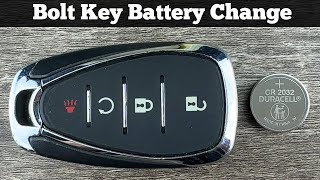
- If RFI is not the cause, the next most likely fix is a simple CR2032 battery for your key fob.
- If the car still won't start, try placing the key fob in the dedicated transmitter pocket inside the center console.
- Only consider replacing the key fob or seeking professional help after all the above steps have failed.
What's Unique About the 2017-2021 Chevrolet BOLT EV
The Chevrolet Bolt EV's keyless ignition system is known to be particularly sensitive to Radio Frequency Interference (RFI). This is not a defect in a specific part, but a characteristic of the system's design. Manufacturer Technical Service Bulletins (TSBs), specifically PIC5650M, warn technicians *not* to replace parts for this code until RFI from aftermarket chargers, dash cams, aftermarket LED lights, toll passes, or even other fobs on a keychain has been completely ruled out. The Bolt's reliance on complex electronics makes it more susceptible to these outside signals disrupting the key fob communication.
Diagnostic Flowchart
Tap your situation to follow the diagnostic path that matches what you're seeing on this vehicle.
Symptoms You May Notice
- Vehicle will not crank or start
- Engine starts and then immediately stalls
- Security indicator light is illuminated on the dashboard
- "No Remote Detected" or "Theft Attempted" message on the Driver Information Center (DIC)
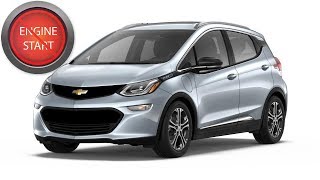
- "Use Transmitter Pocket to Start" message on DIC.
- Replacing the 12V accessory battery. While a dead 12V battery will cause a no-start, it typically won't set the B3935 security code specifically.
- Replacing the Body Control Module (BCM). TSBs PIC5650L and PIC5650M specifically advise against replacing any parts for this concern until RFI is ruled out as the primary cause.
Most Likely Causes
- Radio Frequency Interference (RFI) 🔴 High Probability As documented in GM Technical Service Bulletins PIC5650M and PIC5650L, the Bolt EV's security system is sensitive to external radio frequencies that can disrupt the communication between the key fob and the vehicle. Specific sources mentioned in bulletins include aftermarket phone chargers, USB power banks, dash cams, aftermarket LED lighting, and even building access cards or other vehicle fobs on the same keychain.
How to confirm: Remove all non-essential electronics from the vehicle, especially devices plugged into the 12V power outlets or USB ports (phone chargers, dash cams). Separate the Bolt EV key fob from all other keys, fobs, and RFID cards. If the vehicle starts after this, RFI was the cause. You can then re-introduce items one-by-one to identify the specific source.
Typical fix: Identify and remove the source of the RFI. Avoid using low-quality aftermarket electronics and keep the key fob isolated from other devices. Many owners report issues with items placed in the center console or near the wireless charging slot.
Est. part cost: $0 - Weak or Dead Key Fob Battery 🟡 Medium Probability → Shop Vehicle Battery
How to confirm: Try starting the vehicle with the spare key fob. If the spare key works, the battery in the primary key is the likely issue. You can also try placing the suspect key fob in the dedicated transmitter pocket, which is located in the center console beneath the small storage tray. Place the fob in this pocket (buttons facing down) and attempt to start the car; this pocket has a dedicated antenna that can read a fob with a very weak battery.
Typical fix: Replace the CR2032 coin cell battery in the key fob. This is a simple DIY task that does not require tools, only using the mechanical key to pry the fob open. 🎬 Watch: A quick DIY guide to replacing your key fob battery.
Est. part cost: $2-$10 - Faulty Key Fob ⚪ Low Probability → Shop Keyless Entry Transmitter
How to confirm: If a new battery does not fix the issue and the spare key works perfectly, the internal electronics of the primary key fob may have failed due to being dropped or water damage.
Typical fix: The faulty key fob must be replaced and programmed to the vehicle by a dealer or qualified automotive locksmith. The OEM part number is often one of several interchangeable numbers, such as 13585722, 13508767, or 13529664 (FCC ID: HYQ4AA).
Est. part cost: $150-$400
Rare But Worth Checking
- Faulty Body Control Module (BCM): → Shop Body Control Module
Diagnosis Steps
- Check the dashboard for the security indicator light and any messages on the Driver Information Center, such as "No Remote Detected".
- Remove ALL aftermarket electronics from the vehicle, especially anything plugged into power outlets or USB ports (e.g., phone chargers, dash cams, GPS units, USB power banks).
- Take the Bolt EV key fob off the keychain so it is completely by itself. Remove any RFID-blocking wallets, toll passes, or other vehicle fobs from the vehicle.
- Attempt to start the vehicle again. If it starts, you have identified an RFI issue.
- If the vehicle still does not start, place the key fob in the vehicle's transmitter pocket. This is located inside the center console, under the removable tray, at the front. Place the fob in the pocket and press the POWER button. If the car starts, it confirms a weak fob battery or severe RFI.
- If the transmitter pocket works, first try replacing the key fob battery (CR2032) and starting the car normally.
- If a new battery doesn't help, and the pocket was the only way to start, the key fob itself is likely faulty.
- If the vehicle still does not start using the transmitter pocket, try the spare key fob. If the spare key works normally, the primary fob is confirmed to be faulty.
- If all the above steps fail, the vehicle may have a rare BCM or antenna issue that requires professional diagnosis with a GM-specific scan tool.
Parts You'll Likely Need
- Key Fob Battery
(OEM #CR2032)— This is the second most common and inexpensive fix after ruling out RFI.
Trusted brands: Energizer, Duracell, Panasonic
OEM price range: $5-$10
Aftermarket price range: $2-$8 - Keyless Entry Remote Fob
(OEM #13585722 / 13508767 / 13529664)— Required if the key fob's internal transponder has failed. Must be programmed by a dealer or locksmith.
Trusted brands: ACDelco (OEM)
OEM price range: $150-$250
Aftermarket price range: $50-$120
Related Codes That Often Appear With This One
- B3055 — This code relates to a 'No Transponder Key' or 'Key Not Learned' condition and often appears with B3935 during the same security event, as noted in TSB PIC5650M.
- B3060 — This code indicates an 'Unprogrammed Transponder' and is also listed alongside B3935 in TSBs PIC5650M and PIC5650L as part of the same intermittent no-start security fault.
Technical Service Bulletins (TSBs) & Recalls
- PIC5650M: Notes intermittent no-start with security light and DTC B3935, suggesting RFI from a long list of aftermarket devices (chargers, LEDs, etc.) as a cause before parts replacement.
- PIC5650L: Reinforces the RFI diagnosis, advising technicians not to replace any parts and to inquire about the customer's use of RFI-emitting devices.
Platform-Specific Known Issues
- A GM Technical Service Bulletin (TSB #PIC5650M) directly addresses an intermittent no-crank or start/stall concern with the security light on, listing B3935 as a potential code and RFI as the primary cause.
- Another TSB (#PIC5650L) for this issue explicitly states, "Technician should not replace any parts for this concern. If unable to duplicate the concern ask if the customer uses any Radio Frequency Identifica..." This confirms RFI as the primary suspect.
- The transmitter pocket for overcoming a weak fob battery is located inside the center console storage area, underneath a pull-out tray. 🎬 See how to use the transmitter pocket with a dead battery.
Hidden / Shadow Codes Worth Checking
- B3935 57: This is a GM-specific symptom byte meaning 'Invalid or Mismatched Key' or 'Transponder Authentication Error'. It specifies that the key was read but the cryptographic challenge/response calculation failed. This points more specifically to a faulty chip in the key or severe RFI, rather than an unknown key. (see via A professional GM-specific scan tool like a GDS2 or high-end bidirectional scanner that can read manufacturer symptom bytes.)
Scan Tool Commands That Help
- GDS2 (Global Diagnostic System 2): Module Diagnostics > Remote Control Door Lock Receiver > Configure/Reset Functions > Add or Replace Key Fobs — 🎬 Watch this walkthrough on how to program a new key fob. This function is used to program new or replacement key fobs to the vehicle after a fob has been confirmed faulty. It guides the technician through the learning process.
- GDS2 (Global Diagnostic System 2): Immobilizer Learn — This more extensive procedure is required when replacing the Body Control Module (BCM) or other major security system components to synchronize all modules and keys.
- GDS2 (Global Diagnostic System 2): Service Programming System (SPS) — Used to update the software/firmware of modules like the BCM. For some GM models, a BCM software update is the specified fix for B3935, particularly if it appears with other codes like B2955.
Wiring & Ground Locations
- K114 — The Keyless Entry Control Module (also called the Remote Control Door Lock Receiver) is the specific module responsible for communicating with the fobs. On the Bolt EV, this is a distinct part from the main BCM.. This is the primary module that sets B3935. Diagnosis with a scan tool should target communication with this module. A failure here, while rare, is a more precise diagnosis than a general BCM failure.
- G103 — Located on the cowl in the engine compartment, typically above the brake booster.. This is a major ground point that serves the Body Control Module (BCM) and the Remote Door Lock Receiver. A poor or corroded connection at G103 can cause intermittent and difficult-to-diagnose electrical issues, including security system faults like B3935.
- Transmitter Antennas — The Bolt EV has multiple keyless entry antennas. One is part of the ignition lock key transmitter (GM Part 13580788). Another is located under the vehicle at the rear center on EUV models. The most relevant for starting is the one in the transmitter pocket inside the center console.. A failure or disconnected wire at one of these antennas could prevent the key from being detected, leading to a B3935 code. The system relies on these to locate and communicate with the fob.
Real Owner Repair Stories
- Chevy Bolt EV Forum user (2017 Chevrolet Bolt EV) — Vehicle would not start, displaying a "remote key not detected" message on the instrument cluster. The key fob was unresponsive.
❌ Tried (didn't work) Waiting for the car to reset on its own., Calling OnStar after hours.
✅ What actually fixed it The owner manually unlocked and then locked the driver's door using the physical button on the interior door panel while the door was open. After closing the door, the car started normally. This suggests it may have reset a glitched security state in the BCM or Keyless Entry Module. - Reddit r/volt user (similar GM system) (2017 Chevrolet Volt Premier) — After parking, pressing the power button resulted in a "No Remote Detected Press Brake to Restart" message. The car would not fully shut down but would still allow the user to start and drive. Neither the primary nor spare fob could lock the doors.
❌ Tried (didn't work) Using the spare key fob.
✅ What actually fixed it A common suggested fix in this scenario is to take both key fobs at least 150 feet away from the car for several minutes to force the system to reset and re-pair its communication link upon return. Another user resolved it by placing the fob in the transmitter pocket. The original poster did not confirm the final fix but these were the primary solutions offered for this specific symptom.
OEM Part Supersession History
13508767→13585722, 13529664— Standard part evolution and supplier changes.
Heads up: These part numbers are generally interchangeable for the 2017-2021 Bolt EV. They all share the FCC ID HYQ4AA and operate at 315 MHz. Always confirm with VIN when ordering.
Model Year Variations Within This Range
- 2017-2019 vs 2020-2021: The 2020 model year introduced a slightly larger 66 kWh battery (up from 60 kWh), which changed some powertrain software, but the keyless entry system, BCM, and the causes for B3935 remained fundamentally the same. There were also minor infotainment and camera resolution updates in 2020, but these are not related to the key authentication system.
Helpful Videos


We Have This Part in Stock


The information in this article is provided for general reference and educational purposes only. Vehicle specifications, procedures, and part compatibility can vary by production date, trim level, and region. Always consult your vehicle's factory service manual and verify part numbers before purchasing or performing repairs. Safety-critical components such as airbags, seat belts, and braking systems should be installed by a qualified professional.
- Chevrolet BOLT EV:
- 🧭 Diagnostic Flowchart
- 🎬 Helpful Videos
- 🛍️ Shop This Part
- What's Unique About the 2017-2021 Chevrolet BOLT EV
- Symptoms You May Notice
- Most Likely Causes
- Rare But Worth Checking
- Diagnosis Steps
- Parts You'll Likely Need
- Related Codes That Often Appear With This One
- Technical Service Bulletins (TSBs) & Recalls
- Platform-Specific Known Issues
- Hidden / Shadow Codes Worth Checking
- Scan Tool Commands That Help
- Wiring & Ground Locations
- Real Owner Repair Stories
- OEM Part Supersession History
- Model Year Variations Within This Range
- 🎟️ Get 5% Off