

B3935 on 2011-2018 Chevrolet Cruze: Causes, Fixes for No-Start & Security Light
On a 2011-2018 Chevy Cruze, code B3935 almost always means the anti-theft system is preventing the car from starting. Before replacing any parts, remove all other keys and RFID cards from your keychain. This radio frequency interference (RFI) is the most common cause, as noted in GM Technical Service Bulletins. This is a free fix to try first. Also, check for issues with the negative battery cable, which was subject to a special coverage campaign by GM for this vehicle.
- B3935 on a Cruze means 'no-start' due to an anti-theft issue.
- The most likely cause is FREE to fix: remove all other keys and RFID cards from your keychain to eliminate radio interference.
- If interference isn't the issue, the next most likely causes are a bad key or a weak car battery.
- Do not replace expensive modules like the BCM until all simpler causes have been thoroughly ruled out.
- A 30-minute key relearn procedure can be performed by the owner and may resolve communication glitches.
What's Unique About the 2011-2018 Chevrolet CRUZE
For the Chevrolet Cruze, this code is uniquely tied to specific GM Technical Service Bulletins (TSBs) that warn technicians *not* to replace parts initially. The primary cause identified is Radio Frequency Interference (RFI) from other devices on the keychain, such as other car keys, office access cards, or gate fobs. The Cruze's immobilizer system is sensitive, and external signals can easily disrupt the weak signal from the correct key's transponder, leading to an intermittent no-start condition that can be frustrating to diagnose without this knowledge. Furthermore, the 2011-2015 models were subject to a Special Coverage program (TSB 14311B) for a faulty negative battery cable that causes widespread electrical issues mimicking a theft event.
Diagnostic Flowchart
Tap your situation to follow the diagnostic path that matches what you're seeing on this vehicle.
Generation note: This range covers the first generation Cruze (2011-2016) and the second generation (2016-2018). The first generation primarily uses a traditional blade key, while the second generation introduced keyless access with push-button start. While the key and ignition types differ, the underlying transponder-based anti-theft system is similar, and both generations are susceptible to the Radio Frequency Interference (RFI) issue highlighted in TSBs. Additionally, the first generation (2011-2015) is specifically known for a faulty negative battery cable crimp (TSB 14311B), and the 2016 model had a separate issue with the negative cable ground stud (CSP 46000).
Symptoms You May Notice
- Intermittent no-crank, no-start condition.
- Engine starts but immediately stalls.
- Security indicator light is illuminated or flashing on the dashboard.
- Message on the driver information center (DIC) may show 'Service Theft Deterrent System'.
- DIC message 'Battery Saver Active' may appear.
- Interior and exterior lighting may flicker.
- Replacing the starter motor (The issue is an electronic signal, not the starter itself).
- Replacing the Body Control Module (BCM) before ruling out RFI and key issues (This is an expensive and often unnecessary first step).
- Replacing the battery without checking the negative battery cable connection first (The faulty cable can mimic a bad battery).
Most Likely Causes
- Radio Frequency Interference (RFI) 🔴 High Probability As documented in GM TSB #PIC5650M, the Cruze's immobilizer system is sensitive to external radio signals. The antenna around the ignition cylinder can have its 125 kHz signal blocked or corrupted by other transponders or electronic devices.
How to confirm: Remove all other keys, fobs, and RFID cards from your keychain. Also remove any aftermarket phone chargers, USB power banks, or LED lights from the vehicle. Attempt to start the vehicle with only the single Cruze key. If the car starts reliably, RFI was the cause.
Typical fix: Keep the Cruze key isolated from other electronic devices. Do not keep multiple car keys or access cards on the same ring. Avoid using cheap, unshielded USB chargers or aftermarket LED bulbs, which are known sources of RFI.
Est. part cost: $0 - Poor Negative Battery Cable Connection 🔴 High Probability → Shop Vehicle Battery For 2011-2015 models, GM issued TSB 14311B for an insufficient crimp on the negative battery terminal, causing high resistance and numerous electrical faults. This was so common that GM created a 'Special Coverage' program extending the warranty for this specific part to 10 years or 120,000 miles. For 2016 models, a separate issue (CSP 46000) involved a loose connection at the battery negative to ground stud.
How to confirm: Inspect the negative battery cable and terminal for corrosion or looseness. Wiggle the cable at the terminal; if it causes electrical issues or is physically loose in the crimp, it's faulty. For 2016 models, check the ground stud connection in the trunk.
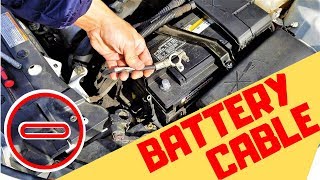
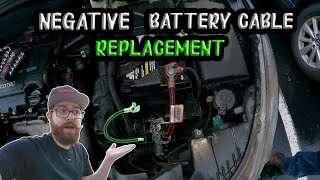
Typical fix: For 2011-2015 models, replace the negative battery cable assembly. 🎬 See this step-by-step negative battery cable replacement walkthrough. The replacement part may require a separate M6 bolt to secure a secondary wire that was integrated into the original clamp. For 2016 models, the fix is to add a specific washer (GM P/N 11609679) to the ground stud and re-torque the nut. Check with a GM dealer to see if your VIN is covered by the special coverage.
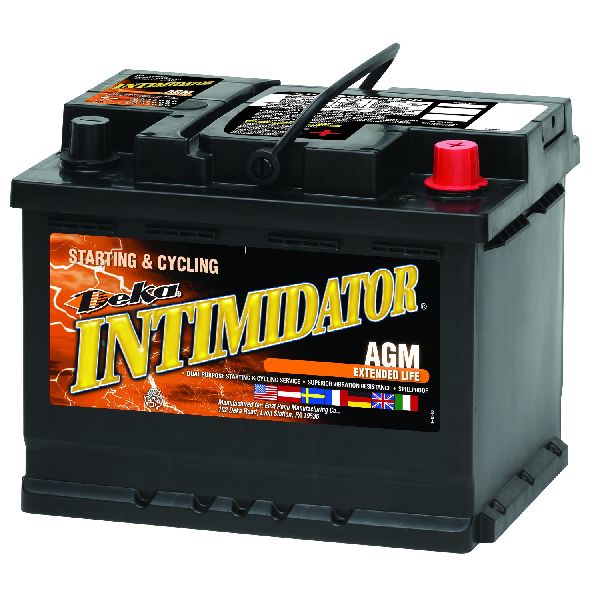
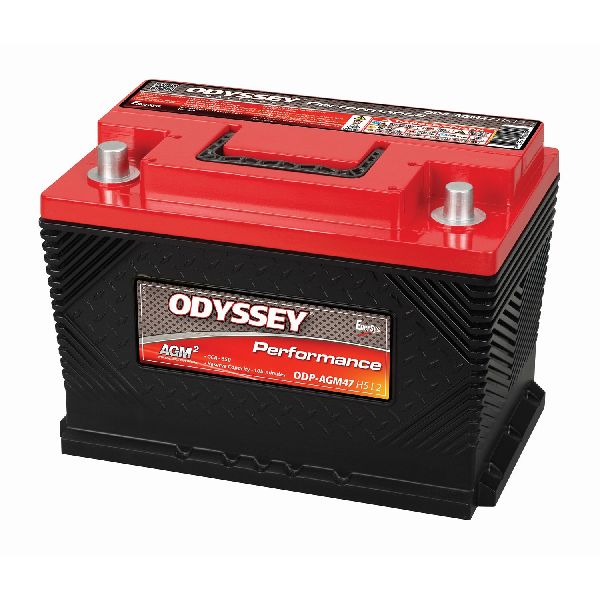
Est. part cost: $0 - $70 - Weak or Dying Main Car Battery 🟡 Medium Probability → Shop Vehicle Battery The Cruze is known for having sensitive electronics. A weak battery can provide insufficient voltage to the various modules during startup, causing communication errors between the BCM and ECM, which can mimic a theft event.
How to confirm: Test the battery voltage with a multimeter; it should be above 12.4V with the engine off. Many auto parts stores will test your battery for free.
Typical fix: Replace the main 12V vehicle battery.
Est. part cost: $150-$250 - Defective or Damaged Key 🟡 Medium Probability The transponder chip inside the key head can be damaged from being dropped, or the key can simply wear out. A weak battery in the key fob itself does not typically cause this code (it's for the remote functions), but a damaged key housing can lead to transponder damage.
How to confirm: Try starting the vehicle with a known-good spare key. If the spare key works every time, the original key is faulty.
Typical fix: Replace the key and have it programmed to the vehicle. This may require a 30-minute relearn procedure.
Est. part cost: $50-$250
Rare But Worth Checking
- Faulty Body Control Module (BCM): → Shop Body Control Module If all keys fail and interference has been ruled out, the BCM itself may have an internal fault. This is an expensive repair that requires programming by a dealer or qualified shop with SPS/GDS2 software. DIY replacement is very difficult, as simply cloning the EEPROM chip may not work due to hardware revisions. A replacement can cost over $700.
- Faulty Ignition Lock Cylinder / Exciter Ring: → Shop Ignition Switch The exciter ring is the antenna that powers the key's transponder and reads its signal. A break in its wiring or an internal failure can prevent communication, though this is less common than key or interference issues. The part number for the lock cylinder with key is around 13504286.
- BCM Software Glitch: In some cases on other GM platforms with similar systems, a BCM software glitch has been known to cause B3935, fixable only with a dealer re-flash of the module. TSB PI1180A describes such a fix for GM trucks. While not specific to the Cruze, it remains a possibility if all hardware has been ruled out.
Diagnosis Steps
- Check for the 'Security' light on the dash. If it's on or flashing, this confirms an anti-theft issue.
- CRITICAL FIRST STEP: Remove ALL other items from your keychain. This includes other keys, fobs, store loyalty cards, and office access badges. Also unplug any aftermarket phone chargers or USB devices. Try to start the car with the Cruze key completely isolated.
- If the car still won't start, try your spare key. If the spare works, the first key is faulty.
- Inspect the negative battery cable for looseness, corrosion, or a bad crimp at the terminal. Wiggle it firmly. This is a known major issue on 2011-2015 models per TSB 14311B.
- Have your main 12V car battery tested. A weak battery is a very common cause of electrical issues on the Cruze.
- If you have a new key or suspect the system is 'confused', perform the 30-minute key relearn procedure. Turn the key to the 'ON' position and wait 10 minutes for the security light to turn off. Turn the key off, then repeat this process two more times. On the third cycle, the key should be learned.
- If none of the above steps work, the vehicle needs to be diagnosed with a professional scan tool to check for a faulty BCM, ignition cylinder, or wiring harness.
Parts You'll Likely Need
- Ignition Key (2011-2016)
(OEM #13504200, 13500222 (Other: 13501913, 13576172, 23209427))— If the transponder chip in the original key has failed, a new key is required. This is confirmed by testing a spare key.
Trusted brands: ACDelco, Strattec (P/N: 5912543)
OEM price range: $70-$150
Aftermarket price range: $30-$80 - Vehicle Battery — A weak battery is a frequent cause of various electrical and communication codes, including B3935, on the Cruze.
Related Codes That Often Appear With This One
- B3055 — Relates to the key transponder circuit. Often set alongside B3935 as part of the same anti-theft fault.
- B3060 — Another code related to the transponder key system, indicating an issue with the exciter antenna circuit.
- U-codes (e.g., U0100, U0140) — If the root cause is a weak battery or bad ground cable, you may see various 'Lost Communication' codes with the ECM or BCM.
- C0750, C0755, C0760, C0765, C0775 — These are Tire Pressure Monitor (TPM) sensor codes. Since the TPM system also operates on radio frequency, severe RFI that triggers a B3935 can sometimes also interfere with the TPM system, causing these codes to appear simultaneously.
Technical Service Bulletins (TSBs) & Recalls
- PIC5650M / PIC5650L / PIC5650K: Warns of intermittent no-crank/no-start with security light and DTC B3935. States not to replace parts and to ask about Radio Frequency Identification devices and other aftermarket electronics.
- PIE0232: An engineering information bulletin asking technicians to verify no RF devices are near the ignition cylinder that could cause interference.
- TSB 14311B: Special Coverage for 2011-2015 Cruze models for an insufficient crimp on the negative battery cable. Extends warranty on this part to 10 years/120,000 miles.
- CSP 46000: Customer Satisfaction Program for 2016 Cruze models for a loose negative battery cable ground stud, requiring the installation of a washer (P/N 11609679).
Platform-Specific Known Issues
- Per TSB #PIC5650M, this vehicle is highly susceptible to Radio Frequency Interference causing a no-start with code B3935. The manufacturer explicitly advises against replacing parts for this concern until RFI is ruled out.
- Per TSB #14311B, 2011-2015 models are subject to a Special Coverage program for a faulty negative battery cable crimp that causes widespread electrical issues, including no-start conditions. This should be investigated before replacing more expensive components.
Hidden / Shadow Codes Worth Checking
- Scan Tool Data Parameters: While not a formal sub-code, a professional scan tool may display data parameters like 'Invalid Key' or 'Transponder Key Not Present' which can help confirm the nature of the B3935 fault. (see via GM GDS2 or high-end professional scan tool.)
Scan Tool Commands That Help
- GM SPS (Service Programming System): Immobilizer Reset / Reset Environment Identifiers — This is a critical function required when replacing modules like the BCM or ECM with used parts. Failure to reset the identifiers will cause a VIN mismatch and trigger anti-theft codes like B3935 and B3902.
- GM GDS2: Add/Replace Key Fobs — Used to program new keys or remotes to the vehicle after a key has been confirmed as faulty. This is found under the 'Remote Control Door Lock Receiver' or similar body control module menu.
Wiring & Ground Locations
- Body Control Module (BCM) — For Gen 1 (2011-2016), it is located on the passenger side, behind/below the glove box. For Gen 2 (2016.5-2018), it is located on the driver's side, behind the kick panel under the dashboard.. The BCM is the central module for the theft deterrent system. All related wiring for the key and immobilizer antenna route to it. Accessing it is necessary for advanced diagnosis or replacement.
- Immobilizer Exciter Coil — This is a ring antenna located directly around the ignition lock cylinder, underneath the plastic steering column shrouds.. This component energizes and reads the key's transponder chip. A break in its wiring or an internal failure will directly cause a B3935 code.
- Ignition Switch Connector (2018) — At the ignition switch on the steering column.. Pin 6, a Brown/White wire, is the 'Ignition Key Resistor Signal' circuit. This wire carries the security information from the key reading system to the BCM. Checking for continuity or voltage on this wire can diagnose a wiring fault.
- BCM Ground (2016) — On a 2016 model, connector X1 Pin 1 and connector X2 Pin 2 are both grounds for the BCM.. A poor ground connection at the BCM can cause a wide range of unpredictable electronic issues, including communication errors that could trigger a B3935 code.
Real Owner Repair Stories
- Camaro5 Forum User (2012 Chevrolet Camaro SS (Similar GM anti-theft system)) — No crank, no start, 'Service Theft Deterrent System' message, code B3935 found.
❌ Tried (didn't work) Disconnecting/reconnecting the battery., Performing the 30-minute key relearn procedure with the original key.
✅ What actually fixed it A new, inexpensive, non-folding key was cut by a locksmith. The 30-minute, three-cycle key relearn procedure was then performed with the new key, which was successful and allowed the car to start. This confirmed the transponder chip in the original key had failed.
Model Year Variations Within This Range
- 2011-2016 vs 2016.5-2018: The location of the Body Control Module (BCM) is different. On the first generation (including the 2016 'Limited' model), the BCM is on the passenger side. On the second generation, it is on the driver's side. This is critical for diagnosis and replacement.
- 2016: The 2016 model year is a split year. The 'Cruze Limited' is a continuation of the first generation platform. The all-new 'Cruze' is the second generation. They have different chassis, electronics, and part locations. It is essential to correctly identify which 2016 model you are working on before looking up parts or diagrams.
Helpful Videos
We Have This Part in Stock


The information in this article is provided for general reference and educational purposes only. Vehicle specifications, procedures, and part compatibility can vary by production date, trim level, and region. Always consult your vehicle's factory service manual and verify part numbers before purchasing or performing repairs. Safety-critical components such as airbags, seat belts, and braking systems should be installed by a qualified professional.
- Chevrolet CRUZE:
- 🧭 Diagnostic Flowchart
- 🎬 Helpful Videos
- 🛍️ Shop This Part
- What's Unique About the 2011-2018 Chevrolet CRUZE
- Symptoms You May Notice
- Most Likely Causes
- Rare But Worth Checking
- Diagnosis Steps
- Parts You'll Likely Need
- Related Codes That Often Appear With This One
- Technical Service Bulletins (TSBs) & Recalls
- Platform-Specific Known Issues
- Hidden / Shadow Codes Worth Checking
- Scan Tool Commands That Help
- Wiring & Ground Locations
- Real Owner Repair Stories
- Model Year Variations Within This Range
- 🎟️ Get 5% Off