

B3935 on 2007-2014 Chevrolet Impala: Security Light and No-Start Fixes
Code B3935 on a Chevy Impala almost always indicates a security system problem causing a no-start. The most common cause is radio frequency (RF) interference from other keys or access cards on the keychain. Before replacing any parts, remove all other keys, fobs, and RFID cards from your keychain and try starting the car again. This simple step, highlighted in GM TSBs, resolves the issue in a high number of cases.
- B3935 is a security code, not a mechanical engine problem. Do not replace the starter or battery.
- The most likely cause is RF interference. Your first step should always be to isolate the ignition key from all other fobs and cards.
- If isolating the key doesn't work, try a spare key to rule out a faulty primary key.
- The 10-minute 'Passlock Relearn' procedure can sometimes resolve temporary glitches in the security system.
- If parts are needed, they will likely be a new key or a Body Control Module, both of which require professional programming.
What's Unique About the 2007-2014 Chevrolet IMPALA

The GM Pass-Key III+ immobilizer system used in this generation of Impala (and its W-body platform mates) is notoriously sensitive. As confirmed by multiple official GM Technical Service Bulletins (PIC5650 series), the system is highly prone to radio frequency (RF) interference from other devices on the owner's keychain. This often leads to a B3935 code and a no-start situation that can be fixed without replacing any parts, a detail many generic repair guides miss. The TSBs specifically list items like other vehicle keys, toll passes, and building access cards as potential sources of interference.
Diagnostic Flowchart

Tap your situation to follow the diagnostic path that matches what you're seeing on this vehicle.
Generation note: The 2007-2014 range covers the latter half of the 9th generation Impala (2006-2013) and the first model year of the 10th generation (2014). Additionally, the 9th generation body style was sold to fleet customers through 2016 as the 'Impala Limited'. The B3935 fault and its primary causes related to the Pass-Key III+ system are common across the 9th generation models and their platform mates. The 10th generation, starting in 2014, moved to the Epsilon II platform and may have different system behavior.
Symptoms You May Notice

- Engine will not crank (no-crank, no-start).
- Engine starts and immediately stalls.
- Security light is illuminated or flashing on the dashboard.
- Key may get stuck in the ignition
- Message on Driver Information Center (DIC) like 'Service Theft Deterrent System'.
- Replacing the battery
- Replacing the starter motor
- Replacing the ignition switch without diagnosing the immobilizer system
Most Likely Causes

- Radio Frequency (RF) Interference 🔴 High Probability As documented in TSBs PIC5650L and PIC5650M, the immobilizer system is sensitive to other electronic devices. The system operates by energizing the key's transponder with an exciter coil, and other fobs or cards (toll passes, office access cards) can block or corrupt the key's signal during the authentication handshake. TSBs explicitly list aftermarket LED lights and phone chargers as other potential RFI sources.
How to confirm: Remove all other keys, key fobs, and RFID-enabled cards (like office access cards or gas station payment cards) from the keychain. Attempt to start the vehicle with only the single Impala key. If the car starts, RFI was the cause.
Typical fix: Keep the Impala key isolated from other electronic devices. No parts are replaced.
Est. part cost: $0 - Defective Ignition Key Transponder 🟡 Medium Probability → Shop Ignition Switch The transponder chip embedded in the key head can fail, be damaged from being dropped, or simply wear out over time. Worn-out key blades can also cause intermittent contact and reading issues.
How to confirm: Attempt to start the vehicle with a known-good spare key. If the spare key works consistently, the primary key is faulty. If no spare is available, this is often the second step after ruling out RFI.
Typical fix: Replace the defective key. A new key must be cut and programmed to the vehicle by a dealership or an automotive locksmith with the proper tools.
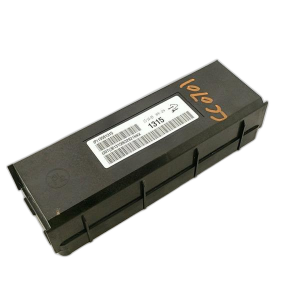
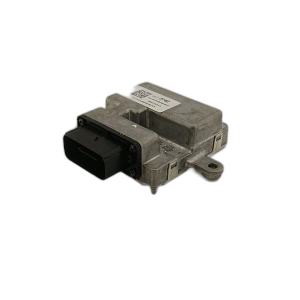
Est. part cost: $70-$150 - Faulty Theft Deterrent Module (TDM) or Body Control Module (BCM) ⚪ Low Probability → Shop Anti-Theft Control Module The BCM/TDM is the brain of the security system. Internal logic failures or software glitches can prevent it from authenticating a known-good key. This can sometimes manifest as a loss of communication on the data bus.
How to confirm: This requires a professional scan tool. If the code persists with a known-good key and no RF interference, and all wiring is intact, the module itself is suspect. A GM-specific TSB (PI1180A) notes that a BCM software update can fix this code on some models when seen with B2955.
Typical fix: First, attempt to reprogram/reflash the BCM with the latest software via the dealer's Service Programming System (SPS). If that fails, the module must be replaced and programmed to the vehicle.
Est. part cost: $250-$600 - Faulty Immobilizer Exciter Coil (Antenna) ⚪ Low Probability The exciter coil is a wire ring around the ignition lock cylinder that powers the key transponder via electromagnetic induction. A break or short in this thin wire will prevent the key from being energized and read correctly.
How to confirm: This is difficult to test without specific tools. A technician would check for continuity and proper signal at the TDM connector. If a new key doesn't solve the issue, and RFI is ruled out, the exciter coil is the next logical part to inspect.
Typical fix: The exciter coil is typically integrated with the ignition lock cylinder housing. The entire assembly is replaced. An example part is GM #19207991.
Est. part cost: $60-$250
Diagnosis Steps
- Observe the dashboard for an illuminated or flashing 'Security' light when the no-start condition occurs.
- Remove ALL other items from the keychain, including other car keys, fobs, and any plastic RFID cards (toll passes, work badges, etc.). Try to start the car with only the single Impala key. This is the most critical first step per GM TSBs.
- If the car still doesn't start, try using a spare key if you have one. If the spare key works, the original key is faulty.
- If neither key works and the security light is on, attempt the '30-Minute Passlock Relearn Procedure': Turn the key to the 'ON' position (do not start), and wait for approximately 10-11 minutes until the security light turns off. Turn the key off for 10-30 seconds. Repeat this cycle two more times for a total of three 10-minute cycles. After the third cycle, turn the key off, then attempt to start the engine. A battery charger is recommended during this process. 🎬 Watch: A visual guide to the 30-minute relearn procedure.
- Check the fuses for the Body Control Module (BCM) and Theft Deterrent System in the vehicle's fuse panels.
- If the issue persists, professional diagnosis with a scan tool capable of reading GM body codes (like a Tech2) is recommended to check for other codes, view live data from the TDM/BCM, and confirm module communication.
Parts You'll Likely Need
- Ignition Key
(OEM #ACDelco B111-P, Strattec 5903188)— The transponder chip inside the key (PK3+) can fail, causing authentication errors. This is a common fix if a spare key works.
Trusted brands: ACDelco, Strattec
OEM price range: $70-$120
Aftermarket price range: $40-$80 - Body Control Module (BCM)
(OEM #ACDelco 22860591 (for 2006-2012 models))— In less common cases, a software glitch or internal failure in the BCM can cause B3935. It often requires reprogramming or replacement.
Trusted brands: ACDelco, Dorman (Remanufactured)
OEM price range: $300-$500
Aftermarket price range: $200-$400 - Ignition Lock Cylinder with Exciter Coil
(OEM #GM 19207991 (uncoded))— The exciter coil that powers the key transponder is part of the lock cylinder assembly. A break in its wiring requires replacement of the unit. 🎬 See this step-by-step ignition lock cylinder replacement guide.
Trusted brands: ACDelco, Carquest
OEM price range: $60-$100
Aftermarket price range: $50-$95
Related Codes That Often Appear With This One
- B3055 — This is a 'No Transponder Modulation or No Transponder' code, often set alongside B3935 when RF interference is present or the key is bad. It is mentioned in TSB PIC5650M.
- B3060 — This is an 'Unprogrammed Transponder' code, which can also be triggered by communication errors between the key and the TDM. It is also cited in TSB PIC5650M.
- B2955 — This code for 'Security Sensor Data Circuit Malfunction' can appear with B3935, sometimes indicating a BCM software issue that can be resolved with a reflash, as noted in TSB PI1180A for other GM models.
- U0168 — This code indicates 'Lost Communication With Vehicle Security Control Module'. It may be found in the Instrument Panel Cluster (IPC) or other modules when the TDM/BCM is failing or there is a wiring issue, preventing communication and causing a no-start.
Technical Service Bulletins (TSBs) & Recalls
- PIC5650M: Addresses intermittent no crank/start with security light on, listing B3935
- PIC5650L: Predecessor to PIC5650M, also citing RF interference for B3935.
- PI1180A: Addresses a BCM software update for B3935 and B2955 on other GM models.
Platform-Specific Known Issues
- GM Technical Service Bulletin #PIC5650M explicitly warns technicians NOT to replace parts for this concern initially, but to first investigate RF interference from devices on the customer's keychain, including aftermarket phone chargers and LED lights.
- GM Technical Service Bulletin #PIC5650L (superseded by M) groups B3935 with other security codes (B3055, B3060) related to intermittent no-crank/no-start/start-stall conditions and points to Radio Frequency Identification (RFID) interference as a primary cause.
- Owner forums frequently cite success stories where simply separating the Impala key from other keys on the ring permanently solved the B3935 and no-start problem.
Mechanic-Grade Diagnostic Values
- High-Speed GMLAN (CAN Bus) Network Resistance — expected: Approximately 60 Ohms. Failure: A reading of 120 Ohms indicates an open circuit (a break in the wiring or a failed module). A reading near 0 Ohms indicates a short circuit.
Hidden / Shadow Codes Worth Checking
- B3935 57: The '57' is a GM-specific symptom byte meaning 'Invalid or Mismatched Key'. It specifies that the key was read but the cryptographic challenge failed. This is the most common symptom byte for B3935. (see via A professional GM-specific scan tool like a Tech 2 or high-end bidirectional scanner.)
Scan Tool Commands That Help
- Tech 2 / GDS2: Vehicle Theft Deterrent (VTD) Learn — This function is used to program new keys or to resynchronize the security system after replacing the TDM or ECM. It is a more controlled version of the manual 30-minute relearn procedure.
- Tech 2 / GDS2 with SPS: Body Control Module Programming and Setup — Used to flash the BCM with updated software from GM's Service Programming System (SPS). This is required if TSB PI1180A applies (for codes B3935 and B2955) or when installing a new BCM.
- Tech 2 / GDS2: Live Data - Immobilizer Relearn Status — When performing a manual 30-minute relearn, a technician can monitor live data to see if the relearn status changes to 'Active'. If it remains 'Inactive', it indicates a deeper problem like a communication failure that is preventing the relearn from initiating.
- High-end bidirectional scanner (Autel, Snap-on): SDM Primary Key Reset — This may be required after replacing and programming a BCM. If the airbag (SDM) light is on after a BCM swap, this function resynchronizes the BCM with the Sensing and Diagnostic Module.
Wiring & Ground Locations
- BCM (Body Control Module) — Left side of the dash, located directly above the driver's kick panel.. The BCM is a central component of the theft deterrent system. It processes the key data from the TDM and communicates with the ECM to allow the engine to start.
- TDM (Theft Deterrent Module) — Located on the ignition key cylinder housing, inside the steering column. The exciter coil is part of this module.. This module directly energizes and reads the transponder chip in the key. Its wiring is susceptible to damage from steering column movement.
- G201 / G202 — Ground points located under the dash, near the center and to the right of the steering column.. These are critical ground points for the BCM and Instrument Panel Cluster (IPC). A poor ground here can cause a wide range of erratic electrical issues, including immobilizer faults and communication loss.
- G103 — Located on the cowl in the left rear of the engine compartment, above the brake booster.. This ground serves multiple modules, including the BCM, IPC, and Data Link Connector (DLC). A fault here can disrupt communication between all essential security components.
Real Owner Repair Stories
- Camaro5 Forum user (Chevrolet Camaro (similar Pass-Key III+ system)) — No crank, 'Service Theft Deterrent System' message, code B3935 found on Snap-on scanner.
❌ Tried (didn't work) Initial diagnosis was unclear.
✅ What actually fixed it A locksmith cut a new, inexpensive standard transponder key. The owner then successfully performed the 30-minute key relearn procedure, and the car started normally. - ScannerDanner Forum technician (2011 Chevy Impala 3.5L) — Security light on, no crank, no start. No communication with the Vehicle Theft Deterrent Module (VTDM). Code U0168 (loss of communication) present in the Instrument Panel Cluster (IPC).
❌ Tried (didn't work) Replacing the VTDM (exciter coil assembly)., Attempting the 30-minute relearn procedure (scan tool showed the relearn process would not become 'active').
✅ What actually fixed it The issue was a loss of communication on the data line to the module, not the key or the module itself. The technician concluded that further diagnosis of the wiring harness and connectors between the BCM and TDM was required to find the break or short.
When the Usual Fixes Don't Work
- While the most common fixes for B3935 are simple (isolating the key from RF interference or using the 30-minute relearn), there are cases where these steps fail, pointing to a more complex root cause. For example, if the vehicle will not enter the relearn state (the security light never turns off after 10 minutes), it often indicates a hard fault. This could be a complete failure of the Theft Deterrent Module, a broken wire in the steering column, a bad ground at G201, or a network-wide communication failure caused by another module on the data bus. In these scenarios, simply trying the relearn procedure repeatedly will not work, and professional diagnosis with a scan tool to check for communication codes (like U0168) and verify network integrity is necessary.
OEM Part Supersession History
15822351, 89024257→19207991— Part revision/update by GM.
Heads up: Part 19207991 is an uncoded lock cylinder kit, which requires assembly by a locksmith to match the vehicle's existing key. It includes the housing and the critical exciter coil.15948439, 20864768, 25847589, and others→22860591— Consolidation of multiple part numbers into a single service replacement part.
Heads up: Part 22860591 fits Impala models from 2006-2012. It must be programmed to the vehicle's VIN using SPS. After installation, an SDM key reset or anti-theft relearn may also be required.
Model Year Variations Within This Range
- 2006-2013: The Pass-Key III+ system and its related components are largely consistent across these model years of the 9th generation Impala. The BCM part number 22860591 covers up to 2012 models, indicating a possible different BCM part number for 2013, though the function is identical.
- 2014: The 'Impala Limited' model is a carryover of the 9th generation and is subject to the same B3935 issues. The all-new 10th generation Impala, also sold in 2014, uses a different platform (Epsilon II) and a different security system architecture, making these specific diagnostics less applicable.
Helpful Videos

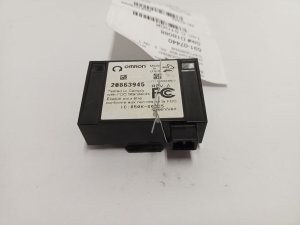
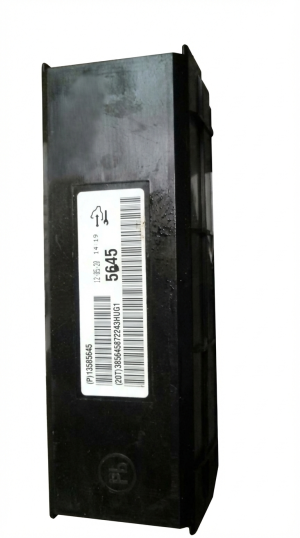
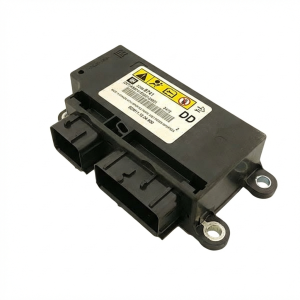
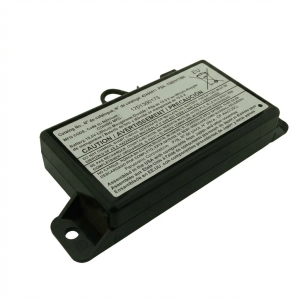
We Have This Part in Stock

The information in this article is provided for general reference and educational purposes only. Vehicle specifications, procedures, and part compatibility can vary by production date, trim level, and region. Always consult your vehicle's factory service manual and verify part numbers before purchasing or performing repairs. Safety-critical components such as airbags, seat belts, and braking systems should be installed by a qualified professional.
- Chevrolet IMPALA:
- 🧭 Diagnostic Flowchart
- 🎬 Helpful Videos
- 🛍️ Shop This Part
- What's Unique About the 2007-2014 Chevrolet IMPALA
- Symptoms You May Notice
- Most Likely Causes
- Diagnosis Steps
- Parts You'll Likely Need
- Related Codes That Often Appear With This One
- Technical Service Bulletins (TSBs) & Recalls
- Platform-Specific Known Issues
- Mechanic-Grade Diagnostic Values
- Hidden / Shadow Codes Worth Checking
- Scan Tool Commands That Help
- Wiring & Ground Locations
- Real Owner Repair Stories
- When the Usual Fixes Don't Work
- OEM Part Supersession History
- Model Year Variations Within This Range
- 🎟️ Get 5% Off