

B3935 on 2015-2022 Chevrolet Suburban: No-Start & Security System Fault Guide
Code B3935 on a Suburban almost always means there is radio frequency interference (RFI) blocking your key fob's signal, causing a no-start and illuminating the security light. Before replacing any parts, remove RFID-blocking wallets, other key fobs, or building access cards from near the vehicle's key and try again. This is a known issue documented by GM in service bulletins.
- B3935 means your Suburban's security system is preventing it from starting.
- The most likely cause is not a broken part, but interference from another electronic device (like a work ID badge or another key fob) near your car key.
- Before spending any money, the first step is to isolate your car key from all other items and try to start the vehicle again.
- If that doesn't work, the next cheapest step is to replace the battery in your key fob.
- Do not let a mechanic replace expensive modules like the BCM or TDM until Radio Frequency Interference and software updates have been completely ruled out.
What's Unique About the 2015-2022 Chevrolet SUBURBAN
The 2015-2022 Suburban platform (both K2XX and T1XX generations) is known for the sensitivity of its keyless entry and immobilizer system. General Motors has issued multiple Technical Service Bulletins (TSBs) warning technicians that intermittent no-start conditions with code B3935 are frequently caused by external Radio Frequency Interference (RFI). The official guidance explicitly states not to replace parts until RFI has been ruled out. Common sources of interference cited by GM include aftermarket phone chargers, LED lights, toll passes, and building access cards.
Diagnostic Flowchart
Tap your situation to follow the diagnostic path that matches what you're seeing on this vehicle.
Generation note: The 2015-2022 year range covers two Suburban generations: the 11th (2015-2020, K2XX platform) and the 12th (2021-2022, T1XX platform). Both generations feature keyless entry and push-to-start systems that are susceptible to the radio frequency interference issues described in GM's service bulletins. A specific TSB for 2015 models also points to a potential BCM software issue that requires an update.
Symptoms You May Notice
- Intermittent no-crank, no-start condition
- Engine starts and immediately stalls
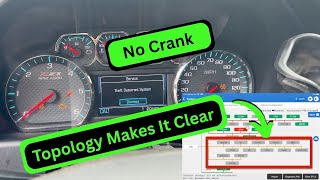
- Security indicator light is on or flashing on the dashboard. 🎬 Watch: Troubleshooting a no-crank with a Service Theft Deterrent message.
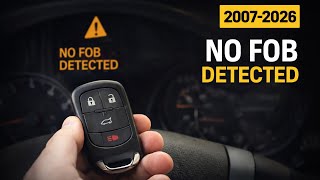
- "No Fob Detected" message on the Driver Information Center (DIC).
- Passive/keyless entry does not work
- A single 'click' sound when trying to start, with no crank
- Replacing the Body Control Module (BCM) without first checking for software updates or RFI.
- Replacing the Theft Deterrent Module (TDM) or Keyless Entry Module.
- Replacing the push-to-start button or ignition switch.
- Replacing the vehicle's main battery.
- Replacing the starter motor, as documented in owner forums for platform-mate vehicles.
Most Likely Causes
- Radio Frequency Interference (RFI) 🔴 High Probability As documented in GM TSBs PIC5650L and PIC5650M, the vehicle's security system is sensitive to external radio signals that can 'jam' the communication between the key fob and the car. Common sources cited in the bulletins include other key fobs on the same keychain, building access cards, fuel station speed passes, interstate toll passes, RFID-blocking wallets, and even certain aftermarket phone chargers or LED lights plugged into the vehicle.
How to confirm: Isolate the vehicle's key fob from all other keys, cards, and electronic devices. Remove any aftermarket devices plugged into the vehicle's power outlets. If the vehicle starts consistently with the key fob isolated, RFI is the cause.
Typical fix: Educate the driver to keep the vehicle's key fob separate from sources of RFI. No parts replacement is necessary.
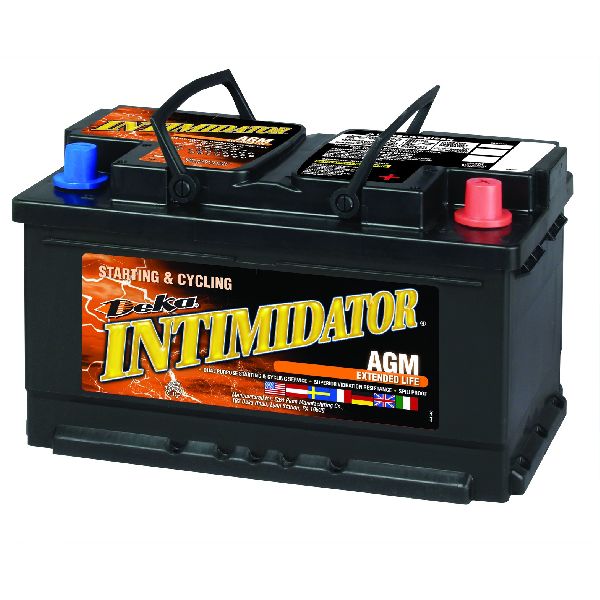
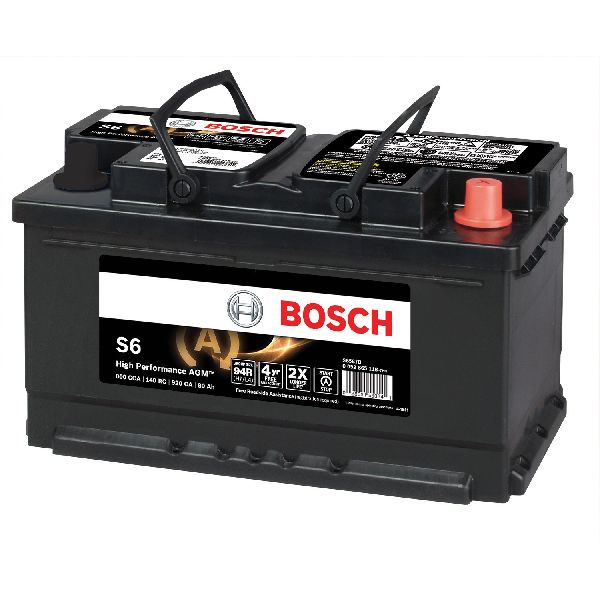
Est. part cost: $0 - Weak or Dead Key Fob Battery 🟡 Medium Probability → Shop Vehicle Battery This is a common issue for any vehicle with a keyless ignition system. A weak battery may not have enough power to transmit a strong enough signal to overcome minor interference or be read correctly by the vehicle.
How to confirm: Try the vehicle's second key fob. If it works reliably, the battery in the first fob is the likely culprit. Alternatively, place the problematic fob in the designated transmitter pocket (usually in the center console or cup holder) as described in the owner's manual; the vehicle should start if the battery is the only issue.
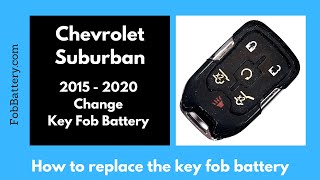
Typical fix: Replace the CR2032 battery inside the key fob. 🎬 Watch: How to replace your Suburban key fob battery.
Est. part cost: $2-$10 - Body Control Module (BCM) Software Glitch ⚪ Low Probability → Shop Body Control Module For 2015 models specifically, GM released a service bulletin (PI1180A) indicating that a 'No Click, No Crank, No Start' condition with DTCs B3935 and B2955 could be caused by a software issue in the BCM.
How to confirm: A GM dealer or a qualified shop with access to GM's Service Programming System (SPS) must check the current BCM calibration version against the latest available software. This condition applies specifically when both B3935 and B2955 are set.
Typical fix: Reprogram the BCM with the updated software calibration. This is a 0.5-hour labor operation under warranty.
Est. part cost: $0
Rare But Worth Checking
- Faulty Key Fob: → Shop Keyless Entry Transmitter If a new battery doesn't fix the issue and the second fob works perfectly, the internal electronics of the first fob may have failed. This can happen from being dropped or exposed to water.
- Faulty Theft Deterrent Module (TDM) or Antenna: → Shop Anti-Theft Control Module In rare cases, the module or antenna responsible for reading the key fob signal can fail. Diagnostic procedures suggest this as a final step after all other causes are ruled out. If a known-good key and a new key both fail to start the vehicle, the TDM may be at fault. This should only be considered after all other, more common causes (especially RFI) have been exhaustively ruled out, as per GM's TSBs.
Diagnosis Steps
- Question the driver about any intermittent no-start or security light issues. Ask what items are on their keychain or in the vehicle (e.g., work access cards, RFID wallets, phone chargers, toll passes).
- Attempt to start the vehicle. Note if the security light is illuminated or flashing.
- If it fails to start, remove ALL other keys, fobs, and cards from the vehicle's key. Unplug any aftermarket chargers or devices. Re-test.
- If it still fails, try using the vehicle's second key fob.
- If the second fob works, replace the battery (CR2032) in the first fob.
- If neither fob works, try placing one in the vehicle's transmitter pocket (location is in the owner's manual) and attempt to start. This bypasses the need for a strong wireless signal and is a key diagnostic step mentioned in TSB PIC5650B.
- If the vehicle starts from the pocket, the issue is likely signal-related (weak battery or RFI). If it does not, the problem is more complex.
- Scan the vehicle for all DTCs in all modules. Note if B3935 is present with B3055, B3060, or B2955.
- If a 2015 model with B3935 and B2955, consult a dealer about TSB PI1180A regarding a BCM re-flash.
- If the problem persists, professional diagnosis is required to test the TDM antenna and module circuits, potentially leading to TDM replacement as a last resort.
Parts You'll Likely Need
- Key Fob Battery
(OEM #CR2032)— This is the most common and simple fix when the cause isn't radio frequency interference.
Trusted brands: Energizer, Duracell, Panasonic
OEM price range: $5-$10
Aftermarket price range: $2-$8 - Key Fob (Transmitter)
(OEM #13580081 (2015-2020 models, 5-button). Other p/n: 13577762, 22859390, 84540866. FCC ID: M3N-32337100.)— Needed only if the fob's internal electronics have failed. Requires programming by a dealer or automotive locksmith. Part numbers for 2021-2022 models will differ.
Trusted brands: ACDelco (OEM)
OEM price range: $150-$350
Aftermarket price range: $50-$150
Related Codes That Often Appear With This One
- B3055 — Also a key-related security code, often set alongside B3935 during the same failed authentication event, as noted in TSB PIC5650M.
- B3060 — Another transponder-related security code, indicating a problem in the immobilizer system, mentioned in the same TSBs.
- B2955 — This code, related to the security sensor data circuit, is specifically mentioned in TSB PI1180A for 2015 models along with B3935 as being fixable with a BCM software update.
- C0750, C0755, C0760, C0765, C0775 — These are Tire Pressure Monitor (TPM) sensor codes. TSB PIC5650M notes that the same RFI that disrupts the key fob can also interfere with the TPM system, causing these codes to appear simultaneously.
Technical Service Bulletins (TSBs) & Recalls
- A long-running series of GM Preliminary Information Bulletins warning technicians about intermittent no-start conditions caused by Radio Frequency Interference (RFI).
- Addresses a specific no-start condition on 2015 models where DTCs B3935 and B2955 are set simultaneously, fixed by a BCM software update.
Platform-Specific Known Issues
- Radio Frequency Interference (RFI): GM has issued multiple bulletins (PIC5650 series) across many model years, including the Suburban, warning that intermittent no-start conditions with security codes are often caused by RFI and that parts should not be replaced until this is ruled out.
- BCM Software Update (2015 Models): TSB PI1180A specifically addresses a no-start condition with DTCs B3935 and B2955 on the 2015 Suburban, which can be resolved by reprogramming the Body Control Module.
- Owner Experience: Cascade of Misdiagnoses: An owner of a 2017 Silverado (a platform mate) reported on a forum an intermittent no-start issue that the dealership struggled to fix. The dealer first replaced the battery and starter, then tightened fuse box connections, then replaced the fuse box, and finally replaced the engine control module before the issue was resolved. This highlights the importance of diagnosing the security system correctly from the start to avoid unnecessary and expensive parts replacement.
Hidden / Shadow Codes Worth Checking
- B3935 set with B2955: On 2015 models, this specific combination of codes indicates a known software glitch in the Body Control Module (BCM) that causes a no-crank, no-start condition. (see via A standard OBD-II scanner capable of reading Body (B) codes. The key is interpreting the *combination* of codes, as per TSB PI1180A.)
Scan Tool Commands That Help
- GDS2 (GM Techline Connect/SPS): Body Control Module Reprogramming — Required to fix the software glitch on 2015 models when DTCs B3935 and B2955 are present together. This flashes the BCM with updated software.
- GDS2: Add or Replace Key Fobs — Used to program new or additional key fobs to the vehicle. This function is found under the 'Remote Control Door Lock Receiver' module menu.
- GDS2 (GM Techline Connect/SPS): Vehicle Theft Deterrent Learn — This is a more in-depth security programming function required when replacing certain security-related modules. It requires an online connection and takes approximately 10-13 minutes to complete.
- Manual Procedure (No Scan Tool): 30-Minute Security Relearn Procedure — Used to teach the vehicle a new key or module when a scan tool is not available. It involves cycling the ignition ON for 10 minutes (until the security light goes out), OFF for 5 seconds, and repeating this for a total of three 10-minute cycles.
Wiring & Ground Locations
- BCM Location (K2XX) — Behind the lower dashboard panel on the driver's side, to the left of the steering column. It is often attached to the interior fuse block assembly.. Physical access is required to inspect connectors for corrosion or damage and to check for a proper ground connection, which is critical for BCM operation and communication.
- G218 (or similar A-Pillar Ground) — Inside the cabin, at the top left of the dashboard, near the base of the driver's side A-pillar. Access requires removing the A-pillar trim and sometimes the top dash panel.. This is a primary ground point for the BCM and other dash electronics. A poor connection here can cause intermittent communication failures, leading to security codes like B3935 and other bizarre electrical issues.
- Frame Grounds — On the vehicle frame, located directly behind both front wheels.. These are major chassis ground points. They are in a location prone to corrosion from road spray, and a poor connection can cause widespread electrical problems that may affect module stability.
- Battery Terminal Fuse Block — Mounted directly on top of the positive battery terminal under the hood.. This block contains several high-amperage 'mega fuses' that supply power to major systems, including the BCM. Corrosion or a blown fuse here can cause a no-power situation for the BCM, resulting in a no-start.
"I Checked Everything" — The Actual Cause
- The most common 'everything tests good but it still won't start' scenario for B3935 is Radio Frequency Interference (RFI). Standard diagnostic procedures checking the battery, starter, and module communication will find no faults, as the issue is caused by an external signal jamming the key fob's authentication. The fix, as outlined in GM's TSBs, is to identify and remove the source of RFI (like an aftermarket charger, RFID wallet, or other fobs) rather than replacing any vehicle components.
Model Year Variations Within This Range
- 2015 only: A specific BCM software bug can cause a 'No Click, No Crank, No Start' condition, setting both DTC B3935 and B2955. The official fix is not parts replacement but a BCM software reprogram per TSB PI1180A.
- 2015-2020 vs. 2021-2022: The 2015-2020 (K2XX) models use GM's 'Global A' electrical architecture. The 2021-2022 (T1XX) models use the newer and more complex 'Vehicle Intelligence Platform' (VIP). While the B3935 code's meaning is the same, the BCM itself, its location, software, and diagnostic procedures are substantially different between these two generations.
Helpful Videos
We Have This Part in Stock


The information in this article is provided for general reference and educational purposes only. Vehicle specifications, procedures, and part compatibility can vary by production date, trim level, and region. Always consult your vehicle's factory service manual and verify part numbers before purchasing or performing repairs. Safety-critical components such as airbags, seat belts, and braking systems should be installed by a qualified professional.
- Chevrolet SUBURBAN:
- 🧭 Diagnostic Flowchart
- 🎬 Helpful Videos
- 🛍️ Shop This Part
- What's Unique About the 2015-2022 Chevrolet SUBURBAN
- Symptoms You May Notice
- Most Likely Causes
- Rare But Worth Checking
- Diagnosis Steps
- Parts You'll Likely Need
- Related Codes That Often Appear With This One
- Technical Service Bulletins (TSBs) & Recalls
- Platform-Specific Known Issues
- Hidden / Shadow Codes Worth Checking
- Scan Tool Commands That Help
- Wiring & Ground Locations
- "I Checked Everything" — The Actual Cause
- Model Year Variations Within This Range
- 🎟️ Get 5% Off