

B3935 on 2007-2014 GMC Sierra 1500: Causes and Fixes for Security System Faults
Code B3935 on a 2007-2014 GMC Sierra 1500 usually indicates a 'Transponder Authentication Error' causing a no-start condition. Before replacing parts, check for radio frequency (RF) interference from devices on your keychain, as this is a very common cause. The initial fix is often as simple as removing other fobs or RFID cards from your keyring, costing nothing.
- B3935 means your truck's security system failed to authenticate your key, preventing it from starting.
- The most common cause is radio frequency (RF) interference. Remove all other fobs and cards from your keychain and try again before attempting any repairs.
- For 2014 models, a known software glitch in the Body Control Module (BCM) can cause this code; a dealer software update is the fix.
- Do not replace expensive parts like the BCM or starter until you have ruled out RF interference, a bad key, and low battery voltage.
- This code is often accompanied by B3055 and B3060, which all point to a failure in the key-reading process.
What's Unique About the 2007-2014 Gmc SIERRA 1500
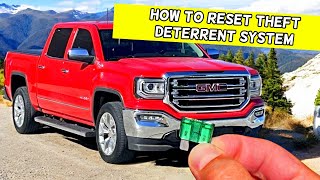
The GMT900 (2007-2013) and early K2XX (2014) platforms are known to be particularly sensitive to Radio Frequency (RF) interference, as explicitly noted in GM Technical Service Bulletins. Unlike many other vehicles where a no-start and security code might immediately point to a failed component, on these trucks, the most likely culprit is an external signal disrupting the communication between the key and the vehicle's immobilizer system. GM specifically advises technicians to investigate and rule out these external factors before any parts are replaced. The immobilizer system operates at 125 kHz, and any device operating in or near this frequency range can cause interference. Furthermore, these trucks are known for having ground connection issues that can cause 🎬 Watch: Troubleshooting a no-start caused by theft deterrent faults. a wide range of difficult-to-diagnose electrical problems, including theft deterrent system faults.
Diagnostic Flowchart
Tap your situation to follow the diagnostic path that matches what you're seeing on this vehicle.
Generation note: This range covers two generations: the GMT900 (2007-2013) and the first year of the K2XX (2014). While the underlying electrical architecture changed, both generations use the Passkey III+ transponder system and are susceptible to this security issue. A specific TSB (PI1180A) was issued for the 2014 model year, indicating a software fix for the BCM is available for this specific generation if the code appears with B2955.
Symptoms You May Notice
- Engine does not crank (no-crank)
- Engine cranks but does not start (crank-no-start)
- Engine starts and immediately stalls
- Security light is illuminated or flashing on the instrument cluster
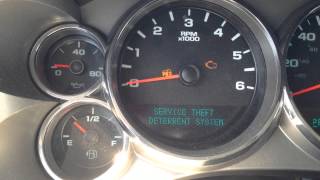
- "Service Theft Deterrent System" message on the Driver Information Center (DIC)
- Replacing the starter motor
- Replacing the Body Control Module (BCM) without checking for TSBs or RF interference
- Replacing the ignition switch without confirming it or the exciter coil is the point of failure
Most Likely Causes
- Radio Frequency (RF) Interference 🔴 High Probability As documented in TSBs PIC5650L/M/F and PIE0232, the immobilizer system on these trucks is sensitive to external radio signals from devices like other key fobs, building access cards, toll passes, and even aftermarket electronics like LED lights or phone chargers.
How to confirm: Remove all other keys, key fobs, access cards, and any electronic devices from the same keychain as the ignition key. Try starting the vehicle with the ignition key isolated from these other items. If the truck starts, one of the removed items was the cause.
Typical fix: Keep other RFID/NFC devices separate from the ignition key. In some cases, poorly shielded aftermarket electronics (like LED headlights or USB chargers) may need to be disconnected or replaced.
Est. part cost: $0 - Body Control Module (BCM) Software Glitch 🟡 Medium Probability → Shop Body Control Module For 2014 models specifically, GM released a software update (TSB PI1180A) to address this code when it appears with B2955, indicating a known software issue where the BCM fails to properly read the immobilizer data.
How to confirm: A GM dealer or qualified shop with a Tech2/MDI scan tool and a subscription to GM's TIS2WEB can check the current BCM calibration version against the latest available software.
Typical fix: Reprogram the Body Control Module (BCM) with the updated software calibration. This is a software-only fix. A dealer charges approximately 0.5 labor hours for this service.
Est. part cost: $0 (software only) - Weak or Defective Ignition Key Transponder ⚪ Low Probability → Shop Ignition Switch
How to confirm: Attempt to start the vehicle with a spare, known-good key. If the spare key works consistently, the original key is likely the problem. The transponder chip inside the key can fail over time.
Typical fix: Replace the faulty key and have the new key programmed to the vehicle. This can be done via a 30-minute relearn procedure without a scan tool.
Est. part cost: $50-$150 - Low Vehicle Battery Voltage ⚪ Low Probability → Shop Vehicle Battery
How to confirm: Test the battery with a multimeter or a battery tester. Voltage should be above 12.4V with the engine off. A low voltage condition can cause various electronic modules, including the TDM and BCM, to malfunction during the key-on sequence.
Typical fix: Recharge or replace the vehicle battery.
Est. part cost: $150-$300
Rare But Worth Checking
- Faulty Theft Deterrent Module (TDM) or Body Control Module (BCM): → Shop Anti-Theft Control Module This is a last resort. The official TSBs advise against replacing modules unless all other possibilities, especially RF interference and software updates, have been exhausted. A faulty BCM is more likely than a TDM failure. A replacement BCM must be programmed to the vehicle's VIN and options.
- Damaged Wiring or Poor Connection: A damaged wire or loose connector at the BCM or the ignition switch exciter coil (the ring around the key cylinder) could cause an intermittent signal loss, but this is less common than the other causes. Poor grounds, a known issue on GMT900 trucks, can also cause this.
- Faulty Ignition Lock Cylinder/Switch: → Shop Ignition Switch While less common for this specific code, a worn-out ignition lock cylinder or a failing ignition switch can cause a host of electrical issues, including problems with the Passkey system. The exciter coil that energizes the key's transponder is part of this assembly.
Diagnosis Steps
- Verify the complaint: Confirm the no-start condition and the illuminated security light.
- Check for RF Interference: Remove ALL other keys, fobs, and RFID cards from the key ring. Isolate the GMC key and try to start the vehicle again. This is the most common and cheapest fix.
- Try the Spare Key: Attempt to start the vehicle with a different, known-good key. If it starts, the primary key is faulty.
- Check Battery Voltage: Ensure the vehicle battery has a full charge (12.4V+). Low voltage can cause unpredictable behavior in electronic modules. Connect a battery charger during diagnostics if needed.
- Scan for Codes: Use a high-quality scanner to confirm B3935 and check for other related codes like B3055, B3060, or B2955.
- Check for TSBs: Specifically for 2014 models, check if TSB PI1180A applies (B3935 and B2955 present). If so, the BCM needs reprogramming by a dealer or a shop with a GM SPS subscription.
- Perform Relearn Procedure: A 30-minute key relearn procedure can sometimes resolve communication glitches. Turn the key to 'ON' (do not start) for 10 minutes until the security light goes out. Turn 'OFF' for 10 seconds. Repeat this process two more times for a total of three 10-minute cycles. The vehicle should learn the key after the third cycle.
- Advanced Diagnostics: If the issue persists, a technician will need to use a scan tool to monitor data from the Theft Deterrent Module to see if it is receiving and validating the key signal correctly. This can help differentiate between a bad key, a faulty exciter ring at the ignition, or a module failure.
Parts You'll Likely Need
- Ignition Key
(OEM #23372322 (uncoded, Circle+ transponder))— If the transponder chip in the key has failed, the key itself will need to be replaced and programmed. This key uses the Passkey III+ system.
Trusted brands: ACDelco, Strattec
OEM price range: $80-$150
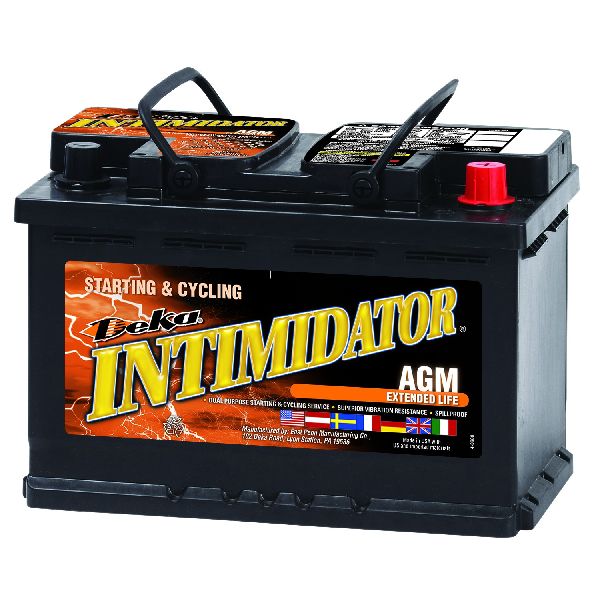
Aftermarket price range: $40-$80 - Vehicle Battery — If low voltage is the root cause, a new battery is the fix. This is a common maintenance item that can cause a wide range of electrical issues.
Trusted brands: ACDelco, DieHard, Interstate
OEM price range: $200-$300
Aftermarket price range: $150-$250 - Ignition Lock Cylinder Rebuild Kit
(OEM #703935 (Strattec))— If the lock cylinder itself is worn and causing issues, a rebuild kit allows you to repair it while retaining your original key, avoiding reprogramming costs.
Trusted brands: Strattec
OEM price range: $30-$50
Related Codes That Often Appear With This One
- B3055 — This code means 'No Transponder Modulation or No Transponder', indicating the TDM did not receive any signal from the key, often due to severe RF interference or a completely dead key transponder.
- B3060 — This code means 'Unprogrammed Transponder', indicating the TDM received a signal but did not recognize it as a valid, learned key for the vehicle. This can happen if a new, unprogrammed key is used.
- B2955 — On 2014 models, this code often appears with B3935 and points to a BCM software issue that requires a specific update per TSB PI1180A.
Technical Service Bulletins (TSBs) & Recalls
- PIC5650M: Intermittent no crank/no start/stall with security light and various DTCs including B3935.
- PIC5650L: Intermittent no crank/no start/stall, advises against part replacement and points to RF interference.
- PI1180A: Specific to 2014 models, advises BCM reprogramming for B3935 and B2955.
- PIE0232: Engineering information request, emphasizing the check for RF interference as a primary step.
- PIC5650F: Supersedes previous versions, adds more examples of RF interference sources like aftermarket LED lighting and USB phone chargers.
Platform-Specific Known Issues
- TSB PIC5650L/M/F: These bulletins highlight an intermittent no-crank or stall condition with the security light on, potentially setting codes B3055, B3060, and B3935. The bulletin explicitly mentions asking the customer about Radio Frequency Identification devices (toll passes, other fobs, building access cards) and advises against replacing parts as a first step.
- TSB PI1180A: For 2014 models, this bulletin addresses a no-start condition with codes B3935 and B2955. The cause is identified as a BCM software issue, and the fix is to reprogram the BCM with an updated calibration. This does not apply to crank-no-start conditions, only no-crank-no-start.
Hidden / Shadow Codes Worth Checking
- B3935 57: The '57' is a symptom byte that can be displayed on a GM-specific scan tool. For B3935, it specifies 'Transponder Authentication Error', confirming the issue is with the challenge/response calculation after the key's initial value has been successfully read. (see via GM Tech 2 or GDS2 scan tool)
Scan Tool Commands That Help
- GDS2/Tech 2: Module Diagnostics > TDM > Data Display — Use this to monitor live data parameters like 'Transponder Key' (should show 'Present') and 'Valid Key' when troubleshooting. This helps determine if the TDM is seeing the key at all, which helps differentiate between RF interference, a bad key, or a faulty exciter coil.
- GDS2/Tech 2: Data Bus Diagnostic Tool — This tool, which installs with GDS2, can be used to verify which modules are communicating on the CAN bus. If the TDM or BCM is not responding, it points to a module power, ground, or communication line issue rather than a key problem.
- GDS2/Tech 2: BCM Reprogramming (SPS) — For 2014 models with codes B3935 and B2955, this function is used to load the updated software calibration from GM's TIS2WEB service to fix the known software glitch as per TSB PI1180A.
Wiring & Ground Locations
- BCM Location — Under the driver's side of the dashboard, to the left of the steering column.. The Body Control Module (BCM) is central to the theft deterrent system. Checking for secure connections here is a key diagnostic step.
- TDM Location — The Theft Deterrent Module (TDM) is located behind the lower driver's side dash panel, often near the steering column. It is a small black box connected to the wiring harness.. The TDM is the module that directly communicates with the key's transponder. A loose connection or fault at this module can directly cause B3935.
- BCM Ground Path — On 2007 models, the BCM ground path passes through the left instrument panel junction block. On later models, it may be a dedicated ground point or splice pack. GM issued a specific bulletin (07-08-47-004D) warning that the negative battery cable MUST be disconnected before removing BCM grounds to prevent module damage.. A poor or intermittent ground to the BCM can cause a host of unpredictable issues, including incorrect operation of the theft deterrent system.
- Main Engine/PCM Grounds — There are critical ground wires from the main harness to the rear of the cylinder heads on both the driver and passenger side of the engine. The passenger side ground is particularly important for the PCM.. While not directly for the BCM/TDM, poor engine/PCM grounds can introduce electrical noise and voltage fluctuations that can affect the entire vehicle's electronic systems, potentially contributing to security system faults.
- A-Pillar Grounds — Located inside the cab, under the plastic trim of the A-pillars (the pillars on either side of the windshield). These ground interior electronics.. These grounds serve the dash and interior components. While less likely to be the primary cause, a problem here could affect modules located inside the cabin.
Real Owner Repair Stories
- Camaro5 Forum User (2012 Chevrolet Camaro SS (Uses similar Passkey III+ system)) — No crank, "Service Theft Deterrent System" message on DIC. Remote start worked, but engine would die when the key was inserted.
❌ Tried (didn't work) Disconnecting and reconnecting the battery., A 30-minute key relearn procedure with the original, faulty key.
✅ What actually fixed it The transponder in the original key had failed. The owner had a new, standard (non-switchblade) key cut by a locksmith and then successfully performed the 30-minute relearn procedure with the new key, which resolved the B3935 code and allowed the car to start.
Model Year Variations Within This Range
- 2007: According to GM bulletin 07-08-47-004D, the BCM ground path for 2007 models specifically runs through the Left Instrument Panel Junction Block. This differs from later models which may use different grounding points or splice packs.
- 2014: The 2014 model year, being the first of the K2XX generation, has a specific software-related issue documented in TSB PI1180A. When B3935 is present with B2955, it points to a BCM software calibration issue that requires an update, a problem not documented for the GMT900 (2007-2013) trucks.
Helpful Videos

We Have This Part in Stock



The information in this article is provided for general reference and educational purposes only. Vehicle specifications, procedures, and part compatibility can vary by production date, trim level, and region. Always consult your vehicle's factory service manual and verify part numbers before purchasing or performing repairs. Safety-critical components such as airbags, seat belts, and braking systems should be installed by a qualified professional.
- Gmc SIERRA 1500:
- 🧭 Diagnostic Flowchart
- 🎬 Helpful Videos
- 🛍️ Shop This Part
- What's Unique About the 2007-2014 Gmc SIERRA 1500
- Symptoms You May Notice
- Most Likely Causes
- Rare But Worth Checking
- Diagnosis Steps
- Parts You'll Likely Need
- Related Codes That Often Appear With This One
- Technical Service Bulletins (TSBs) & Recalls
- Platform-Specific Known Issues
- Hidden / Shadow Codes Worth Checking
- Scan Tool Commands That Help
- Wiring & Ground Locations
- Real Owner Repair Stories
- Model Year Variations Within This Range
- 🎟️ Get 5% Off