

B3935 on 2017-2019 GMC Yukon Denali: No-Start and Security Light Causes
On a 2017-2019 Yukon Denali, code B3935 typically causes a no-start or stall with the security light on. The most common cause is Radio Frequency Interference (RFI) from other devices on your keychain or in the vehicle, such as other key fobs, building access cards, or aftermarket phone chargers. Before replacing any parts, try starting the vehicle with the key fob isolated from other electronics; this is a no-cost fix that often resolves the issue.
- B3935 means your Yukon's security system is preventing the engine from starting due to a key authentication error.
- The most likely cause is Radio Frequency Interference (RFI). Before any repairs, try starting the vehicle with the key fob completely isolated from other keys, fobs, or electronics.
- Do not replace expensive components like the Body Control Module (BCM) until RFI and a faulty key fob have been ruled out, as advised by GM's own service bulletins. [⭐ MANUFACTURER TSB — highest authority] Bulletin #PIC5650F
- If a new key is needed, it must be professionally programmed to your vehicle by a dealer or automotive locksmith.
What's Unique About the 2017-2019 Gmc YUKON DENALI
The K2XX platform, which includes the 2017-2019 Yukon Denali, is known for the sensitivity of its immobilizer system, which operates at 125 kHz. General Motors has issued multiple Technical Service Bulletins (TSBs), including the PIC5650 series, acknowledging that a no-start condition with code B3935 can be caused by simple radio frequency interference. This means that unlike many other vehicles, the most probable cause for this code is not a failed part on the truck itself, but an external electronic device interfering with the key's signal.
Diagnostic Flowchart
Tap your situation to follow the diagnostic path that matches what you're seeing on this vehicle.
Symptoms You May Notice
- Intermittent no-crank, no-start condition. [⭐ MANUFACTURER TSB — highest authority] Bulletin #PIC5650M
- Engine starts and immediately stalls. [⭐ MANUFACTURER TSB — highest authority] Bulletin #PIC5650M
- Security indicator light is illuminated or flashing on the dashboard. [⭐ MANUFACTURER TSB — highest authority] Bulletin #PIC5650M
- "Service Theft Deterrent System" message may appear on the Driver Information Center (DIC).
- No click, no crank, no start.
- Replacing the Body Control Module (BCM) without first ruling out RFI, as TSB #PIC5650F explicitly advises against replacing parts for this concern initially. [⭐ MANUFACTURER TSB — highest authority] Bulletin #PIC5650F
- Replacing the starter motor, which is a mechanical part and will not set a security system trouble code.
- Replacing the main 12V battery without proper testing, as B3935 points to a key authentication failure, not necessarily a lack of power.
Most Likely Causes
- Radio Frequency Interference (RFI) 🔴 High Probability As documented in TSBs PIC5650M and PIC5650F, the immobilizer system on this platform is highly sensitive to external radio frequencies that can disrupt the key authentication process. Common culprits include other key fobs, building access cards, toll passes, and low-quality aftermarket phone chargers or LED lights plugged into the 12V outlets.
How to confirm: Remove the Yukon key fob from your keychain. Isolate it from all other keys, fobs, access cards, and RFID-blocking wallets. Unplug any aftermarket phone chargers or dash cams. Attempt to start the vehicle with only the single key fob present. If it starts, RFI was the cause. One owner on a forum noted, 'My truck wouldn't start at the gas station... Then I realized my work access card was on the keychain. Took it off, and it fired right up.'
Typical fix: Identify and remove the source of interference. Keep the Yukon key fob separate from other electronic devices when starting the vehicle.
Est. part cost: $0 - Weak or Defective Key Fob 🟡 Medium Probability → Shop Keyless Entry Transmitter The transponder chip inside the key fob can fail from being dropped, water damage, or age. A weak battery can also cause intermittent signal issues.
How to confirm: First, try replacing the battery (typically a CR2032 for this era) in the key fob. If that doesn't work, try starting the vehicle with your spare key fob. If the spare key works consistently and the primary key does not, the primary key's internal transponder is faulty. You can also try placing the suspect fob in the designated transmitter pocket (usually in the center console or a cup holder) to start the vehicle; if this works, it points to a weak fob battery.
Typical fix: Replace the faulty key fob. A new key must be purchased and programmed to the vehicle by a dealer or qualified automotive locksmith.
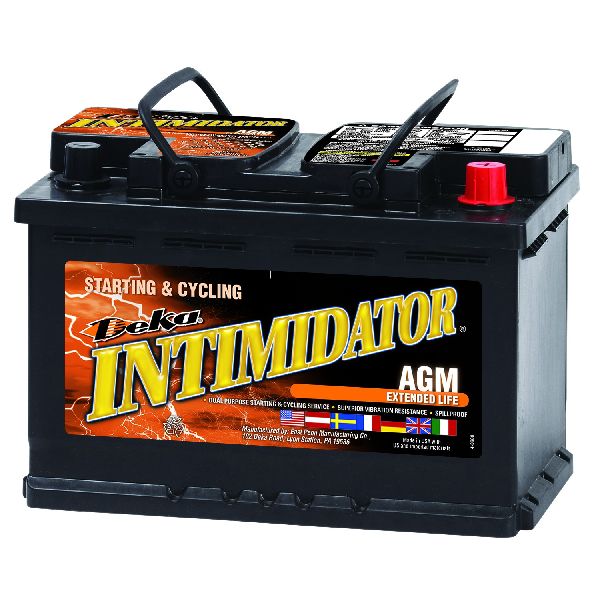
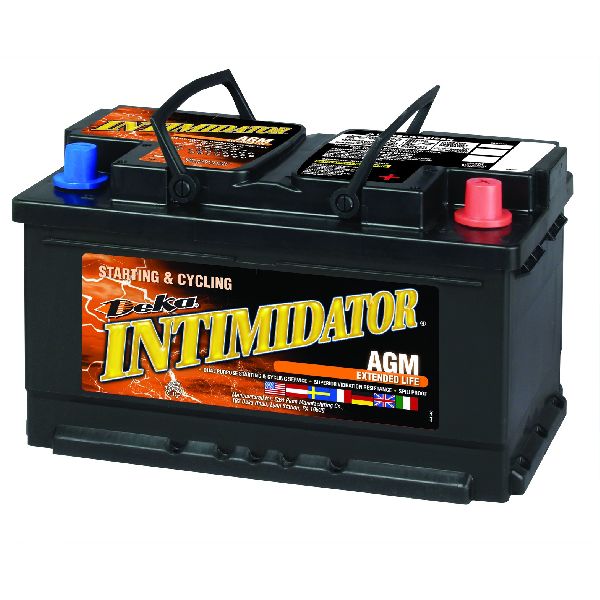
Est. part cost: $75-$250 - Weak Vehicle Battery or Poor Ground Connection ⚪ Low Probability → Shop Vehicle Battery Low system voltage can cause various electronic modules, including the BCM, to behave erratically. Poor grounds are a known issue on some GM trucks and can cause intermittent communication failures that mimic module faults. A GM service bulletin warns that disconnecting a BCM ground while the module is powered can cause internal damage.
How to confirm: Test the main 12V vehicle battery with a multimeter or battery tester; it should read above 12.4 volts at rest. Inspect the main battery terminals for corrosion and tightness. Check the main body and frame ground connections (e.g., G218 behind the driver's kick panel) for corrosion or looseness.
Typical fix: Clean or tighten battery terminals and ground connections. If the battery fails a load test, replace it. One owner on a forum resolved numerous electrical gremlins by finding and tightening loose battery terminals.
Est. part cost: $0-$250
Rare But Worth Checking
- Faulty Body Control Module (BCM): → Shop Body Control Module While rare, an internal failure or software glitch in the BCM can cause this code. This should only be considered after all other causes, especially RFI and key fob issues, have been exhaustively ruled out, as per TSB guidance. For 2015 models specifically (first year of the platform), TSB PI1180A notes a software issue where B3935 and B2955 set together, requiring a BCM reprogram.
- Damaged Immobilizer Antenna (Exciter Coil): → Shop Antenna The antenna that powers and reads the key fob transponder can fail, but this is uncommon. It is part of the ignition lock cylinder assembly or located in the center console for push-to-start models. Diagnosis typically requires checking wiring and using a professional scan tool to monitor module data.
Diagnosis Steps
- Check for Radio Frequency Interference (RFI): Remove the Yukon key fob from all other keys and electronic devices. Unplug any aftermarket accessories like phone chargers or dash cams. Try to start the vehicle. This is the most important first step.
- Try the Spare Key: Attempt to start the vehicle with a known-good spare key fob. If it works, the original key fob is the problem.
- Replace Key Fob Battery: If you do not have a spare, replace the battery in the suspect key fob (typically a CR2032) and try again.
- Use the Transmitter Pocket: If the battery may be weak, place the fob in the designated transmitter pocket (check owner's manual, usually in the center console) and attempt to start. This is a bypass for a weak fob signal.
- Check Vehicle Battery and Grounds: Ensure the main 12V vehicle battery is fully charged and that the battery terminals and primary ground straps are clean and tight.
- Scan for Other Codes: Use an OBD-II scanner to check for other related codes like B3055, B3060, or especially B2955, which can help pinpoint the issue.
- Professional Diagnosis: If the issue persists, the vehicle should be taken to a qualified technician who can use a professional scan tool (like GM's GDS2) to monitor BCM data and diagnose the immobilizer system components.
Parts You'll Likely Need
- Key Fob Battery
(OEM #CR2032)— A weak battery in the key fob can cause intermittent communication with the vehicle's immobilizer system. This is a simple and inexpensive part to replace first.
Trusted brands: Energizer, Duracell, Panasonic
OEM price range: $5-$10
Aftermarket price range: $2-$8 - Key Fob / Transponder Key
(OEM #13508283, 13580808 (6-button Smart Key, FCC ID: HYQ1EA))— If the internal transponder chip in the key fob fails, the key itself must be replaced and programmed to the vehicle.
Trusted brands: ACDelco, Standard Motor Products
OEM price range: $150-$250
Aftermarket price range: $75-$150
Related Codes That Often Appear With This One
- B3055 — This code indicates a problem with the key transponder itself (No Transponder Key/Key Not Learned) and is often set alongside B3935 as part of the same key authentication failure event, frequently caused by RFI.
- B3060 — This code points to an issue with the transponder antenna circuit. It can appear with B3935 if the signal from the key is weak or corrupted by interference.
- B2955 — When seen with B3935, especially on 2015 models, this combination strongly suggests a BCM software issue that requires a dealer re-flash, as per TSB PI1180A.
Technical Service Bulletins (TSBs) & Recalls
- PIC5650M: Addresses intermittent no crank, no start, or start stall with security light and DTCs B3055, B3060, B3935, etc. [⭐ MANUFACTURER TSB — highest authority] Bulletin #PIC5650M
- PIC5650F: Similar to the above, but specifically advises against part replacement and to inquire about Radio Frequency Identification devices. [⭐ MANUFACTURER TSB — highest authority] Bulletin #PIC5650F
- PI1180A: Addresses a no-start condition with codes B3935 and B2955 set together on 2015 models, requiring a BCM software update.
Platform-Specific Known Issues
- TSB #PIC5650F and #PIC5650M directly address this code on 2017 models, noting an intermittent no-crank/no-start/stall with the security light on. The bulletin specifically mentions asking the customer about Radio Frequency Identification devices and warns against replacing parts without investigation. [⭐ MANUFACTURER TSB — highest authority] Bulletin #PIC5650F, [⭐ MANUFACTURER TSB — highest authority] Bulletin #PIC5650M
- While not for the exact model year, TSB #PI1180A is highly relevant to the K2XX platform. It covers 2015 Yukon models and states that if codes B3935 and B2955 are found together for a no-start condition, the fix is a BCM software update, not parts replacement.
Mechanic-Grade Diagnostic Values
- Immobilizer Antenna Circuit Resistance — expected: Less than 2 Ω. Failure: 2 Ω or greater indicates an open or high resistance in the circuit.
- Immobilizer Antenna Signal Circuit Voltage to Ground — expected: Less than 1 V. Failure: 1 V or greater indicates a short to voltage in the circuit.
Hidden / Shadow Codes Worth Checking
- B3935 5A: Indicates 'Plausibility Failure'. This symptom byte suggests the BCM received a signal from the key transponder, but the value was not logical or expected, often due to RFI or a failing key. (see via GM GDS2 (Global Diagnostic System 2) or other professional scan tool with manufacturer-specific data capabilities.)
- B3935 02: Indicates 'Short to Ground'. This points towards a wiring issue in the immobilizer antenna circuit or a fault within the BCM itself. (see via GM GDS2 (Global Diagnostic System 2) or other professional scan tool with manufacturer-specific data capabilities.)
Scan Tool Commands That Help
- GDS2 (GM Global Diagnostic System 2): Module Diagnostics > BCM > Data Display > Immobilizer Data — Use this to monitor live data parameters such as 'Transponder Key State' and 'Number of Programmed Keys'. This helps verify if the BCM is recognizing key presence and its status, which is critical for differentiating between RFI, a bad key, or a module/antenna issue.
- GDS2 (GM Global Diagnostic System 2): Module Diagnostics > BCM > Configuration/Reset Functions > Immobilizer Learn — This function is required after replacing the BCM or adding new keys. It initiates the security relearn process, allowing the BCM to program and authenticate new or existing keys.
- GDS2 (GM Global Diagnostic System 2): Data Bus Diagnostic Tool > Message Monitor — To diagnose intermittent communication issues that could be caused by a faulty module or wiring. This tool can passively monitor the data bus with the key off to see if a module is staying 'awake' and causing interference or battery drain, which can sometimes manifest as security system faults.
Wiring & Ground Locations
- G218 — Behind the driver's side kick panel, near the A-pillar.. This is a major instrument panel ground point. A loose or corroded G218 is a known cause of various electrical issues on this platform, including erratic BCM behavior that can trigger security faults like B3935. The BCM ground path may pass through this area.
- Keyless Entry Control Module (K17 on some diagrams) — On some K2XX platform vehicles, a keyless entry receiver is located in the driver's side rear quarter panel area, behind the plastic trim. Another keyless entry antenna is located behind the OEM A/C control panel in the center dash.. This module and its associated antennas are responsible for receiving the signal from the key fob. A loose connection, damage, or failure of this module or its antennas can prevent the BCM from receiving the key's signal, directly causing a B3935 code.
- Underhood Fuse Block — In the engine bay, typically on the driver's side.. The main connection for the fuse block can become loose or corroded over time. This can cause a voltage drop to critical modules like the BCM and ECM during high-load situations like engine cranking, leading to a no-start and various communication codes, including B3935.
Real Owner Repair Stories
- YouTube video by 'No Start No Start' (2017 GMC Yukon (push-button start)) — No crank, no start. All lights on the dash worked, but the check engine light would not illuminate when the ignition was activated, indicating a communication issue with the engine computer.
❌ Tried (didn't work) Tested vehicle battery (tested good), Tested starter (tested good), Checked ECU relay and fuse (both tested good)
✅ What actually fixed it The main underhood fuse block was not fully seated. The locking tabs were not secure, causing a poor connection that would separate due to vibration. Pushing down firmly on the corner of the fuse block until it clicked into place and securing the locks restored the connection and allowed the vehicle to start.
OEM Part Supersession History
13580808→13508283— Part number consolidation and potential internal revision by GM.
Heads up: Both parts are for the 6-button smart key (FCC ID: HYQ1EA) and should be compatible, but programming by a dealer or locksmith is required. Always verify the part number with a VIN before purchasing.
Helpful Videos

We Have This Part in Stock


The information in this article is provided for general reference and educational purposes only. Vehicle specifications, procedures, and part compatibility can vary by production date, trim level, and region. Always consult your vehicle's factory service manual and verify part numbers before purchasing or performing repairs. Safety-critical components such as airbags, seat belts, and braking systems should be installed by a qualified professional.
- Gmc YUKON DENALI:
- 🧭 Diagnostic Flowchart
- 🎬 Helpful Videos
- 🛍️ Shop This Part
- What's Unique About the 2017-2019 Gmc YUKON DENALI
- Symptoms You May Notice
- Most Likely Causes
- Rare But Worth Checking
- Diagnosis Steps
- Parts You'll Likely Need
- Related Codes That Often Appear With This One
- Technical Service Bulletins (TSBs) & Recalls
- Platform-Specific Known Issues
- Mechanic-Grade Diagnostic Values
- Hidden / Shadow Codes Worth Checking
- Scan Tool Commands That Help
- Wiring & Ground Locations
- Real Owner Repair Stories
- OEM Part Supersession History
- 🎟️ Get 5% Off